 Reading Ants
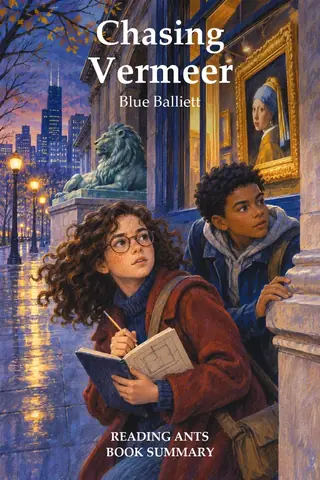
Chasing Vermeer
Two sixth graders in Chicago use codes, patterns and art history to solve the theft of a priceless painting by Johannes Vermeer.
Overview
Chasing Vermeer is a 2004 mystery by Blue Balliett, illustrated with puzzles and code, that won the Edgar Award for the best juvenile mystery in 2005. It is set in Hyde Park, a neighborhood of Chicago, where a sixth-grade class at the University School is studying art, patterns and the writings of Charles Fort. When a famous painting by Vermeer, a Dutch painter of the seventeenth century, is stolen on its way to an exhibit in Chicago, two classmates, Petra and Calder, begin to notice a trail of clues. The book invites readers to solve the puzzles along with the characters, which include pentomino shapes and secret messages.
Main Characters
- Calder Pillay: a boy who loves puzzles and carries pentomino pieces in his pocket.
- Petra Andalee: an adventurous girl who notices patterns and dreams of a lady in an old dress.
- Ms. Isabel Hussey: their teacher, who encourages them to see connections.
- Mrs. Louise Coffin Sharpe: an older woman who once owned a book that matters to the mystery.
- Tommy Segovia: Calder’s old friend, whose mother marries the thief.
- Xavier Glitts: the thief, who is known to Tommy’s family as Fred Steadman and is also called Old Fred.
Full Summary
Letters and a Mystery
Anonymous letters go out to three people in Hyde Park, asking for help with an art mystery that is centuries old. Petra and Calder, students of Ms. Hussey, meet at a bookstore, and become friends. Calder keeps pentomino pieces in his pocket and uses them to send coded messages. Petra is an adventurer who notices small details. Their teacher asks each student to interpret a work of art.
Lo! and the Geographer
Calder chooses a geographer’s box with a painting on it. Petra picks a book called Lo! by Charles Fort, which argues that life follows patterns that connect everything. The book once belonged to Mrs. Louise Coffin Sharpe. Calder visits her and notices that she owns a copy of The Geographer, a painting by Vermeer. Petra has a dream of a lady in an old dress with pearl earrings.
The Lady in the Dream
For Halloween, Petra dresses up as the lady in her dream. Calder recognizes the costume, and realizes that it matches a Vermeer painting, A Lady Writing. Soon afterward the painting is stolen on its way to an exhibit in Chicago. A letter from the thief to the Chicago Tribune promises to return the painting once the art world admits that some paintings thought to be by Vermeer are not.
The Hunt
The theft turns the community into amateur detectives. Petra and Calder believe that the painting is hidden near their school, and they follow the clues in the book and in the numbers around them. Calder links himself and Petra to the number twelve, which leads them to a hiding place. Together they work out patterns that the adults overlook.
The Chase
When the thief chases them, Calder stays behind and tells Petra to run with the painting. Petra returns with a police officer to the playground, but the thief takes the painting from the patrol car. Petra then finds Calder unconscious in a neighbor’s treehouse, with the painting under his arm. He had hurt his head during the chase, pretended to be unconscious, then followed the thief to the treehouse, where he found the painting before he passed out from the injury.
The Thief Revealed
A side story follows Calder’s friend Tommy Segovia, whose stepfather abandons the family. The thief, who is later found dead of a heart attack, turns out to be Xavier Glitts, an art thief, and he is Tommy’s stepfather, whom the family knows as Fred Steadman and who is later also called Old Fred. He had married Tommy’s mother under another name, in order to enter the community and find the local Vermeer enthusiasts. The painting is safe and goes back to the museum, and the children are the heroes.
How the Children Think
By the end, the painting is safe, but the story is as much about how the children think as about what they find. Petra and Calder do not solve the case by force. They notice patterns, ask unusual questions and trust each other’s different ways of seeing. The adults around them are busy with theories, while the children follow the small clues that fit. The book suggests that a good detective, like a good artist, looks at ordinary things until they reveal something new. The painting returns, the thief is exposed, and the friends are closer than before, with a shared sense that the world is full of hidden connections.
Why It Matters
Chasing Vermeer won both the Edgar Award and the Agatha Award, as well as other prizes, and began a series of three books about Petra and Calder. Kirkus Reviews compared it to The Westing Game and From the Mixed-Up Files of Mrs. Basil E. Frankweiler, and it is a good way to meet Vermeer, art history and the writings of Charles Fort.
It also showed that a children’s mystery could be a clever puzzle. The illustrations by Brett Helquist hide messages and pentomino clues, and the coded letters let readers take part in the detective work.
Key Takeaways
- Patterns connect the world. Petra and Calder find clues by noticing connections.
- Art is worth protecting. The theft shows how much a painting means.
- Teamwork solves problems. The two children succeed by combining their strengths.
- Curiosity is a skill. The children notice what adults overlook.
- Coincidence may not be chance. The book asks readers to look for meaning.
What We Can Learn
The book encourages us to look closely at the world, and to notice small details like numbers, shapes and patterns. These habits help in school, in art and in life.
It also teaches the value of working with a friend whose mind works differently from yours. Calder and Petra are very different, and that is why they succeed.
Finally, it shows that learning about the past, such as the life of a painter four hundred years ago, can be an adventure.
Criticism and Counterpoints
Some readers may find the plot hard to follow, with its codes, theories and many coincidences, and the book asks the reader to accept that coincidences may have meaning. The children also sneak out and take risks, which a parent may want to discuss. The thief’s death comes suddenly, near the end, and the adults in the story are seen mostly from the children’s side. But reviewers such as Kirkus praise its twists and its invitation to puzzle things out.
Who Should Read It
This book suits readers from about eight to twelve who like mysteries, art and codes. It is a good choice for classes studying painting. Readers who prefer action over thinking may find it slow, but fans of puzzles will enjoy it.
Want the whole book?
A summary is a taste, not the meal. Here is where to find the full book.
You reached the end 🎉
Nicely done. Mark this one as read, and we will suggest what to read next.
Read this next
When You Reach Me
Rebecca Stead
A sixth-grade girl in 1970s New York gets mysterious notes that predict the future, and slowly realizes they are tied to a homeless man on her corner and to a boy she hardly knows.
🧸 Children's Books
Holes
Louis Sachar
A boy with a family curse is wrongly sent to a desert detention camp where boys must dig holes all day, and he uncovers a buried secret that connects his family's past to the camp's cruel warden.
🧸 Children's Books
Hoot
Carl Hiaasen
A new kid in Florida teams up with a barefoot runaway and a tough classmate to save a nest of tiny burrowing owls from a pancake restaurant being built on top of them.
🧸 Children's Books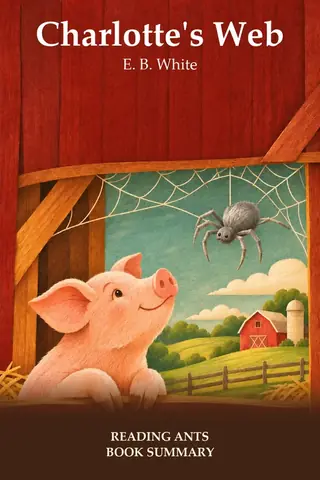
Charlotte's Web
E. B. White
A lonely pig named Wilbur learns he is going to be killed, and his clever friend Charlotte, a spider, comes up with an amazing plan to save his life.
🧸 Children's Books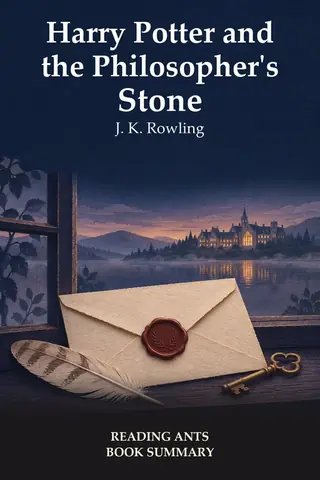
Harry Potter and the Philosopher's Stone
J. K. Rowling
An unloved orphan boy discovers on his eleventh birthday that he is a famous wizard, and during his first year at a magical school he makes true friends and faces the dark wizard who killed his parents.
🧸 Children's Books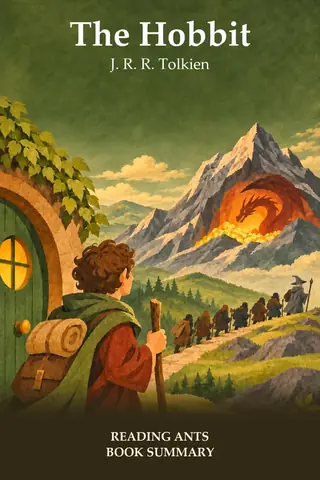
The Hobbit
J. R. R. Tolkien
A comfortable, home-loving hobbit is swept into a dangerous quest with thirteen dwarves to win back their treasure from a dragon, and discovers along the way that he is far braver and cleverer than he ever imagined.
🧸 Children's BooksWant something different?
Pick another topic and we will show you three books to start with.