 Reading Ants
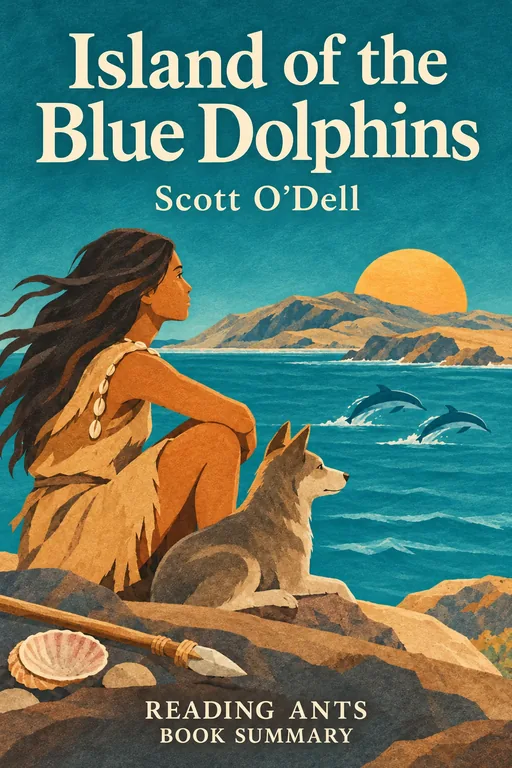
Island of the Blue Dolphins
After her people leave their island and she is left behind, a Native American girl named Karana survives alone for years, learning to hunt, build and make friends with animals.
Overview
Island of the Blue Dolphins is a historical novel by Scott O’Dell, published in 1960, based on the true story of a Native American woman who lived alone for about eighteen years on San Nicolas Island, off the coast of California, in the nineteenth century. In the novel, she is named Karana, and she is a young girl of the island community of Ghalas-at. When her village is attacked by outside hunters and then evacuated, she is left behind and must survive on her own. The book, which won the Newbery Medal, is a story of courage, resourcefulness and respect for nature.
Main Characters
- Karana: a brave, thoughtful girl, who loves her island home and learns to live alone.
- Ramo: her young brother, who is lively and reckless.
- Rontu: a wild dog who becomes her loyal companion.
- Chowig: Karana’s father and the village chief, who dies in a conflict with the hunters.
- Captain Orlov: the leader of the hunting party that cheats the islanders.
- Tutok: a young Aleut girl who visits the island and becomes Karana’s friend.
Full Summary
A Quiet Village
Karana lives with her people on an island they call the Island of the Blue Dolphins, so named because of the dolphins that swim in the waters around it. Her village is small, and they live by fishing and gathering. Her father, Chowig, is the chief, and there is peace. Karana has a younger brother, Ramo, who is eager, and a sister, Ulape. One day, a ship arrives carrying a hunting party led by Captain Orlov, to hunt sea otters. The islanders and the hunters agree to share the otter, but the visitors cheat them.
The Fight and the Departure
Karana’s father and the other men are killed in a fight over the unpaid share. The village is left much weaker, and, after some time, the islanders decide to leave on a ship for a new home on the mainland. As the ship is leaving, Karana discovers that Ramo has been left behind on the island. She jumps off the ship and swims ashore, to be with him. The ship sails on, promising to return, but a storm prevents it.
Alone with Ramo
Karana and Ramo live together in the empty village. They manage to survive, but Ramo is often reckless. One day, while Karana is fishing, he is attacked and killed by wild dogs. She is shocked and grief-stricken, and vows to take revenge on the pack. Alone for the first time, she faces the island’s dangers and loneliness.
Making Her Own Way
Karana has to learn skills usually done by men in her tribe, such as making weapons and hunting. She breaks the tribal rule against women making weapons, and builds a bow and arrows. She builds a shelter of whalebone, gathers food and defends herself from the wild dogs and from the sea. She also builds a fence of whale ribs to protect against them, and she gathers roots, fish and shellfish to eat and stores food for hard seasons. Day by day, she learns the tides and the habits of the animals, and she keeps watch for the ship that might return. She finds the leader of the wild dogs and wounds him, but decides not to kill him, and he becomes her pet, Rontu.
Friends of the Island
With Rontu, Karana explores the island. She tames a wild bird and befriends an otter, and finds she cannot hurt creatures she now regards as friends. She keeps busy by making jewelry and baskets, and by gathering shellfish. When another ship arrives with hunters, she hides, but a young Aleut girl, Tutok, who has come with them, meets her and they become friends. The two exchange words and gestures, though they do not share a language, before the girl departs.
Rescue
Years pass, and Karana wonders whether anyone will come back. Rontu grows old and dies, and she is left alone again, but she takes in a young dog that resembles him and names it Rontu-Aru. Finally, a ship returns and its crew takes her to the mainland, to the mission at Santa Barbara. She leaves reluctantly, taking her dog and two birds with her, after living alone for years. The ending is both joyful and sad, as she returns to people but leaves the island she loves.
Why It Matters
Island of the Blue Dolphins won the Newbery Medal in 1961 and has been read by millions of students. It is celebrated for its portrait of a strong girl who survives through intelligence and courage, and for its affection for nature. A sequel, Zia, followed in 1976.
The real woman on which Karana is based, known as the Lone Woman of San Nicolas Island, was found in 1853 and brought to Santa Barbara, where she died soon after, and her story has inspired many readers. The book also brought wide attention to her story.
Key Takeaways
- Resourcefulness helps survival. Karana learns new skills to meet each challenge.
- Respect for nature. She sees animals as companions, not just prey.
- Courage and love guide choices. She leaves the ship to stay with her brother.
- Loneliness can be borne. She finds companionship in animals and work.
- Rules can change. Karana breaks a rule when her survival depends on it.
What We Can Learn
The story shows that we can do more than we think when we must. Karana is a young girl, but with patience and observation, she builds a life.
It also invites us to respect the natural world. By getting to know the island’s creatures, she develops a bond with them and a reluctance to harm them.
Finally, it encourages us to value independence and self-reliance, while also recognizing the importance of friendship and community. Karana’s long wait also teaches patience, because she keeps hoping and working without knowing when help will come.
Criticism and Counterpoints
Some readers and scholars point out that the book was written by a non-Native author and that it simplifies or misrepresents the Native culture, with names and customs of the Nicoleño people that are partly invented, since little is known about them. Others say that the story ends too suddenly and that the picture of the girl’s survival is idealized, because the real woman likely suffered hardships.
Some find the descriptions of hunting and killing animals, and the death of Ramo, upsetting. Still, the book has been praised for its gripping narrative and for presenting a young female hero.
Who Should Read It
This book suits children from about age eight, and also adults who like survival stories. It has some sad scenes, including the death of a brother and animals, but the pace is gentle. It is good for classroom reading.
Want the whole book?
A summary is a taste, not the meal. Here is where to find the full book.
You reached the end 🎉
Nicely done. Mark this one as read, and we will suggest what to read next.
Read this next
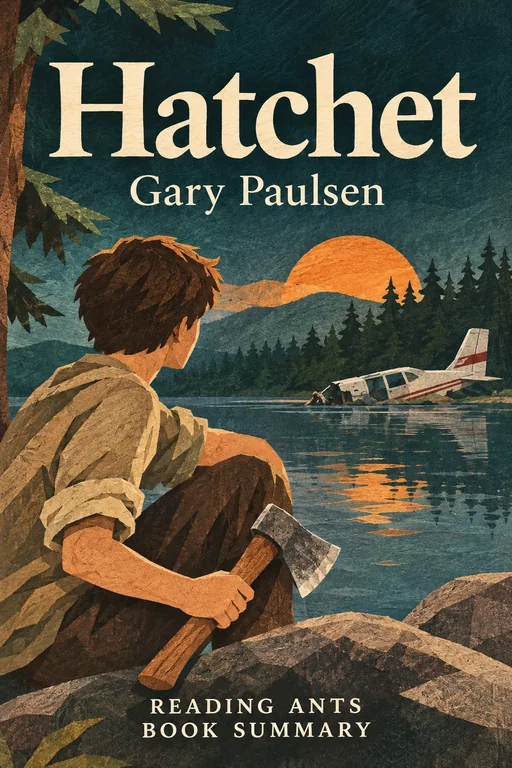
Hatchet
Gary Paulsen
After a plane crash leaves him alone in the Canadian wilderness with only a hatchet, a thirteen-year-old boy must learn to survive, and grows from a frightened city kid into a patient, resourceful young man.
🧸 Children's Books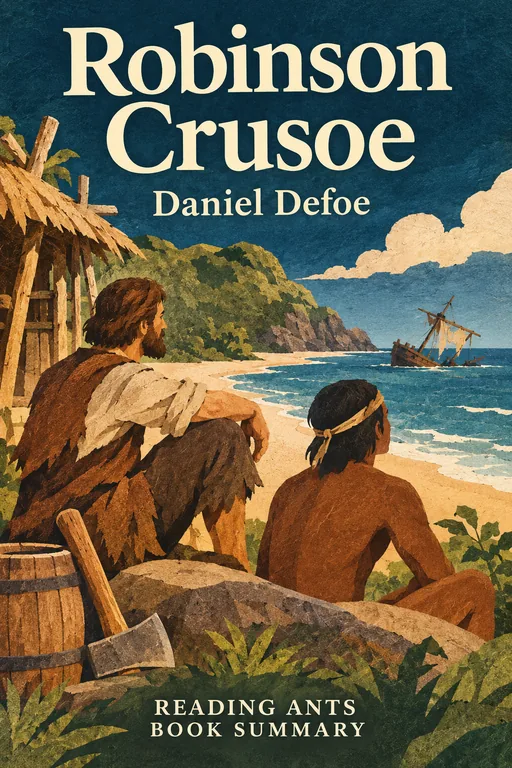
Robinson Crusoe
Daniel Defoe
After a shipwreck, an English sailor named Robinson Crusoe survives for twenty-eight years on a remote island, building a life with his own skill and faith, and eventually befriending a man he calls Friday.
📜 Classics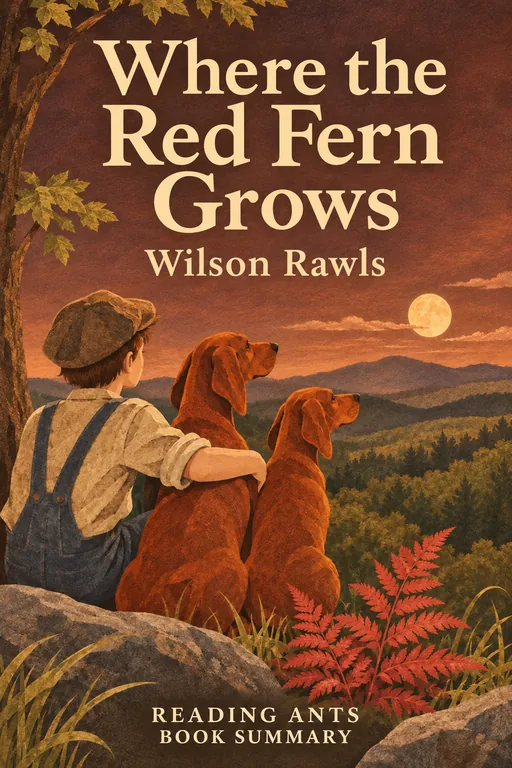
Where the Red Fern Grows
Wilson Rawls
A poor boy in the Ozark Mountains of Oklahoma works for two years to buy two redbone coonhound puppies, and the three become inseparable until a tragic ending.
🧸 Children's Books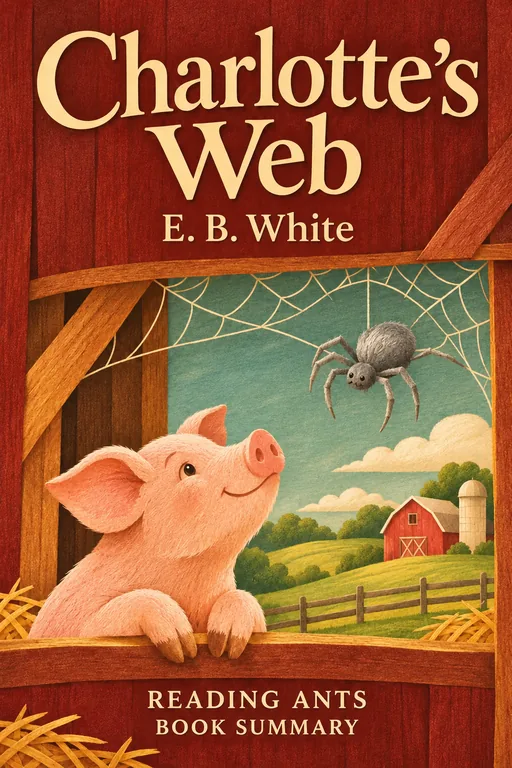
Charlotte's Web
E. B. White
A lonely pig named Wilbur learns he is going to be killed, and his clever friend Charlotte, a spider, comes up with an amazing plan to save his life.
🧸 Children's BooksHarry Potter and the Philosopher's Stone
J. K. Rowling
An unloved orphan boy discovers on his eleventh birthday that he is a famous wizard, and during his first year at a magical school he makes true friends and faces the dark wizard who killed his parents.
🧸 Children's Books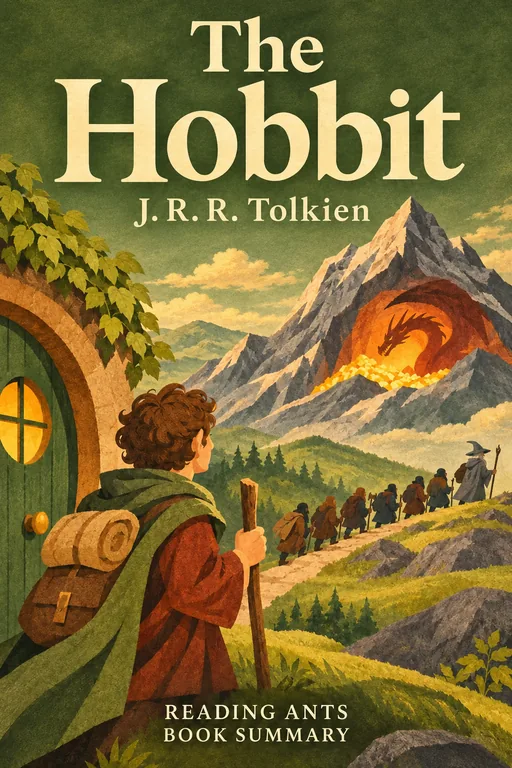
The Hobbit
J. R. R. Tolkien
A comfortable, home-loving hobbit is swept into a dangerous quest with thirteen dwarves to win back their treasure from a dragon, and discovers along the way that he is far braver and cleverer than he ever imagined.
🧸 Children's BooksWant something different?
Pick another topic and we will show you three books to start with.