 Reading Ants
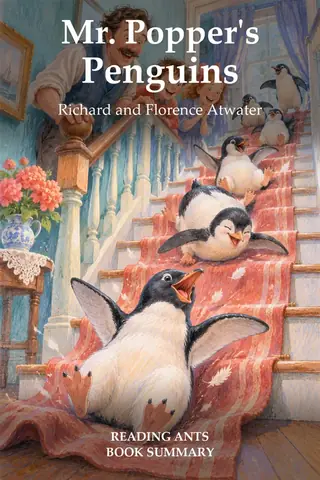
Mr. Popper's Penguins
A dreamy house painter in the little town of Stillwater gets a penguin as a gift, and ends up with twelve of them, and a career in show business.
Overview
Mr. Popper’s Penguins is a funny 1938 children’s book by Richard and Florence Atwater, with illustrations by Robert Lawson, and it was a Newbery Honor book in 1939. Mr. Popper paints houses in Stillwater. He daydreams about faraway places and loves reading about explorers. When he writes a fan letter to a famous polar explorer, he receives a huge crate. Inside is a penguin. The book is a short, silly and warm-hearted story about a family and a growing flock of penguins.
Main Characters
- Mr. Popper: the dreamy house painter who loves the Arctic.
- Mrs. Popper: his wife, who shares the household with the penguins.
- Bill and Janie: their son and daughter.
- Captain Cook: the first penguin.
- Greta: a female penguin who joins him.
- Admiral Drake: the polar explorer who sends the first penguin and takes the penguins north at the end.
Full Summary
A Dreamer in Stillwater
Mr. Popper paints houses in Stillwater and dreams of faraway places. He admires a polar explorer, Admiral Drake, and writes him a fan letter. The family lives a quiet life with Mrs. Popper and their children, Bill and Janie, and money is not plentiful. Mr. Popper’s chief pleasure is reading about explorers and imagining himself among them, and nothing in his small town seems to promise a real adventure.
The Crate
One day a huge crate arrives for Mr. Popper. Inside is a live penguin, a gift from the admiral, who has answered his fan letter in the grandest way possible. He names the penguin Captain Cook. Mr. Popper makes room for Captain Cook in the icebox, and the bird soon becomes part of the household. Mr. Popper adores him.
A Lonely Penguin
Captain Cook grows heavier but also sickly. Mr. Popper writes to an aquarium, whose curator says that a female penguin there has the same symptoms, and suggests that the two are lonely. The Poppers get a second penguin, Greta. The pair recover together, and the penguins’ home moves from the icebox to a cold setup by an open window, and later a freezing plant is built in the basement. Greta lays ten eggs, and they hatch, so the household soon has twelve penguins.
Too Many Penguins
With twelve penguins, the family needs more room and more money. The birds need a cold home, and soon the household is organized around their needs. Keeping the cold house and feeding the birds is costly, and money runs short. Mr. Popper has an idea. He trains the penguins to perform, and he turns them into a stage act, Popper’s Performing Penguins, which becomes a national success.
Trouble in New York
On the tour, the penguins cause chaos in New York City. They turn up at the wrong theater, and the angry manager has Mr. Popper and the whole troupe arrested. Admiral Drake, who has come to see the act, bails him out. Mr. Popper realizes that show business is no life for a penguin, and he wonders what the best thing for the birds would be.
The North Pole
Admiral Drake takes all twelve penguins to the Arctic, to be released into the wild, and invites Mr. Popper to come along. Mr. Popper agrees, promising to return in a few years. The ending is happy and a bit sad, since the family will miss the birds. Mr. Popper, who spent his life dreaming of the polar lands, is at last going to see them with his own eyes.
A Gentle Kind of Silliness
What keeps the story fresh is its gentle, deadpan humor. The Poppers never act as if a house full of penguins is unusual, and each new problem, like finding room for them and keeping them cold, is met with calm good sense. Mr. Popper is not a clever man, but he is a kind one, and his love for the birds is what carries the plot. Even the arrest in New York is told lightly. The book suggests that a life of small routines can be changed by one odd gift, and that the right response to a surprise is to welcome it.
Why It Matters
Mr. Popper’s Penguins has been a favorite for generations, and it has been adapted as a loosely based 2011 film with Jim Carrey. It was a Newbery Honor book in 1939 and won the Young Reader’s Choice Award in 1940, and Robert Lawson’s illustrations are part of its charm. It is one of the first books that many children read, with its silly humor and its quiet, kind hero.
It is also notable for its gentle message about dreaming, and it was on the list of books chosen for the Lewis Carroll Shelf Award in 1958, the first year of that award. Mr. Popper is an ordinary man who dreams of adventure, and the penguins bring him one.
Key Takeaways
- Loneliness affects animals too. The penguins get sick until they are together.
- Dreams can arrive in strange ways. Mr. Popper’s penguin fan letter leads to adventure.
- Home is where love is. The family works together despite the chaos.
- Doing right sometimes means letting go. Mr. Popper sends the penguins to the Pole.
- Humor helps. The Poppers handle crises with good spirits.
What We Can Learn
If you have a big dream, like Mr. Popper’s, the story shows that it is never too late for adventure. You may find it in a place you did not expect.
The book also reminds us that animals have needs, such as company and the right climate, and that caring for them means thinking about what is best for them.
Finally, it shows how a family can face a funny crisis, like a house full of penguins, with patience and humor.
Criticism and Counterpoints
Some readers find the plot silly, and Kirkus called it silly when it appeared in 1938. Others say that the idea of keeping penguins in a house, and of training them for a stage act, now seems unkind to the animals, and the book’s approach to wild creatures is of its time. Plugged In notes that the penguins’ wrestling act is rougher than expected, and that Mrs. Popper spanks a penguin on the head. But many readers still find it charming.
Who Should Read It
This book suits readers from about seven to ten, as a first chapter book or a read-aloud, and anyone who enjoys light, funny animal stories. It is a good choice for families. Readers who want realism may find it very silly, but that is part of its charm.
Want the whole book?
A summary is a taste, not the meal. Here is where to find the full book.
You reached the end 🎉
Nicely done. Mark this one as read, and we will suggest what to read next.
Read this next
The Wonderful Wizard of Oz
L. Frank Baum
Swept by a cyclone to the magical Land of Oz, a Kansas girl follows the yellow brick road with three unusual friends to ask a great wizard for help, and learns they already had what they were seeking.
🧸 Children's Books
Winnie-the-Pooh
A. A. Milne
A gentle, honey-loving bear and his friends in the Hundred Acre Wood share funny, simple adventures with a boy named Christopher Robin, celebrating friendship, kindness and the joys of childhood.
🧸 Children's Books
The Wind in the Willows
Kenneth Grahame
A shy Mole, a kindly Water Rat, a gruff Badger and a boastful Toad share riverside adventures in the English countryside, in a story about friendship, home and the madness of Mr. Toad's passion for motorcars.
🧸 Children's Books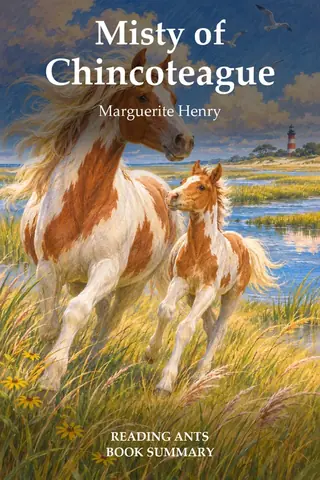
Misty of Chincoteague
Marguerite Henry
Two children on a Virginia island work to buy a wild pony and her foal from the annual roundup, and then must decide what is best for the mare.
🧸 Children's Books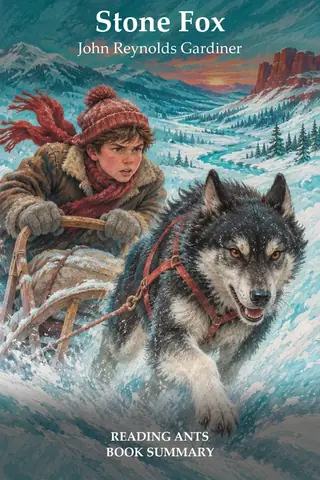
Stone Fox
John Reynolds Gardiner
A ten-year-old boy and his dog enter a dangerous sled race to win the money that will save his sick grandfather's farm.
🧸 Children's Books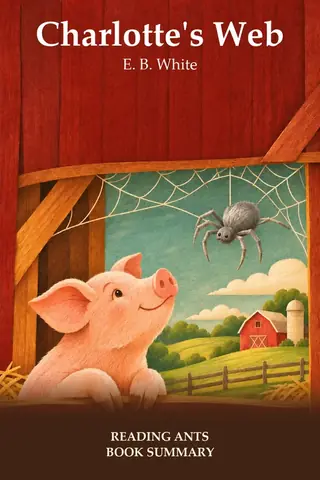
Charlotte's Web
E. B. White
A lonely pig named Wilbur learns he is going to be killed, and his clever friend Charlotte, a spider, comes up with an amazing plan to save his life.
🧸 Children's BooksWant something different?
Pick another topic and we will show you three books to start with.