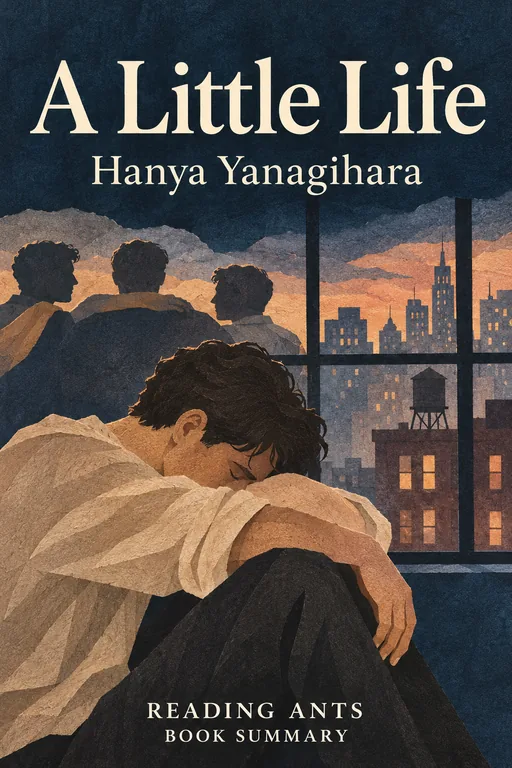
A Little Life
Four college friends move to New York and build careers over decades, but the story gradually focuses on Jude St. Francis, a brilliant lawyer whose childhood trauma shapes his life and tests the love of those around him.
Overview
A Little Life is a novel by Hanya Yanagihara, published in 2015, which was a finalist for the Booker Prize and the National Book Award. At about 700 pages, it follows four men: JB, Malcolm, Willem and Jude, who meet at college and settle in New York, over a span of thirty years. It begins as a story of friendship and ambition, and narrows to become a story about Jude, who suffers from physical and emotional injuries from a horrific past that he cannot speak about. The book is intensely emotional and divisive, with many readers calling it devastating and others finding it excessive.
Main Characters
- Jude St. Francis: a gifted lawyer and mathematician with a disability and a secret.
- Willem Ragnarsson: his best friend, who becomes a famous actor.
- JB (Jean-Baptiste) Marion: a painter, outgoing and sometimes cruel.
- Malcolm Irvine: an architect, the son of a wealthy family.
- Harold and Julia Stein: a professor and his wife who become Jude’s adoptive parents.
- Andy: Jude’s doctor and friend.
- Brother Luke, Dr. Traylor and Caleb: figures from Jude’s past, who abuse him at different stages of his life.
Full Summary
Four Friends
The novel begins with the friends in their twenties, in a shabby New York apartment. Willem, a sweet-natured waiter and aspiring actor, shares a room with Jude, who is quiet and guarded, and who walks with a limp. JB is a painter, who gossips and creates. Malcolm, a young architect, is shy. They support each other as they struggle to make careers. Jude, who excels at law and mathematics, remains closed about his past, and does not say how he came to be injured.
Their apartment is cold, their jobs are low-paid, and they eat cheaply, but the friends form a loyal circle in which they share food, jokes and secrets. Willem, who is gentle, takes on the role of Jude’s protector, while JB teases and Malcolm worries about his own place in the group.
Success
Over the years, the friends succeed. Willem becomes a star, JB’s paintings sell and Malcolm designs buildings. Jude, who has risen to be a partner at a law firm, has a reputation as a brilliant litigator, but his private life is a struggle. He suffers from pain in his legs, and he injures himself, hiding the scars. His friends sense that something is wrong, and Willem, who loves him, tries to find out. Jude is adopted by Harold, a former professor who is moved by him.
As the men reach their forties, success does not bring peace. JB struggles with addiction, Malcolm with his sense of identity and Willem with the demands of fame, while Jude’s health and mind continue to decline despite the care of Andy, his doctor, who tries to patch him up.
The Past
Gradually, the novel reveals Jude’s history. He was left as a baby in a trash heap and raised in a monastery, where the brothers abused him. One of them, Brother Luke, ran away with him and forced him into child prostitution until the police rescued him, and in state care the abuse continued at the hands of counselors. After he escapes at fourteen, a doctor, Dr. Traylor, holds him captive and abuses him, and eventually runs him over with his car, which leaves Jude with lasting pain in his legs. Much later, as an adult, he falls into an abusive relationship with a man named Caleb. He carries the memory and the shame. He has been taught to think of himself as worthless. The narration of these events is graphic and sustained, and shows the lifelong effects of abuse.
Willem and Jude
Willem, who has been a loyal friend, realizes that he loves Jude. They begin a relationship that is based on trust and care. Willem is patient, and helps Jude to feel safe. For a time, they are happy, living in a loft with Jude’s carefully maintained routines, and Jude discovers a sense of peace. But he continues to harm himself, and to conceal it, and the burden of his past returns.
Loss
A sudden tragedy strikes: Willem is killed in a car accident. Jude is devastated, and finds that he cannot go on. His friends and Harold, who has adopted him, try to help, but Jude’s grief is overwhelming. He decides that he cannot continue, and, gradually, he takes steps toward ending his life. The last part of the book is a long description of his despair.
The End
Jude dies by suicide, and the novel closes with the voices of those who loved him, his friends and his father Harold, who struggle to understand. The story ends with the reflection that the little life that Jude had was precious, and that the people who loved him tried, imperfectly, to keep him alive. The final scenes are about grief and the way that love continues after loss.
Why It Matters
A Little Life became a literary phenomenon, particularly among younger readers, and is often described as one of the most emotional novels in recent years. It inspired passionate debate about how fiction should represent trauma, and was adapted as a stage play. The book is frequently cited as a work that “broke” readers, and as a modern take on the nineteenth-century novel of suffering.
It has also helped to raise discussion of male friendship, adoption and the effects of abuse, and has led readers to seek out resources on mental health.
Key Takeaways
- Friendship can be a lifeline. The friends support Jude for decades.
- Trauma leaves lasting marks. Jude cannot escape his past.
- Love may not be enough. The people who love Jude cannot save him.
- Shame silences people. Jude hides his pain.
- Care takes patience. Willem and Harold offer steady kindness.
What We Can Learn
The novel invites us to think about how much people hide from those who love them, and encourages us to create environments where it is safe to speak about pain. It shows how patience and presence can matter.
It also reminds us that recovery from trauma is not simple or linear, and that people may need professional help, beyond the love of friends.
Finally, it asks us to be attentive to those around us, and to notice signs of distress.
Criticism and Counterpoints
Many critics have said that the novel is excessively and gratuitously brutal, an exercise in suffering with little relief, and that it sensationalizes abuse. Others argue that its depiction of trauma is unrealistic, since Jude seems to have no chance of recovery, and that the book’s treatment of self-harm and suicide could be harmful to vulnerable readers.
Some also criticize its length, its lack of historical or social context and its thin treatment of the other three friends. Some say that it romanticizes suffering. Still, many readers are deeply moved.
Who Should Read It
This book is for mature readers only. It contains severe, graphic descriptions of child abuse, self-harm and suicide. Readers who have experienced trauma should approach it with caution, and may wish to avoid it.
Want the whole book?
A summary is a taste, not the meal. Here is where to find the full book.
You reached the end 🎉
Nicely done. Mark this one as read, and we will suggest what to read next.
Read this next
The Goldfinch
Donna Tartt
After surviving a bombing at a New York museum in which his mother dies, a thirteen-year-old named Theo Decker takes a priceless painting, and the secret shapes his life through grief, addiction and crime.
✨ Modern Fiction
The Secret History
Donna Tartt
A California boy named Richard Papen, who transfers to a Vermont college and joins a small circle of classics students, is drawn into a murder, and the book follows how a group of brilliant friends destroy each other.
✨ Modern Fiction
The Bluest Eye
Toni Morrison
In 1940s Ohio, a poor Black girl named Pecola Breedlove, who believes that she is ugly, prays for blue eyes, and the community's failure to protect her leads to tragedy.
✨ Modern Fiction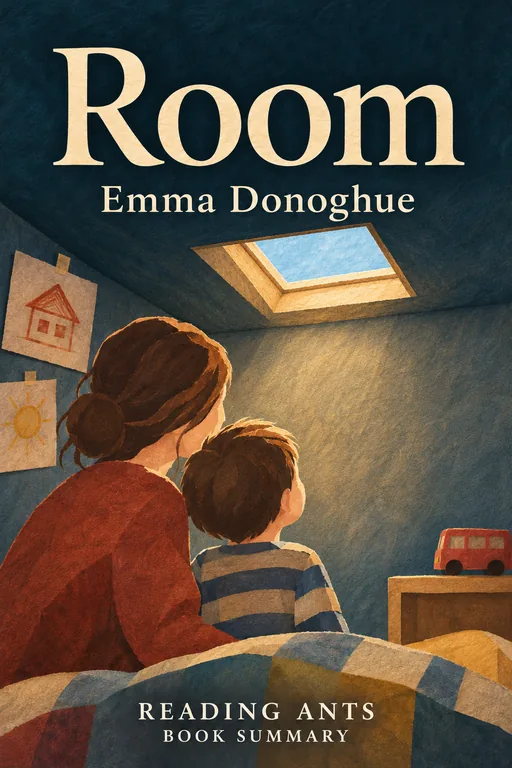
Room
Emma Donoghue
Five-year-old Jack, who has never left the single small room where he and his mother are held captive, narrates his world and then the escape that opens a much larger and more frightening one.
✨ Modern Fiction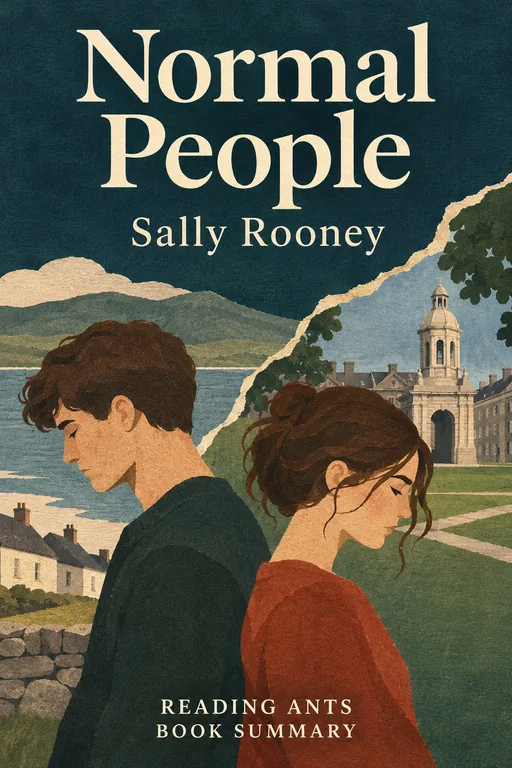
Normal People
Sally Rooney
Marianne and Connell, two teenagers from a small town in the west of Ireland, begin a secret relationship at school, and over the next four years, as they move to Trinity College in Dublin, they drift together and apart.
✨ Modern Fiction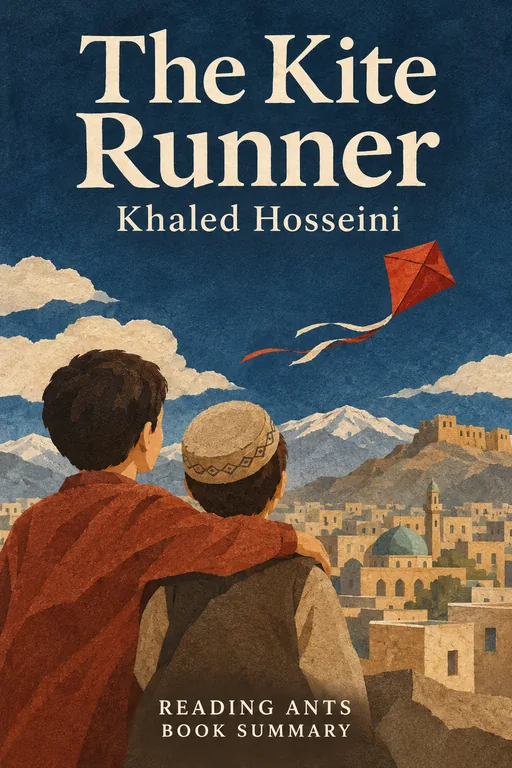
The Kite Runner
Khaled Hosseini
A wealthy boy in Kabul betrays his loyal best friend on the day of a kite tournament, and decades later, after fleeing to America, he returns to a Taliban-ruled Afghanistan to try to make things right.
✨ Modern FictionWant something different?
Pick another topic and we will show you three books to start with.