 Reading Ants
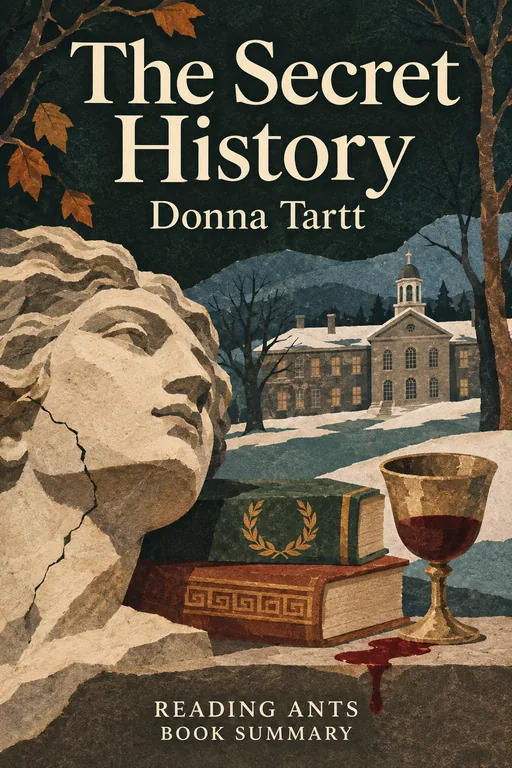
The Secret History
A California boy named Richard Papen, who transfers to a Vermont college and joins a small circle of classics students, is drawn into a murder, and the book follows how a group of brilliant friends destroy each other.
Overview
The Secret History is a debut novel by Donna Tartt, published in 1992, when she was twenty-eight. It opens with the narrator, Richard Papen, telling the reader that he and his friends killed one of their group, Bunny Corcoran, and then explains how it happened. The setting is Hampden College, an elite liberal arts school in Vermont, based on Bennington College, where Tartt studied. The book is a murder story in reverse, in which the “whydunit” is more important than the “whodunit.” It is famous for its atmosphere, its allusions to Greek tragedy and its portrait of a group of friends who feel that they are above the rules.
Main Characters
- Richard Papen: the narrator, a working-class Californian who wants to belong.
- Henry Winter: the brilliant, cold leader of the group, a prodigy in languages.
- Francis Abernathy: a nervous, wealthy, witty student.
- Charles and Camilla Macaulay: twins, orphaned and close, who are fair and graceful.
- Edmund “Bunny” Corcoran: a loud, careless, bullying member of the group.
- Julian Morrow: the charismatic professor of Greek, who teaches the group.
Full Summary
Arrival
Richard, the son of a gas station owner in California, goes to Hampden College on a scholarship, wishing to escape his dull background. He wants to study Greek, and, by bluffing about his past, joins the exclusive class of Julian Morrow. The class is composed of five other students: Henry, Francis, Bunny and the twins, Charles and Camilla. Richard is awed by them and by their world of old money, fine clothes and classical learning, and is pleased to be let in.
The Group
Richard gets to know the others. Henry is brilliant but remote, Francis is anxious and secretly gay, Bunny is a bully who borrows money, and the twins are close in a way that seems almost too close. Richard keeps hiding his background, inventing a wealthy childhood. The group drinks, takes pills and talks about Greek tragedy. Julian’s lectures on the ancient Greeks’ belief in beauty and in the “terrible” release of the Dionysian ritual inspire them.
The Ritual
Without telling Richard at first, the group attempts to experience the Dionysian frenzy, as described in the Greek texts, in a ritual in the woods. It apparently succeeds, and during their ecstatic state, they accidentally kill a farmer who comes across them. They cover it up, and Bunny, who learns what happened, gradually becomes a threat. Richard is told only later, and, in his desire to belong, becomes a partner in the secret.
Henry explains to Richard, in measured words, what happened that night, and how it was an accident born of a belief in a kind of divine madness. Richard, who feels both horror and thrill at being trusted, agrees not to tell, and sees the group in a different light afterward.
Bunny
Bunny becomes more and more unpredictable, hinting that he might tell what he knows, and making cruel jokes. He is also constantly asking for money. The others, who are afraid and tired of him, decide that he must be silenced. They plan to kill him by pushing him into a ravine on a hike, and carry it out. The act is carefully hidden, but they must watch as the search for the missing Bunny becomes a major event, and they behave as friends in grief.
Fallout
The weeks after Bunny’s death are tense. The FBI is involved, and the friends are interviewed. The group begins to fall apart under strain. The twins move apart, and Henry grows more distant. A drunken Charles threatens Camilla, and attacks Richard and Henry. Richard feels increasingly guilty, and his reliance on the others leaves him adrift.
The End
Julian, who has received a letter that Bunny wrote before his death and has come to believe it, has already left the college before the end, and he never returns. Drunk and desperate, Charles bursts into the hotel room where Henry and Camilla are staying and tries to kill Henry, and Richard is accidentally shot in the stomach. Henry then kills himself, to protect the group’s secret. After this, the survivors drift apart, Francis later attempts suicide, and Richard graduates, haunted. The novel closes with Richard’s dream of Henry, and his reflection on the cost of their pursuit of beauty.
Why It Matters
The Secret History was an immediate bestseller and has become a cult classic, with a devoted following among readers who love its mood. It is considered the defining novel of the “dark academia” aesthetic, which has been widely adopted on social media. Tartt, who writes slowly, followed it with The Little Friend and The Goldfinch, which won the Pulitzer Prize in 2014.
The novel is also admired for its literary craft: it blends a thriller plot with an exploration of morality, class, beauty and the limits of the intellect.
The novel has also been praised for the way that it makes the reader complicit with its narrator, who is likable and flawed, and asks us to consider how easily we may be drawn into wrong by a desire to be accepted.
Key Takeaways
- Beauty without ethics is dangerous. The group’s love of beauty leads to harm.
- Wanting to belong can blind us. Richard follows the group into crime.
- Privilege can breed arrogance. The friends think themselves above rules.
- Guilt corrodes friendships. The group destroys itself.
- Secrets have a cost. Concealment poisons the survivors.
What We Can Learn
The novel warns about the appeal of exclusive groups, and the way in which a wish to be part of something special can lead to bad decisions. Richard’s desire for acceptance makes him ignore his conscience.
It also shows that intelligence and education are not the same as moral wisdom, and that those who admire great ideas may use them to justify cruelty.
Finally, it invites us to think about how we tell stories about ourselves, and to look at what we leave out.
Criticism and Counterpoints
Some critics find the characters unlikable and unrealistic, and the prose overly ornate. Others find the book’s length and pacing uneven, especially in the long middle section. The way that the narrator describes the other characters, with a mix of envy and admiration, can seem unreliable.
Some readers also question the book’s glamorization of elite education and wealth, or its handling of class. Others dislike the use of the Greek rituals as a plot device. Still, it has a large and loyal readership.
Who Should Read It
This book is for mature readers. It contains murder, drug use and suicide, and is dark in tone. It is a good read for those who enjoy atmospheric, literary mysteries.
Want the whole book?
A summary is a taste, not the meal. Here is where to find the full book.
You reached the end 🎉
Nicely done. Mark this one as read, and we will suggest what to read next.
Read this next
Crime and Punishment
Fyodor Dostoevsky
A poor former student in St. Petersburg murders an old pawnbroker to prove he is an extraordinary man above ordinary morality, then is tormented by guilt until love and confession offer him a path to redemption.
🌍 World Literature
The Picture of Dorian Gray
Oscar Wilde
A beautiful young man wishes that his portrait would grow old instead of him, and as he lives a life of selfish pleasure and cruelty, his face stays perfect while the painting reveals the ugliness of his soul.
📜 Classics
Brideshead Revisited
Evelyn Waugh
An army officer, Charles Ryder, returns during the Second World War to a great country house and remembers his friendship with the aristocratic Flyte family, and how love, faith and loss changed his life.
📜 Classics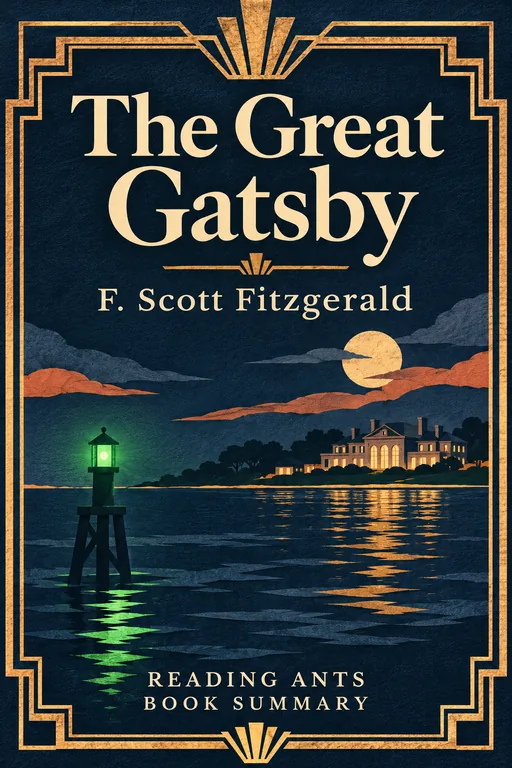
The Great Gatsby
F. Scott Fitzgerald
A mysterious millionaire throws lavish parties on Long Island in the hope of winning back the woman he loved years ago, but his dream collides with the careless cruelty of the rich.
📜 Classics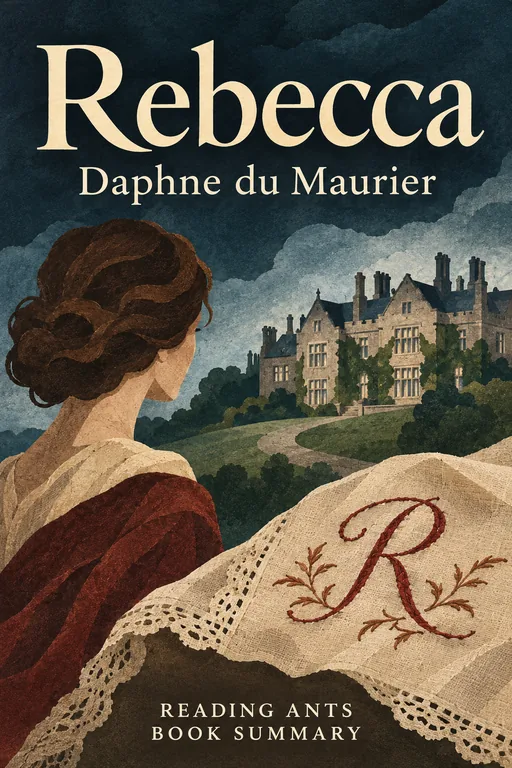
Rebecca
Daphne du Maurier
A shy young woman marries a wealthy widower and moves to his great estate, Manderley, where she is haunted by the memory of his first wife, Rebecca, and slowly learns the truth about her death.
📜 Classics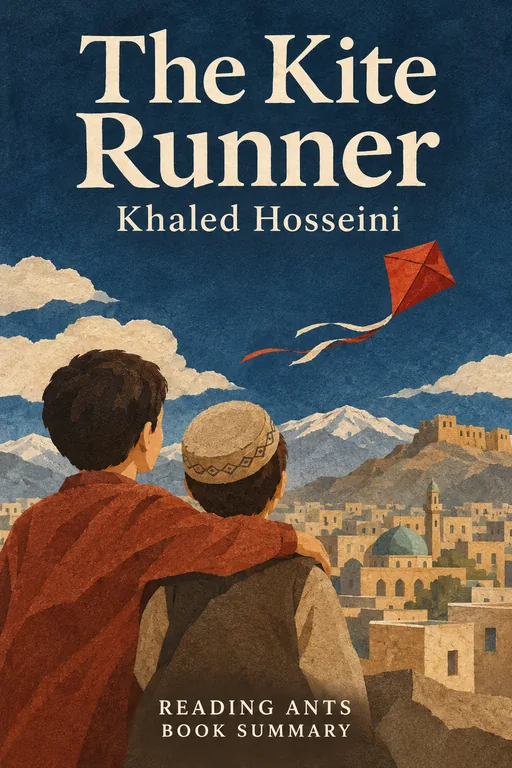
The Kite Runner
Khaled Hosseini
A wealthy boy in Kabul betrays his loyal best friend on the day of a kite tournament, and decades later, after fleeing to America, he returns to a Taliban-ruled Afghanistan to try to make things right.
✨ Modern FictionWant something different?
Pick another topic and we will show you three books to start with.