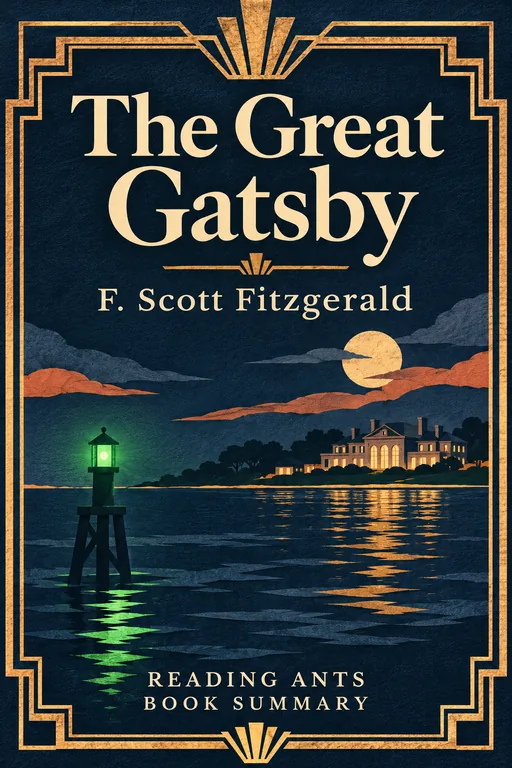
The Great Gatsby
A mysterious millionaire throws lavish parties on Long Island in the hope of winning back the woman he loved years ago, but his dream collides with the careless cruelty of the rich.
Overview
The Great Gatsby takes place in the summer of 1922, in the glittering, reckless “Jazz Age” of New York. Nick Carraway, a young man from the Midwest, rents a small house on Long Island next to the enormous mansion of Jay Gatsby, a wealthy stranger famous for his wild parties and the strange rumors about his past. Across the bay lives Nick’s cousin Daisy and her rich, arrogant husband, Tom. Nick soon discovers that Gatsby’s whole life has been built around one goal: to win Daisy back. F. Scott Fitzgerald’s short, beautifully written novel is a love story, a tragedy and a portrait of the American Dream, the belief that anyone can reinvent themselves and become anything through wealth.
Main Characters
- Nick Carraway: the narrator, a polite, observant young bond salesman.
- Jay Gatsby: a mysterious, hopeful millionaire with a hidden past.
- Daisy Buchanan: Nick’s charming, beautiful cousin, Gatsby’s lost love.
- Tom Buchanan: Daisy’s wealthy, powerful and bullying husband.
- Jordan Baker: a cool, dishonest professional golfer and Daisy’s friend.
- Myrtle Wilson: Tom’s lover, eager to escape her dull life.
- George Wilson: Myrtle’s husband, a worn-out garage owner.
- Meyer Wolfsheim: Gatsby’s shady business partner.
Full Summary
West Egg and East Egg
Nick Carraway moves to West Egg, Long Island, home of the “new money,” people who have recently become rich. Across the bay is East Egg, where old, established families live, including Nick’s cousin Daisy and her husband Tom Buchanan, a former college football star. At dinner with them, Nick meets Jordan Baker and learns that Tom has a mistress in New York.
That night, Nick sees his neighbor, Gatsby, standing alone on his lawn, stretching his arms toward a small green light across the water: the light at the end of Daisy’s dock.
The Valley of Ashes
On the way to New York, the train passes through the “valley of ashes,” a gray wasteland of industrial dust watched over by a giant billboard with a pair of huge eyes, an advertisement for an eye doctor. Here Tom introduces Nick to his mistress, Myrtle Wilson, the wife of a struggling garage owner. At a drunken party in an apartment Tom keeps in the city, Myrtle mocks Daisy’s name, and Tom breaks her nose with one blow.
Gatsby’s Parties
Gatsby’s mansion fills every weekend with hundreds of guests, most of whom have never met their host. Rumors fly: some say he killed a man, others that he was a German spy. When Nick finally meets Gatsby, he is charming and calls everyone “old sport.” Gatsby tells Nick a polished story about inheriting money and studying at Oxford, which Nick only half believes. He also introduces Nick to Meyer Wolfsheim, a gambler who is said to have fixed the 1919 World Series.
Jordan explains Gatsby’s secret. In 1917, when he was a young army officer without money, he fell in love with Daisy. She promised to wait for him, but while he was at war she married Tom. Gatsby bought his mansion just to be across the bay from her, and he throws his parties hoping she will one day appear.
The Reunion
Gatsby asks Nick to invite Daisy to tea. The meeting begins awkwardly, but soon Gatsby and Daisy are glowing with happiness. Gatsby shows Daisy his mansion and throws piles of expensive shirts on a bed. Daisy cries, saying she has never seen such beautiful shirts. Nick notices that Gatsby’s dream of Daisy has grown so large that no real woman could match it.
Nick later learns the truth about Gatsby’s past. He was born James Gatz to poor farmers in North Dakota and reinvented himself as Jay Gatsby at seventeen, working for a rich yachtsman who taught him the ways of the wealthy. His current fortune comes from illegal business with Wolfsheim, such as selling alcohol during Prohibition.
The Plaza Hotel
On a scorching summer day, the group drives into New York and takes a suite at the Plaza Hotel. Tom, who now suspects the affair, confronts Gatsby. Gatsby insists that Daisy never loved Tom and wants her to say so. Daisy admits she loves Gatsby but cannot say she never loved Tom. Tom reveals Gatsby’s criminal dealings, and Daisy pulls away. Gatsby’s dream begins to crumble.
The Accident
Driving home, Daisy is at the wheel of Gatsby’s yellow car. As they pass the Wilsons’ garage, Myrtle, who has been fighting with her husband, runs into the road, perhaps thinking Tom is in the car. Daisy hits her and does not stop. Myrtle is killed instantly. Gatsby decides to take the blame to protect Daisy. That night he waits outside her house in case Tom hurts her, while Daisy and Tom sit together inside, calmly eating, already reunited.
The End of the Dream
George Wilson, mad with grief, tracks down the owner of the yellow car with Tom’s help. The next afternoon he finds Gatsby floating in his swimming pool and shoots him, then kills himself. Tom and Daisy leave town without a word.
Almost no one comes to Gatsby’s funeral: just Nick, Gatsby’s proud father, a few servants and one party guest. None of the hundreds of people who enjoyed his parties appear. Disgusted with the East, Nick decides to return to the Midwest. On his last night, he looks across the bay at Daisy’s green light and reflects that Gatsby believed in a future that was always slipping away. We keep striving forward, he concludes, though the past keeps drawing us back.
Why It Matters
The Great Gatsby is often called the Great American Novel. When it was published in 1925 it sold poorly, and Fitzgerald died in 1940 believing he was a failure. During the Second World War, copies were given to American soldiers, and in the years that followed it was rediscovered and became one of the most widely read and taught novels in the United States.
The book is a powerful critique of the American Dream. It shows a society obsessed with money, status and pleasure, and asks whether wealth can ever buy happiness or erase where you come from. Its images, such as the green light, the valley of ashes and the eyes on the billboard, are among the most famous symbols in literature. The novel has been adapted into several films, including versions starring Robert Redford and Leonardo DiCaprio.
Key Takeaways
- You can’t repeat the past. Gatsby’s attempt to recreate his romance with Daisy is doomed.
- Wealth doesn’t buy belonging. New money never fully gains acceptance from the old elite.
- The rich can be careless. Tom and Daisy destroy lives and retreat into their money.
- Dreams can become illusions. Gatsby loves an idea of Daisy more than the real person.
- Appearances hide emptiness. The glittering parties conceal loneliness and lies.
What We Can Learn
Gatsby’s story reminds us to be careful not to build our whole lives around a single dream, especially one about another person. Dreams give us energy, but they should leave room for reality, change and growth.
It also asks us to think about what we admire. Gatsby’s guests love his parties but not him. In our own lives, it is worth asking whether our friendships are based on real care or just on what people can offer.
Finally, the novel shows the importance of responsibility. Tom and Daisy avoid the consequences of their actions. Owning up to our mistakes, even when we could hide behind money or excuses, is a mark of true character.
Criticism and Counterpoints
Some readers find the characters hard to like. Most of them are selfish, shallow or dishonest, and the women, especially Daisy and Myrtle, are seen only through male eyes. Critics have also pointed to the book’s portrayal of Meyer Wolfsheim, which relies on anti-Jewish stereotypes, and Tom’s openly racist views, which the novel mocks but does not fully challenge.
Others argue that Nick is an unreliable narrator who is less innocent than he claims. Some students find the plot slow, since much of the book is about atmosphere and symbolism rather than action. Yet its short length and beautiful prose keep it among the most popular classics.
Who Should Read It
This book is great for teenagers and adults who enjoy beautiful writing, tragic love stories and questions about wealth and success. It is short and widely taught in high schools. Readers who want fast-paced action may find it slow, but its final pages are among the most memorable in American literature.
Want the whole book?
A summary is a taste, not the meal. Here is where to find the full book.
You reached the end 🎉
Nicely done. Mark this one as read, and we will suggest what to read next.
Read this next
The Sun Also Rises
Ernest Hemingway
A group of American and British expatriates drift through Paris and Spain in the 1920s, drinking and searching for meaning, as a wounded narrator named Jake loves a woman he cannot have.
📜 Classics
The Age of Innocence
Edith Wharton
In the rigid high society of 1870s New York, a lawyer, Newland Archer, engaged to a perfect young woman, falls in love with her exiled cousin, and must choose between passion and duty.
📜 Classics
Of Mice and Men
John Steinbeck
Two traveling farmworkers during the Great Depression, quick-witted George and the huge, gentle but mentally disabled Lennie, dream of owning their own small farm, but their dream ends in tragedy.
📜 ClassicsThe Catcher in the Rye
J. D. Salinger
After being expelled from his boarding school, a lonely, sarcastic sixteen-year-old wanders New York City for three days, struggling with grief, phoniness and the frightening idea of growing up.
📜 Classics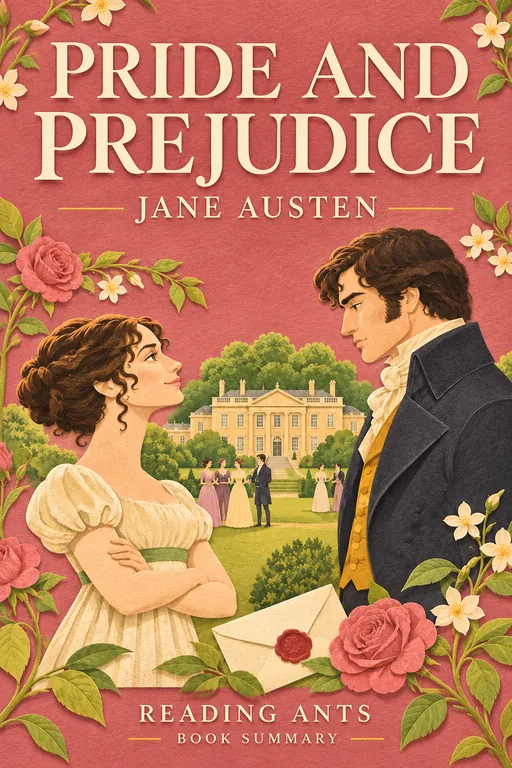
Pride and Prejudice
Jane Austen
Quick-witted Elizabeth Bennet and the proud, wealthy Mr. Darcy badly misjudge each other, and only by facing their own faults do they find their way to love.
📜 Classics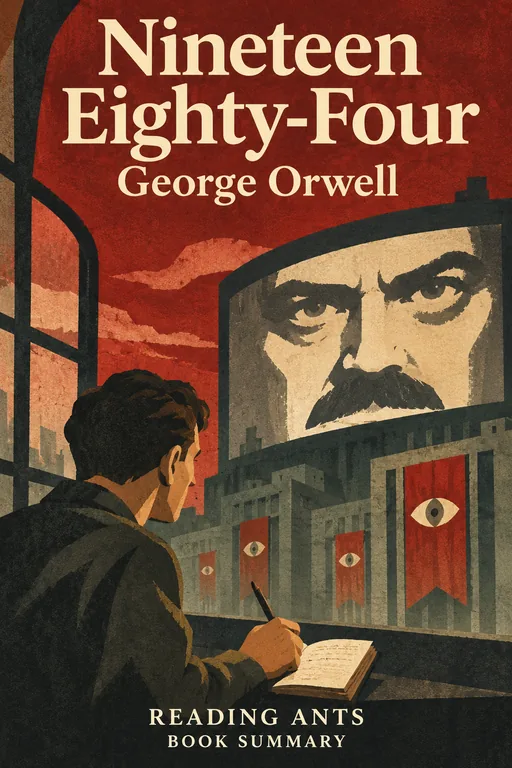
Nineteen Eighty-Four
George Orwell
In a future Britain ruled by an all-seeing Party, one man secretly rebels by keeping a diary and falling in love, and discovers just how completely a totalitarian state can crush the human mind.
📜 ClassicsWant something different?
Pick another topic and we will show you three books to start with.