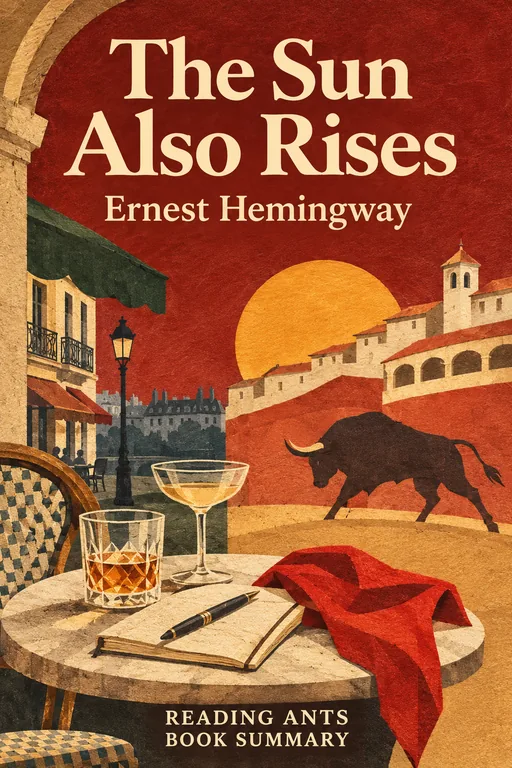
The Sun Also Rises
A group of American and British expatriates drift through Paris and Spain in the 1920s, drinking and searching for meaning, as a wounded narrator named Jake loves a woman he cannot have.
Overview
The Sun Also Rises is Ernest Hemingway’s first major novel, published in 1926. It follows a circle of friends who live in Paris after World War I, many of them damaged by the war, and who travel to the fiesta of San Fermín in Pamplona, Spain, for the running of the bulls and bullfights. It is narrated by Jake Barnes, an American journalist who was injured in the war and who loves Lady Brett Ashley, a charming, restless woman. The novel captures the mood of the “Lost Generation,” a phrase from Gertrude Stein that Hemingway used as an epigraph. It is known for its spare style and its themes of loss, love and endurance.
Main Characters
- Jake Barnes: the narrator, an American journalist whose war wound has left him unable to have a sexual relationship.
- Lady Brett Ashley: a beautiful, free-spirited English woman who has many lovers and loves Jake.
- Robert Cohn: a wealthy, insecure writer and former boxer who is infatuated with Brett.
- Mike Campbell: Brett’s fiancé, a bankrupt Scot who drinks heavily.
- Bill Gorton: Jake’s witty and good-natured American friend.
- Pedro Romero: a nineteen-year-old bullfighter whom Brett desires.
Full Summary
Paris
Jake lives in Paris, works for a newspaper and spends his evenings in cafés with friends. He meets Brett, with whom he had a close relationship during the war when she was a nurse. She loves him too, but his injury makes it impossible for them to be together. Robert Cohn, a rich Jewish writer who boxed as a college champion at Princeton, becomes infatuated with Brett and follows her around, annoying the others. Brett has a brief fling with Cohn but tells Jake she has no feelings for him.
Jake’s days follow a pattern of work and long evenings of talk and drink, while he tries not to show how much Brett means to him. He is observant and dry, and often hides his feelings behind jokes. The expatriates seem to move from café to café with no plan, as if staying in motion were a way to avoid thinking about the war.
The Fishing Trip
Jake and his friend Bill Gorton travel to Spain, to fish in the mountains near Burguete. They enjoy a few days of peace, fishing in the streams, drinking wine and talking. This quiet interlude contrasts with the chaos of Paris and the later fiesta. They then go to Pamplona to meet Brett, Mike and Cohn, who have come separately, for the festival of San Fermín.
The Fiesta
The fiesta begins, with music, dancing, drinking, and the running of the bulls through the streets. The group goes to the bullfights, where Jake introduces Brett to Pedro Romero, a young matador who is brave and pure in his art. Brett is fascinated by him. Meanwhile, Mike drinks and insults Cohn, who follows Brett like a lovesick puppy. Tensions grow as the days pass, with arguments and fights.
The town is filled with music, rockets and dancing in the streets, and the friends are swept up in the excitement, drinking late into the night. Jake, who has attended the fiesta before, knows the bullfighters and the customs, and he is proud to show Brett and the others the culture he loves. But his pride is mixed with worry that his friends will not understand it.
Fights and Fallout
Cohn, furious that Brett has spurned him for Romero, beats up Jake and Romero in separate fights. Romero, bloodied, still goes into the ring the next day and kills a bull with beauty and skill. Brett begins an affair with him, and Jake, who feels responsible for having introduced them, is miserable. The group falls apart: Cohn leaves, and the fiesta ends in a haze of hangover and bitterness.
Aftermath
Brett leaves Pamplona with Romero, but she soon realizes that she is bad for the young man, who is much younger than she is and wants her to grow her hair long and marry him. She sends him away, and is stranded in Madrid, where she sends Jake a telegram asking for help. Jake travels to Madrid, rescues her and arranges to take care of her.
The Ending
Jake and Brett ride in a taxi through Madrid, and she says that they could have had a wonderful time together if things were different. Jake answers, wryly, that it is pretty to think so. The ending is quiet, ironic and bittersweet. The book ends with the sense that life goes on, as the title, taken from the Bible, suggests that the earth endures while generations come and go.
Throughout the novel, Hemingway lets the characters’ actions speak for them, and he rarely explains what they feel. The reader senses their pain in what they avoid saying, and in the way that conversations turn quickly to drinks, food or the weather.
Why It Matters
The Sun Also Rises made Hemingway famous and helped define the literary voice of the 1920s, with its plain, short sentences and its attention to what is left unsaid, which he called the iceberg theory. It became a symbol of the Lost Generation, and affected the public’s idea of expatriate life in Paris. The novel also helped to make the bullfights and the festival of San Fermín known to many English-speaking readers.
It was adapted into a film in 1957 and a television miniseries in 1984, and is still widely taught in schools and universities as a classic of American modernism.
Key Takeaways
- War leaves lasting wounds. The characters are damaged in body and spirit.
- Aimless pleasure does not heal. Constant drinking and partying cannot fill the emptiness.
- Unfulfilled love can shape lives. Jake and Brett love but cannot be together.
- Skill and courage have value. Romero’s honest craft contrasts with the others’ drift.
- Life goes on. The title suggests endurance beyond individual troubles.
What We Can Learn
The novel shows how trauma can affect people long after the event. Jake’s injury and the war’s psychological damage influence how the whole group behaves.
It also shows the difference between living with purpose and living without. Romero’s dedication to his art stands out among people who are wandering and unfocused.
Finally, it encourages us to read between the lines, as Hemingway’s style does, to notice feelings that are not stated.
It also teaches that running away from pain does not solve it. The characters travel and party, but their problems go with them, and they must find ways to live with what has happened to them.
Criticism and Counterpoints
Modern readers have criticized the book for its antisemitism, especially in the treatment of Robert Cohn, who is repeatedly mocked for being Jewish, and for sexist and racist language and attitudes. Some feel that the characters are shallow, selfish and unlikable, and that the plot has little action beyond drinking and talking.
Others find the portrayal of Brett as a promiscuous woman who ruins men to be misogynistic, though some see her as an independent figure. Hemingway’s style, with its repetitions, can feel mannered to some. Still, the novel is considered important.
Who Should Read It
This book suits mature teenagers and adults. It contains heavy drinking, offensive language and bullfighting scenes. Its themes are adult, but it is not graphic. It is a good place to start with Hemingway.
Want the whole book?
A summary is a taste, not the meal. Here is where to find the full book.
You reached the end 🎉
Nicely done. Mark this one as read, and we will suggest what to read next.
Read this next
A Farewell to Arms
Ernest Hemingway
An American ambulance driver in the Italian army during World War I falls in love with a British nurse, deserts the war and escapes with her to Switzerland, only to lose her in childbirth.
📜 Classics
The Great Gatsby
F. Scott Fitzgerald
A mysterious millionaire throws lavish parties on Long Island in the hope of winning back the woman he loved years ago, but his dream collides with the careless cruelty of the rich.
📜 Classics
For Whom the Bell Tolls
Ernest Hemingway
During the Spanish Civil War, an American volunteer named Robert Jordan is sent to blow up a bridge behind enemy lines, and in three days with a band of guerrillas he finds love and faces his own death.
📜 Classics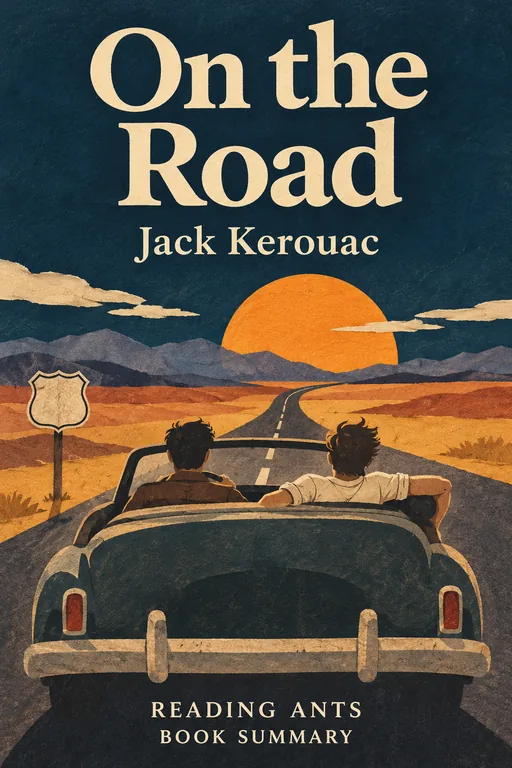
On the Road
Jack Kerouac
A young writer named Sal Paradise hitchhikes and drives across America and into Mexico with his exuberant, restless friend Dean Moriarty, searching for kicks, meaning and a sense of belonging.
📜 Classics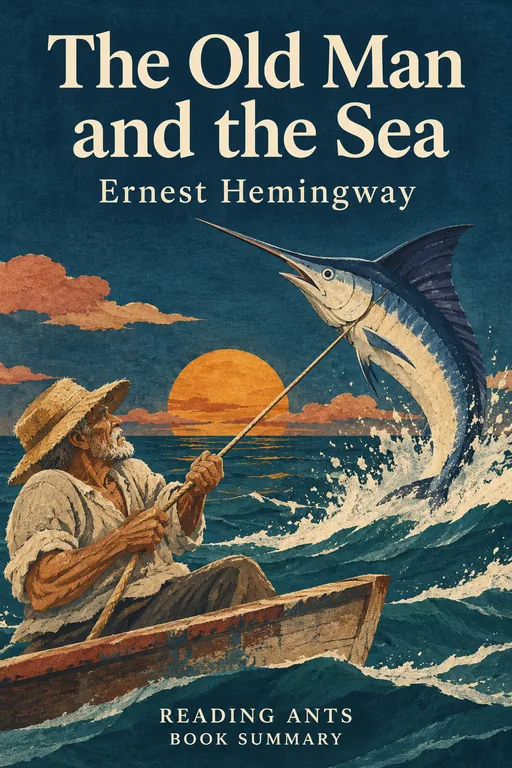
The Old Man and the Sea
Ernest Hemingway
An old Cuban fisherman who has gone eighty-four days without a catch hooks a giant marlin far out at sea and fights it for three days, only to lose it to sharks, yet he returns home undefeated in spirit.
📜 Classics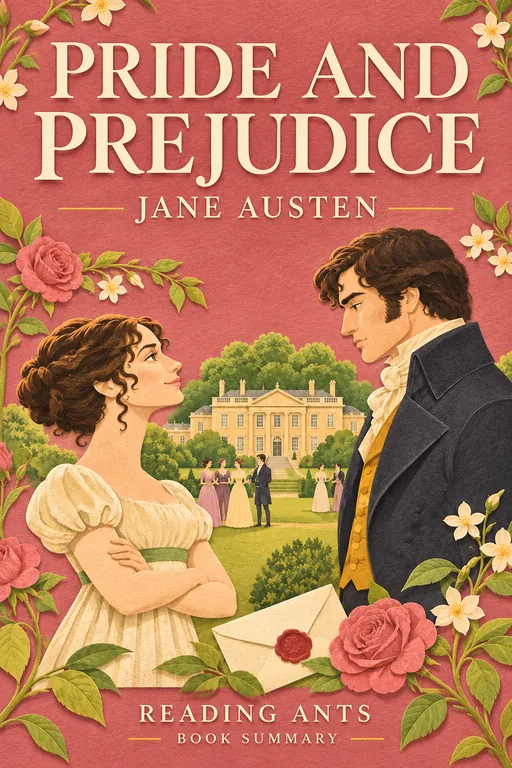
Pride and Prejudice
Jane Austen
Quick-witted Elizabeth Bennet and the proud, wealthy Mr. Darcy badly misjudge each other, and only by facing their own faults do they find their way to love.
📜 ClassicsWant something different?
Pick another topic and we will show you three books to start with.