 Reading Ants
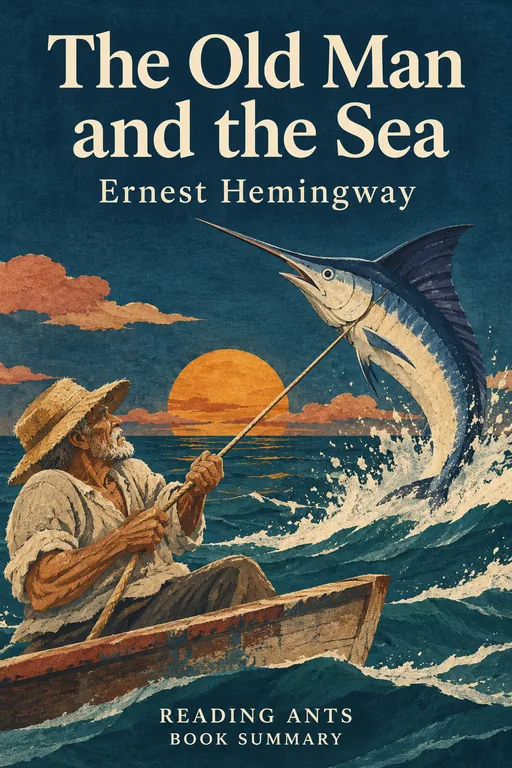
The Old Man and the Sea
An old Cuban fisherman who has gone eighty-four days without a catch hooks a giant marlin far out at sea and fights it for three days, only to lose it to sharks, yet he returns home undefeated in spirit.
Overview
The Old Man and the Sea is a short novel by Ernest Hemingway, published in 1952. It tells a simple story about Santiago, an aging fisherman in a small village near Havana, Cuba. He has had terrible luck: eighty-four days without catching a fish. The boy who used to fish with him, Manolin, has been sent by his parents to a luckier boat, but he still loves and helps the old man. On the eighty-fifth day, Santiago rows far out into the Gulf Stream, determined to change his luck. What follows is an epic struggle between a man and a great fish. Written in Hemingway’s famously plain, powerful style, the story won the Pulitzer Prize and helped him win the Nobel Prize in Literature.
Main Characters
- Santiago: an old, poor but proud and skillful fisherman.
- Manolin: a loyal young boy who loves Santiago like a grandfather.
- The marlin: a magnificent giant fish, Santiago’s worthy opponent.
- The sharks: predators that attack Santiago’s catch.
- The fishermen of the village: some mock Santiago, while others quietly respect him.
Full Summary
Eighty-Four Days
Santiago is a thin, weathered old man with deep wrinkles and scarred hands, but his eyes are cheerful and undefeated. He has gone eighty-four days without catching a fish, and the other fishermen consider him unlucky. For the first forty days, the boy Manolin fished with him, but then the boy’s parents made him join another boat. Still, Manolin visits Santiago every evening, brings him food and bait and talks with him about baseball, especially the great Joe DiMaggio, whom Santiago admires. Santiago lives in a simple shack and dreams at night of lions playing on the beaches of Africa, which he saw as a young sailor.
Far Out at Sea
On the eighty-fifth day, Santiago rows his small skiff out before dawn, farther from shore than the other fishermen. Around noon, a huge fish takes his bait deep below the surface. It is so strong that it begins pulling the boat out to sea. Santiago holds the line across his back and shoulders, refusing to let go, though it cuts into his hands.
The Struggle
For two days and nights the fish tows the skiff. Santiago is alone, tired and hungry. He eats raw fish to keep up his strength, talks to himself and to the birds, and wishes the boy were with him. His left hand cramps painfully. He feels respect and even love for the fish, calling it his brother, but he is determined to kill it. He reminds himself of his strength as a young man, when he once won an arm-wrestling match that lasted a whole day and night.
On the second morning the fish suddenly rises from the water for the first time: a magnificent marlin, longer than the boat itself. Santiago has never seen a fish so big.
Victory
On the third day, the marlin begins circling the boat. Exhausted and dizzy, Santiago gathers all his remaining strength and drives his harpoon into the fish’s heart. He has won. The marlin is too large to fit in the skiff, so he lashes it to the side of the boat and sets sail for home, imagining how much money the fish will bring at the market.
The Sharks
An hour later, the first shark arrives, drawn by the marlin’s blood in the water. Santiago kills it with his harpoon, but loses the harpoon. More sharks come. He fights them with a knife tied to an oar, then with a club and finally with the tiller of the boat, killing several. But each shark tears away more of the marlin’s flesh. Santiago apologizes to the fish for going out so far. He tells himself that a man may be destroyed, but his spirit need never be beaten. By the time he reaches the harbor at night, only the marlin’s head, tail and enormous skeleton remain.
Return
Santiago drags his mast up the hill to his shack, falling several times from exhaustion, and collapses into sleep. In the morning, the fishermen gather around his boat and measure the skeleton in amazement: it is eighteen feet long. Manolin finds Santiago asleep and cries when he sees the old man’s wounded hands. He brings him coffee and tells him that from now on, they will fish together again, whatever his parents say.
Tourists at a café see the skeleton and mistake it for a shark’s. Santiago sleeps on, with the boy watching over him, dreaming again about the lions.
Why It Matters
The Old Man and the Sea was the last major work of fiction Hemingway published in his lifetime. It was first printed in a single issue of Life magazine, which sold millions of copies in days. It won the Pulitzer Prize for Fiction in 1953, and Hemingway was awarded the Nobel Prize in Literature in 1954, with the Swedish Academy specifically mentioning this book.
The novella is one of the most widely read short works of American fiction, often used in schools because of its simple language and deep themes. Many readers see Santiago’s struggle as a symbol of the human condition: our efforts to achieve great things, our inevitable losses and the dignity we can keep in defeat. It has been adapted into films, including an Oscar-winning animated short.
Key Takeaways
- Courage means never giving up. Santiago keeps fighting despite age, pain and loss.
- Dignity survives defeat. He loses the fish but not his pride or spirit.
- Respect your opponents. Santiago honors the marlin as a noble brother.
- Friendship sustains us. Manolin’s love gives Santiago strength and hope.
- Success can be fleeting. The prize is lost, but the struggle has meaning.
What We Can Learn
Santiago teaches us to persevere. Even after eighty-four days of failure, he goes out again, believing that every day is a new chance. When we face long periods of disappointment, at school, in sports or at work, it helps to keep trying with patience and hope.
The story also shows that how we face challenges matters more than the results. Santiago returns with only a skeleton, but he has shown extraordinary skill and courage. True success is sometimes measured by effort and character, not by rewards.
Finally, Manolin’s loyalty reminds us to care for older people. Their experience and stories are precious, and our support can mean everything to them.
Criticism and Counterpoints
Some critics find the story’s symbolism too obvious, especially the comparisons between Santiago and Christ, such as his wounded hands and the way he carries the mast up the hill like a cross. Others feel the plot is too simple for a novel and that Santiago’s long monologues can become repetitive.
Modern readers may also be uncomfortable with the novel’s celebration of killing a magnificent animal, and its very masculine view of courage and struggle. Supporters argue that the story’s simplicity and emotional power are exactly what make it a classic.
Who Should Read It
This short book suits readers from about 12 upward and can be read in an afternoon. Its simple language makes it a good introduction to Hemingway. Readers who enjoy stories of endurance, nature and quiet heroism will find it moving.
Want the whole book?
A summary is a taste, not the meal. Here is where to find the full book.
You reached the end 🎉
Nicely done. Mark this one as read, and we will suggest what to read next.
Read this next
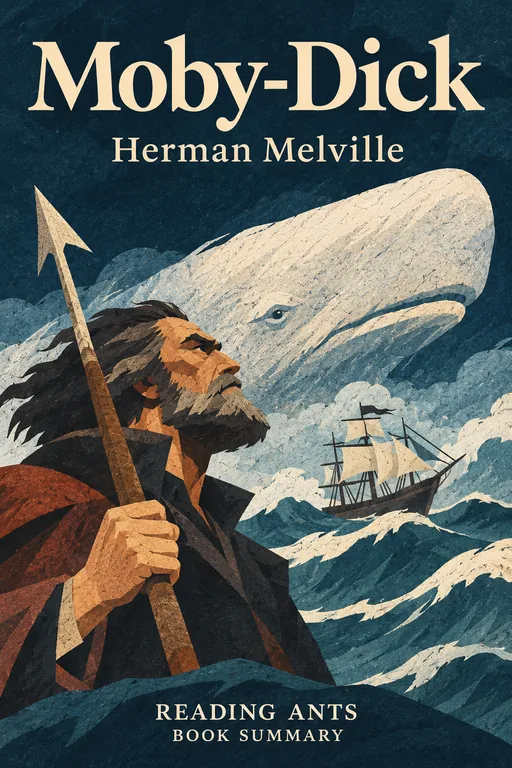
Moby-Dick
Herman Melville
A young sailor joins a whaling voyage and discovers that its captain is obsessed with hunting down the giant white whale that bit off his leg, a quest for revenge that leads the whole crew to destruction.
📜 Classics
The Call of the Wild
Jack London
Buck, a big, pampered dog stolen from his comfortable California home, is sold into the freezing Yukon gold rush as a sled dog, where he learns to survive and eventually answers the call of the wild.
📜 Classics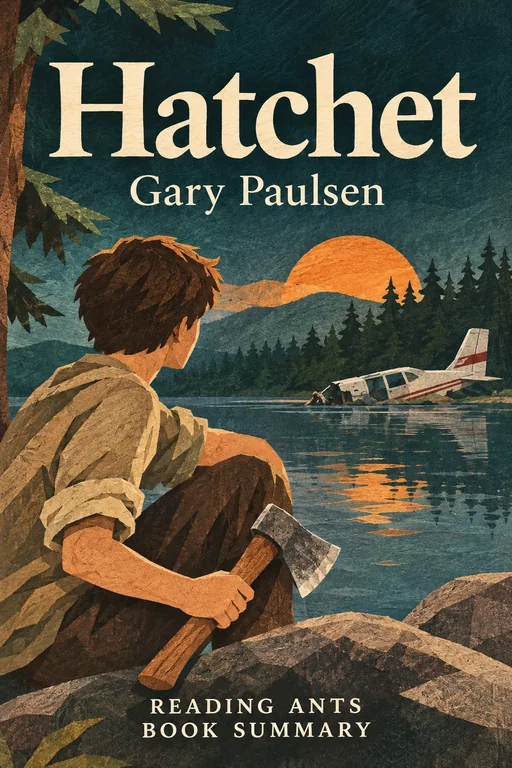
Hatchet
Gary Paulsen
After a plane crash leaves him alone in the Canadian wilderness with only a hatchet, a thirteen-year-old boy must learn to survive, and grows from a frightened city kid into a patient, resourceful young man.
🧸 Children's Books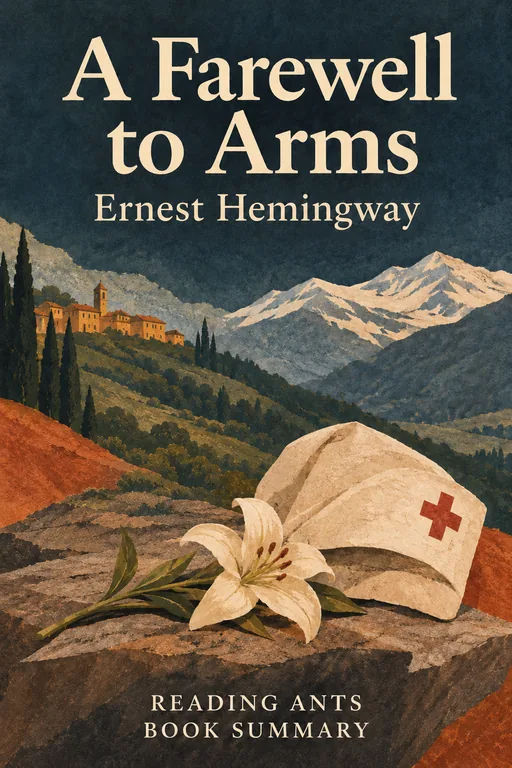
A Farewell to Arms
Ernest Hemingway
An American ambulance driver in the Italian army during World War I falls in love with a British nurse, deserts the war and escapes with her to Switzerland, only to lose her in childbirth.
📜 Classics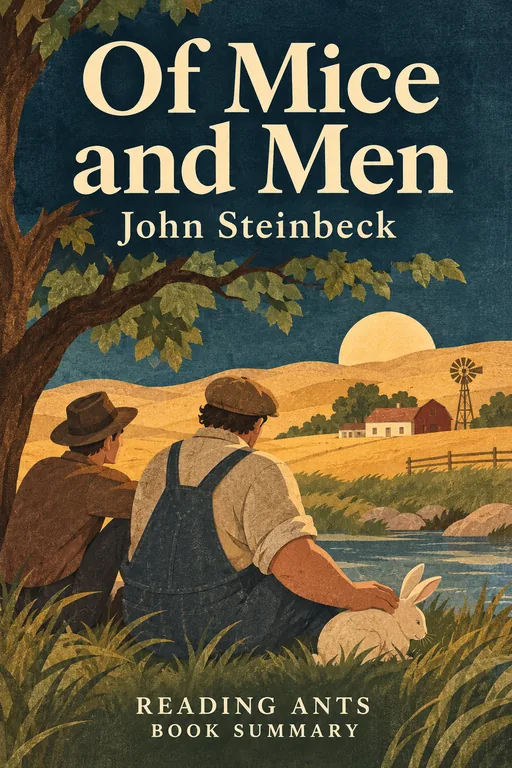
Of Mice and Men
John Steinbeck
Two traveling farmworkers during the Great Depression, quick-witted George and the huge, gentle but mentally disabled Lennie, dream of owning their own small farm, but their dream ends in tragedy.
📜 Classics
Pride and Prejudice
Jane Austen
Quick-witted Elizabeth Bennet and the proud, wealthy Mr. Darcy badly misjudge each other, and only by facing their own faults do they find their way to love.
📜 ClassicsWant something different?
Pick another topic and we will show you three books to start with.