 Reading Ants
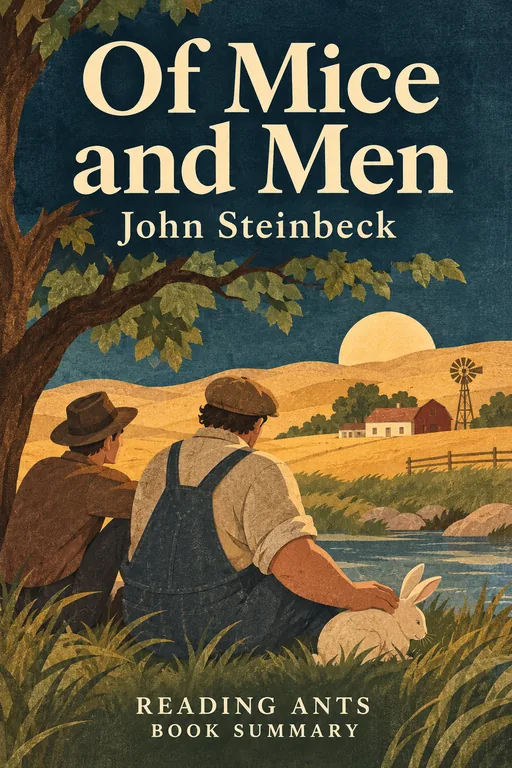
Of Mice and Men
Two traveling farmworkers during the Great Depression, quick-witted George and the huge, gentle but mentally disabled Lennie, dream of owning their own small farm, but their dream ends in tragedy.
Overview
Of Mice and Men is a short novel by John Steinbeck, published in 1937, during the Great Depression in the United States. George Milton and Lennie Small are migrant workers who travel from ranch to ranch in California looking for work. Lennie is enormously strong but has an intellectual disability, and he loves to pet soft things, though he often doesn’t know his own strength. George looks after him. Unlike other lonely ranch workers, they have each other and a shared dream: to save enough money to buy a little farm, where Lennie can tend rabbits. Steinbeck wrote the book so it could easily be performed as a play, and it became one of the most widely read American novels.
Main Characters
- George Milton: a small, sharp, hardworking man who cares for Lennie.
- Lennie Small: a huge, childlike man who loves soft things.
- Candy: an old ranch worker who lost a hand.
- Curley: the boss’s aggressive, jealous son.
- Curley’s wife: a lonely young woman, never given a name.
- Slim: a wise, respected mule driver.
- Crooks: the Black stable worker, isolated by racism.
- Carlson: a blunt ranch worker.
Full Summary
By the River
George and Lennie camp by a peaceful river on their way to a new job at a ranch near Soledad, California. They had to flee their last job in a town called Weed after Lennie touched a woman’s red dress and, frightened when she screamed, held on, and she accused him of attacking her. George finds Lennie carrying a dead mouse he has been petting and throws it away. He tells Lennie that if he ever gets into trouble, he should come back to this spot and hide in the bushes.
Lennie begs George to tell him about their dream: one day they will have a little house and a few acres, with a garden, chickens and rabbits, which Lennie will take care of. They will live off the land and be free.
The Ranch
At the ranch, they meet the other workers. Candy, an old man with one hand, sweeps the bunkhouse and owns an old, smelly dog. Curley, the boss’s son, is a small, aggressive man who likes to pick fights with bigger men, and he immediately dislikes Lennie. Curley’s wife flirts with the men and wanders around looking for company, which worries George. He warns Lennie to stay away from her.
Slim, the respected mule driver, gives Lennie a puppy from his dog’s new litter. Carlson complains about Candy’s old dog and finally persuades Candy to let him shoot it. Candy sadly agrees, and later says he should have shot the dog himself instead of letting a stranger do it.
A Shared Dream
Candy overhears George and Lennie talking about their farm. He offers to give them his savings, almost enough to buy a small farm George knows about, if they will let him live with them. Suddenly, the dream seems possible. The three men plan to buy it after one more month of work.
Curley, angry and looking for someone to hit, attacks Lennie, punching him in the face. Lennie, frightened, does nothing until George tells him to fight back. Then he grabs Curley’s fist and crushes his hand. Slim persuades Curley to say his hand was caught in a machine, so Lennie and George won’t lose their jobs.
Crooks
One night, Lennie wanders into the room of Crooks, the Black stable worker, who lives alone because the white workers won’t let him sleep in the bunkhouse. Crooks, bitter and lonely, at first tells Lennie to leave, then talks about how hard it is to have no one to talk to. When he hears about the farm, he says that many men have that dream, but none ever get it. When Candy joins them, Crooks even asks if he can come and work on the farm.
Curley’s wife appears, mocking them as the weak ones left behind. When Crooks tells her to leave, she threatens him with violence, reminding him that a word from her could get him lynched. Crooks gives up on the dream.
The Barn
The next afternoon, Lennie is alone in the barn, having accidentally killed his puppy by petting it too hard. Curley’s wife comes in. She talks to him about her loneliness and her lost dream of becoming a movie star. When Lennie says he likes soft things, she lets him stroke her hair. He strokes too hard, and she begins to scream. In panic, Lennie tries to quiet her, and accidentally breaks her neck. Terrified, he runs to the hiding place by the river, as George told him to.
By the River Again
When the men find her body, Curley gathers a group to hunt down Lennie and kill him. George slips away and finds Lennie by the river first. Lennie is afraid George will be angry, but George gently tells him about the farm again: the little house, the rabbits, the life they would have shared. As Lennie looks across the river, imagining it, George shoots him in the back of the head, to spare him a crueler death at the hands of Curley’s mob.
The other men arrive. Slim understands what George has done and leads him away, saying he had to do it. Carlson and Curley watch them go, not understanding why George seems so upset.
Why It Matters
Of Mice and Men is one of the most widely read American novels and a staple of high school classes around the English-speaking world. Steinbeck, who worked on ranches himself, captured the loneliness and hardship of migrant workers during the Great Depression. He later won the Nobel Prize in Literature in 1962.
The title comes from a poem by the Scottish poet Robert Burns, about how even the best-laid plans of mice and men often go wrong. The novel has been adapted many times for stage and film. It has also been one of the most frequently challenged books in American schools, because of its language, racial slurs and violence, which has kept it at the center of debates about what students should read.
Key Takeaways
- Friendship is precious. George and Lennie’s bond is rare in a lonely world.
- Dreams give hope. The farm keeps the men going, even if it never comes true.
- Loneliness is everywhere. Crooks, Candy and Curley’s wife are all isolated.
- The weak are vulnerable. Society offers little protection to people like Lennie and Crooks.
- Plans often go wrong. Life can crush even simple, modest dreams.
What We Can Learn
The novel reminds us of the importance of companionship. George and Lennie face hard times, but they have each other. Reaching out to people who seem alone, like the old, the disabled or the excluded, can make a real difference.
It also challenges us to think about how society treats vulnerable people. Lennie, Crooks and Candy are mistreated because of disability, race and age. Treating everyone with dignity and fairness is a responsibility we all share.
Finally, the story shows the value of having dreams, even in hard times. Hope keeps people going, and supporting each other’s dreams makes life more meaningful.
Criticism and Counterpoints
The novel contains racial slurs and portrays Crooks’s isolation in ways that some readers find painful, and it has been challenged in schools for its language and violence. Its portrayal of Lennie’s disability has also been discussed, with some critics arguing that he is shown mainly as a danger and a burden, and that the story’s tragic ending suggests there is no place for him in society.
Curley’s wife, the only woman in the story, is not given a name and is seen mostly as a temptation and a cause of trouble, which many critics consider a limitation, though Steinbeck does give her a moving scene about her lost dreams. Some readers also find the plot predictable, since early events clearly hint at the ending.
Who Should Read It
This short novel suits readers from about 13 upward and is often taught in schools. It can be read in a few hours but leaves a lasting impression. Readers should be prepared for an emotional and tragic ending.
Want the whole book?
A summary is a taste, not the meal. Here is where to find the full book.
You reached the end 🎉
Nicely done. Mark this one as read, and we will suggest what to read next.
Read this next
The Grapes of Wrath
John Steinbeck
Driven off their Oklahoma farm by drought and the banks during the Great Depression, a poor family travels west to California in search of work, only to find exploitation and hunger, yet they hold on to their dignity and compassion.
📜 Classics
East of Eden
John Steinbeck
Over several decades in California's Salinas Valley, the Trask and Hamilton families repeat the Bible's story of Cain and Abel, and the novel asks whether people are doomed by their inheritance or can choose their own path.
📜 Classics
To Kill a Mockingbird
Harper Lee
In a small Alabama town in the 1930s, young Scout Finch watches her father, a lawyer, defend a Black man falsely accused of a crime, and learns hard lessons about prejudice, courage and seeing the world through other people's eyes.
📜 Classics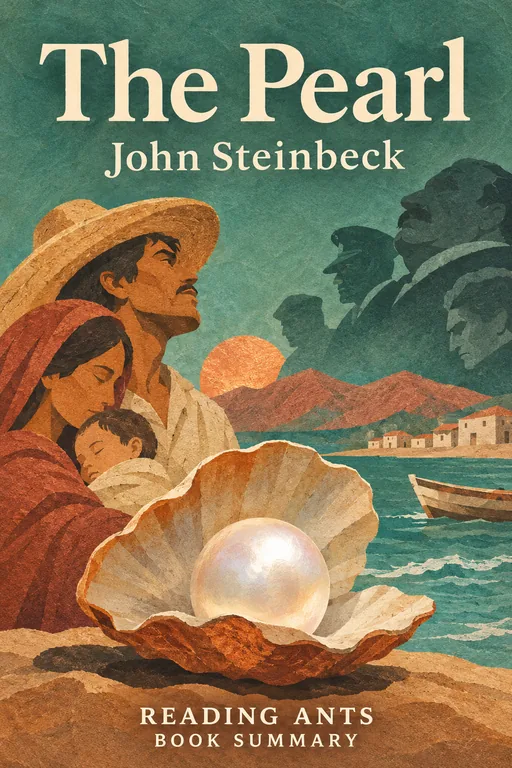
The Pearl
John Steinbeck
A poor Mexican pearl diver finds an enormous pearl that he hopes will change his family's life, but the greed and cruelty it awakens in others bring disaster.
📜 Classics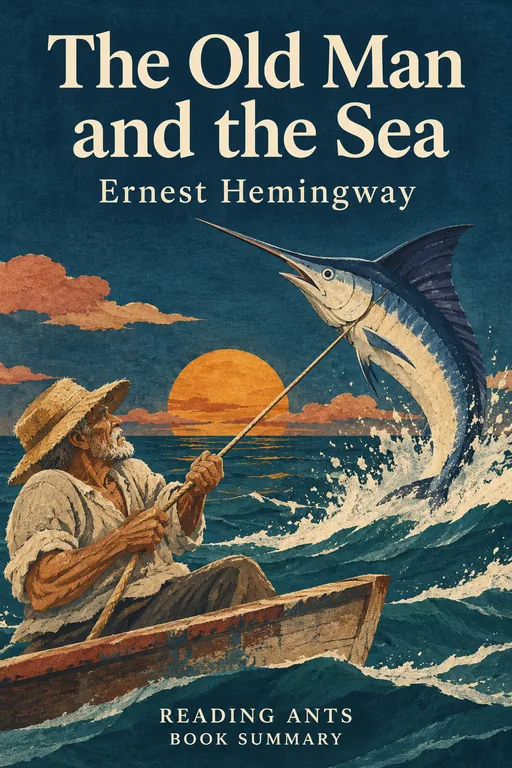
The Old Man and the Sea
Ernest Hemingway
An old Cuban fisherman who has gone eighty-four days without a catch hooks a giant marlin far out at sea and fights it for three days, only to lose it to sharks, yet he returns home undefeated in spirit.
📜 Classics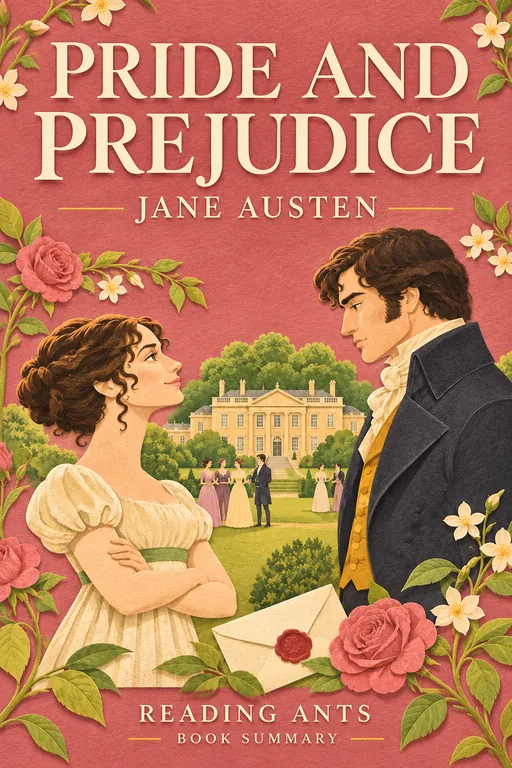
Pride and Prejudice
Jane Austen
Quick-witted Elizabeth Bennet and the proud, wealthy Mr. Darcy badly misjudge each other, and only by facing their own faults do they find their way to love.
📜 ClassicsWant something different?
Pick another topic and we will show you three books to start with.