 Reading Ants
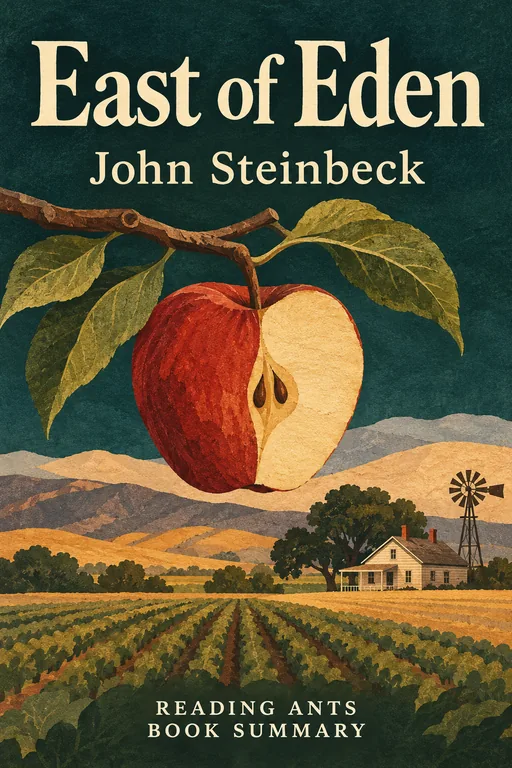
East of Eden
Over several decades in California's Salinas Valley, the Trask and Hamilton families repeat the Bible's story of Cain and Abel, and the novel asks whether people are doomed by their inheritance or can choose their own path.
Overview
East of Eden is a novel by John Steinbeck, published in 1952. He called it his most ambitious and personal book, and wrote it for his young sons. It spans the late nineteenth and early twentieth centuries, and is set in the Salinas Valley of California, Steinbeck’s home region. The story follows two families, the fictional Trasks and the Hamiltons, the latter based on his own mother’s family. Each generation repeats the conflict between brothers, echoing the story of Cain and Abel from Genesis. The novel ends with a question about free will, summed up in a Hebrew word that the characters discuss: “timshel,” meaning “thou mayest.”
Main Characters
- Adam Trask: an idealistic, passive man who dreams of a perfect life in California.
- Charles Trask: Adam’s violent, jealous half-brother.
- Cathy Ames (Kate): a beautiful, manipulative and cruel woman who becomes Adam’s wife.
- Cal (Caleb) and Aron Trask: Adam and Cathy’s twin sons, who look nothing alike: one dark and troubled, one fair and gentle.
- Samuel Hamilton: a warm, wise Irish immigrant farmer and inventor.
- Lee: Adam’s Chinese American servant, who is a philosopher and a true friend.
- Abra Bacon: Aron’s girlfriend, who comes to love Cal.
Full Summary
The Two Families
The book begins with a description of the Salinas Valley, then follows two families. Samuel Hamilton, an Irish immigrant, settles on poor land with his wife, and they have many children. He is a skilled man who fixes machines and helps neighbors, and the family is poor but happy. At the same time, in Connecticut, Adam Trask grows up with his half-brother Charles, who is jealous of his father’s love for Adam. Charles once beats Adam almost to death, and their father, a stern former soldier, sends Adam into the army.
Cathy
Cathy Ames is a girl who is manipulative and without conscience. She tricks and ruins people around her, including a teacher, and sets fire to her own home, leaving her parents dead. She marries Adam, who thinks she is an angel, but is also involved with Charles, so that it is uncertain who fathered her twins. After she gives birth to twins, she shoots Adam in the shoulder when he tries to stop her, and leaves him and the babies, running away to become a prostitute and later the owner of a brothel in Salinas, under the name Kate.
Adam’s Collapse and the Twins
Adam, who has moved to the Salinas Valley and bought land, is shattered by Cathy’s departure and sinks into depression. For a year, he neglects his sons, who are unnamed. Samuel Hamilton, who is a friend, and Lee, the family’s servant, persuade him to give them names, and the boys are named Caleb and Aron, with Lee’s help. Lee, who is educated, raises the boys, and he and Samuel discuss the Genesis story, and the Hebrew word “timshel,” which Lee interprets as meaning that each person can choose between good and evil.
The Brothers
As the boys grow up, Aron is the gentle, favored child, good-looking and idealistic, and Cal is dark and secretly scheming. Adam, inspired by Samuel’s inventiveness, tries to ship lettuce packed in ice to eastern markets, but the shipment is ruined and he loses most of his fortune, and the boys are teased at school. Cal fears that he has inherited his mother’s evil. He discovers that she is still alive and runs a brothel, and he visits her. Aron, who has fallen in love with Abra, does not want to know. Cal wants to win his father’s love, and decides to make money, to make up for his father’s loss in the failed lettuce venture, by going into business with a friend, speculating on beans during the war.
The Gift and the Rejection
Cal offers his father the profits at Thanksgiving, hoping to earn his approval. But Adam, who hates the war, refuses to accept money earned in that way, and rejects the gift. Enraged and hurt, Cal takes Aron to see their mother, and shows him that she is a prostitute. Aron, devastated, enlists in the army and goes off to war. Cathy, who feels herself cornered, kills herself, leaving her money to Aron.
Timshel
Aron is killed in the war. Adam suffers a stroke on hearing the news, and lies near death. Lee begs him to give his remaining son a blessing, and Adam, with great effort, whispers “Timshel,” and the word is understood to forgive Cal and to say that he has the power to choose. The book ends with the possibility that Cal can overcome his inheritance, and with Adam’s silent blessing.
Why It Matters
East of Eden is regarded as one of Steinbeck’s major works, alongside The Grapes of Wrath. Steinbeck, who won the Nobel Prize in 1962, thought that it was the best thing he had done. It was adapted into a 1955 film directed by Elia Kazan, which introduced James Dean to the world.
The novel’s big themes, free will, guilt, love and the struggle with evil, are told through a family saga that holds the readers’ attention. Its chapter on the meaning of “timshel,” about freedom of choice, is often quoted.
Key Takeaways
- We have the power to choose. “Timshel” suggests that people are not doomed.
- Rejection hurts deeply. Cal’s need for love drives his actions.
- Evil exists, but it is not destiny. Cal struggles against it.
- Friendship and wisdom guide. Lee and Samuel help the family.
- Families repeat patterns. Each generation faces the same conflicts.
What We Can Learn
The novel suggests that although we inherit traits and wounds from our families, we are not bound to repeat them. Cal’s fear of being evil is answered by the idea that he may choose a different way, which is a hopeful message for anyone who worries about their past.
It also shows the importance of giving love and approval to children. Adam’s coldness toward Cal and favoritism toward Aron contribute to the tragedy.
Finally, Lee’s character reminds us that wisdom and loyalty can come from those who are overlooked.
Criticism and Counterpoints
Some critics think that the novel is too long and loosely structured, with lengthy digressions, and that the Cathy plot is melodramatic, since she is almost a pure villain without explanation. Others criticize Steinbeck’s portrayal of women, who are often either saints or monsters, and the representation of Lee, whose English is stylized, and whose character may be seen as an Asian stereotype, although others see him as dignified.
Some feel that the Cain and Abel allegory is heavy-handed. The book received mixed reviews on publication but has since gained admirers. Many readers are deeply moved by it.
Who Should Read It
This book suits mature readers. It is long, with violence, a brothel and a suicide, but it is compelling. Readers who enjoy family sagas and big questions will find it rewarding.
Want the whole book?
A summary is a taste, not the meal. Here is where to find the full book.
You reached the end 🎉
Nicely done. Mark this one as read, and we will suggest what to read next.
Read this next
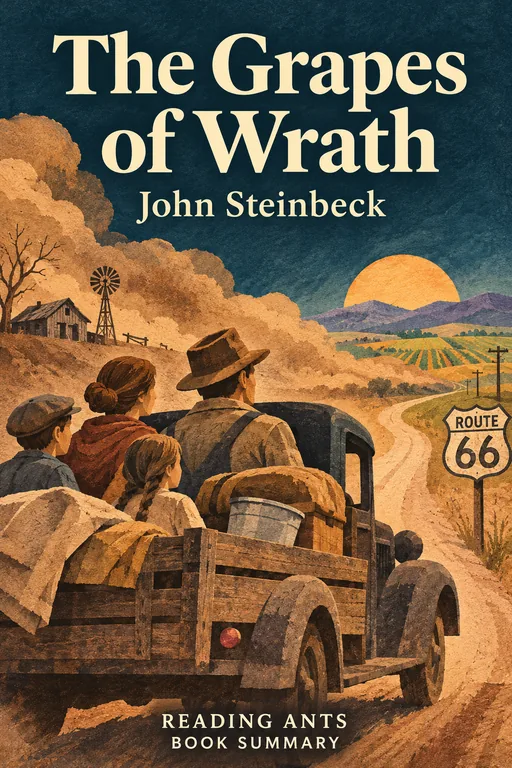
The Grapes of Wrath
John Steinbeck
Driven off their Oklahoma farm by drought and the banks during the Great Depression, a poor family travels west to California in search of work, only to find exploitation and hunger, yet they hold on to their dignity and compassion.
📜 Classics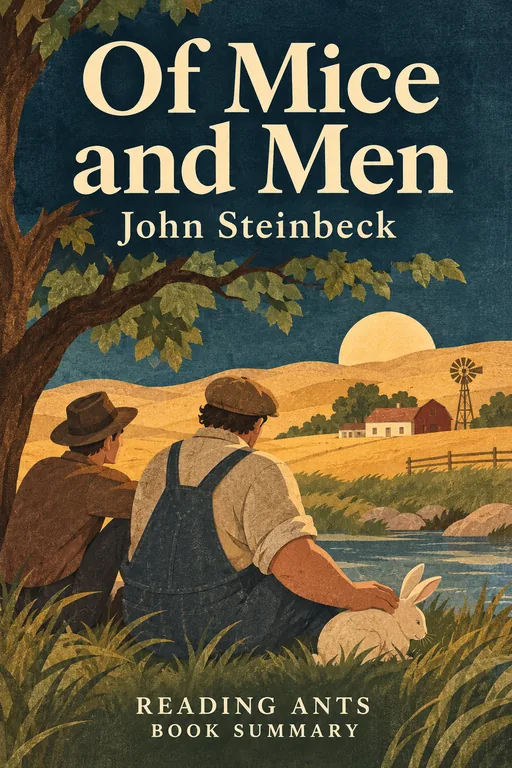
Of Mice and Men
John Steinbeck
Two traveling farmworkers during the Great Depression, quick-witted George and the huge, gentle but mentally disabled Lennie, dream of owning their own small farm, but their dream ends in tragedy.
📜 Classics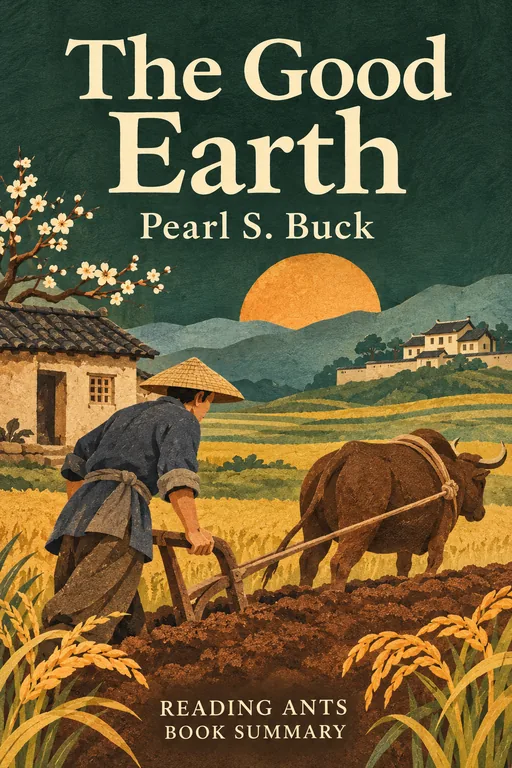
The Good Earth
Pearl S. Buck
A poor Chinese farmer named Wang Lung rises from poverty to wealth through hard work and his love of the land, but his prosperity brings new troubles, and his children turn away from the earth that made them.
📜 Classics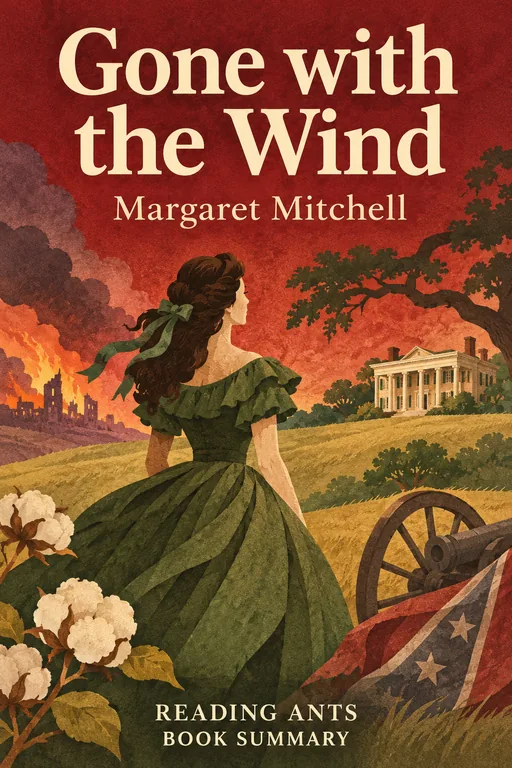
Gone with the Wind
Margaret Mitchell
Scarlett O'Hara, a headstrong Georgia belle, fights to save her family plantation through the Civil War and Reconstruction, while pursuing the wrong man and losing the right one.
📜 Classics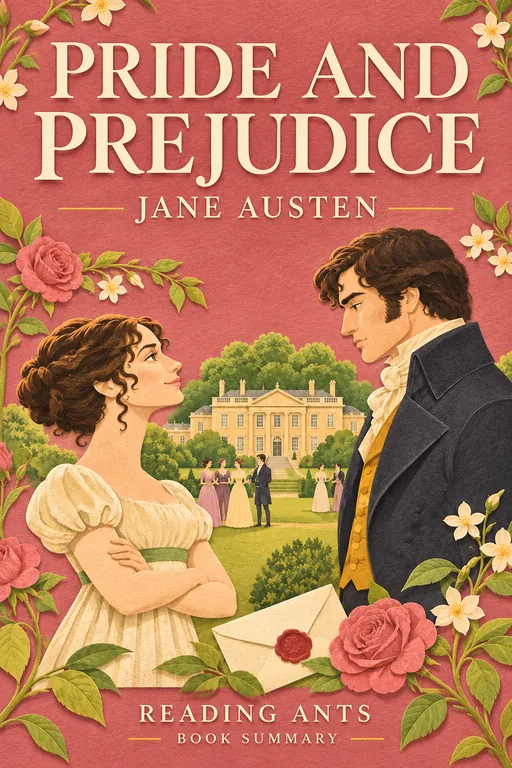
Pride and Prejudice
Jane Austen
Quick-witted Elizabeth Bennet and the proud, wealthy Mr. Darcy badly misjudge each other, and only by facing their own faults do they find their way to love.
📜 Classics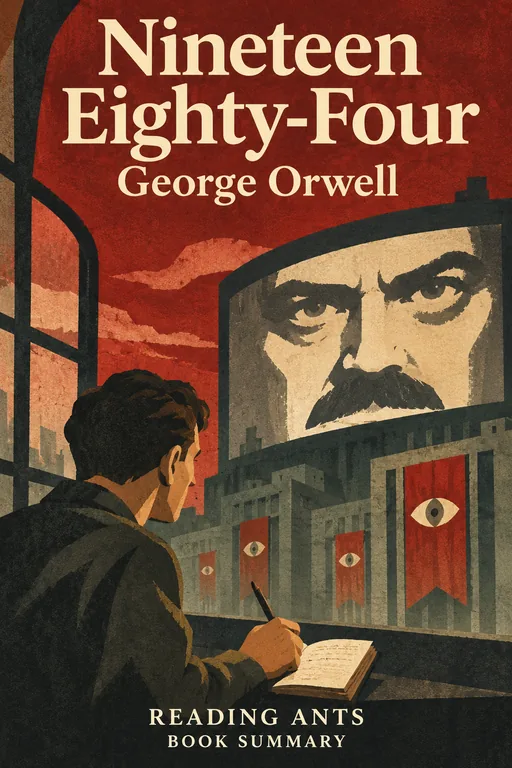
Nineteen Eighty-Four
George Orwell
In a future Britain ruled by an all-seeing Party, one man secretly rebels by keeping a diary and falling in love, and discovers just how completely a totalitarian state can crush the human mind.
📜 ClassicsWant something different?
Pick another topic and we will show you three books to start with.