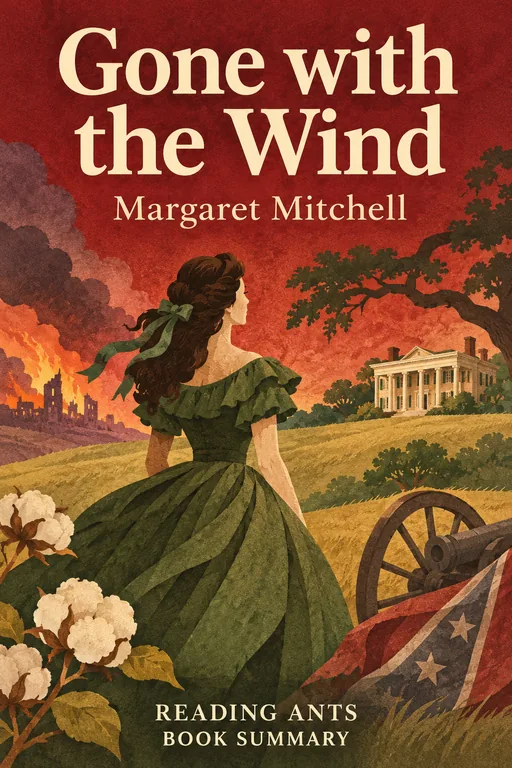
Gone with the Wind
Scarlett O'Hara, a headstrong Georgia belle, fights to save her family plantation through the Civil War and Reconstruction, while pursuing the wrong man and losing the right one.
Overview
Gone with the Wind is a historical novel by Margaret Mitchell, published in 1936. It was the only novel she published in her lifetime, and it won the Pulitzer Prize in 1937. It is set in Georgia, mostly in Atlanta and on the plantation Tara, from 1861 to the Reconstruction period after the Civil War. Mitchell wrote it from a Southern white perspective, drawing on family stories and the “Lost Cause” idea that romanticizes the old South. The book is long, around a thousand pages, with a strong heroine who is selfish and brave. It was adapted into the famous 1939 film. It is both a landmark of popular fiction and a deeply controversial book.
Main Characters
- Scarlett O’Hara: the spoiled, beautiful, determined daughter of a plantation owner who learns to survive at any cost.
- Rhett Butler: a charming, cynical blockade runner and speculator who loves Scarlett.
- Ashley Wilkes: a gentle, dreamy gentleman whom Scarlett adores.
- Melanie Hamilton: Ashley’s kind, brave wife, who is loyal to Scarlett.
- Gerald and Ellen O’Hara: Scarlett’s father and mother.
- Mammy: the O’Hara family’s enslaved house servant, who raises Scarlett.
- Bonnie Blue Butler: Scarlett and Rhett’s daughter.
Full Summary
Before the War
In April 1861, on the eve of the Civil War, sixteen-year-old Scarlett O’Hara flirts with all the young men of the county. She is in love with Ashley Wilkes, but hears that he plans to marry his cousin Melanie Hamilton. At a barbecue at the Wilkes plantation, she throws herself at Ashley, who gently refuses, and is observed by Rhett Butler, a man with a bad reputation. In anger and spite, she marries Melanie’s brother, Charles Hamilton, who soon goes to war and dies of disease, leaving her a young widow with a child.
Atlanta
Bored by widowhood, Scarlett goes to live with Melanie in Atlanta, where she works in a hospital and meets Rhett again. He is a blockade runner who is making a fortune from the war, and he teases and admires her. When Ashley comes home on leave, Scarlett confesses her love, but he is loyal to Melanie. As the Union army approaches, Atlanta falls under siege, and Melanie goes into labor. Scarlett, who has promised to take care of her, delivers the baby, then escapes the burning city with her, the baby and a maid in a rickety wagon, helped by Rhett, who leaves them partway to join the army.
Tara in Ruins
When Scarlett returns to Tara, she finds her mother dead, her father in a daze, and the fields stripped. She vows never to go hungry again. She works in the fields, kills a Yankee deserter who threatens her, and rallies the household to survive. When taxes are raised on the land, she needs money, and decides to marry Frank Kennedy, her sister’s fiancé, who owns a store, to pay them.
Reconstruction
After the war, Scarlett runs Frank’s store and buys a sawmill, against the conventions of her time, often by shrewd or ruthless bargaining. She hires convicts for her mill, and she is attacked on a road, which leads Frank and others to a raid on the shantytown, in which Frank is killed. Rhett, who has made another fortune, then proposes to the newly widowed Scarlett, and she, for the sake of security, accepts.
Marriage and Loss
Scarlett and Rhett have a daughter, Bonnie, whom he adores. Their marriage is troubled by Scarlett’s longing for Ashley, and by Rhett’s resentment, and once in a drunken rage, he carries her upstairs and takes her against her resistance, an act of marital sexual violence that the novel frames romantically; he gives no apology. Scarlett has a miscarriage after a quarrel, which deepens the gulf between them. Later, Bonnie dies in a riding accident, and Rhett, crushed, is unable to face his wife.
The End
Melanie, who is frail, dies after a pregnancy. On her deathbed, she asks Scarlett to look after Ashley. Scarlett realizes that she never loved Ashley, but a dream of him, and that her real love is for Rhett. She runs home to tell him, but he says that he is finished. He is tired of trying, and leaves her with a famously blunt remark that he doesn’t care. Scarlett, alone, decides that she will think about it tomorrow, at Tara, when she can bear it, and that tomorrow is another day.
Why It Matters
Gone with the Wind was one of the best-selling novels of all time, and its 1939 film adaptation, starring Vivien Leigh and Clark Gable, won eight competitive Academy Awards, plus two honorary ones. It shaped many people’s image of the Civil War and the South, and it has remained in print since publication. Scarlett O’Hara is among the best-known heroines in fiction, a survivor who is selfish and strong.
The book is also an important case in debates about how racism has been depicted in popular culture, and it has led to reconsideration of how classics should be taught and contextualized.
Key Takeaways
- Survival requires adaptation. Scarlett changes to meet new conditions.
- Illusions can cost a life. Scarlett’s fixation on Ashley blinds her to Rhett.
- Strength is not the same as goodness. She is brave but selfish.
- Society changes after war. The old order is gone.
- Self-knowledge comes late. Scarlett understands too late.
What We Can Learn
The novel shows how determination can help someone through crisis, but that it can also harden a person. Scarlett’s will to survive is admirable, though it costs her relationships.
It also teaches that nostalgia can mislead. Characters look back to an idealized past and fail to see what is in front of them, and readers must also ask whether the book’s own nostalgia is accurate.
Finally, reading it critically can show how stories shape memory. The book’s picture of slavery as benign has been challenged by historians, and discussing it teaches us to ask whose voices are missing.
Criticism and Counterpoints
Critics have strongly condemned the novel’s portrayal of slavery as gentle, its use of racial slurs and caricatures, such as loyal enslaved people, and its sympathetic treatment of the Ku Klux Klan as protectors. Black writers have pointed to how it falsified history, and Alice Randall’s parody The Wind Done Gone retells the story from the point of view of an enslaved woman. The film has been given content warnings by streaming platforms.
Others note that Scarlett and Rhett’s relationship includes disturbing elements of coercion. Some also find that the length and melodrama detract. Even so, the book remains a cultural landmark that needs to be read with care.
Who Should Read It
This book suits mature teenagers and adults who can read it critically. It is very long and contains racist content and violence. It is best read with context about Reconstruction and with other accounts of the era, including those by Black authors.
Want the whole book?
A summary is a taste, not the meal. Here is where to find the full book.
You reached the end 🎉
Nicely done. Mark this one as read, and we will suggest what to read next.
Read this next
Uncle Tom's Cabin
Harriet Beecher Stowe
A devout, gentle enslaved man named Tom is sold from owner to owner and finally dies at the hands of a brutal master, while other enslaved people try to escape, in a novel that shocked America into facing the cruelty of slavery.
📜 Classics
Beloved
Toni Morrison
A formerly enslaved woman living in Ohio after the Civil War is haunted by the ghost of the daughter she killed to save her from slavery, and by the painful memories she has tried to bury.
✨ Modern Fiction
The Good Earth
Pearl S. Buck
A poor Chinese farmer named Wang Lung rises from poverty to wealth through hard work and his love of the land, but his prosperity brings new troubles, and his children turn away from the earth that made them.
📜 Classics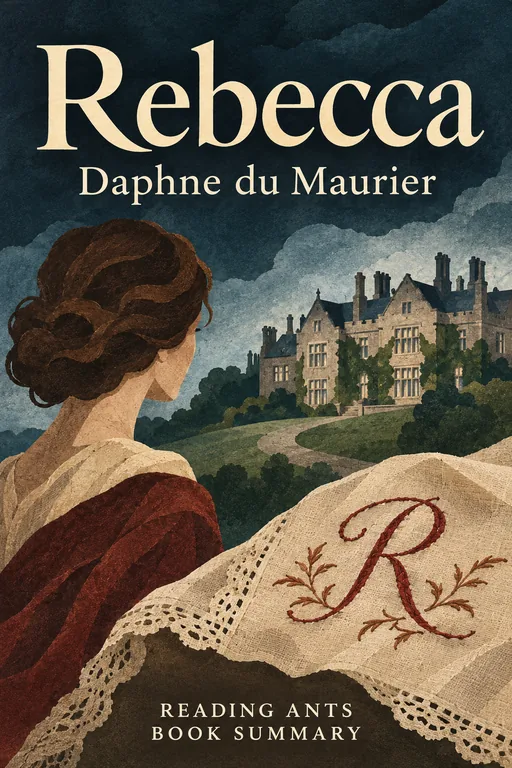
Rebecca
Daphne du Maurier
A shy young woman marries a wealthy widower and moves to his great estate, Manderley, where she is haunted by the memory of his first wife, Rebecca, and slowly learns the truth about her death.
📜 Classics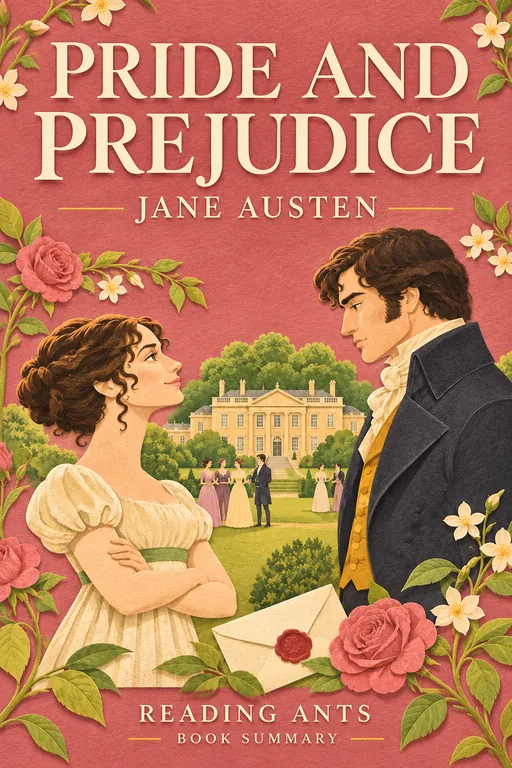
Pride and Prejudice
Jane Austen
Quick-witted Elizabeth Bennet and the proud, wealthy Mr. Darcy badly misjudge each other, and only by facing their own faults do they find their way to love.
📜 Classics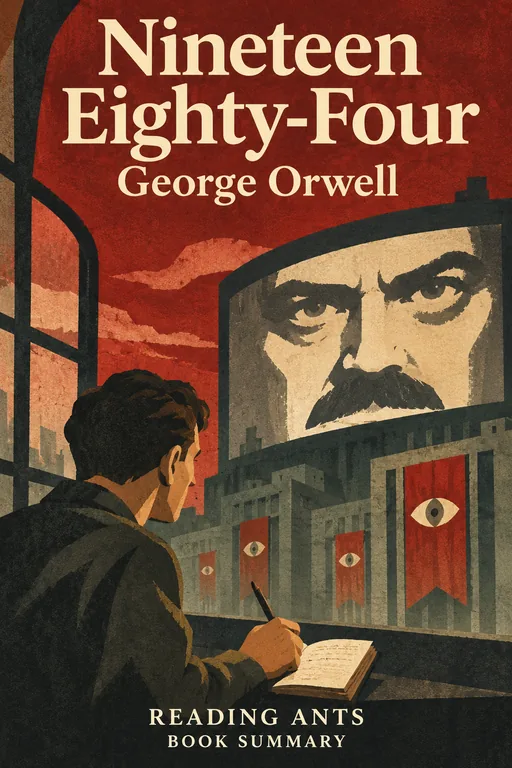
Nineteen Eighty-Four
George Orwell
In a future Britain ruled by an all-seeing Party, one man secretly rebels by keeping a diary and falling in love, and discovers just how completely a totalitarian state can crush the human mind.
📜 ClassicsWant something different?
Pick another topic and we will show you three books to start with.