 Reading Ants
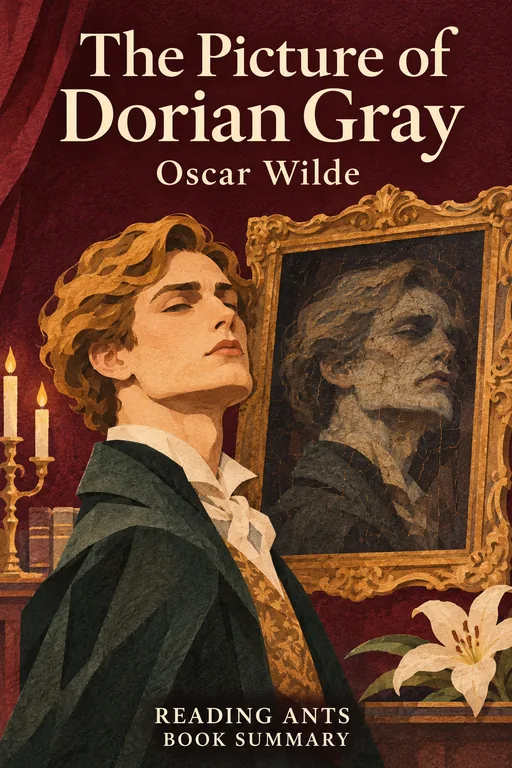
The Picture of Dorian Gray
A beautiful young man wishes that his portrait would grow old instead of him, and as he lives a life of selfish pleasure and cruelty, his face stays perfect while the painting reveals the ugliness of his soul.
Overview
The Picture of Dorian Gray is Oscar Wilde’s only novel, first published in a magazine in 1890 and expanded into a book in 1891. In London’s high society, the painter Basil Hallward creates a stunning portrait of Dorian Gray, a young man of extraordinary beauty. Dorian meets Basil’s witty friend, Lord Henry Wotton, who fills his head with the idea that youth and beauty are the only things worth having, and that life should be devoted to pleasure. Dorian wishes that he could stay young forever while the picture aged. Mysteriously, his wish comes true. A gothic tale of sin and conscience, the novel caused a scandal for its decadence and has fascinated readers ever since.
Main Characters
- Dorian Gray: a strikingly handsome young man who becomes corrupt.
- Basil Hallward: a sincere artist who paints Dorian’s portrait.
- Lord Henry Wotton: a witty, cynical aristocrat who influences Dorian.
- Sibyl Vane: a young actress whom Dorian falls in love with.
- James Vane: Sibyl’s protective brother, a sailor.
- Alan Campbell: a scientist and former friend of Dorian.
Full Summary
The Portrait and the Wish
In his London studio, Basil Hallward finishes a portrait of Dorian Gray, whose beauty has inspired his art. Basil’s friend, Lord Henry, meets Dorian and charms him with dazzling talk: youth is fleeting, beauty is everything, and one should give in to every temptation. When Dorian sees the finished portrait, he realizes that he will grow old while the painting stays young. In despair, he wishes the reverse: that he would remain young and the portrait would age. He says he would give his soul for it.
Sibyl Vane
Dorian falls in love with Sibyl Vane, a poor young actress who plays Shakespeare’s heroines with great talent in a shabby theater. They become engaged. But when Dorian brings Basil and Lord Henry to see her perform, she acts terribly. She explains that, now she knows real love, she can no longer pretend. Dorian, who loved her art rather than her, cruelly rejects her.
When he returns home, he notices that the face in the portrait has changed: there is a cruel twist around its mouth. Frightened, he decides to return to Sibyl and apologize. But the next day, Lord Henry brings news that Sibyl killed herself that night. Under Lord Henry’s influence, Dorian decides to treat her death as a beautiful tragedy rather than his responsibility.
A Hidden Life
Dorian hides the portrait in a locked room at the top of his house. Inspired by a “poisonous” book Lord Henry gives him, he devotes himself to pleasure and new experiences. Over the next eighteen years, he remains as young and beautiful as ever, while dark rumors spread about his influence on young people, many of whom are ruined after knowing him. In secret, he visits the portrait and watches it grow older and more hideous with each sin.
Murder
On the night before Basil leaves for Paris, he visits Dorian to warn him about the terrible rumors. Dorian leads him upstairs and shows him the portrait. Basil is horrified by the monstrous face and begs Dorian to pray. In a sudden rage, Dorian stabs Basil to death.
Dorian blackmails Alan Campbell, a former friend and scientist, into destroying the body using chemicals. Afterward, the portrait’s hands seem stained with blood. Campbell later takes his own life.
James Vane
Seeking to forget, Dorian visits an opium den in the docks of London. There, Sibyl’s brother, James Vane, who has sworn to avenge his sister, hears someone call Dorian “Prince Charming,” Sibyl’s name for him, and attacks him. Dorian saves himself by pointing out that he looks far too young to be the man who knew Sibyl eighteen years ago. Later, James Vane follows Dorian to his country estate, but he is accidentally shot and killed by a hunting party. Dorian feels relieved.
The End of Dorian Gray
Dorian decides to become good. He spares a village girl he could have seduced and hopes the portrait will show improvement. But when he looks, the face shows only a new look of cunning and hypocrisy. He realizes that his good deed was done out of vanity.
In despair, he decides to destroy the painting, the only evidence of his crimes and his conscience. He takes the knife he used to kill Basil and stabs the portrait. The servants hear a terrible cry. When they break in, they find the portrait restored to its original beauty, and on the floor lies a withered, wrinkled, hideous old man with a knife in his heart. Only by his rings do they recognize him as Dorian Gray.
Why It Matters
The Picture of Dorian Gray is one of the most famous gothic novels in English and a key work of the Aesthetic movement, which held that art should be valued for its beauty rather than for moral lessons. Ironically, the novel itself has a strong moral message about the dangers of vanity and selfish pleasure. Its preface, a series of witty statements about art, is often quoted.
When it was published, critics attacked it as immoral, and it was later used as evidence against Wilde in the trials that led to his imprisonment for “gross indecency,” the charge then used against homosexual acts. Today it is admired for its brilliant dialogue and its timeless questions about beauty, youth and conscience. It has been adapted into films, plays and operas, and its central idea, a portrait that ages in place of its subject, has become a famous image in popular culture.
Key Takeaways
- Outer beauty can hide inner corruption. Dorian’s face stays perfect while his soul decays.
- Influence matters. Lord Henry’s ideas lead Dorian toward ruin.
- Our actions leave marks. The portrait shows the true cost of every sin.
- Pleasure without conscience destroys. A life devoted only to pleasure becomes empty.
- We cannot escape ourselves. Dorian’s attempt to destroy his conscience destroys him.
What We Can Learn
The novel warns against valuing appearance above character. In a world of filtered photos and social media, it is easy to focus on looking perfect. Kindness, honesty and responsibility matter far more than how we look.
It also shows how much the people around us can influence our choices. Lord Henry’s clever words lead Dorian astray. Choosing friends who encourage our best selves is important.
Finally, it reminds us to take responsibility for our mistakes rather than hide them. Dorian tries to escape the consequences of his actions, but they catch up with him.
Criticism and Counterpoints
Some readers find the long chapters describing Dorian’s collections of jewels, music and perfumes, along with Lord Henry’s endless clever sayings, slow and self-indulgent. Others see the novel’s moral, that sin destroys the soul, as conventional compared with Wilde’s playful reputation.
When published, the book was criticized as immoral and corrupting, especially for its hints of homosexual feelings between the male characters, which Wilde softened in the revised version. Modern scholars have since published the original, uncensored text. Critics also note that the female characters, like Sibyl, are thinly drawn and mainly serve Dorian’s story.
Who Should Read It
This novel suits older teens and adults who enjoy gothic stories, witty dialogue and moral questions. It is relatively short and very readable. Readers interested in art, beauty and society will find much to think about.
Want the whole book?
A summary is a taste, not the meal. Here is where to find the full book.
You reached the end 🎉
Nicely done. Mark this one as read, and we will suggest what to read next.
Read this next
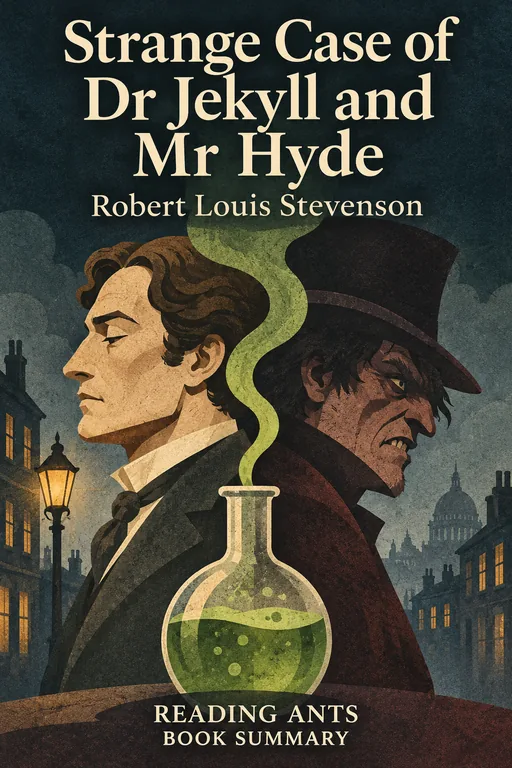
Strange Case of Dr Jekyll and Mr Hyde
Robert Louis Stevenson
A respected London doctor creates a potion that separates his evil side into a separate person, the brutal Mr. Hyde, but the darker self grows stronger until it takes control completely.
📜 Classics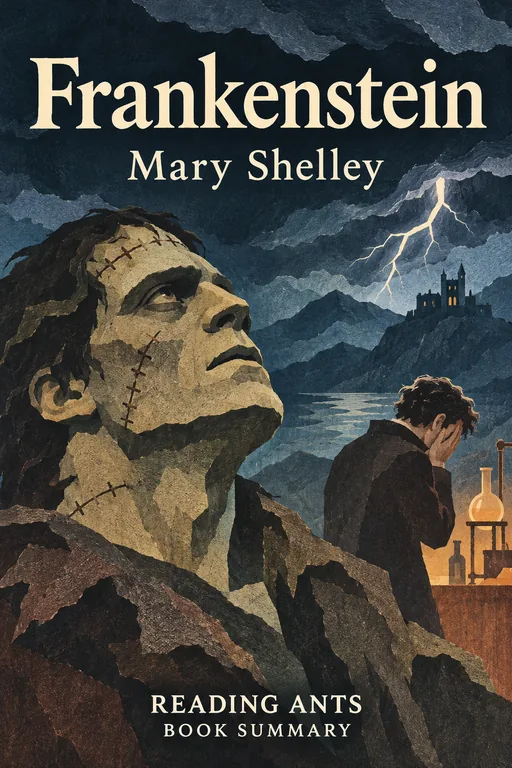
Frankenstein
Mary Shelley
A young scientist creates a living being from dead body parts, then abandons it in horror, and his rejected creation, longing for love, turns to revenge.
🚀 Sci-Fi & Fantasy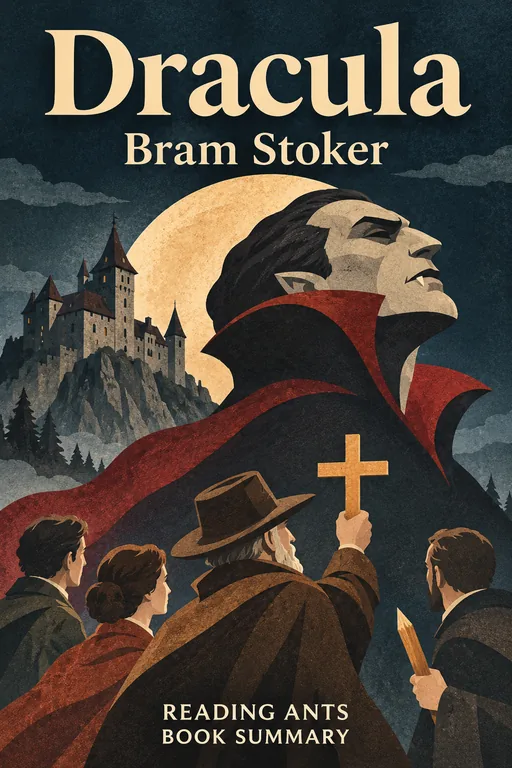
Dracula
Bram Stoker
An ancient vampire count from Transylvania moves to England to spread his curse, and a small band of brave friends, led by a wise Dutch professor, must hunt him down before he destroys them all.
📜 Classics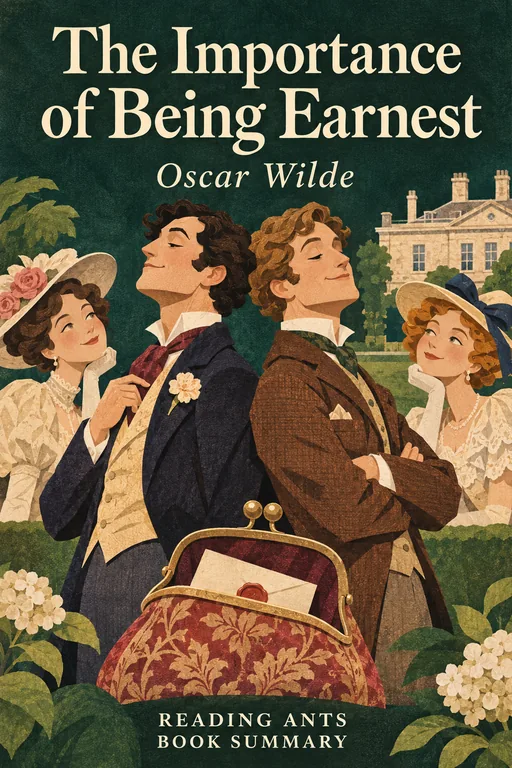
The Importance of Being Earnest
Oscar Wilde
Two wealthy young gentlemen in Victorian England invent fake identities to escape their responsibilities, leading to hilarious romantic confusion when both claim to be named Ernest and a lost handbag reveals a surprising family secret.
🎭 Epics, Drama & Poetry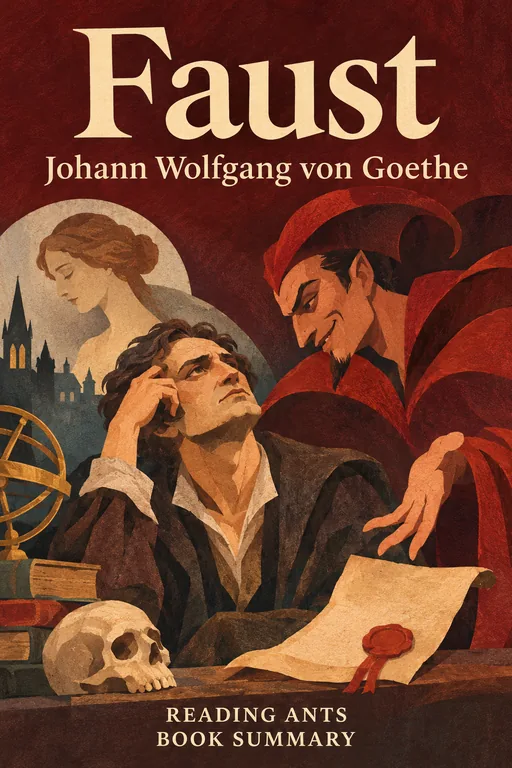
Faust
Johann Wolfgang von Goethe
A brilliant but restless scholar, frustrated that all his learning has not brought him true understanding or happiness, makes a bargain with the devil Mephistopheles, setting off a journey through love, tragedy and ambition that tests whether any human life can find lasting fulfillment.
🎭 Epics, Drama & Poetry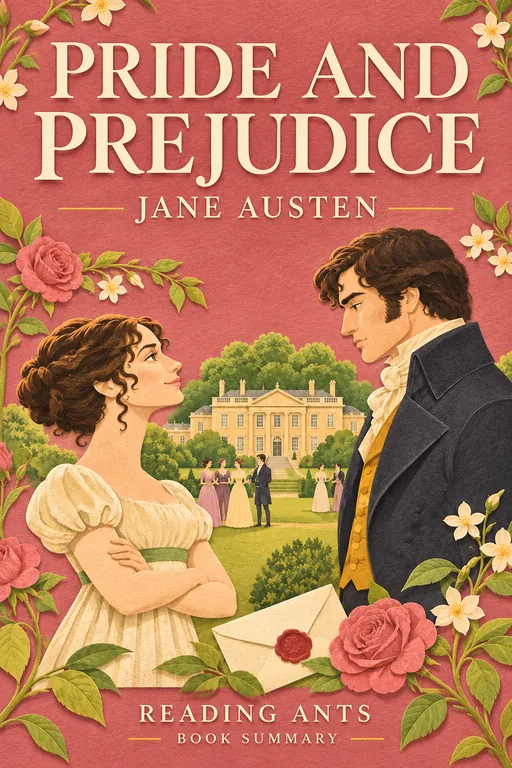
Pride and Prejudice
Jane Austen
Quick-witted Elizabeth Bennet and the proud, wealthy Mr. Darcy badly misjudge each other, and only by facing their own faults do they find their way to love.
📜 ClassicsWant something different?
Pick another topic and we will show you three books to start with.