Pollyanna
An orphaned eleven-year-old girl goes to live with her strict aunt, and wins over a whole town by teaching people the "glad game," finding something to be glad about in every situation, until she faces a test of her own.
Overview
Pollyanna is a children’s novel by the American writer Eleanor H. Porter, published in 1913. It was a great success, and it inspired a sequel and later films. The story is set in a small town in Vermont, and it is about a girl whose cheerful outlook changes the lives of the people around her. Her name has even entered the language, as “pollyanna” can describe a person who is excessively optimistic. The novel is warm and sentimental, but it also shows how sincere kindness can touch lonely and bitter people.
Main Characters
- Pollyanna Whittier: an eleven-year-old orphan, sunny, talkative and kind.
- Aunt Polly Harrington: Pollyanna’s wealthy, strict aunt, who takes her in out of duty.
- Nancy: the young maid who becomes Pollyanna’s friend and ally.
- Mr. Pendleton: a lonely, cranky man who lives alone in a large house.
- Mrs. Snow: a sick woman who complains about everything.
- Dr. Chilton: the kind town doctor, who once loved Aunt Polly.
- Jimmy Bean: an orphan boy whom Pollyanna tries to help.
Full Summary
An orphan arrives
After her father, a poor minister, dies, Pollyanna is sent to live in Beldingsville, Vermont, with her mother’s sister, Miss Polly Harrington. Aunt Polly is a stern, orderly woman, who has agreed to take the girl only because she feels it is her duty. She gives Pollyanna a bare attic room with no carpet and no mirror. Pollyanna is not discouraged, and says that she is glad that there is no mirror, since she will not see her freckles, and that the window has a lovely view.
The glad game
Pollyanna explains to Nancy the maid the game that her father taught her. Once, when she hoped for a doll in a missionary barrel and received a pair of crutches, he showed her that she could be glad that she did not need them. Since then, she has tried to find something to be glad about in everything. At first, Aunt Polly is irritated by this attitude, and she tries to keep the girl in line with strict rules, but the habit is catching, and Nancy and others begin to play the game too.
Changing the town
Pollyanna goes about town, meeting people. She befriends Mrs. Snow, a bedridden complainer, and teaches her to find reasons for gladness. One day in the woods she finds Mr. Pendleton, a recluse, lying hurt with a broken leg and runs to get him help, and afterward she visits him often and brings him some cheer. He grows so fond of her that he asks her to come and live with him, but she cannot leave Aunt Polly, and she suggests that he take the orphan Jimmy Bean instead. She even helps the Reverend Paul Ford, a minister troubled by quarrels in his church, by telling him how her own father found comfort in the Bible’s many calls to rejoice. Gradually, the people of the town become kinder and brighter, and many say that Pollyanna has done them good, although she does not quite understand why.
Aunt Polly softens
Aunt Polly, who is reluctant to admit it, begins to be affected too. She allows Pollyanna to bring in a stray cat and dog, and one day Pollyanna persuades her to let her do her hair and drape a lace shawl around her shoulders. Dr. Chilton, who once courted Aunt Polly, quarreled with her many years ago and has stayed away from her house ever since. A mix-up over whom Mr. Pendleton had loved is cleared up when it turns out that he had loved Pollyanna’s mother. Aunt Polly’s cold manner slowly melts, and she starts to love the child as her own. The household becomes warmer, and Nancy is grateful that the girl has made such a difference to the stern woman she serves.
The accident
At the end of October, Pollyanna is hit by a motor car as she hurries home from school, and she is badly hurt. She learns that she cannot walk. For the first time, she finds it hard to be glad, and sinks into sadness. The townspeople, including those she had helped, come to the house to ask after her, and they send her messages of love and gratitude, telling her what she has taught them. They remind her of the game, and in turn they begin to help her to be glad again, showing that kindness comes full circle. Meanwhile, Mr. Pendleton takes Jimmy Bean into his home.
Hope for the future
As winter turns to spring, the treatment does not help, and the doctors fear that Pollyanna may never walk again. Dr. Chilton believes that a specialist he knows might help, but he cannot see her unless Aunt Polly asks him. Jimmy Bean overhears this and goes to tell Aunt Polly, who swallows her pride and asks Dr. Chilton to come. She tells Pollyanna that Dr. Chilton will one day be her uncle, and Pollyanna is taken on a journey to a doctor with a large house made for people like her. In the end, Aunt Polly marries Dr. Thomas Chilton beside Pollyanna’s hospital bed, and Pollyanna writes a letter to Aunt Polly and Uncle Tom (as she now calls him), announcing that she can walk again. The novel ends on a hopeful note, with the town transformed and with Pollyanna beloved by all who know her.
Why It Matters
Pollyanna was a very popular book of its time, and it became a cultural phenomenon, with “Glad Clubs” and imitations. Its idea of finding something to appreciate in difficult circumstances is a simple version of what we now call positive thinking and gratitude, and it still resonates. The novel also shows how one person’s attitude can change a community. The word “pollyanna” has entered everyday speech, sometimes admiring and sometimes mocking. The book was followed by a sequel, Pollyanna Grows Up, in 1915, and it has been filmed several times, including a silent version in 1920 with Mary Pickford and a Disney version in 1960 with Hayley Mills. The book remains a gentle introduction to the power of kindness and hope in children’s literature.
Key Takeaways
- Gratitude changes perspective. Looking for good things can lift a mood.
- Kindness spreads. One person’s warmth can change a whole town.
- Even the stern can soften. Aunt Polly learns to love through the girl’s openness.
- Hope is tested in hardship. Pollyanna finds it hard to be glad after her injury.
- Community supports the one who helps. The town gives back what she gave.
What We Can Learn
You can try the glad game yourself, by finding one good thing in a hard day, as Pollyanna does, and you may find that it makes problems easier to bear. The story also shows that being kind to people who are lonely or bitter can make a real difference. But it also reminds us that it is fine to feel sad, and that friends can help us when we cannot cheer ourselves. Look for ways to support those who have supported you, and remember that gratitude works best when it is honest, not forced.
Criticism and Counterpoints
Some critics find the novel overly sentimental and the heroine too good to be true, and they say that forced optimism can ignore real suffering or injustice, which is why “pollyanna” is sometimes used as a mild insult. Others note that the story’s religious tone and its plot coincidences, such as the timing of the accident, are of its period. The speed with which a whole town changes can seem unrealistic. However, the book does acknowledge the limits of the game when Pollyanna is hurt, and many readers feel that it teaches a real lesson about kindness.
Who Should Read It
This book is for children from about eight, for families who like gentle classics, and for adults who enjoy a heartwarming story. It can be read aloud. Readers who dislike sentiment may find it sweet, but those who give it a chance often find that its message of gratitude stays with them.
Want the whole book?
A summary is a taste, not the meal. Here is where to find the full book.
You reached the end 🎉
Nicely done. Mark this one as read, and we will suggest what to read next.
Read this next
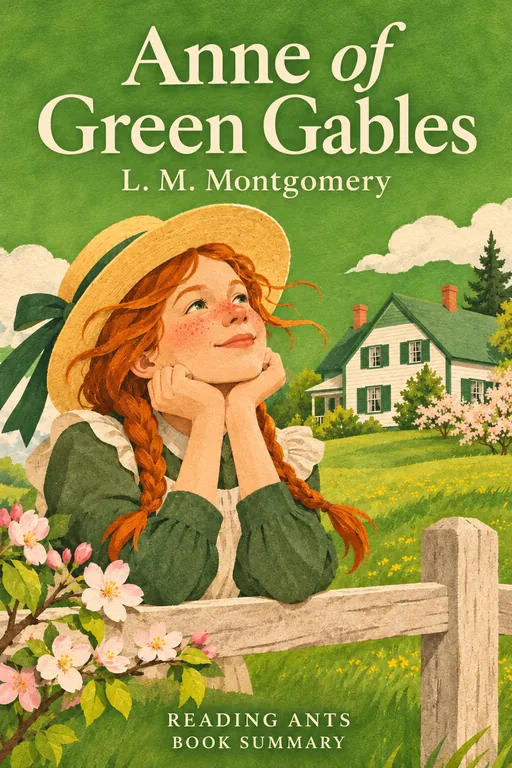
Anne of Green Gables
L. M. Montgomery
A talkative, imaginative red-haired orphan is sent by mistake to an elderly brother and sister who wanted a boy, and she wins their hearts and fills their quiet farm with life.
🧸 Children's Books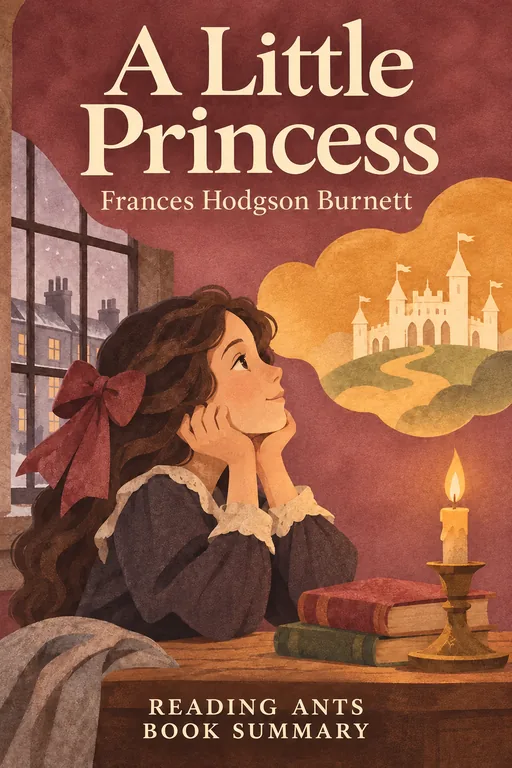
A Little Princess
Frances Hodgson Burnett
When her wealthy father dies and leaves her penniless, a kind, imaginative girl named Sara Crewe is forced to become a servant at her boarding school, but she holds on to her inner dignity, and her kindness is eventually rewarded.
🧸 Children's Books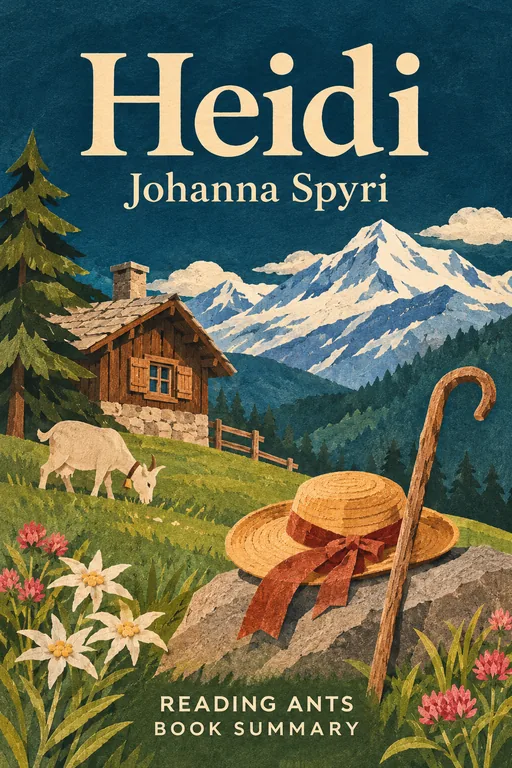
Heidi
Johanna Spyri
An orphan girl brings joy to her grumpy grandfather in the Swiss Alps, is taken away to a sad city life, and then returns home to the mountains she loves.
🌍 World Literature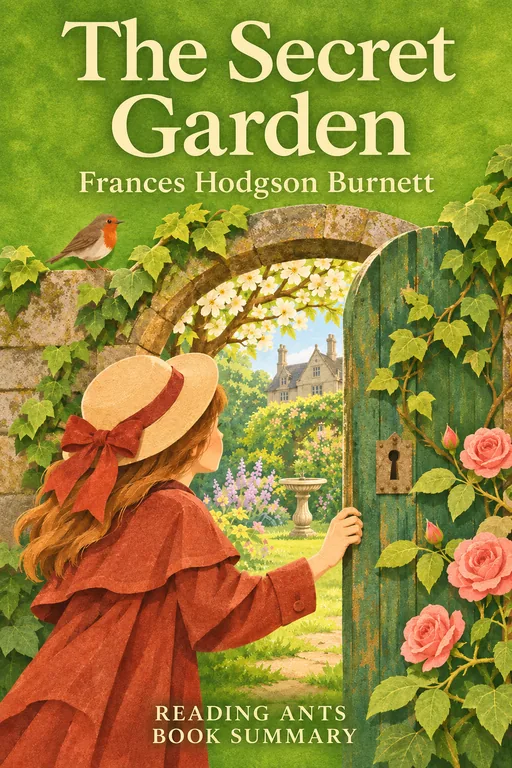
The Secret Garden
Frances Hodgson Burnett
A lonely, spoiled orphan sent to live in a gloomy English mansion discovers a locked, forgotten garden, and as she brings it back to life with two new friends, she and her sickly cousin are healed too.
🧸 Children's Books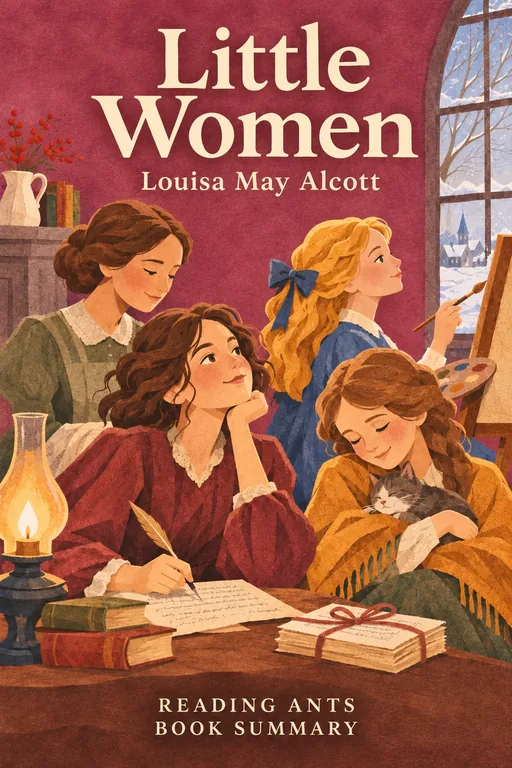
Little Women
Louisa May Alcott
Four very different sisters grow up together in a loving but poor family in New England during and after the American Civil War, learning about love, ambition, loss and finding their own paths in life.
📜 Classics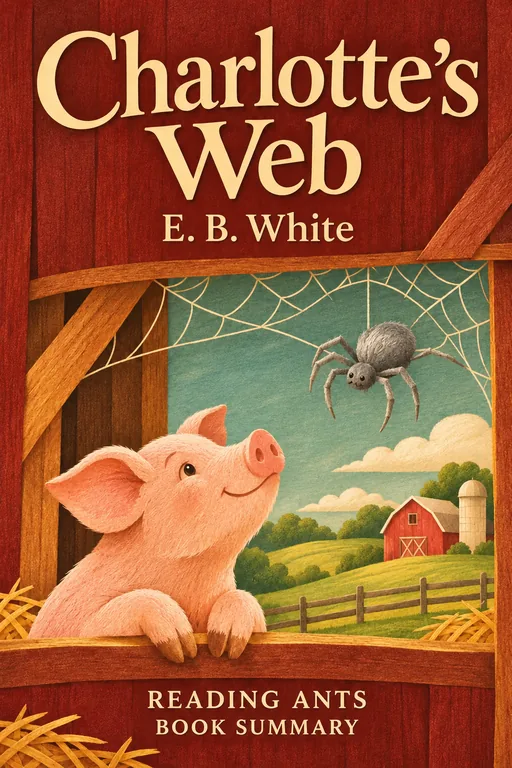
Charlotte's Web
E. B. White
A lonely pig named Wilbur learns he is going to be killed, and his clever friend Charlotte, a spider, comes up with an amazing plan to save his life.
🧸 Children's BooksWant something different?
Pick another topic and we will show you three books to start with.