 Reading Ants
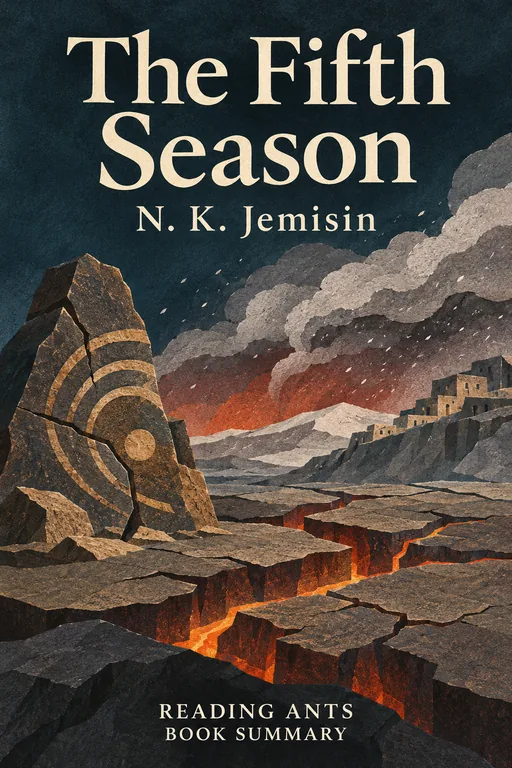
The Fifth Season
In a world that is regularly torn apart by catastrophic "Seasons," a woman with the power to control earthquakes searches for her kidnapped daughter, while the story reveals who she once was.
Overview
The Fifth Season is a fantasy novel by N. K. Jemisin, published in 2015, the first book of the Broken Earth trilogy. It won the Hugo Award, and the other two books also won it, making Jemisin the first author to win three years in a row. It is set on a single continent called the Stillness, where the ground shakes violently and a “Season,” a catastrophic period of ash and cold that people call a Fifth Season, comes at irregular intervals. A small number of people, called orogenes, can sense and control the earth’s movements, and they are both feared and used. The book is told in three threads, in different voices, and it combines fantasy with science, social critique and grief.
Main Characters
- Essun: a woman in her forties, whose son has been murdered and whose daughter has been taken.
- Damaya: a young girl who is discovered to be an orogene.
- Syenite: a young orogene who works for the Fulcrum.
- Alabaster: a powerful, scarred orogene, who is Syenite’s partner.
- Schaffa: a Guardian who trains and controls orogenes.
- Nassun: Essun’s young daughter, who has the same gift.
- Hoa: a mysterious stone being who narrates part of the story.
Full Summary
The End of the World
The novel begins with Essun, who comes home to find that her husband, Jija, has beaten their young son, Uche, to death, because he discovered that the boy was an orogene. Jija has taken their daughter, Nassun, and gone. At the same moment, a vast rift opens across the continent, caused by an act of enormous power, and the Fifth Season, a catastrophe of ash and darkness, begins.
Essun, who has hidden her own abilities for years, decides to find her daughter. She sets off across a land in chaos, where many people will kill any orogene they find.
Damaya
In a second thread, a young girl named Damaya is discovered to be an orogene, and her parents, afraid and ashamed, give her up. A Guardian named Schaffa takes her to the Fulcrum, a school and prison for orogenes, run by the empire of Sanze. Orogenes are used to calm earthquakes, and they are kept under strict control. They are called “roggas,” a hateful word, and treated as tools.
At the Fulcrum, Damaya is taught harsh lessons about control, and the instructors are cruel. She learns that the only way to survive is to obey, and that her power is something to be feared.
Syenite
In a third thread, a young woman named Syenite is a promising orogene of the Fulcrum, and she is sent on a mission with Alabaster, a powerful, charismatic man. They are required to have a child together, because the Fulcrum breeds orogenes, which is a form of coercive control over reproduction. On their journey, Syenite learns that Alabaster has been hiding secrets, and that he has a deep rage toward the empire.
Alabaster teaches her that the world is built on the suffering of orogenes, and that the Fulcrum is not a protector but a jailer. They go to a port city, where she must clear a harbor, and she finds that the people she is helping are afraid of her.
The Truth
In the final chapters, the book reveals that the three women, Damaya, Syenite and Essun, are the same person at different stages of her life. Damaya was the child, Syenite was the young woman and Essun is the woman she became. The story’s separate threads have been moving toward a single point.
We also learn that Alabaster, who has been growing sicker, has done something terrible: he has started the rift that begins the Fifth Season, by sending a surge of power into the earth. He believes that the world must be broken in order to be changed.
A Stone Voice
Throughout the book, a mysterious narrator speaks in second person, addressing Essun directly. This narrator is revealed to be Hoa, a “stone eater,” a being who lives in the earth. Hoa has been following Essun, and he knows more about the history of the world than the people do.
In the last scenes, Essun reaches Castrima, an underground community led by a woman named Ykka, where she is reunited with the dying Alabaster, who tells her more about what causes the Seasons. The book ends with a hint about the moon and its place in the world’s history, which sets up the rest of the trilogy.
Why It Matters
The Fifth Season is widely regarded as one of the most important fantasy novels of the century. It deals with oppression, trauma and survival, and it uses an imaginative world to ask hard questions about how a society treats people who are different. Jemisin’s use of second-person narration, and her structure of three interwoven stories, are daring.
The trilogy’s three Hugo Awards in a row made literary history, and the book has helped to expand who is seen in fantasy, with its characters of many skin colors and its focus on a Black woman as a heroine.
Key Takeaways
- Fear can justify cruelty. Society abuses orogenes because it needs and fears them.
- Power is shaped by who holds it. The Fulcrum controls orogenes through violence.
- Grief drives action. Essun’s loss sets her on her journey.
- Identity is complicated. The three women are one person.
- A broken world can still change. The end of the old world opens a path.
What We Can Learn
The book invites us to look at how groups that are feared are treated. Orogenes are useful and dangerous, so they are controlled, and the novel shows how easily this turns into cruelty. We can ask whether similar patterns exist in our own world, and how to treat people who are different with respect.
It also shows how trauma passes down. Essun hid her gift for years, and the effects of her childhood shape how she raises her children. Talking about our experiences and finding supportive people can help break such cycles.
Finally, the story reminds us that survival is often a collective effort. The communities that endure in the novel are those that share resources, skills and trust.
Criticism and Counterpoints
Some readers find the book hard to follow at first, because of its unusual structure and its use of second person, and they say that the terms and the world need patience. Others find the story too bleak, with so much violence and loss, or say that the worldbuilding is dense and explained too late. A few feel that the many deaths of children are hard to read.
Still, most readers and critics praise the originality and force of the novel.
Who Should Read It
This book is for mature readers who like ambitious, serious fantasy and can handle dark themes, including the death of a child and abuse. It requires some patience but rewards close reading. It is a strong choice for anyone interested in stories about power, oppression and survival.
Want the whole book?
A summary is a taste, not the meal. Here is where to find the full book.
You reached the end 🎉
Nicely done. Mark this one as read, and we will suggest what to read next.
Read this next
Mistborn: The Final Empire
Brandon Sanderson
A street thief named Vin joins a crew planning to overthrow an immortal tyrant, and discovers that she has extraordinary powers.
🚀 Sci-Fi & Fantasy
The Left Hand of Darkness
Ursula K. Le Guin
A lone envoy from a league of human worlds travels to the frozen planet Gethen, where people have no fixed gender, and learns to trust a local statesman, Estraven, who is exiled for his politics and who comes to the envoy's aid.
🚀 Sci-Fi & Fantasy
A Wizard of Earthsea
Ursula K. Le Guin
A proud, gifted boy named Ged becomes a powerful wizard, but his arrogance releases a dark shadow that he can defeat only by facing it.
🚀 Sci-Fi & Fantasy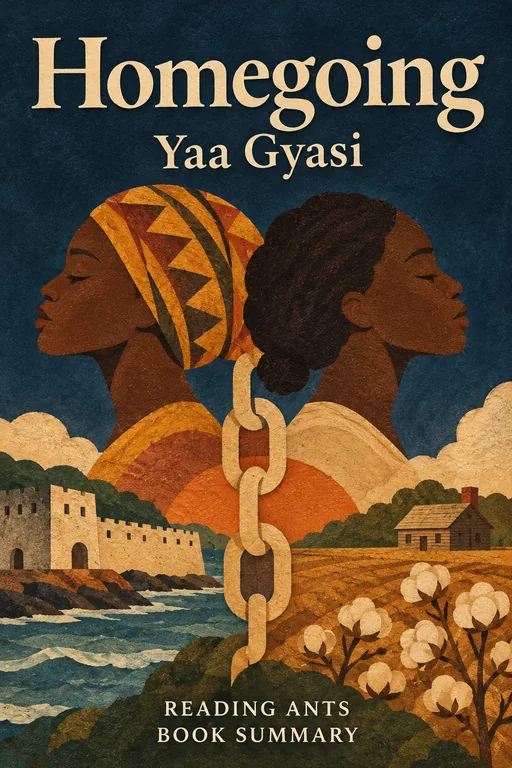
Homegoing
Yaa Gyasi
Starting with two half-sisters in eighteenth-century Ghana who never meet, one married to a British slaver and one sold into slavery, this novel follows seven generations of each branch of their family, in Africa and America.
✨ Modern Fiction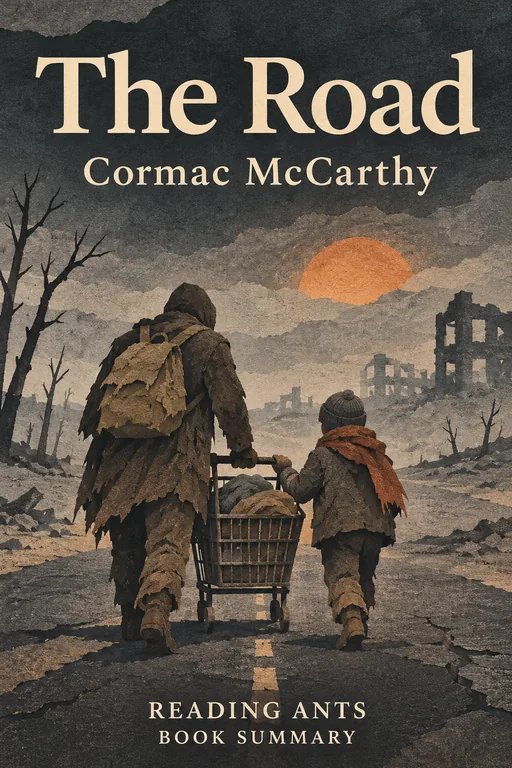
The Road
Cormac McCarthy
A father and his young son walk through a burned, ash-covered America after an unexplained catastrophe, struggling to stay alive and to stay good in a world where hope has almost died.
✨ Modern Fiction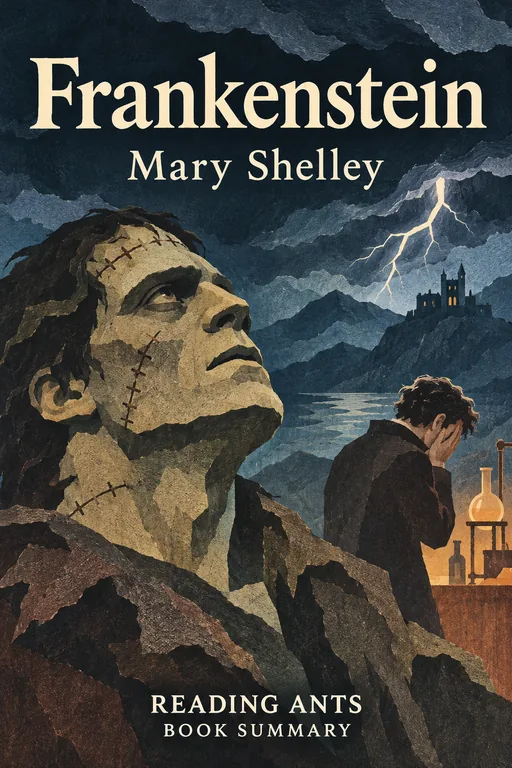
Frankenstein
Mary Shelley
A young scientist creates a living being from dead body parts, then abandons it in horror, and his rejected creation, longing for love, turns to revenge.
🚀 Sci-Fi & FantasyWant something different?
Pick another topic and we will show you three books to start with.