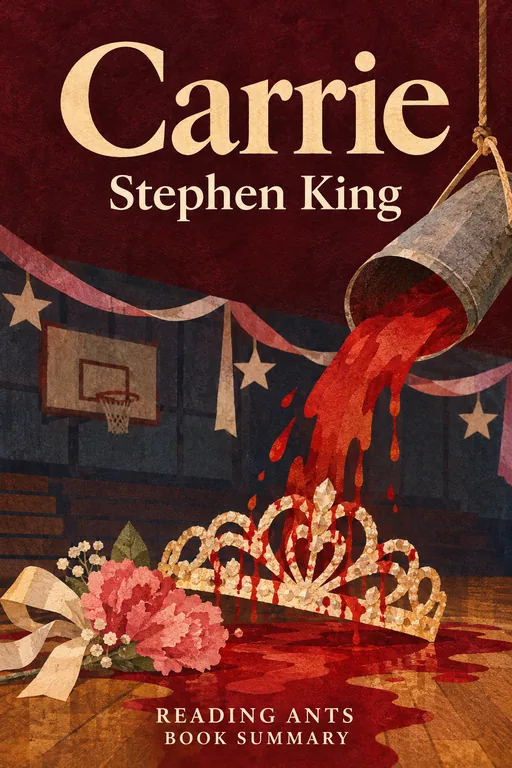
Carrie
A shy, bullied teenage girl named Carrie White, raised by a fanatically religious mother, discovers that she has telekinetic powers, and a cruel prank at her high school prom leads to a night of catastrophic revenge.
Overview
Carrie is Stephen King’s first published novel, which came out in 1974, after he had written it while working as a teacher and living in a trailer. His wife, Tabitha, famously rescued the first pages from the trash and encouraged him to continue. The book is told partly in conventional narration and partly through fictional newspaper articles, book excerpts and reports, which gives it a documentary feel. It was adapted into a 1976 film by Brian De Palma, which was a huge hit, and has been remade for television and again for the cinema. It is a story of cruelty and its consequences, and a horror novel with a sympathetic monster.
Main Characters
- Carrie White: a shy, awkward teenager who is the target of bullying, and who has telekinetic powers.
- Margaret White: Carrie’s mother, a religious fanatic who sees sin everywhere.
- Sue Snell: a popular classmate who feels guilty about bullying Carrie.
- Tommy Ross: Sue’s boyfriend, who takes Carrie to the prom.
- Chris Hargensen: a vicious classmate, who plots against Carrie.
- Billy Nolan: Chris’s violent boyfriend.
- Miss Desjardin: a gym teacher who is sympathetic to Carrie.
Full Summary
The Shower
The novel opens in a high school locker room, where Carrie, who is sixteen, has her first period, and, having never been told about it by her mother, believes that she is bleeding to death. The other girls, led by Chris Hargensen, mock her, throwing tampons and chanting. A teacher, Miss Desjardin, intervenes and sends Carrie home. At the same moment, a light bulb bursts, the first sign that the incident has triggered a strange power in Carrie.
The scene is shown in several ways: through Carrie’s own panic, through Sue’s memory and through the later hearings that the book quotes. Each account makes it clearer that the cruelty was not a single act but a habit, one that the other girls hardly noticed they had.
Margaret White
At home, Carrie is subject to her mother’s harsh religion. Margaret White believes that menstruation is a sign of sin and that all pleasure is evil, and she locks Carrie in a closet to pray. Carrie, who is terrified of her, begins to realize that she can move objects with her mind, and she practices. The power gives her a sense of confidence, though she fears that it may be a form of the devil.
Sue and Tommy
Sue Snell, one of the girls who teased Carrie, feels remorse, and decides to make amends by asking her boyfriend, Tommy Ross, the school’s golden boy, to take Carrie to the prom. Tommy agrees, though puzzled. Carrie is suspicious, but accepts, and she defies her mother, who forbids it. She makes her own dress, and starts to feel hope.
The Plan
Meanwhile, Chris Hargensen, who has been punished for her part in the shower incident and banned from the prom, plans revenge. She and her boyfriend Billy Nolan, who is violent, rig the election of the prom king and queen so that Carrie and Tommy win, and devise a prank: a bucket of pig’s blood will be dumped on Carrie as she is crowned. They kill pigs at a farm, and prepare the bucket.
The planners treat the prank as a joke, and some of the students who help do not know how far it will go. King shows how a crowd can slide into cruelty because each person thinks that someone else is responsible, a pattern that gives the climax its horror.
The Prom
At the prom, Carrie, who is dressed in a beautiful gown, is treated kindly, and for the first time feels accepted. She is crowned queen. Then the bucket tips, and the blood pours over her, as the crowd laughs. In the confusion, the bucket falls and hits Tommy on the head, and he does not survive. Carrie, humiliated and in a state of shock, first flees the gym, then returns and unleashes her power, locking the doors, turning on the fire hoses, electrocuting students and starting a fire.
The Aftermath
Carrie walks out of the burning gym, and moves through the town, destroying buildings and killing many people, in a rampage. She goes home, where her mother attacks her with a knife, and Carrie stops her heart with her mind. Fatally wounded, Carrie is found by Sue, whose thoughts she can read; she sees that Sue meant no harm, and she dies. Billy, who tries to run her down with Chris beside him, is killed along with Chris when Carrie seizes control of the car and crashes it. The book ends with news reports and a letter, and a hint that there may be others like Carrie.
Why It Matters
Carrie launched Stephen King’s career, and he has become one of the best-selling authors in history. The book established his gift for combining horror with realistic characters and settings, and for examining the cruelty of ordinary life. The 1976 film, with Sissy Spacek, is a classic of horror cinema, and its image of the girl covered in blood is one of the most famous in popular culture.
The novel is also often discussed as a story about bullying, which was a theme that resonated with many readers.
The book remains a reference point for fiction about bullying and about the dangers of isolating a child. Its structure, with excerpts from imaginary books and reports, was copied by later horror writers.
Key Takeaways
- Cruelty has consequences. The bullying leads to disaster.
- Isolation harms. Carrie’s upbringing damages her.
- Religion can be abused. Margaret’s fanaticism hurts her child.
- Empathy can come too late. Sue’s attempt to help is not enough.
- Power without guidance is dangerous. Carrie lacks a safe way to handle it.
What We Can Learn
The novel is a powerful warning about the effects of bullying and shaming, particularly on someone who is already isolated. It suggests that small acts of kindness matter, and that cruelty can have devastating effects.
It also shows how an abusive home can shape a child, and invites us to look for signs of distress in the young.
Finally, it asks us to consider the responsibility that bystanders and adults have when they see someone being hurt.
It also shows how small acts of cruelty can pile up, and that stopping them early, by speaking up, is part of everyone’s responsibility.
Criticism and Counterpoints
Some critics find the novel’s prose rough and its characters stereotyped, with the cruel popular girls and the fanatic mother being larger than life. Others consider the use of the menstruation scene exploitative or problematic. The book’s mix of formats, with its pseudo-documents, can feel gimmicky.
Some readers also find the revenge, which kills the innocent, troubling, and the novel’s view of women ambiguous. Still, it remains an effective piece of horror.
Who Should Read It
This book is for mature readers. It contains bullying, abuse and mass violence. It is a quick, gripping read for fans of horror.
It is short and quick, and may disturb younger readers.
Want the whole book?
A summary is a taste, not the meal. Here is where to find the full book.
You reached the end 🎉
Nicely done. Mark this one as read, and we will suggest what to read next.
Read this next
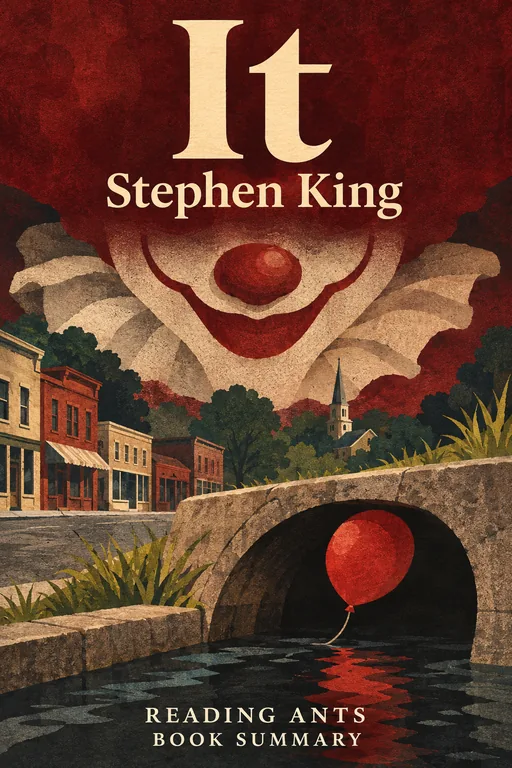
It
Stephen King
In the small town of Derry, Maine, seven outcast children, the Losers' Club, defeat a shape-shifting evil that takes the form of Pennywise the Dancing Clown, and return as adults twenty-seven years later to finish the job.
🔍 Mystery & Thriller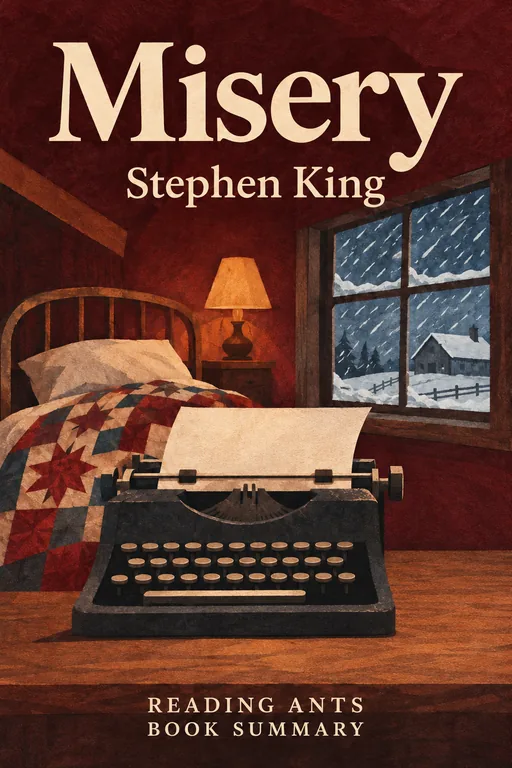
Misery
Stephen King
After a car crash in a blizzard, a famous novelist named Paul Sheldon is rescued and held captive by his "number one fan," Annie Wilkes, who forces him to write a new novel for her favorite character.
🔍 Mystery & Thriller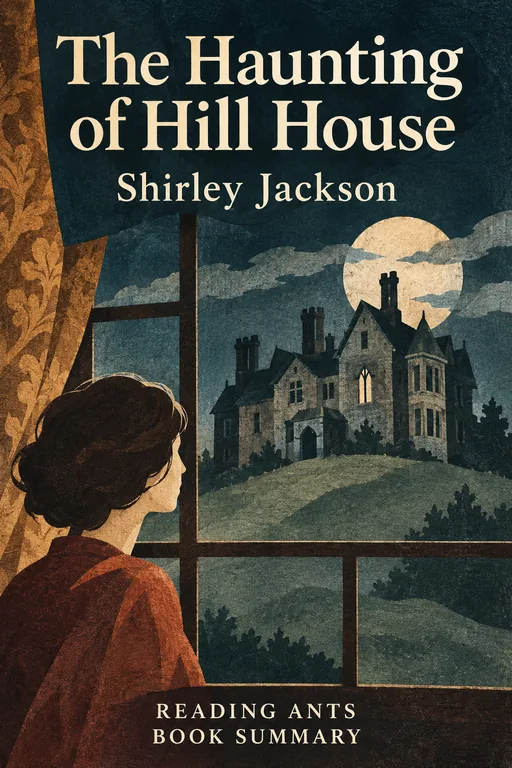
The Haunting of Hill House
Shirley Jackson
Four people stay at a notorious mansion, Hill House, to investigate its supernatural reputation, and the house works on the fragile mind of Eleanor Vance, a lonely woman who has never belonged anywhere.
🔍 Mystery & Thriller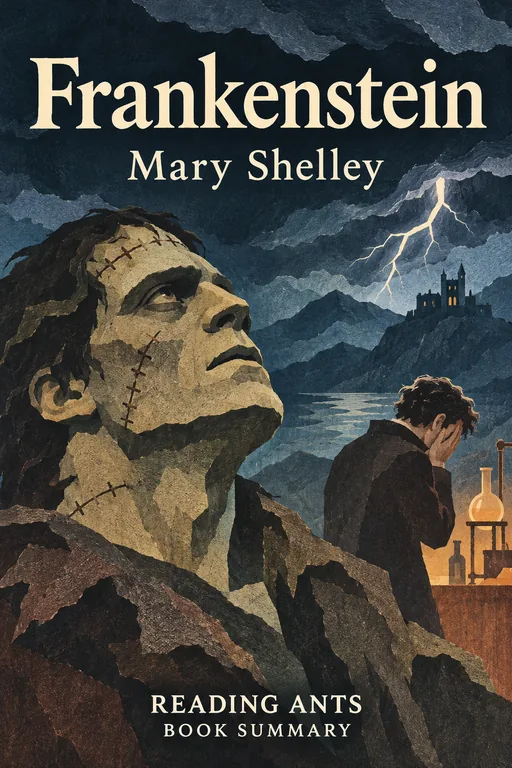
Frankenstein
Mary Shelley
A young scientist creates a living being from dead body parts, then abandons it in horror, and his rejected creation, longing for love, turns to revenge.
🚀 Sci-Fi & FantasyThe Murders in the Rue Morgue
Edgar Allan Poe
In Paris, a brilliant amateur detective, C. Auguste Dupin, solves the baffling murder of a mother and daughter in a locked room by thinking carefully about what the evidence really shows, and reaches a startling conclusion.
🔍 Mystery & Thriller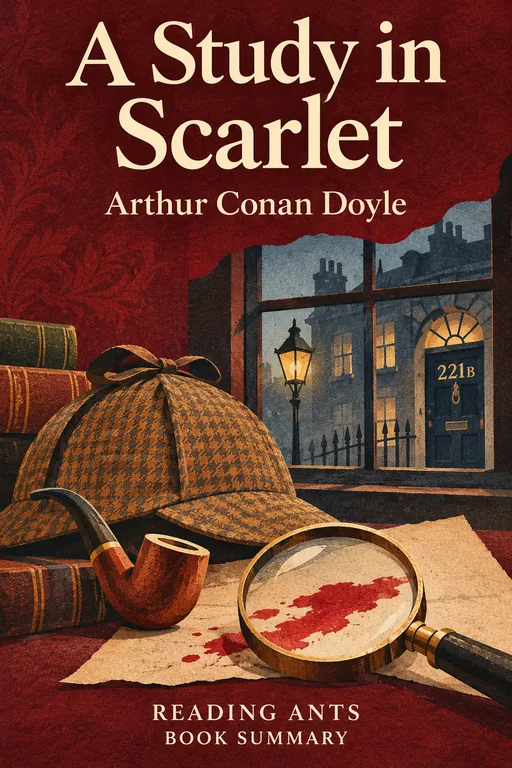
A Study in Scarlet
Arthur Conan Doyle
Dr. John Watson meets the eccentric consulting detective Sherlock Holmes and shares his rooms at 221B Baker Street, and together they investigate a mysterious murder in an empty London house, in the first Sherlock Holmes story.
🔍 Mystery & ThrillerWant something different?
Pick another topic and we will show you three books to start with.