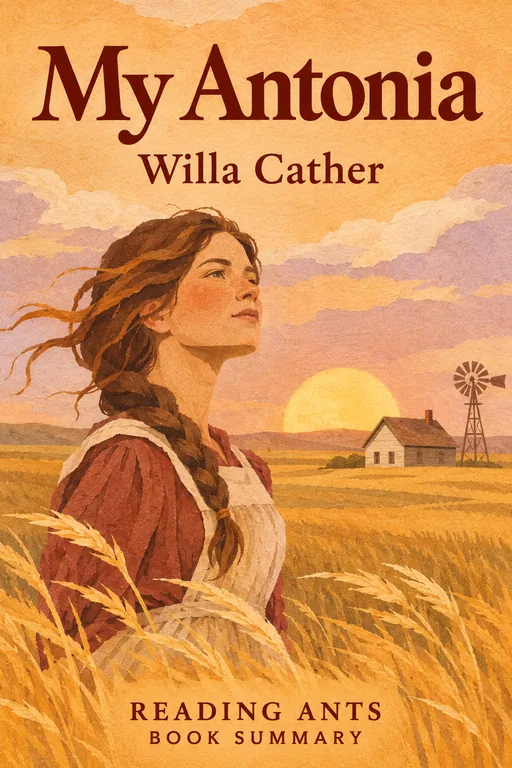
My Antonia
A man looks back on his Nebraska childhood and on the Bohemian immigrant girl, Ántonia Shimerda, whom he knew there, and traces her life from a hard start on the prairie to her strength as a mother and farmer.
Overview
My Ántonia is a novel by the American writer Willa Cather, published in 1918, and it is the third of her prairie novels. It is narrated by Jim Burden, who writes down his memories of growing up in Nebraska among immigrant families who were making homes in the wide grasslands. The book is a tribute to the pioneers, and above all to the woman at its center, whose warmth and endurance become a symbol of the land itself. Its style is plain, vivid and lyrical.
Main Characters
- Jim Burden: the narrator, an orphan from Virginia, who grows up in Nebraska and becomes a lawyer.
- Ántonia Shimerda: a Bohemian immigrant girl, warm, spirited and strong.
- Mr. Shimerda: Ántonia’s gentle, homesick father, who cannot adapt to the prairie.
- Mrs. Shimerda: her mother, who is hard, proud and grasping.
- Lena Lingard: a beautiful, easygoing Norwegian girl, who becomes a dressmaker.
- Jim’s grandparents: kind, religious farmers, who take him in.
- Anton Cuzak: the Bohemian farmer whom Ántonia eventually marries.
Full Summary
Arriving on the prairie
Ten-year-old Jim Burden, orphaned in Virginia, travels by train to live with his grandparents on their farm in Nebraska. On the train, he sees a family of immigrants, who will be their neighbors, the Shimerdas, from Bohemia. The land is flat and wild, covered with red grass, and Jim feels small in it. He soon meets Ántonia, the daughter, who is a few years older, and he helps her learn English words. They become friends, and spend time exploring the prairie, near the badger holes and the prairie-dog town.
The Shimerdas’ hard winter
The Shimerdas live in a dugout, a room cut into the earth, and are poor. Mr. Shimerda, who had been a weaver in the old country, is miserable and cannot farm. In the winter, he feels the loss of his homeland and his music. One cold day, he takes his own life, and the community is shocked. The Burdens help with the funeral, but the neighbors believe that a man who killed himself cannot be buried in a Catholic cemetery, and he is buried instead on a corner of the family’s own land, where two roads will one day cross. Ántonia, who had been close to her father, is heartbroken, and takes up heavy work in the fields, like a man.
Town life
When Jim is about thirteen, his grandparents move to the town of Black Hawk, and Ántonia goes to work as a hired girl for the Harling family, the Burdens’ nearest neighbors in town. She becomes a spirited young woman, and loves to dance. The hired girls, who are immigrants working in households, are looked down on by the town’s respectable families, but they are lively and attractive. Jim admires them, particularly Lena Lingard, and he enjoys dances with the hired girls at a dancing tent that comes to town, but his grandmother disapproves and is upset when he sneaks off to them.
Jim’s education
Jim goes on to the university in Lincoln, where a teacher of Latin, Gaston Cleric, awakens his mind, and where he meets Lena again, now working as a dressmaker. When Cleric moves to Harvard, Jim follows him, and he later studies law, so his life moves away from the farm. Ántonia, meanwhile, falls for a railway conductor, Larry Donovan, who promises to marry her, and she goes to him. But he deserts her without marrying her, and she returns home with a baby daughter, to work on her family’s farm. When Jim comes home for a summer after Harvard, he goes to see her in the fields. She is thinner and worn, but has a new strength and is determined to give her child a better chance, and he promises that he will come back.
A visit
It is twenty years before Jim keeps his promise. By then he is a lawyer for a railroad, based in New York, and he has put off the visit partly because he fears finding her aged and broken. He finally returns to Nebraska and visits Ántonia, who is now married to Anton Cuzak, a Bohemian farmer, and is the mother of a large family. She has lost most of her teeth and her hair is grizzled, but she is full of life, and her farm is a flourishing, happy place. Jim sees that she has become something like the earth mother, who is the heart of her family.
Looking back
Jim meets the children, and enjoys the family’s warmth, and the orchards that Ántonia has planted. He sees that she has kept the fire of life, and that she is rich in what matters. He promises two of her sons a hunting trip, and he plans more visits. Back near Black Hawk, he finds a surviving stretch of the old road that first brought him and Ántonia to the farms, and he understands that the shared past is a part of both of them. The story ends in contented reflection.
Why It Matters
My Ántonia is considered one of the great American novels, and a masterpiece of Cather’s career. It gave a voice to the immigrant settlers of the Great Plains, showing them not as stereotypes, but as individuals with dignity and courage. Its picture of the land, from the red grass of autumn to the snow of winter, is one of the most memorable in American literature. The novel is also a meditation on memory and nostalgia, and how the past shapes us. It continues to be widely read in schools and by general readers.
Key Takeaways
- Endurance is a kind of heroism. Ántonia faces hardship with courage.
- Land shapes people. The prairie is a character in the story.
- Immigrants built the country. Their labor and culture formed the West.
- Memory is selective. Jim’s account reflects his own longing.
- Home is made by people. Ántonia’s family creates warmth from little.
What We Can Learn
You can learn from Ántonia that strength can come in the form of warmth, and that it is possible to be happy with a simple life that is full of work and family. The book also encourages us to appreciate the immigrant roots of many communities, and to listen to the stories of older people about their past. Jim’s reflections remind us that the past is not just something that we leave, but something that we carry with us. Consider talking to an older relative about their early memories.
Criticism and Counterpoints
Some readers find the novel slow and episodic, with little plot, and feel that Jim’s idealized view of Ántonia makes her more of a symbol than a real person. Others point out that it is told by a man, and that Ántonia’s own voice is never heard directly. Modern critics have also noted that the book’s picture of the prairie ignores the Native Americans who lived there, and that Jim’s nostalgia may be one-sided. A few find the ending sentimental. However, many readers love its quiet beauty and its sense of place.
Who Should Read It
This book is for readers from about fourteen who enjoy historical fiction, American literature and descriptive writing. It is slow and reflective. Those who enjoy it may read other Cather novels, such as O Pioneers! and Death Comes for the Archbishop.
Want the whole book?
A summary is a taste, not the meal. Here is where to find the full book.
You reached the end 🎉
Nicely done. Mark this one as read, and we will suggest what to read next.
Read this next
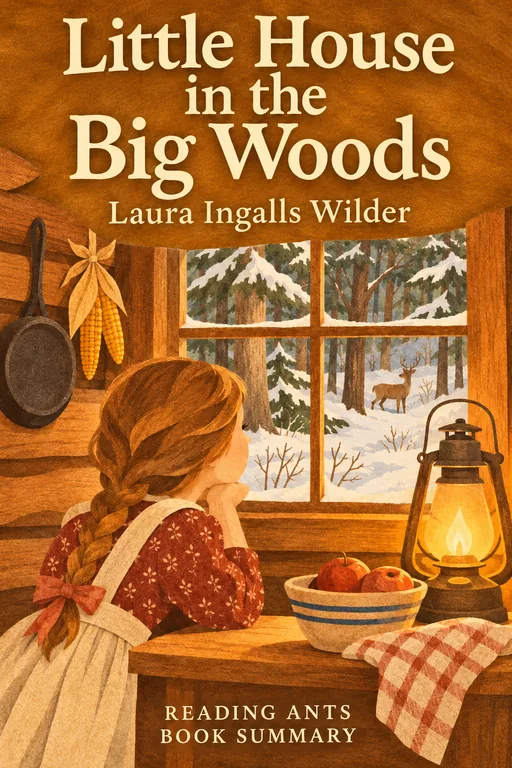
Little House in the Big Woods
Laura Ingalls Wilder
A little girl named Laura describes a year of her family's life in a log house in the Wisconsin woods in the 1870s, with its work, stories, songs and the cozy comfort of home.
🧸 Children's Books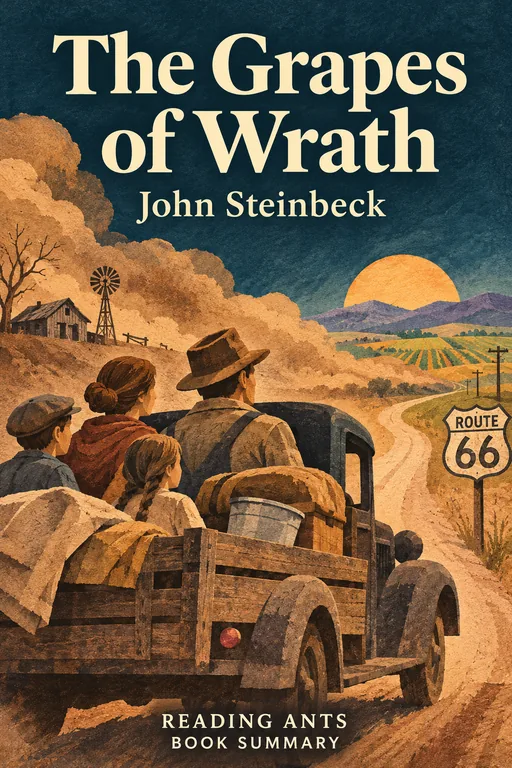
The Grapes of Wrath
John Steinbeck
Driven off their Oklahoma farm by drought and the banks during the Great Depression, a poor family travels west to California in search of work, only to find exploitation and hunger, yet they hold on to their dignity and compassion.
📜 Classics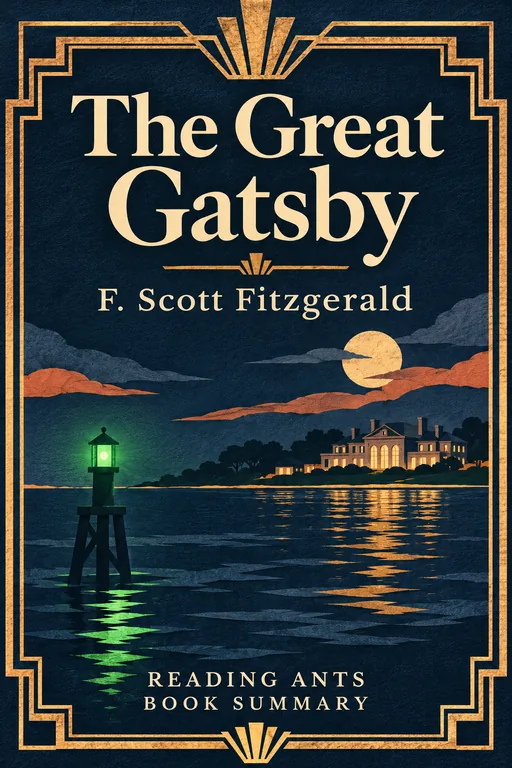
The Great Gatsby
F. Scott Fitzgerald
A mysterious millionaire throws lavish parties on Long Island in the hope of winning back the woman he loved years ago, but his dream collides with the careless cruelty of the rich.
📜 Classics
The Age of Innocence
Edith Wharton
In the rigid high society of 1870s New York, a lawyer, Newland Archer, engaged to a perfect young woman, falls in love with her exiled cousin, and must choose between passion and duty.
📜 Classics
Ethan Frome
Edith Wharton
In a cold, remote New England village, a poor farmer, trapped in a joyless marriage, falls in love with his wife's young cousin, and their desperate attempt to escape their situation leads to a lifetime of suffering.
📜 Classics
Pride and Prejudice
Jane Austen
Quick-witted Elizabeth Bennet and the proud, wealthy Mr. Darcy badly misjudge each other, and only by facing their own faults do they find their way to love.
📜 ClassicsWant something different?
Pick another topic and we will show you three books to start with.