 Reading Ants

Teach Like a Champion
Doug Lemov, a former teacher who studied unusually successful classrooms, describes 49 small, learnable moves that help teachers set high expectations, plan well, keep every student thinking and run an orderly, warm classroom.
Overview
Teach Like a Champion: 49 Techniques That Put Students on the Path to College was published by Jossey-Bass in 2010. Its author, Doug Lemov, helped found the Uncommon Schools network of charter schools. He looked closely at great teachers, noticed the small, repeatable things they did and gave each a name. The book is not a theory of education. It is a toolbox, with chapters on high expectations, lesson planning, lesson structure, student engagement, classroom culture and behavior, and trust, followed by chapters on teaching reading. A later 2015 edition and a 2021 edition changed the numbers and names of techniques. This summary follows the original.
Full Summary
1. Great teaching can be learned
The idea: Lemov argues that excellent teaching is not a mysterious talent that only a few people are born with. It is made of specific actions that can be named, practiced and improved. He built the book from watching highly effective teachers, and says that the techniques were not his own inventions. Some of them seem mundane, but small things repeated every day add up. A reviewer in Education Next noted that this moves the debate from asking “who is a good teacher?” to asking what good teachers actually do.
In real life: A basketball coach does not just say “play better.” She teaches footwork, passing and positioning one piece at a time. Lemov asks the same of teaching.
2. High academic expectations
The idea: The first group of techniques is about not letting students off the hook. No Opt Out means that when a student says “I don’t know,” the teacher keeps helping until the student gives the answer, perhaps by pointing to where the answer can be found or by naming the next step. Right Is Right means that a teacher holds to a precise standard and does not accept an answer that is only partly right. Stretch It means asking a follow-up question even after a correct answer, to check that the student really understands. Format Matters means that students give clear, complete answers, for example a number with its units.
Reported example: One of the examples in the sources is a teacher who asks another student to explain the word “denominator” to a classmate who has stumbled on it, so that the first student still ends up giving the answer.
In real life: If you say “about half” when asked a math question, a teacher using Right Is Right would ask you to be exact before moving on.
3. Plan backward and plan for the students
The idea: The planning techniques start with the goal. Begin with the End means deciding what students should be able to do and working back from there. A good objective is small enough to teach in one lesson, can be measured, comes first in planning and matters most for students’ path to college. Post It means displaying that objective where everyone can see it. Shortest Path says that the best method is whichever gets students to the goal fastest, whether that is a lecture, group work or discussion, because no method is good in itself. Double Plan means planning what the students will be doing at every moment, not only what the teacher will do, and Draw the Map means sketching in advance how the classroom will be laid out for the lesson.
In real life: A student planning a revision session would first decide what exactly she must know on the test, then choose the quickest way to practice it.
4. Structure the lesson so students do the thinking
The idea: Lemov describes a lesson that moves responsibility step by step from the teacher to the student: first the teacher shows how, then the class tries together, then students work alone. Several techniques support this. Name the Steps breaks a process into a few memorable steps. Break It Down gives the smallest hint that lets a student succeed. Ratio shifts as much of the thinking as possible to students, using tricks such as asking “why” and “how.” Check for Understanding means collecting information all the time, and acting on it at once, by reteaching or trying another approach. At Bats means giving plenty of repetition, and an Exit Ticket is a quick check at the end of class that helps plan the next lesson.
In real life: A coach who first demonstrates a free throw, then shoots with the team and finally lets each player shoot alone is using the same sequence.
5. Keep everyone engaged
The idea: The engagement techniques make it hard for a student to hide. Cold Call means calling on students whether or not they raise a hand, so everyone must be ready. Wait Time means pausing after a question so students can think, rather than rushing. Everybody Writes means that students write their thoughts before discussion, so more of them have something to say. Call and Response has the class answer together, which adds energy though it does not show what each student knows. Pepper is a fast-moving question game, and Vegas means keeping activities short, lively and clearly finished.
In real life: If a teacher says that everyone will be asked and not only volunteers, many students will start paying attention to the question rather than just waiting for someone else to answer.
6. Build routines and a strong classroom culture
The idea: Lemov gives many techniques for the way a class runs from day to day, such as the entry routine, a Do Now task posted in the same place each day, Tight Transitions that move materials and students efficiently, and Seat Signals that let students ask for help without disturbing the class. He says that good routines save a great deal of lesson time over a year. A teacher also meets students at the door, sets the standard for the room before they enter and gives quick public praise, known as Props.
Reported example: The Fordham Institute’s reviewer repeats the book’s example of handing out papers: a simple routine for this can save a good number of teaching days over a year.
In real life: A school club that starts each meeting with the same short task can begin on time without anyone needing to give orders.
7. Behavior and trust
The idea: The last group of techniques is about behavior and relationships. Lemov says that teachers should expect full cooperation, use the lightest correction that works, and act early and calmly without warnings. Directions should say what to do rather than what not to do, and a teacher uses a calm, strong voice: few words, no talking over students, no arguing, standing still and lowering the voice. He also advises positive framing, for example assuming the best about why a student made a mistake, correcting without naming and building a sense of momentum. Praise should be specific and sincere, and teachers should be both warm and strict, show enthusiasm and treat errors as a normal part of learning.
In real life: Saying “please eyes on me so I can explain this” works better than “stop talking,” because it says what to do and why.
8. Pacing, questions and reading
The idea: The book also covers pacing and questioning. Pacing is the illusion of speed: short, time-limited activities and a sense of purpose keep attention. For questions, Lemov recommends asking one question at a time, moving from simple to complex and writing important questions out beforehand. In the second part of the book, he turns to reading instruction, with advice on how to organize reading time, teach vocabulary and fluency, and build comprehension before, during and after reading, and he prefers connecting a text to other texts over drifting into personal tangents.
In real life: A tutor who plans three key questions for a story in advance will probably help a student understand it better than one who just asks “did you like it?”
Why It Matters
Teach Like a Champion changed the way many people talk about teacher training. Instead of asking whether teaching is an art or a science, it showed that much of it can be broken into small actions that teachers can practice, as athletes do. The book sold well with teachers, according to one reviewer. It was praised for being practical and detailed, and for rejecting the idea of the hero teacher. A reviewer for Education Next wrote that it makes improving existing teachers on a large scale seem possible. It also started a lively debate about whether teaching can be reduced to techniques.
Key Takeaways
- Teaching skills can be learned. The book treats good teaching as many small actions that anyone can practice.
- High expectations need follow-through. Techniques like No Opt Out and Right Is Right make sure a student really gets to the answer.
- Plan from the goal. Decide what students must be able to do, then choose the quickest route and plan what they will be doing.
- Keep every student thinking. Cold calling, wait time and writing first make it hard for anyone to coast.
- Routines give time and calm. Smooth procedures and warm but strict behavior management protect time for learning.
What We Can Learn
If you teach, pick a few techniques that fit your strengths and your class, rather than trying everything at once, and practice each until it feels natural. The author himself advises teachers to build on what they already do well. If you are a parent, you can use the ideas at home: ask a child to explain a step, wait a few seconds before helping, and say clearly what you would like her to do. If you are a student, you can use the planning ideas for yourself: decide what you need to know, find the shortest route and practice that. Above all, the book reminds us that small habits, repeated daily, change results.
Criticism and Counterpoints
Some critics argue that great teaching is more than a set of tools, and that a list of techniques can miss a teacher’s relationships, subject knowledge and judgment. Robert Pondiscio, in Education Next, found the book practical and encouraging, but noted that the results at the author’s own schools are not proof that the techniques cause success, and that they have not been tested by the strongest kinds of research. He also pointed out that the advice fits elementary and middle schools in low-performing urban areas best. Others may find a strong emphasis on compliance and test results too narrow, and teachers in other settings will need to adapt the ideas.
Who Should Read It
This book is for teachers, trainee teachers, school leaders, tutors and parents who want concrete classroom ideas. It is meant to be dipped into, not read straight through. Readers who want a theory of learning or a view on the purpose of schooling will need to look elsewhere. Teachers in other systems should expect to adapt many of the techniques.
Want the whole book?
A summary is a taste, not the meal. Here is where to find the full book.
You reached the end 🎉
Nicely done. Mark this one as read, and we will suggest what to read next.
Read this next
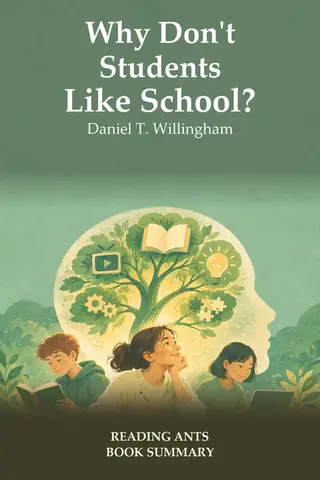
Why Don't Students Like School?
Daniel T. Willingham
Cognitive scientist Daniel Willingham uses research on how the mind works to explain why thinking is hard, why knowledge matters and how teachers and students can make learning more effective and enjoyable.
🎓 Parenting & Education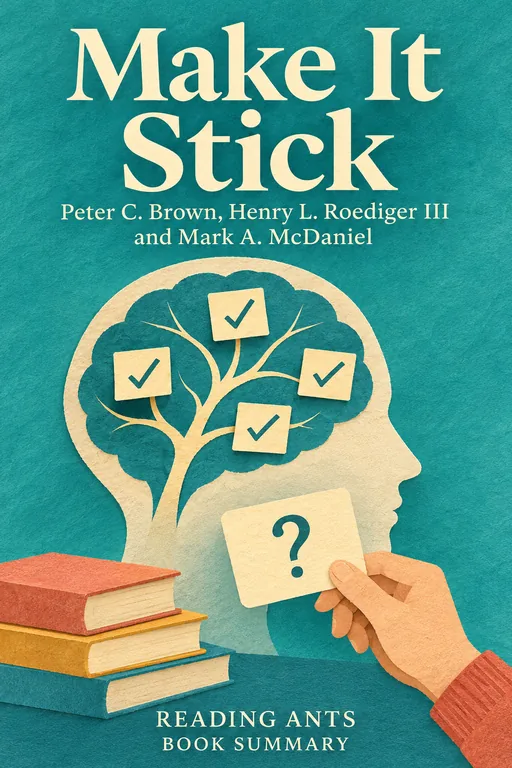
Make It Stick
Peter C. Brown, Henry L. Roediger III and Mark A. McDaniel
A writer and two cognitive scientists explain, with research and stories, that effective learning is often effortful, and that retrieval practice, spacing, interleaving and other "desirable difficulties" help knowledge to stick, while popular habits such as rereading do not.
🌱 Self-Improvement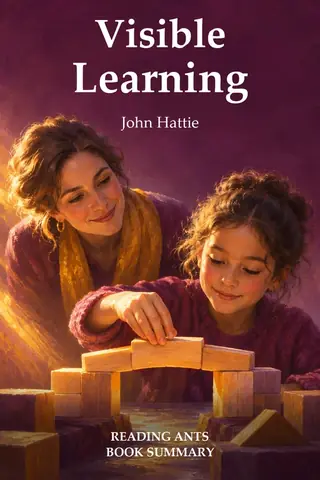
Visible Learning
John Hattie
John Hattie gathers hundreds of research reviews on what helps school students learn, compares them on a single scale, and concludes that what teachers do, and how well they see learning through their students' eyes, matters most.
🎓 Parenting & Education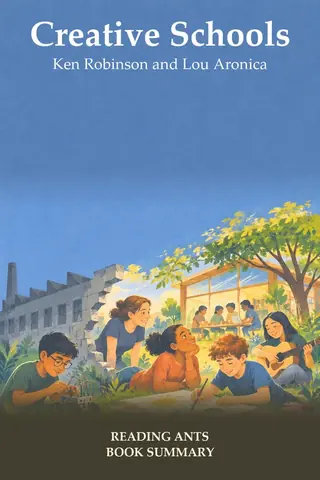
Creative Schools
Ken Robinson and Lou Aronica
Ken Robinson and Lou Aronica argue that schools are held back by a factory-style model of standardized testing, and call for an approach built on personalization, creativity and the real interests of students and teachers.
🎓 Parenting & Education
How Children Succeed
Paul Tough
Journalist Paul Tough argues that qualities like perseverance, curiosity and self-control matter more for children's success than test scores alone, and that these qualities can be nurtured, especially for children who face hardship.
🎓 Parenting & Education
How to Talk So Kids Will Listen and Listen So Kids Will Talk
Adele Faber and Elaine Mazlish
Parents can get better cooperation and closer relationships by acknowledging children's feelings, describing problems instead of blaming, and using simple, respectful communication skills.
🎓 Parenting & EducationWant something different?
Pick another topic and we will show you three books to start with.