 Reading Ants
The Adventures of Pinocchio
Original title: Le avventure di Pinocchio. Storia di un burattino
A troublesome wooden puppet repeatedly ignores good advice, but love, hard work and responsibility gradually help him become a caring human boy.
Overview
Carlo Collodi’s The Adventures of Pinocchio is stranger and sharper than many gentle screen versions. Geppetto carves a talking puppet who immediately runs away, lies and follows exciting strangers. Pinocchio wants freedom and easy success, yet his choices repeatedly endanger him and hurt those who care for him. A Talking Cricket, a mysterious blue-haired Fairy and Geppetto try to guide him, while the Fox and Cat exploit his impatience. The story moves through a dreamlike Italy of puppet theaters, prisons, giant sea creatures and children transformed into donkeys. Its punishments can be frightening, but its central hope is that character is not fixed: Pinocchio can learn to care for others and direct his lively energy toward good ends.
Main Characters
- Pinocchio: a living wooden puppet who is impulsive, curious and capable of change.
- Geppetto: his poor maker and loving father.
- The Fairy with Turquoise Hair: a magical guide who tests, forgives and teaches Pinocchio.
- The Talking Cricket: a voice of good sense whom Pinocchio dislikes hearing.
- The Fox and the Cat: Tricksters who repeatedly exploit Pinocchio’s greed and trust.
- Mangiafuoco: the frightening but not entirely heartless director of a puppet theater.
- Candlewick: a boy who tempts Pinocchio toward a life without school or work.
Full Summary
A Puppet Runs Away
A talking piece of wood reaches the poor carpenter Geppetto, who carves it into a puppet and names him Pinocchio. Before his feet are even finished, Pinocchio causes trouble. Once able to walk, he runs into the street and Geppetto is blamed for the chaos. At home, the Talking Cricket warns Pinocchio that children who reject learning and work often regret it. Pinocchio angrily throws a tool at him.
Cold and hungry, Pinocchio burns his feet while sleeping near a stove. Geppetto repairs them and sells his coat to buy the puppet a schoolbook. Pinocchio is touched and promises to study, but the sound of music soon distracts him. He sells the book and enters a puppet theater.
The Theater and the Coins
The stage puppets recognize Pinocchio as one of their own and interrupt the performance to welcome him. Their director, Mangiafuoco, first threatens him, then shows mercy. Hearing about Geppetto’s poverty, he gives Pinocchio five gold coins to take home.
On the road, the Fox and Cat claim that planting money in a magical field will make it multiply. The Cricket’s ghost and other helpers warn Pinocchio, but he wants an easy fortune. The tricksters pursue him in disguise and hang him from a tree when he resists. The blue-haired Fairy has him rescued. When she asks about the coins, he lies, and his nose grows longer with each falsehood until birds shorten it.
The Field of Miracles
Pinocchio leaves the Fairy and again meets the Fox and Cat. He buries his coins as they advise, expecting a tree covered in money. The pair steal them. When Pinocchio reports the crime, a foolish legal system imprisons him instead of helping him. Released later, he tries to return to the Fairy but encounters further obstacles and punishment.
Pinocchio learns that Geppetto has gone to sea searching for him. Trying to follow, the puppet is swept into danger. He reaches an island and promises the Fairy, who now acts as his mother, that he will attend school and behave. For a while he improves, though other boys mock him and pull him toward fresh trouble.
Nearly Becoming Good
A school fight leads to another boy being injured, and Pinocchio is blamed. He escapes a police dog, Alidoro, and has a further narrow escape from a fisherman. Earlier, caught stealing, he had earned his freedom by acting as a watchdog and helping to catch thieves. He returns to the Fairy determined to change. She tells him that he may soon become a real boy if he continues to study and act well.
The night before the promised celebration, Candlewick invites him to a place where children never study and play all day. Pinocchio knows better but goes anyway. At first the land seems perfect. Then the boys grow donkey ears and hooves. Their endless amusement has turned them into animals sold for labor.
A Donkey and a Fish
As a donkey, Pinocchio is sold and trained for a circus. After he is injured, a new owner tries to drown him so that his hide can be used. Fish eat away the donkey skin underwater, revealing the wooden puppet inside. Pinocchio escapes, only to be swallowed by a gigantic sea creature.
Inside its dark belly, he finds Geppetto, who has survived there for a long time. Their reunion changes the meaning of courage for Pinocchio. Instead of chasing excitement, he makes a plan to save his father. They escape while the creature sleeps, and Pinocchio carries the weak Geppetto through the sea.
A Real Boy
Back on land, Pinocchio works to support Geppetto. He studies when he can, saves money and helps the Fairy when he hears that she is ill and poor. These acts are not tricks performed to win a reward. He has begun placing another person’s needs before his own comfort.
One morning Pinocchio wakes as a human boy. Nearby lies the lifeless puppet body that represents his earlier self. Geppetto is healthy and their home has improved. Pinocchio has not earned humanity by becoming quiet or perfect; he earns it by becoming responsible, truthful and loving. His adventures end where dependable daily life begins.
Why It Matters
Pinocchio became one of children’s literature’s most recognizable characters, but the original story remains valuable beyond the famous growing nose. Collodi combines fantasy, folk humor and social satire. Courts punish victims, adults exploit children, hunger drives choices, and schooling can be both an opportunity and a burden. The world is morally instructive without being orderly or always fair.
The puppet’s transformation gives the story its enduring shape. Pinocchio is not born obedient; he learns through repeated failure. His final change occurs when he works and cares for Geppetto, not simply when magic rewards a promise. Adaptations often soften the frightening episodes, yet the book’s mixture of delight and danger has influenced countless later tales about artificial beings, unruly children and the meaning of becoming human.
Key Takeaways
- Freedom includes consequences. Pinocchio wants to do whatever he likes, but learns that choices can narrow rather than expand his future.
- Easy riches attract dishonest guides. The Fox and Cat succeed whenever Pinocchio prefers magical profit to patient effort.
- Lying damages trust. The growing nose makes an inner problem visible, but truthfulness matters because relationships depend on it.
- Mistakes need not define a person. Pinocchio fails repeatedly and still remains capable of choosing differently.
- Care makes him fully human. Supporting Geppetto shows deeper growth than merely avoiding punishment.
What We Can Learn
Before following an exciting offer, pause and ask who benefits, what evidence supports it and why trusted people are warning against it. Pinocchio’s worst decisions happen when urgency and wishful thinking silence those questions. His story also suggests that apologies matter most when behavior changes afterward.
Adults can learn from the book too. Pinocchio needs boundaries, but he also needs food, education, forgiveness and someone who believes change is possible. Fear alone does not teach him responsibility. In everyday life, becoming dependable happens through ordinary choices: doing promised work, telling the truth early, saving rather than chasing shortcuts, and helping family or friends without waiting for a prize.
Criticism and Counterpoints
The punishments are harsh by modern standards. Pinocchio is threatened, attacked, imprisoned and nearly killed, which may frighten young readers despite the comic tone. The story can also seem to equate goodness too closely with obedience, school and work, leaving less room to value healthy play or question unfair adults.
Its social satire complicates that message because many authorities are foolish or corrupt. Modern readers may therefore treat it as a conversation about judgment rather than a simple rulebook. Different translations also vary in tone and detail, and shortened adaptations may omit much of Collodi’s darker world.
Who Should Read It
This suits children who enjoy unusual fairy tales and adults curious about the darker source behind familiar adaptations. Younger readers may benefit from reading it with an adult because of frightening punishments and old-fashioned moral lessons. It is especially good for discussing honesty, scams, responsibility and second chances.
Want the whole book?
A summary is a taste, not the meal. Here is where to find the full book.
You reached the end 🎉
Nicely done. Mark this one as read, and we will suggest what to read next.
Read this next
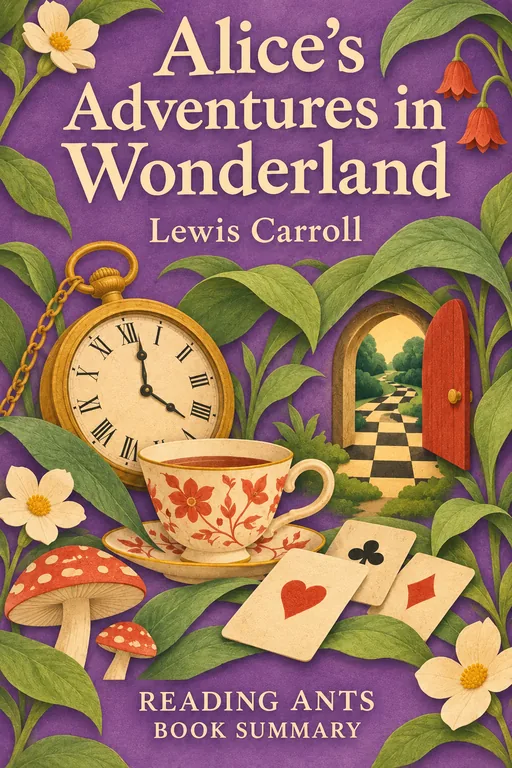
Alice's Adventures in Wonderland
Lewis Carroll
A curious girl follows a white rabbit down a hole into a crazy world where she keeps changing size, meets mad and marvelous creatures, and stands up to a furious Queen.
🧸 Children's Books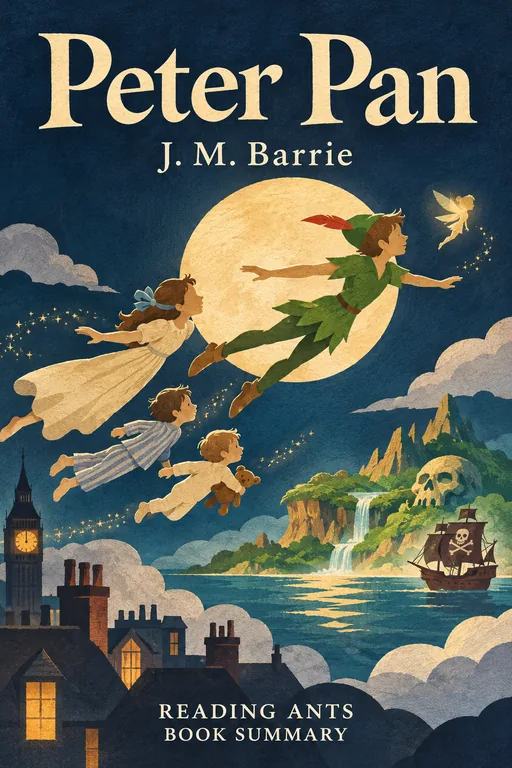
Peter Pan
J. M. Barrie
A magical boy who refuses to grow up flies three London children to Neverland, where they battle pirates led by the villainous Captain Hook, until Wendy realizes they must go home and grow up.
🧸 Children's Books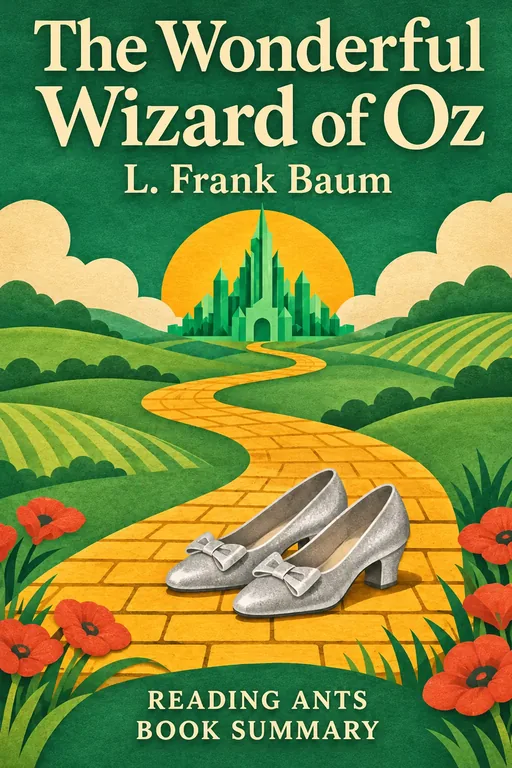
The Wonderful Wizard of Oz
L. Frank Baum
Swept by a cyclone to the magical Land of Oz, a Kansas girl follows the yellow brick road with three unusual friends to ask a great wizard for help, and learns they already had what they were seeking.
🧸 Children's Books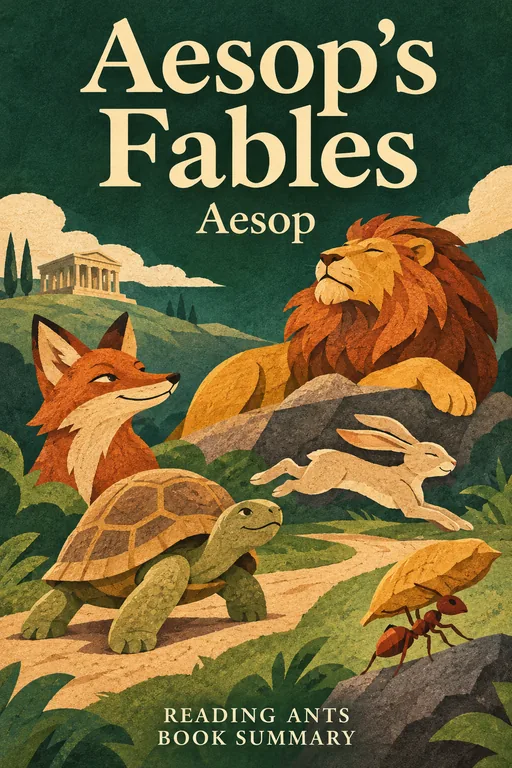
Aesop's Fables
Aesop
A collection of very short stories, mostly about talking animals, each teaching a simple lesson about life, such as slow and steady wins the race, and don't cry wolf.
🧸 Children's Books
The Little Prince
Antoine de Saint-Exupery
A pilot stranded in the desert meets a small boy from a tiny planet, who teaches him that the most important things in life, like love and friendship, can only be seen with the heart.
🌍 World Literature
Things Fall Apart
Chinua Achebe
Okonkwo, a proud and fearsome leader in an Igbo village in Nigeria, struggles against his own fears and against the arrival of British missionaries and colonial rulers, who change his world forever.
🌍 World LiteratureWant something different?
Pick another topic and we will show you three books to start with.