The Borrowers
A tiny family who live under the floor of an old English house and survive by "borrowing" small things from the humans find their secret threatened when their daughter makes friends with a boy, and they are hunted from their home.
Overview
The Borrowers is a children’s fantasy by the English author Mary Norton, published in 1952, and it won the Carnegie Medal. It imagines a hidden world of tiny people who live inside the walls and below the floors of a large house and take what they need from the humans, such as small household items. The story is told with careful detail, and treats the miniature world as practical and real. It is suspenseful and warm, and it led to four sequels as well as film and television versions.
Main Characters
- Arrietty Clock: a young, curious, adventurous girl who longs to see the outside world.
- Pod Clock: her father, a skilled, careful borrower who goes upstairs for supplies.
- Homily Clock: her mother, anxious, houseproud and fond of nice things.
- The Boy: a child sent from India to recover from an illness, who is staying at the house and befriends Arrietty.
- Mrs. Driver: the suspicious, bad-tempered cook, who dislikes children.
- Great-Aunt Sophy: the old, bedridden lady who owns the house.
- The rat-catcher: a man called in to get rid of the family.
- Mrs. May and Kate: the storyteller and the girl she tells the tale to, in the frame story.
Full Summary
A hidden family
The story begins with a frame. A girl named Kate is crocheting with Mrs. May, an older relative, and she complains that some of her supplies have gone missing. Mrs. May says that small things like this are taken by the Borrowers, tiny people who live unseen in old houses and “borrow” what they need from the “human beans,” as they call people. She then tells the tale of how her younger brother once befriended a young Borrower. In a large English house, a family named Clock, Pod, Homily and their daughter Arrietty, live under the floor beneath a grandfather clock. Their home is furnished with small things that Pod has borrowed from the humans. They live by one strict rule: they must never be seen, because being seen is dangerous.
Pod is seen
One day Pod comes home shaken from a borrowing trip. A boy, who has been sent from India to stay with his great-aunt while he recovers from an illness, has seen him. Pod and Homily remember what happened to a relative, Eggletina, who disappeared after the humans brought a cat into the house, and they decide to tell Arrietty the truth about the dangers. Homily also realizes that Arrietty, who is fourteen and curious about the world, ought to be allowed to go borrowing with her father.
Arrietty meets the Boy
A few days later, Pod takes Arrietty on her first borrowing trip. She has only ever seen the outdoors through a grating, and she is allowed to explore the garden, where she meets the Boy. They are both nervous at first, but they strike a bargain: he will bring her books if she reads aloud to him. Arrietty talks to him about the world, and she realizes that she cannot be sure whether any Borrowers other than her own family are still alive. The Boy offers to take a letter to a badger sett, where her uncle and his family are said to have gone. He returns with a reply, and Pod catches Arrietty taking it from him and brings her home, and the family fears that they will be forced to leave the house.
Gifts and suspicion
Instead of driving them out, the Boy finds the Clocks’ home and brings them presents of furniture from a forgotten dollhouse. Homily is alarmed at first and then delighted, and for a while the family has more than they ever dreamed of, although Pod worries that Homily’s wish for more and more things will put them in danger. Meanwhile, Mrs. Driver, the cook, who dislikes children, grows suspicious that the Boy is up to no good. She catches him trying to open a cabinet full of valuable miniatures and becomes sure that he is a thief.
Discovery and the rat-catcher
One night, Mrs. Driver notices the light of a candle shining up between the floorboards. She looks underneath and is horrified to discover the Borrowers in their home. To stop the Boy from helping them, she locks him in his room, and she hires a rat-catcher to clear out the house with fumigation. The family is in terrible danger, and the Boy, who is about to be sent back to India, has very little time in which to help them.
Escape into the world
The Boy gets away from Mrs. Driver and runs outside, where he breaks open the grating, hoping to give the family a way out. While he waits for them to come out, the cab arrives that will take him away, and Mrs. Driver drags him into it. The fate of the Borrowers is left unknown. The story returns to the frame, where Mrs. May explains that the Boy was her brother. Later she visited the house herself and left small gifts near the badger sett, which disappeared. She also found a tiny notebook that told the whole story. Kate is delighted and thinks that it proves the Borrowers survived, but Mrs. May points out that the handwriting looks just like her brother’s.
Why It Matters
The Borrowers is a classic of children’s fantasy, notable for the care with which Norton imagines the practical details of life on a miniature scale, so that a safety pin, a postage stamp or a cotton reel becomes a tool or a household treasure. This attention to detail makes the fantasy feel real. The story also explores themes of curiosity, fear of the unknown and the relationship between the very small and the very large. It influenced later books and films about tiny people, and it gave readers a new way of looking at the objects in their own homes.
Key Takeaways
- Curiosity can be risky but valuable. Arrietty’s wish to explore leads to both friendship and danger.
- Small things can matter. Tiny objects become treasures in the Borrowers’ world.
- Secrecy protects, but isolation hurts. The family is safe but lonely.
- Good intentions can cause harm. The boy’s gifts help the family and also endanger it.
- Resourcefulness helps survival. The Clocks make a whole home from borrowed odds and ends.
What We Can Learn
You can learn from the Borrowers to look at ordinary things with fresh eyes, and to appreciate how resourceful one can be with little. The story also shows that wanting to explore and to make friends is natural, but that it can bring risks which must be thought about carefully. It encourages empathy for those who are small or weak, and asks whether helping someone can sometimes cause harm if we do not listen to them. Try imagining how you would use ordinary objects if you were only a few inches tall.
Criticism and Counterpoints
Some readers find that the story moves slowly, with a lot of description of objects and houses, and that the framing narrative, in which one person tells another about the story, may be hard for young readers to follow. Others feel that the ending is uncertain, since it leaves the family’s fate unknown, so that the sequels are needed to resolve it. A few critics note that the cook and the rat-catcher are portrayed as simple villains, and that the idea of the Borrowers as “borrowing” without asking raises a question about the morality of their behavior, though the book treats it as natural.
Who Should Read It
This book is for children from about eight, for readers who love small details and imaginative worlds, and for those who enjoy gentle suspense. It can also be read aloud. Those who enjoy it may continue with the sequels, which follow the family’s later adventures.
Want the whole book?
A summary is a taste, not the meal. Here is where to find the full book.
You reached the end 🎉
Nicely done. Mark this one as read, and we will suggest what to read next.
Read this next
Stuart Little
E. B. White
A tiny, brave, mouse-sized boy born to a human family in New York has a series of small adventures and then sets out on a long journey to find his friend, a bird who has disappeared.
🧸 Children's Books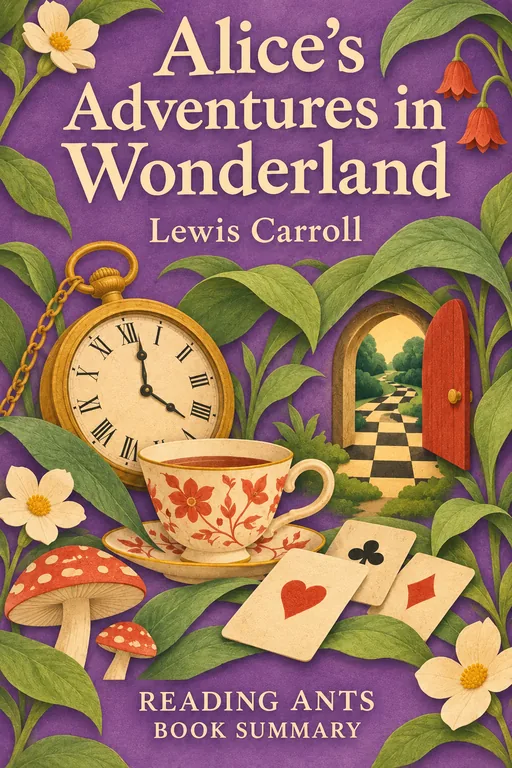
Alice's Adventures in Wonderland
Lewis Carroll
A curious girl follows a white rabbit down a hole into a crazy world where she keeps changing size, meets mad and marvelous creatures, and stands up to a furious Queen.
🧸 Children's Books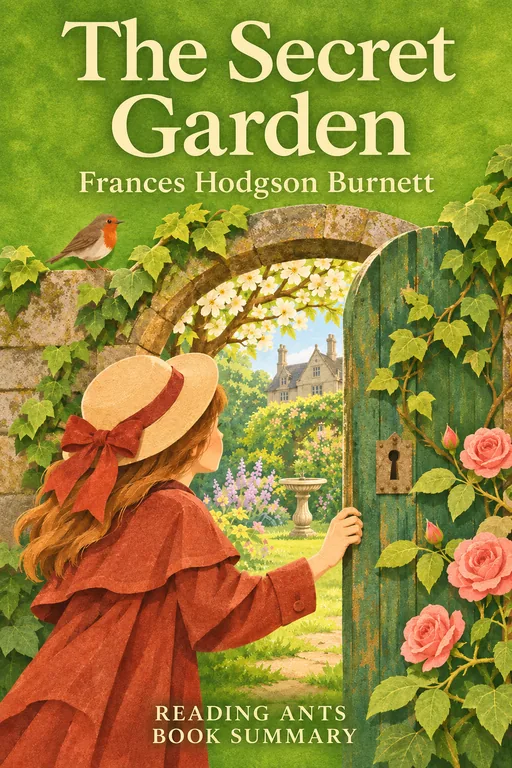
The Secret Garden
Frances Hodgson Burnett
A lonely, spoiled orphan sent to live in a gloomy English mansion discovers a locked, forgotten garden, and as she brings it back to life with two new friends, she and her sickly cousin are healed too.
🧸 Children's BooksThe Tale of Despereaux
Kate DiCamillo
A small mouse with large ears, who loves music, stories and a princess, is sent to the dungeon for his unmouselike behavior, and, with a rat and a girl who both long for something, he becomes entangled in a tale of light, love and forgiveness.
🧸 Children's Books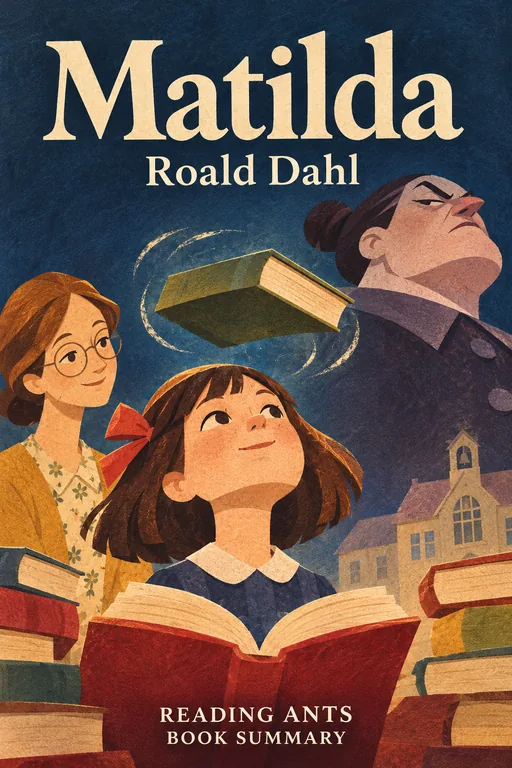
Matilda
Roald Dahl
A brilliant little girl with awful parents and a terrifying headmistress discovers she has magical powers, and uses her wits and her magic to help the one adult who truly cares for her.
🧸 Children's Books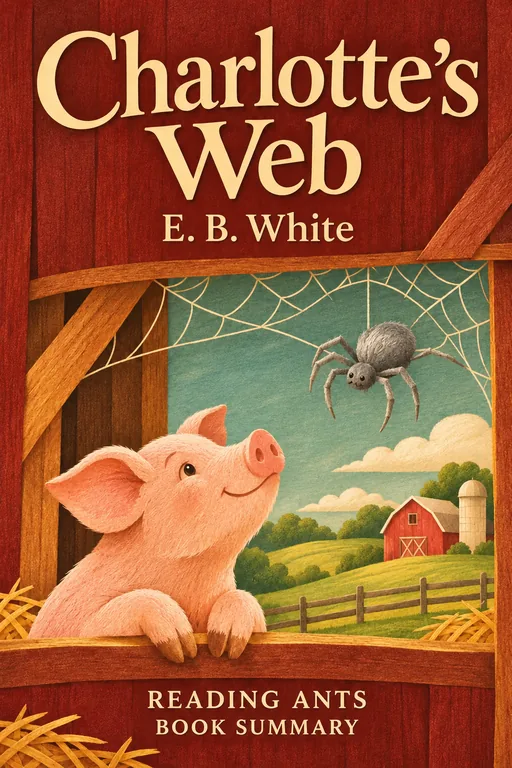
Charlotte's Web
E. B. White
A lonely pig named Wilbur learns he is going to be killed, and his clever friend Charlotte, a spider, comes up with an amazing plan to save his life.
🧸 Children's BooksWant something different?
Pick another topic and we will show you three books to start with.