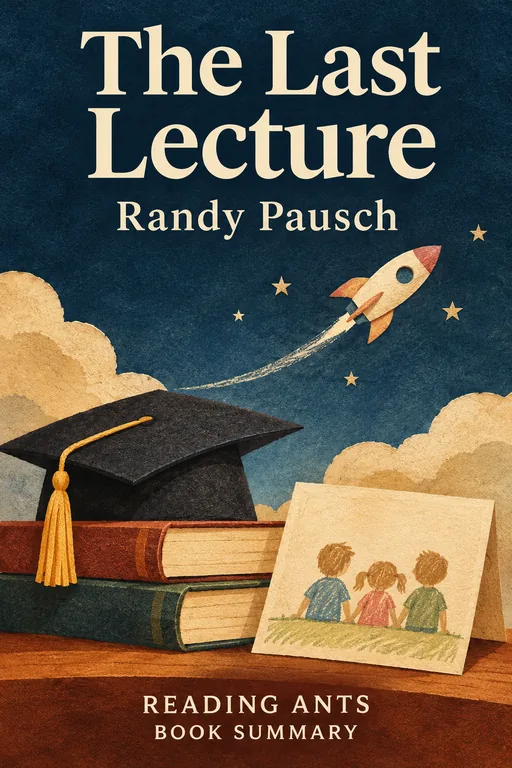
The Last Lecture
Dying of pancreatic cancer, computer science professor Randy Pausch shares life lessons about achieving your dreams, helping others and enjoying every moment, in a book based on his famous farewell lecture.
Overview
The Last Lecture was written by Randy Pausch, a professor of computer science, human-computer interaction and design at Carnegie Mellon University, with the journalist Jeffrey Zaslow, and published in 2008. Pausch was first diagnosed with pancreatic cancer in 2006; in 2007, he learned that it had returned and was terminal. At his university, professors traditionally gave a “last lecture,” thinking about what they would say if it were their final chance. On September 18, 2007, Pausch gave his, titled “Really Achieving Your Childhood Dreams,” to a packed hall. A video of it spread across the Internet and was watched by millions. He then wrote this book, mostly by speaking to Zaslow during bike rides, for his three young children. He died in July 2008.
Full Summary
1. The lecture and the elephant in the room
The idea: Pausch begins the lecture and the book by acknowledging the “elephant in the room”: he is dying, with a few months left. But he says he is not going to be depressed, since he is feeling healthy for now and wants to focus on living. He explains that he wants to talk about his childhood dreams and how to achieve them, and the lessons he learned, so that his children will know him. The book is thus both a lecture and a long letter to his family.
In real life: Writing down what you want your family to know about you can be a gift for them.
2. Childhood dreams
The idea: Pausch describes his list of childhood dreams, such as being in zero gravity, playing in the National Football League, writing an article for the World Book Encyclopedia, being Captain Kirk, winning stuffed animals at fairs and becoming a Disney Imagineer. He says that he achieved many of them, or something like them, and that even those he did not achieve taught him lessons. For example, he never made the NFL, but he learned about teamwork and determination from his coach.
In real life: Writing a list of dreams as a child and revisiting it as an adult can reveal what still matters to you.
3. Brick walls and how to get past them
The idea: One of the most quoted ideas is about brick walls. Pausch says that brick walls are there for a reason: they are not there to keep us out, but to give us a chance to show how badly we want something. They stop the people who don’t want it enough. He gives examples from his own life, such as being rejected from a graduate school and persuading the program to accept him anyway, and being turned down by Disney at first.
In real life: When a goal is difficult, the effort you are willing to give is a measure of how much it means to you.
4. Head fakes and teaching
The idea: Pausch describes the head fake, a way of teaching that hides the real lesson inside something fun. His “Building Virtual Worlds” course at Carnegie Mellon had students create video-game-like worlds, and they learned teamwork, programming and creativity without realizing how much they were learning. He also stresses the value of feedback: he asks for it and tells students to listen to it, even when painful, and to use it. He pays tribute to his mentors, particularly a football coach and professors who taught him.
In real life: A parent who makes chores into a game is using a head fake of their own.
5. Being honest, working hard and helping others
The idea: Pausch emphasizes qualities such as honesty, gratitude, hard work and the value of apologizing sincerely. He urges people not to complain but just to work harder, and to be the kind of person who is a pleasure to work with. He tells stories about his wife, Jai, whom he adored, and about the importance of showing appreciation. He argues that we should treat others generously, since the way you get through life is by being around people you like and who like you.
In real life: Writing a thank-you note to a mentor or teacher can mean a great deal to them.
6. Living in the time you have
The idea: At the end, Pausch reveals that the lecture was really for his children, and that he is giving advice to them and to everyone. He says that we cannot change the cards we are dealt, only how we play them, and that time is all we have. He points to the importance of enjoying small things, like playing with his kids, and says that he has lived a life with few regrets. The last slide of his lecture reveals one more head fake: a talk that seemed to be about achieving dreams was really meant for his children.
In real life: Spending an afternoon with someone you love, with no phone or distraction, is a way to use time well.
Why It Matters
The Last Lecture spent months at the top of bestseller lists and was translated into dozens of languages. The video of the original lecture became one of the most viewed online lectures at the time, and Pausch appeared on television programs such as Oprah and Good Morning America. His message of positivity in the face of death touched many people.
The book is often given to graduates, students and those facing difficult times, and it contributed to wider conversations about how to talk about death and legacy.
Pausch’s own work also lives on, since the virtual-worlds software he helped create, called Alice, is still used to teach programming to young people, which shows how his teaching ideas continue to have an effect.
Key Takeaways
- Dreams give direction. Childhood dreams can guide a life.
- Brick walls test commitment. Obstacles show how much you want something.
- Feedback is a gift. Listen and learn from criticism.
- Be grateful and generous. Relationships are what matter.
- Time is precious. Use it well and enjoy it.
What We Can Learn
The book reminds us that how we face difficulty matters. Pausch’s optimism was not denial: he acknowledged his situation honestly, and chose to focus on gratitude and action.
It also shows the value of mentors and teachers. Learning from others, and passing on what we learn, is a way to leave something behind.
Finally, it encourages us to plan our time with care. We do not need a terminal diagnosis to ask what we want to do and who we want to be with.
Criticism and Counterpoints
Some readers feel that the book is too upbeat and simple, and that it offers conventional advice that does not address the harder emotional realities of dying. Others point out that Pausch’s optimism, success and strong family and professional support are not available to everyone, and that the “brick walls” message can sound dismissive of people who face real structural barriers.
A few critics found its tone self-congratulatory, or noted that the book repeats the lecture closely. Still, most readers find it moving and honest, and appreciate that it was written out of love for his children.
Who Should Read It
This book suits readers from about age ten up to adults. It is short, with brief chapters, and warmly written, but it deals with a parent’s approaching death. It may be a good book for families to read together and talk about.
Want the whole book?
A summary is a taste, not the meal. Here is where to find the full book.
You reached the end 🎉
Nicely done. Mark this one as read, and we will suggest what to read next.
Read this next
Tuesdays with Morrie
Mitch Albom
Sportswriter Mitch Albom visits his old college professor, Morrie Schwartz, every Tuesday as Morrie dies of ALS, and records the wisdom about life, love and death that Morrie shares in his last months.
🌱 Self-Improvement
When Breath Becomes Air
Paul Kalanithi
Paul Kalanithi, a young neurosurgeon, writes about facing terminal lung cancer at thirty-six and asks what makes a life meaningful when time is short.
👤 Real Lives
Being Mortal
Atul Gawande
Surgeon and writer Atul Gawande argues that modern medicine is good at fighting death but poor at helping people live well as they age and approach the end, and that doctors and families should focus on what matters most to the person.
👤 Real Lives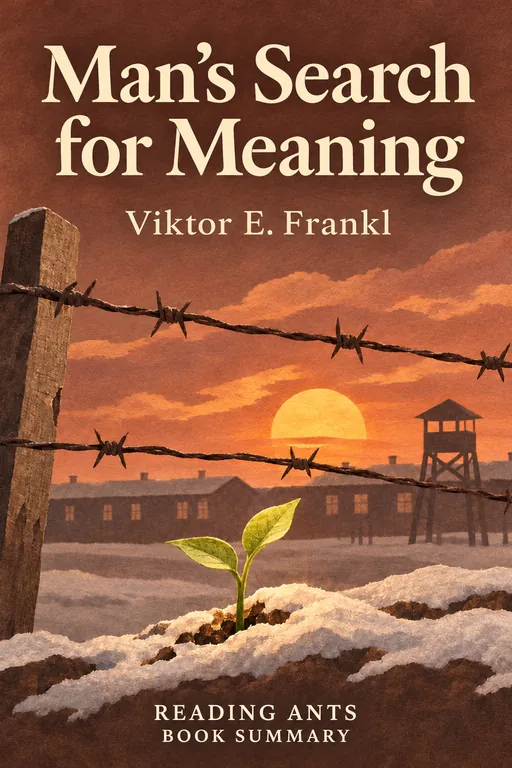
Man's Search for Meaning
Viktor E. Frankl
A psychiatrist who survived the Nazi concentration camps explains that even in the worst suffering, people can choose their attitude, and that finding a reason to live is what gives us the strength to endure.
👤 Real Lives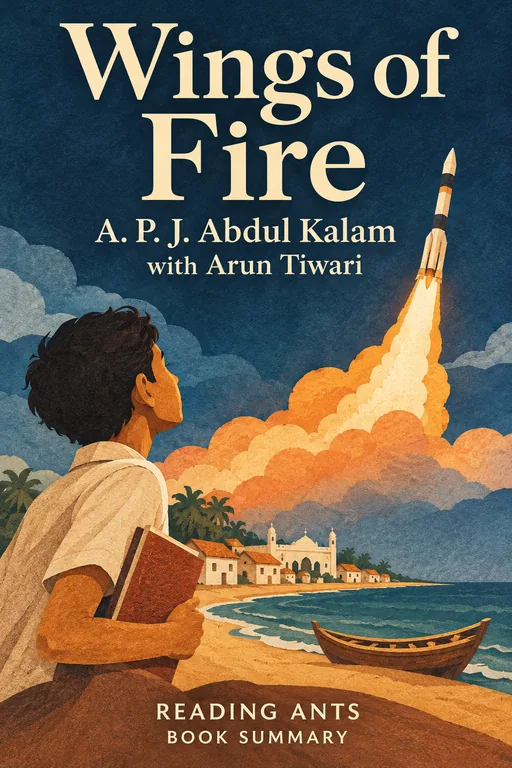
Wings of Fire
A. P. J. Abdul Kalam with Arun Tiwari
A. P. J. Abdul Kalam tells how a boy from a poor family in a small town in southern India became a leading rocket scientist and helped build India's space and missile programs.
👤 Real Lives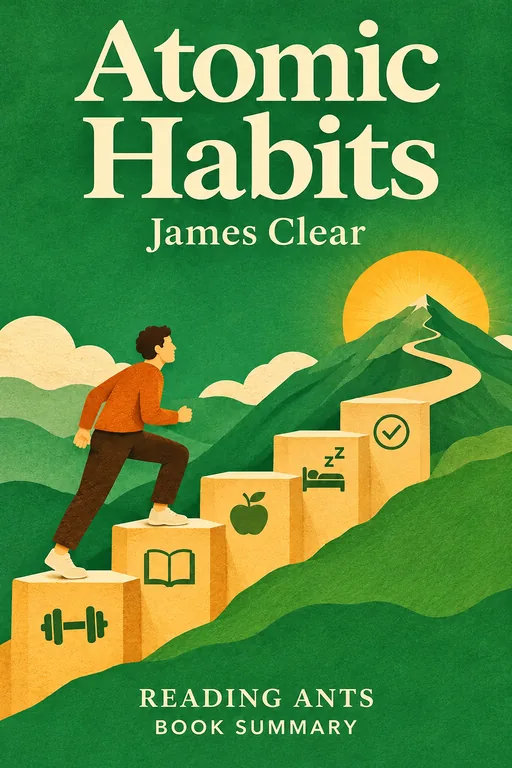
Atomic Habits
James Clear
Big changes in life come not from huge leaps but from tiny habits repeated every day, and you can build good habits (and break bad ones) by designing your life so the right choices are obvious, attractive, easy and satisfying.
🌱 Self-ImprovementWant something different?
Pick another topic and we will show you three books to start with.