 Reading Ants
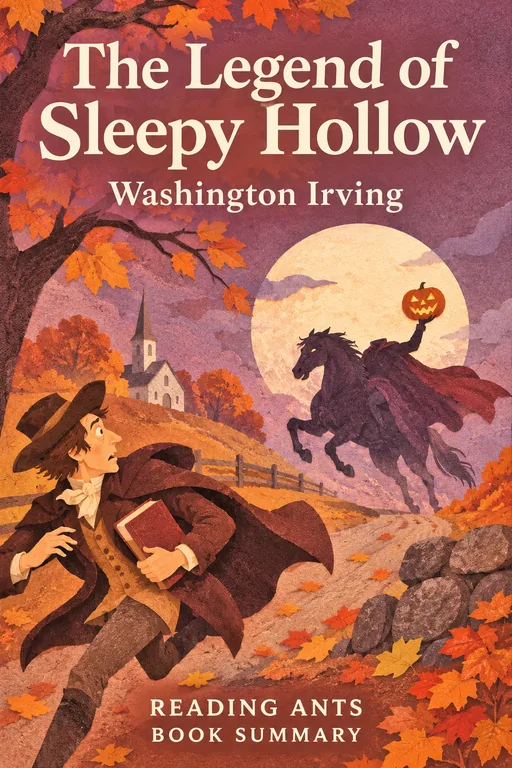
The Legend of Sleepy Hollow
A superstitious schoolteacher, Ichabod Crane, who hopes to marry a rich farmer's daughter, is frightened out of the valley of Sleepy Hollow by a legendary headless horseman, who may or may not be his rival in disguise.
Overview
The Legend of Sleepy Hollow is a short story by the American writer Washington Irving, published in 1820 in a collection called The Sketch Book of Geoffrey Crayon, Gent. It is set in a quiet Dutch farming community in the Hudson Valley of New York, in the years after the American Revolution. The story is a mixture of humor, folklore and spooky atmosphere, and its villain, the Headless Horseman, has become one of the most famous ghosts in popular culture. It has been adapted many times for film and television.
Main Characters
- Ichabod Crane: a tall, thin, gullible schoolteacher from Connecticut, who is greedy and fearful.
- Katrina Van Tassel: the pretty, wealthy daughter of a prosperous farmer.
- Brom Bones: a strong, boisterous local hero, and Ichabod’s rival.
- Baltus Van Tassel: Katrina’s father, a rich Dutch farmer.
- The Headless Horseman: the ghost of a Hessian soldier who lost his head in battle.
- Gunpowder and Daredevil: the horses involved in the story. Gunpowder is the old plow horse that Ichabod borrows from his host, Hans Van Ripper, and Daredevil is Brom’s spirited steed.
- The villagers: the old Dutch wives and men who tell ghost stories.
Full Summary
The sleepy valley
The story is set in a quiet glen called Sleepy Hollow, near the village of Tarry Town, on the Hudson River, where the air seems to cast a spell, and where the people are believed to see visions and strange things. The most famous apparition is a headless horseman, said to be the ghost of a Hessian soldier, whose head was carried off by a cannonball in a battle of the Revolutionary War, and who rides at night in search of it.
Ichabod Crane
Ichabod Crane, a lanky schoolmaster from Connecticut, teaches the local children, and supplements his meager pay by boarding with local families and giving singing lessons. He is vain, greedy, and a great lover of food. He is also very superstitious, a devoted reader of Cotton Mather’s book on New England witchcraft, and he is thrilled by the tales that the old women tell. Katrina Van Tassel, the farmer’s only child, is one of his singing pupils. When he visits her father’s plump and rich farm, he dreams of marrying her and of turning her inheritance into cash to fund a new life further west.
Rivals
Katrina is pretty, with a coy manner, and she has many suitors. The chief of them is Abraham Van Brunt, known as Brom Bones, a big, loud, good-natured fellow, who is the leader of the local young men, and fond of practical jokes. He does not want a rival, and he teases the schoolmaster, as with pranks and tricks at the schoolhouse. Ichabod keeps a low profile, but he continues to woo Katrina, whom he thinks is encouraging him, although she may only be toying with him.
The party and the ghost stories
One autumn day, a messenger arrives at the schoolhouse with an invitation to a merry-making at the Van Tassel farm. Ichabod dresses in his best and borrows Gunpowder, an old plow horse, from Hans Van Ripper, the farmer he is boarding with. At the party he enjoys the food and the dancing, and imagines himself the owner of it all. Afterward the guests sit and tell war stories and ghost stories, including tales of the Headless Horseman, who is said to vanish at the church bridge. Brom boasts of having raced the ghost and almost won. Ichabod, filled with dread, stays late to talk privately with Katrina. The narrator does not say what happened, but Ichabod comes out dejected and rides home in low spirits.
The ride home
Riding home alone, in the dark, Ichabod is terrified by every sound and shadow. Near a swampy stream, his horse balks, and a huge, shadowy rider appears and keeps pace beside him. When the figure is outlined against the sky, Ichabod sees that it carries its head on the pommel of its saddle. He urges his horse into a gallop, and his saddle slips off as they race toward the church bridge, which he believes will make him safe. After he crosses it, he turns, and sees the rider hurl the head at him. It hits him, and he falls.
The aftermath
The next morning, Ichabod’s hat is found near the bridge, next to a smashed pumpkin, and he is never seen again in the valley. The villagers conclude that he was carried off by the ghost. Years later, an old farmer reports that Ichabod is alive and left the area partly from fear and partly from embarrassment, and that he went on to study law, enter politics and become a local judge. Brom Bones marries Katrina soon after, and he laughs knowingly whenever the story of the pumpkin is mentioned, which suggests that he played the horseman. But the old country wives still insist that Ichabod was taken by the ghost.
Why It Matters
The Legend of Sleepy Hollow is one of the earliest American short stories to achieve worldwide fame, and it helped to create the tradition of American folklore and the ghost story. Irving’s blend of humor and eeriness, along with his vivid description of the Dutch farm life of New York, gave a distinctive flavor to American literature. The image of the Headless Horseman has become a fixture of Halloween, and a symbol of the fear of the unknown. The story has been retold many times, and has made the Hudson Valley a place of legend.
Key Takeaways
- Imagination can be a powerful fear. Ichabod’s belief in ghosts makes him panic.
- Greed can blind. He is more interested in Katrina’s wealth than in her.
- Folklore shapes communities. Local tales give a place its character.
- Humor and horror can mix. The story is both funny and scary.
- Ambiguity makes legends last. We are never sure whether the ghost was real.
What We Can Learn
You can learn from Ichabod that a vivid imagination, if not tempered by reason, can lead to foolish fear, and that greed and vanity can make us act badly. The story is also a reminder that rumors and tales can grow and be believed, and that an unexplained event may have a simple cause. It offers a lesson about humility, as the vain schoolteacher is humbled. You might try reading it aloud, on a dark evening, and enjoying how Irving builds suspense.
Criticism and Counterpoints
Some readers find the story’s portrait of Ichabod unkind, and feel that the author mocks him for being a Yankee outsider. Others note that the long descriptions of the landscape and the food slow down the plot, and that the ghost story itself occupies only a small part of the text. A few critics feel that the female character, Katrina, is hardly developed. Modern readers may also find the story’s reference to the Hessians and to rural people dated. The ambiguous ending frustrates some. However, others see this as part of its charm.
Who Should Read It
This book is for readers from about ten, for lovers of ghost stories and American folklore, and for those who enjoy atmospheric tales at Halloween. It is short, and can be read aloud. Those who like it might also enjoy Irving’s other tales, such as Rip Van Winkle.
Want the whole book?
A summary is a taste, not the meal. Here is where to find the full book.
You reached the end 🎉
Nicely done. Mark this one as read, and we will suggest what to read next.
Read this next
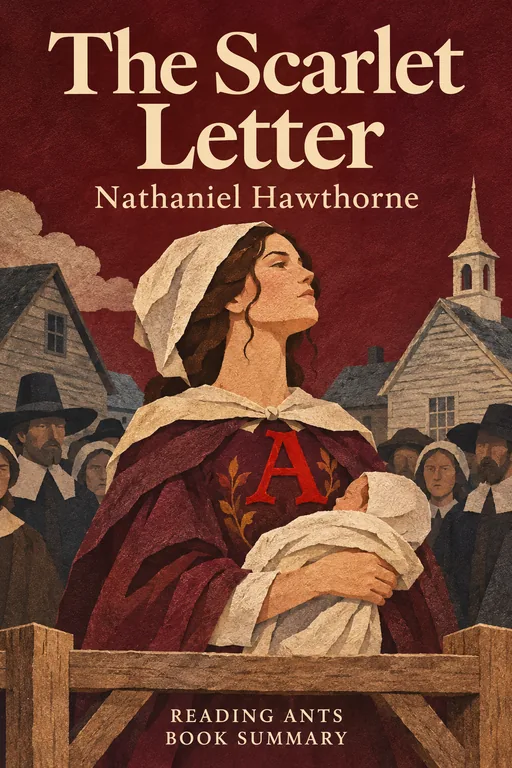
The Scarlet Letter
Nathaniel Hawthorne
In seventeenth-century Boston, a young woman named Hester Prynne is forced to wear a scarlet letter A for adultery, and she bears her shame with dignity while the secret father of her child, a respected minister, is eaten alive by guilt.
📜 Classics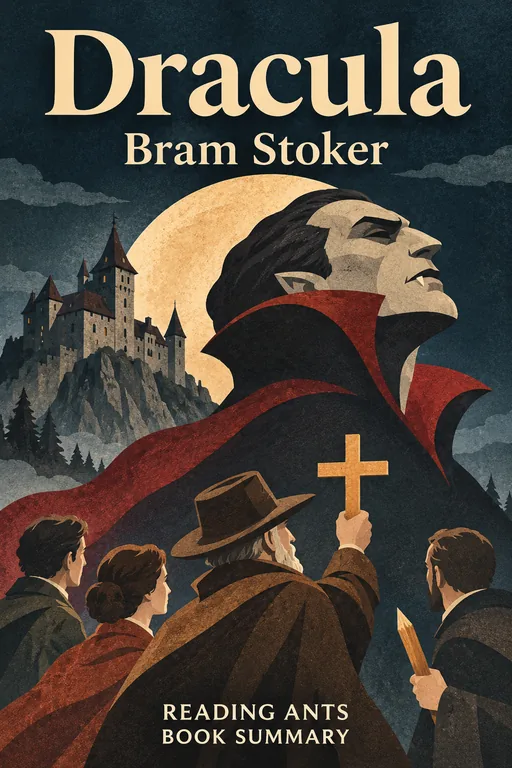
Dracula
Bram Stoker
An ancient vampire count from Transylvania moves to England to spread his curse, and a small band of brave friends, led by a wise Dutch professor, must hunt him down before he destroys them all.
📜 Classics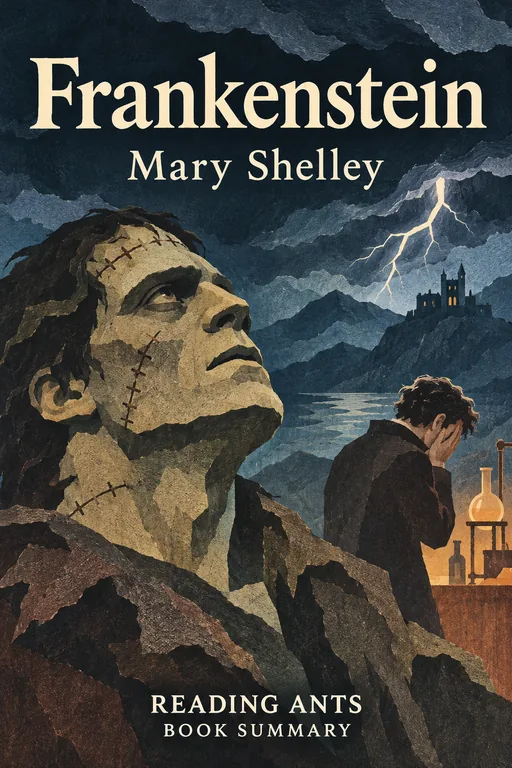
Frankenstein
Mary Shelley
A young scientist creates a living being from dead body parts, then abandons it in horror, and his rejected creation, longing for love, turns to revenge.
🚀 Sci-Fi & Fantasy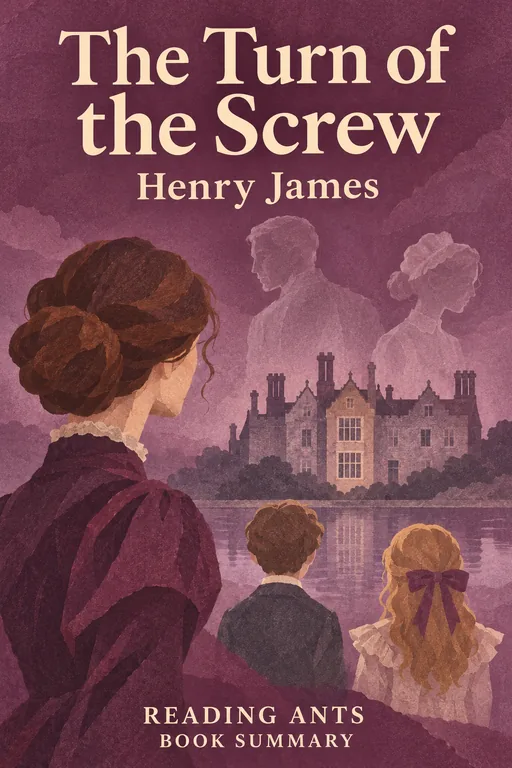
The Turn of the Screw
Henry James
A young governess at a remote English country house becomes convinced that two dead servants are trying to possess the children in her care, but the story leaves it unclear whether the ghosts are real or in her mind.
📜 Classics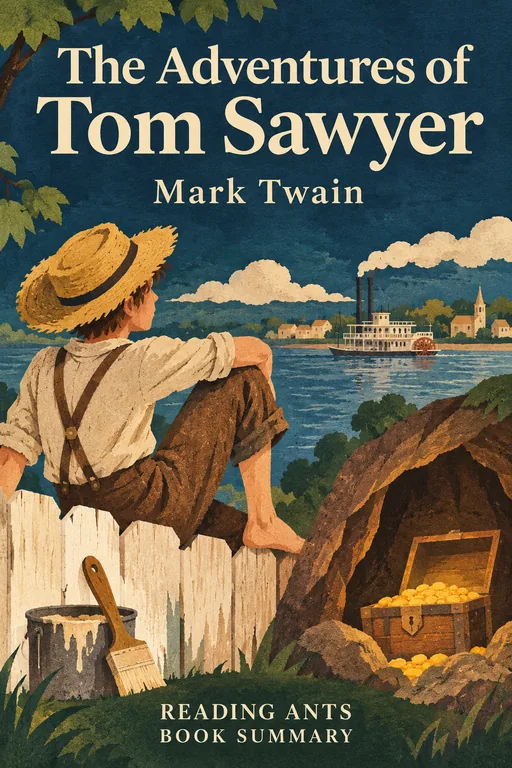
The Adventures of Tom Sawyer
Mark Twain
Tom Sawyer, a mischievous, imaginative boy in a small Mississippi River town, tricks his friends into doing his chores, witnesses a murder, runs off to be a pirate and eventually finds treasure in a cave.
📜 Classics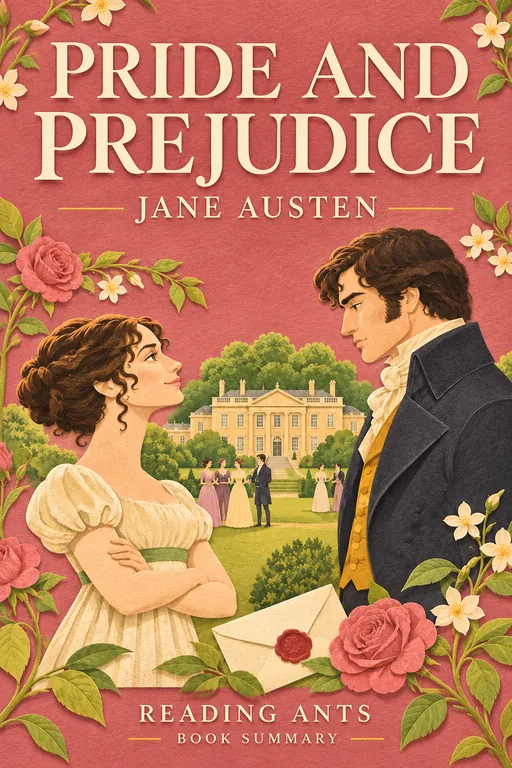
Pride and Prejudice
Jane Austen
Quick-witted Elizabeth Bennet and the proud, wealthy Mr. Darcy badly misjudge each other, and only by facing their own faults do they find their way to love.
📜 ClassicsWant something different?
Pick another topic and we will show you three books to start with.