 Reading Ants
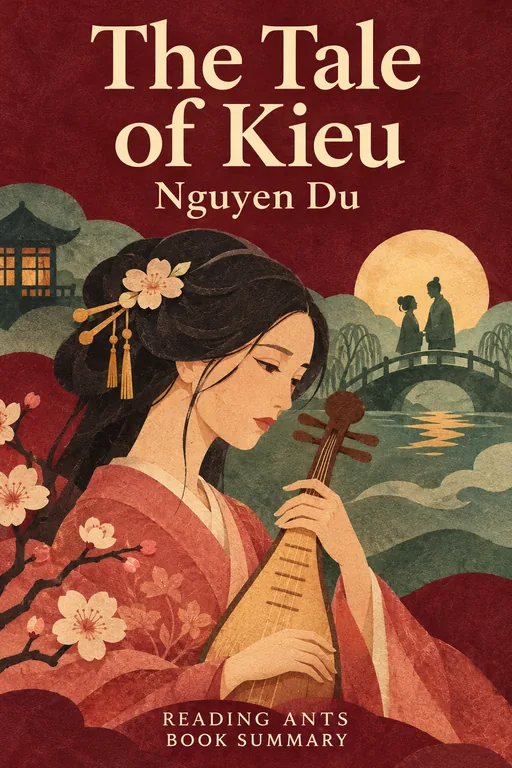
The Tale of Kieu
Original title: Truyện Kiều
A beautiful and gifted young woman sacrifices her love to save her father, and endures fifteen years of misfortune before she is finally reunited with her family and her first love.
Overview
The Tale of Kieu (Truyện Kiều, also called Đoạn Trường Tân Thanh, “A New Cry from a Broken Heart”) is the most celebrated work of Vietnamese literature. Written by the poet Nguyễn Du in the early 1800s, it is a long narrative poem of more than three thousand lines in lục bát, a traditional Vietnamese verse form of alternating six- and eight-syllable lines. Nguyễn Du based the plot on a Chinese novel, but he transformed it with deep feeling and extraordinary poetry. The story, set in Ming-dynasty China, follows Thúy Kiều, a young woman of rare beauty and talent, whose life becomes a series of terrible trials after she sells herself to rescue her family. It explores fate, love, duty and suffering, and many Vietnamese people can recite passages from memory.
Main Characters
- Thúy Kiều: a beautiful, talented and devoted young woman, a poet and musician.
- Thúy Vân: Kiều’s gentle younger sister.
- Vương Quan: Kiều’s younger brother.
- Kim Trọng: a young scholar, Kiều’s first love.
- Mã Giám Sinh: a man who pretends to marry Kiều but works for a brothel.
- Tú Bà: the cruel owner of a brothel.
- Sở Khanh: a deceitful man who tricks Kiều.
- Thúc Sinh: a merchant who rescues Kiều and takes her as his second wife.
- Hoạn Thư: Thúc Sinh’s clever and jealous first wife.
- Từ Hải: a heroic rebel leader who marries Kiều.
- Giác Duyên: a kind Buddhist nun who helps Kiều.
Full Summary
Talent and Fate
The poem opens with a famous reflection: in a human lifetime of a hundred years, talent and destiny seem to be natural enemies. The Vương family has two lovely daughters. Thúy Vân is graceful and serene, but her older sister Thúy Kiều is even more beautiful and is a gifted poet and musician. Her beauty is so great that it seems to make flowers jealous, and the poet hints that such gifts may bring a hard fate.
During the spring Thanh Minh festival, when families visit graves, Kiều comes across the forgotten grave of Đạm Tiên, a once-famous singer who died young and alone. Kiều weeps for her and writes a poem, feeling a strange connection to her fate. That same day she meets Kim Trọng, a handsome young scholar, and they fall in love.
A Pledge of Love
Kim Trọng rents a house next to the Vương family’s garden. When Kiều’s family is away, the two meet, exchange tokens and swear to be faithful forever. Kiều plays the lute for him, a sad melody that foreshadows her future. Soon Kim must leave to attend his uncle’s funeral in a distant region.
The Sacrifice
While Kim is away, disaster strikes. Kiều’s father and brother are falsely accused by a silk merchant and arrested, and officials demand a large bribe to release them. To save her father, Kiều decides to sell herself in marriage, choosing family duty over her own love. Before leaving, she begs Thúy Vân to marry Kim Trọng in her place.
A man named Mã Giám Sinh pays for Kiều, claiming he wants her as a concubine. In reality, he works for Tú Bà, a brothel keeper in a distant town. When Kiều discovers the truth, she tries to kill herself, but she is saved and kept captive.
Betrayal and Rescue
A smooth-talking man named Sở Khanh offers to help her escape, but it is a trap. Kiều is caught, beaten and forced to work in the brothel. Years of humiliation follow.
A kind merchant, Thúc Sinh, falls in love with her, pays for her freedom and takes her as his second wife. But he has not told his first wife, Hoạn Thư, the proud daughter of a powerful official. When Hoạn Thư learns the truth, she has Kiều kidnapped and stages a fire to make everyone believe Kiều is dead. Kiều becomes a servant in Hoạn Thư’s household and is forced to serve and play music for her husband and his wife together, while Thúc Sinh, too weak to defend her, pretends not to know her.
Flight and Captivity Again
Kiều is later allowed to live in a small Buddhist chapel, copying sacred texts. Fearing what Hoạn Thư might do next, she runs away, taking some gold and silver objects from the chapel, and finds shelter in a temple with the nun Giác Duyên. When the stolen objects are traced to her, Giác Duyên sends her to stay with a woman who seems kind, but who sells her into another brothel.
Từ Hải
There Kiều meets Từ Hải, a bold and generous rebel warrior who sees her true worth. He frees her and marries her, and they live happily while he builds a powerful army. With his power, Kiều repays everyone from her past. She rewards those who helped her and punishes those who wronged her, including Tú Bà, Mã Giám Sinh and Sở Khanh. When Hoạn Thư is brought before her, she cleverly argues that jealousy is natural for a wife and reminds Kiều of moments she showed mercy, and Kiều forgives her.
Then the imperial governor Hồ Tôn Hiến sends messages promising Từ Hải honors if he surrenders. Kiều, longing for peace and a return to respectable life, persuades her husband to accept. It is a trap. Từ Hải’s forces are ambushed, and he dies standing upright on the battlefield, so fiercely that his body will not fall until Kiều arrives. Overcome with guilt, Kiều is forced to entertain the governor and then given as a wife to a local chief.
The River and the Reunion
Crossing the Tiền Đường River, Kiều throws herself into the water. But the nun Giác Duyên, warned by a fortune-teller, has been waiting with a net and rescues her. Kiều lives quietly with the nun, praying and reflecting on her life.
Meanwhile, Kim Trọng has returned, married Thúy Vân as Kiều asked, and become an official, but he never stops searching for Kiều. After fifteen years apart, he and the family finally find her. They hold a joyful reunion, and the family urges Kiều to marry Kim. She agrees, but asks that they live together as loving companions rather than as husband and wife, because she feels her past has made her unworthy. Kim respects her wish, and they share their lives through poetry and music. The poet concludes that goodness of heart is worth more than talent.
Why It Matters
The Tale of Kieu is considered the national poem of Vietnam and the greatest masterpiece of Vietnamese literature. It was written in chữ Nôm, the old script for writing Vietnamese, at a time when most serious literature in Vietnam was written in Classical Chinese. Its beautiful language helped show that Vietnamese could be a great literary language. Many common Vietnamese sayings and expressions come from the poem.
The poem is deeply woven into Vietnamese culture. People quote it in daily conversation, sing it in traditional performances, and in the past even used it for fortune-telling by opening the book at a random line. Its characters’ names have become everyday words for types of people, such as a cruel brothel keeper or a jealous wife. Nguyễn Du is honored as one of Vietnam’s greatest cultural figures, and the poem has been translated into many languages.
Key Takeaways
- Family duty can demand great sacrifice. Kiều gives up her love to save her father.
- Talent and fate are often at odds. Gifts do not protect people from suffering.
- Goodness matters more than talent. The poem ends by praising a kind heart above all.
- Suffering can deepen compassion. Kiều’s trials make her wise, merciful and forgiving.
- Love can endure time and hardship. Kim Trọng’s faithfulness lasts fifteen years.
What We Can Learn
Kiều’s story teaches empathy for people whose lives are shaped by forces beyond their control. Many people who suffer are not to blame for their situation, and they deserve compassion rather than judgment.
It also raises questions about duty and choice. Kiều sacrifices herself for her family, which is honored in her culture, but readers can reflect on when sacrifice is noble and when society asks too much of people, especially women.
Finally, the poem shows the power of forgiveness and gratitude. When she gains power, Kiều repays kindness and even pardons Hoạn Thư. Remembering those who helped us, and choosing mercy when we can, are lessons that apply in every life.
Criticism and Counterpoints
Some modern readers and scholars criticize the poem’s acceptance of fate and suffering. Kiều’s misfortunes are often explained as destiny or the result of past karma, which can seem to excuse the injustice of a society that exploited women. Others argue that Nguyễn Du’s sympathy for Kiều is itself a powerful protest against that injustice.
In the past, some Confucian scholars disapproved of the poem because its heroine lives as a courtesan and remarries, and they considered it unsuitable for young women. Readers outside Vietnam may also find that much of the poem’s beauty is lost in translation, since its music depends on the sound and rhythm of the Vietnamese language.
Who Should Read It
This poem is essential for anyone interested in Vietnamese culture, poetry or world literature. Mature teenagers and adults will appreciate its depth. Readers who know Vietnamese should read it in the original; others can choose a translation with notes, such as Huỳnh Sanh Thông’s English version.
Want the whole book?
A summary is a taste, not the meal. Here is where to find the full book.
You reached the end 🎉
Nicely done. Mark this one as read, and we will suggest what to read next.
Read this next
Dream of the Red Chamber
Cao Xueqin
The rise and decline of an aristocratic household unfolds through a sensitive boy's bonds with two remarkable young women, revealing beauty made fragile by family power and impermanence.
🌍 World Literature
The Tale of Genji
Murasaki Shikibu
A gifted prince's loves, losses and descendants reveal the beauty and cruelty of court life, where every relationship is shaped by rank, time and impermanence.
🌍 World Literature
Les Miserables
Victor Hugo
A former convict, transformed by a single act of mercy, spends his life doing good while being hunted by a relentless police inspector, in a sweeping story of love, injustice and redemption in nineteenth-century France.
🌍 World Literature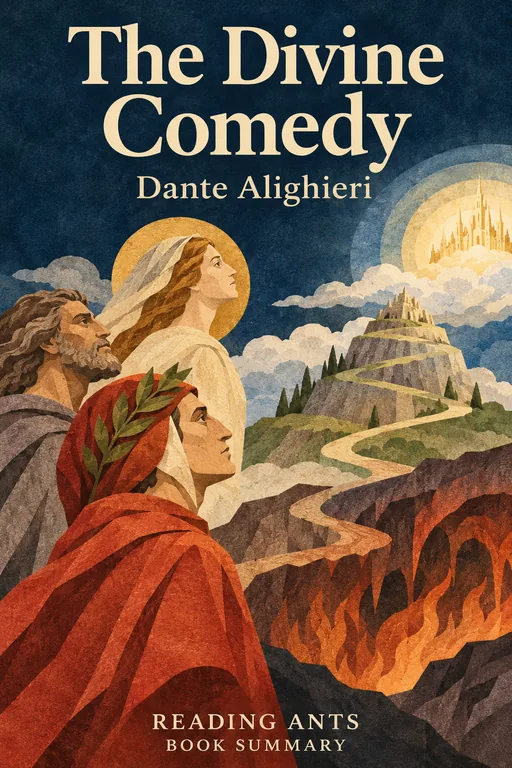
The Divine Comedy
Dante Alighieri
Lost in a dark wood in the middle of his life, the poet Dante journeys through Hell, Purgatory and Heaven, guided first by the poet Virgil and then by his beloved Beatrice, on a quest to understand sin, redemption and divine love.
🎭 Epics, Drama & Poetry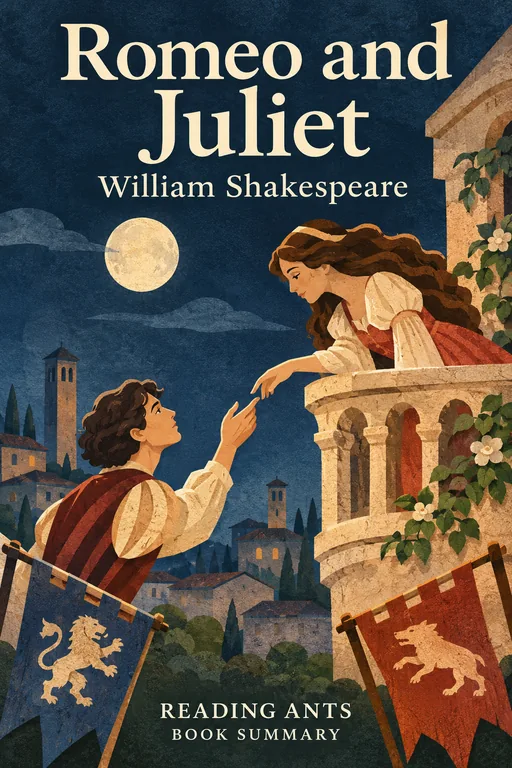
Romeo and Juliet
William Shakespeare
Two teenagers from feuding families in Verona fall in love at first sight and marry in secret, but hatred, haste and bad luck lead them to a tragic end that finally brings their families together.
🎭 Epics, Drama & Poetry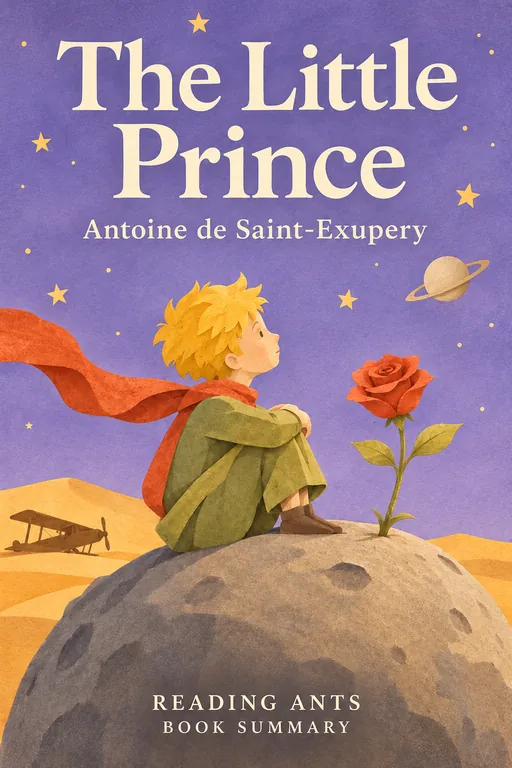
The Little Prince
Antoine de Saint-Exupery
A pilot stranded in the desert meets a small boy from a tiny planet, who teaches him that the most important things in life, like love and friendship, can only be seen with the heart.
🌍 World LiteratureWant something different?
Pick another topic and we will show you three books to start with.