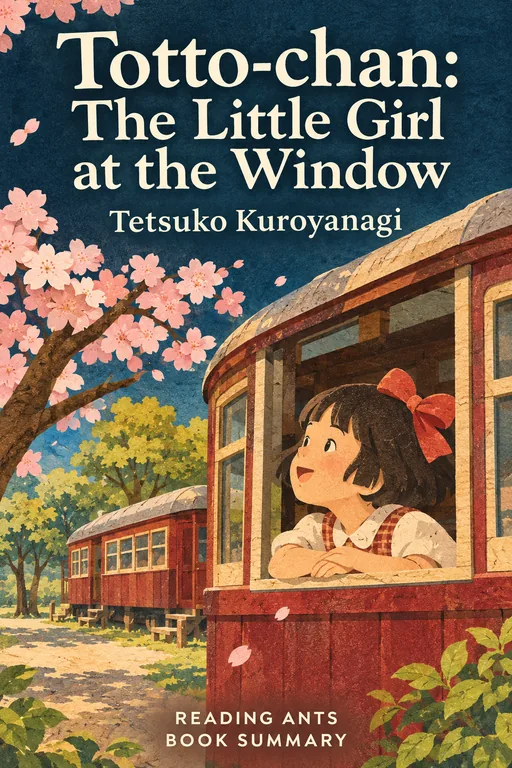
Totto-chan: The Little Girl at the Window
Original title: 窓ぎわのトットちゃん
A curious little girl, expelled from an ordinary school for being too lively, finds a magical school in old train carriages, where a wise headmaster lets children be themselves.
Overview
Totto-chan: The Little Girl at the Window is an autobiographical story by the Japanese television personality Tetsuko Kuroyanagi, published in 1981. It is based on her own childhood in Tokyo in the early 1940s, during the Second World War, and it is written as a story, in the voice of a child. It describes her time at a real school called Tomoe Gakuen, whose classrooms were old railway carriages. The book became a huge bestseller in Japan, selling millions of copies, and has been read by children and adults worldwide.
Main Characters
- Totto-chan: the young heroine, bright, friendly and full of questions.
- Mr. Kobayashi: the headmaster of Tomoe Gakuen, a kind man who believes in letting children develop their own gifts.
- Yasuaki-chan: a boy with a disability from polio, who becomes Totto-chan’s friend.
- Totto-chan’s parents: supportive, loving people, who accept their daughter as she is.
- Rocky: the family dog, Totto-chan’s companion.
Full Summary
Sent Away from School
Totto-chan starts first grade, and is thrilled. But she cannot sit still. She opens and closes her desk lid again and again, she stands at the window to talk to street musicians, and she keeps calling out to the swallows nesting under the eaves to ask what they are doing. After a few weeks, her teacher cannot stand it any longer, and the school asks her mother to take her somewhere else.
Her mother does not tell her the true reason. She simply says that she has found a new school, and takes her to see it.
The Train School
At the new school, Totto-chan is amazed by what she sees: the classrooms are old train carriages, set in a field. The headmaster, Mr. Kobayashi, invites her to tell him about herself. She talks for four hours, and he listens without ever seeming bored or impatient. When she finishes, he tells her warmly that she is now a pupil of the school. From that moment, Totto-chan loves the school.
Each day she looks forward to going there. The children come to school in the morning, and the teacher writes up the day’s lessons on the blackboard. The children decide which subject to study first, and so each can follow what interests them.
Lunch and Play
Lunch is a special event. Mr. Kobayashi asks each child to bring one food from the sea and one from the land, and the headmaster looks into each lunchbox. If a child is missing something, the headmaster’s wife follows him with two pans and adds it.
The school also has a lot of free time, and long walks in the countryside. The children learn about nature, and about music, as the school puts a strong emphasis on rhythm and movement. They have swimming lessons without bathing suits, which are a happy time, because no child is embarrassed about his or her body, even a boy with a disability.
Friendship
Totto-chan becomes friends with Yasuaki-chan, a clever boy who has polio and walks with difficulty. At first he is shy, and does not want to be seen, but Totto-chan treats him as she treats everyone else. She invites him to climb her tree, which he has never done, and in secret, during the summer vacation, she fetches a ladder and manages to get him up.
The headmaster also teaches the children to respect each other, and he organizes an annual sports day with unusual games in which every child can take part.
War
As the years go by, the war grows closer. Food is short, and the children’s parents are anxious. The school’s janitor, Ryo-chan, is called up. Before the school is destroyed, Yasuaki-chan dies, a loss that Totto-chan feels deeply.
In 1945, a bombing raid destroys the school, and the train carriages burn. Mr. Kobayashi, who watches the flames, asks his grown son what kind of school they will build next. He never gets the chance to rebuild.
Why It Matters
Totto-chan sold millions of copies in Japan, one of the best-selling books in the country’s history, and it has been translated into many languages. It brought attention to the ideas of progressive education, which respects each child’s talents and curiosity. The author, who became a well-known talk show host, later became a goodwill ambassador for UNICEF. The book has been used to inspire teachers and parents around the world, and it is often recommended to adults who work with children. Many readers also love the book simply as a story: the small scenes, such as the hunt for a purse dropped in the toilet pit, are told with so much humor and affection that they make adults feel like children again.
Key Takeaways
- Listening is powerful. The headmaster’s patient attention changes Totto-chan’s life.
- Every child has gifts. Schools should help them to grow.
- Play is learning. Free time and nature are valuable.
- Kindness includes everyone. Children learn to include a classmate with a disability.
- War destroys what is precious. The school’s end is a loss for the whole community.
What We Can Learn
The story encourages parents and teachers to listen to children, to give them time, and to guide them gently. It also shows that a child who does not fit into a standard system may have talents that simply need a different environment.
We can learn from the headmaster’s approach, which is based on trust and respect. And we can apply the lesson of inclusion: when we make sure that everyone can take part, whether in sports, games or conversation, we all gain. Finally, the book reminds us how much war costs children.
Criticism and Counterpoints
Some educators say that the school’s methods depended on its small size and on the personality of a remarkable headmaster, and that they cannot easily be copied in large public schools. Others argue that the book gives a rosy view of the past, and that the memories of a child may not be accurate. In Japan, Aichi Prefecture for a time kept the book out of school libraries because its author was a television personality. It also ends rather suddenly.
Who Should Read It
This book is for readers of all ages, and is especially good for parents, teachers and children aged eight and up. It is easy to read, and made up of short chapters. It is a warm, hopeful book, with a sad ending.
Want the whole book?
A summary is a taste, not the meal. Here is where to find the full book.
You reached the end 🎉
Nicely done. Mark this one as read, and we will suggest what to read next.
Read this next
Anne of Green Gables
L. M. Montgomery
A talkative, imaginative red-haired orphan is sent by mistake to an elderly brother and sister who wanted a boy, and she wins their hearts and fills their quiet farm with life.
🧸 Children's Books
Matilda
Roald Dahl
A brilliant little girl with awful parents and a terrifying headmistress discovers she has magical powers, and uses her wits and her magic to help the one adult who truly cares for her.
🧸 Children's Books
The Diary of a Young Girl
Anne Frank
A Jewish teenage girl hiding from the Nazis in a secret apartment in Amsterdam records two years of fear, family quarrels, first love and big dreams in a diary that became one of the most famous books in the world.
👤 Real Lives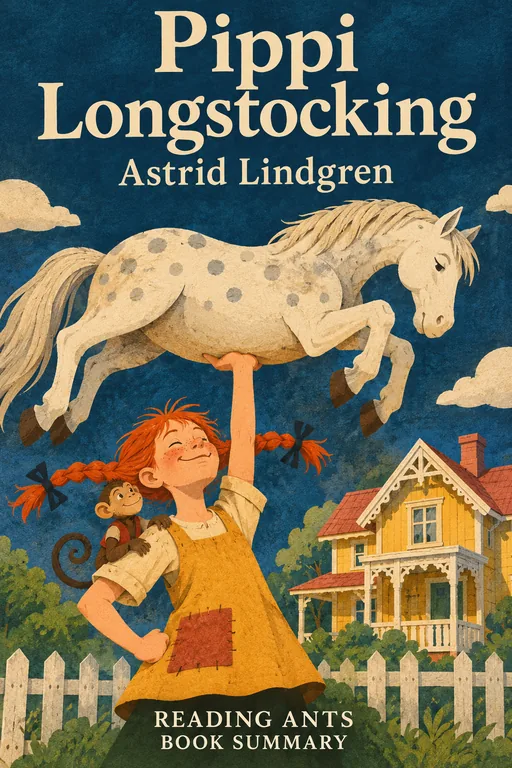
Pippi Longstocking
Astrid Lindgren
A nine-year-old girl who is incredibly strong, rich and free lives alone with a monkey and a horse, and turns every day into an adventure.
🌍 World Literature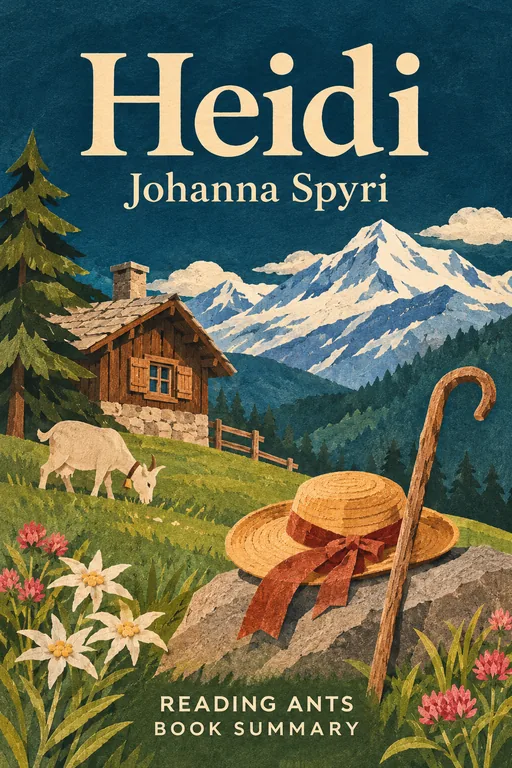
Heidi
Johanna Spyri
An orphan girl brings joy to her grumpy grandfather in the Swiss Alps, is taken away to a sad city life, and then returns home to the mountains she loves.
🌍 World Literature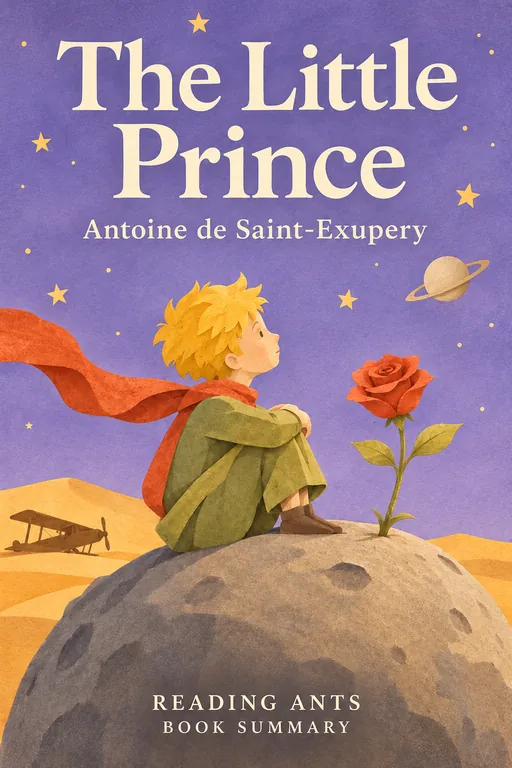
The Little Prince
Antoine de Saint-Exupery
A pilot stranded in the desert meets a small boy from a tiny planet, who teaches him that the most important things in life, like love and friendship, can only be seen with the heart.
🌍 World LiteratureWant something different?
Pick another topic and we will show you three books to start with.