 Reading Ants

The Diary of a Young Girl
Original title: ບັນທຶກລັບຂອງເດັກຍິງ
A Jewish teenage girl hiding from the Nazis in a secret apartment in Amsterdam records two years of fear, family quarrels, first love and big dreams in a diary that became one of the most famous books in the world.
Overview
In June 1942, Anne Frank received a diary for her thirteenth birthday. Less than a month later, her family went into hiding to escape the Nazis, who were rounding up Jews in the occupied Netherlands. For more than two years, eight people lived secretly in a few small rooms behind a bookcase above her father’s business, kept alive by brave helpers who brought them food and news. Anne wrote to her diary as if to a friend she called Kitty. She described the dangers outside, the tensions inside, her changing body and feelings, her love for a boy named Peter, and her hope of becoming a writer. Her diary is funny, honest and wise, and it gives a human face to the millions murdered in the Holocaust.
Full Summary
A Normal Girl in a Dangerous Time
Anne Frank was born in Frankfurt, Germany, in 1929. When Hitler came to power, her father, Otto Frank, moved the family to Amsterdam to escape persecution. But in 1940 Germany invaded the Netherlands, and new laws made life for Jews harder every month: Jews had to wear a yellow star, could not ride bicycles or trams, and had to attend separate schools.
Anne’s diary begins as a lively schoolgirl’s notebook about friends, boys, birthday presents and teachers. She is talkative, popular and sometimes cheeky. Then, in July 1942, her older sister Margot receives a call-up notice to report to a German work camp. The family immediately goes into hiding, a plan Otto had been preparing for months.
The Secret Annex
The Franks hide in the “Secret Annex,” empty rooms at the back of Otto’s company building, reached through a door hidden behind a movable bookcase. They are soon joined by the van Daan family (the name Anne gives them in the diary), with their son Peter, and later by a dentist, Mr. Dussel, who shares Anne’s tiny room.
During office hours, they must stay completely silent: no running water, no flushing toilets, no loud steps. Their lives depend on a few employees of Otto’s business, including Miep Gies, who risk death to bring them food, books and news. Anne describes these helpers with deep gratitude.
Life Inside
Eight people crowded together for two years leads to constant arguments about food, chores, manners and money. Anne often feels criticized and misunderstood, especially by her mother and by Mrs. van Daan, and she writes about her anger with sharp humor. She adores her father but feels her mother does not understand her, and she later regrets some of her harsher words.
Fear is always present. Anne writes about the bombers flying over the city at night, the burglaries in the building that nearly lead to discovery, and news on the radio about Jews being sent to camps in the east. She feels guilty that she is safe and warm while her friends may be suffering.
Growing Up
Over time, the diary changes as Anne does. She writes openly about her developing body, her questions about love and sex, and her search for her own identity. She wonders who she really is: the cheerful, chattering Anne everyone sees, or the deeper, more serious Anne inside.
In 1944, Anne and Peter, who at first seemed dull to her, grow close. They talk for hours in the attic, looking up at the sky through a window, and share Anne’s first kiss. Eventually Anne decides that Peter is not someone she can fully rely on, and she draws back a little, but the experience helps her grow.
Becoming a Writer
In March 1944, Anne hears a radio broadcast from the Dutch government in exile asking people to keep their diaries and letters, so that after the war there would be a record of what the Dutch people had suffered. Inspired, she begins rewriting her diary with publication in mind, hoping to publish a book about the Secret Annex. She dreams of becoming a journalist and a famous writer, and of living on after her death through her writing.
She also writes about her belief in the goodness of people, despite everything, and her hope that the world will one day be peaceful again. News of the Allied invasion of Normandy in June 1944 fills the Annex with excitement and hope that liberation is near.
What Happened Next
Anne’s last diary entry is dated August 1, 1944. On August 4, German police raided the Annex; whether they were betrayed or the raid had another cause remains uncertain. All eight were arrested and deported, first to a transit camp in the Netherlands and then to Auschwitz. Anne and Margot were later sent to the Bergen-Belsen camp in Germany, where both died of typhus in early 1945, shortly before the camp was liberated. Anne was fifteen.
Otto Frank was the only one of the eight to survive. After the war, Miep Gies, who had rescued Anne’s papers from the Annex after the arrest, gave them to him. Otto decided to fulfill his daughter’s wish, and the diary was published in Dutch in 1947.
Why It Matters
The Diary of a Young Girl is one of the most widely read books in the world, translated into more than seventy languages. For millions of readers, especially young people, it is their first and most personal introduction to the Holocaust, in which about six million Jews were murdered. Anne’s voice turns an enormous, almost unimaginable tragedy into the story of one bright, ordinary girl.
The Secret Annex is now the Anne Frank House museum in Amsterdam, visited by more than a million people a year. The diary has been adapted into plays and films, and it is included in UNESCO’s Memory of the World Register. It remains a powerful lesson about the dangers of prejudice and hatred, and about the strength of the human spirit.
Key Takeaways
- History happens to real people. The Holocaust is not just numbers; each victim had a life, hopes and a voice.
- Courage can be quiet. The helpers risked their lives every day simply by bringing food.
- Hope can survive in darkness. Anne keeps dreaming, learning and believing in goodness while in hiding.
- Growing up is universal. Her feelings about parents, friends and love are the same as those of teens everywhere.
- Writing preserves memory. Anne’s words outlived those who tried to erase her.
What We Can Learn
Anne’s diary teaches us to recognize where hatred can lead. The persecution of Jews began with small rules and insults before it ended in mass murder. Speaking up early against bullying, discrimination and hateful language is everyone’s responsibility.
It also shows the value of writing down our own lives. Keeping a journal can help us understand our feelings, calm our anger and see how we change over time, just as Anne did.
Finally, the helpers remind us that ordinary people can make a huge difference. Few of us will face such danger, but we can all choose to protect people who are vulnerable, even when it is uncomfortable or risky.
Criticism and Counterpoints
The diary was edited before publication. Otto Frank removed some passages about Anne’s sexuality and her harsh comments about her mother. Later editions restored much of this material, and scholars have published versions comparing Anne’s original diary with her own rewritten draft. Some critics argue that early stage and film versions softened the story, emphasizing Anne’s hopeful words while downplaying her Jewish identity and the horror of her death.
Holocaust deniers have falsely claimed the diary is fake. Forensic studies of the handwriting and paper have confirmed that it is authentic. Some educators also caution that the diary, which ends before the camps, should be taught alongside other accounts so students understand the full reality of the Holocaust.
Who Should Read It
This book is valuable for everyone from about age 10 upward, and it is widely read in schools. Teenagers often feel that Anne understands them. Younger readers may need an adult to explain the history and to talk about what happened to Anne after the diary ends.
Want the whole book?
A summary is a taste, not the meal. Here is where to find the full book.
You reached the end 🎉
Nicely done. Mark this one as read, and we will suggest what to read next.
Read this next
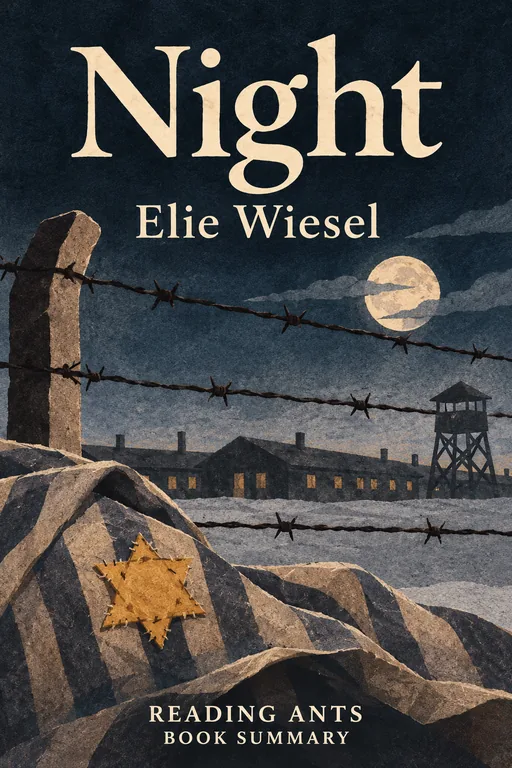
Night
Elie Wiesel
Elie Wiesel tells, in short and searing pages, how as a teenager he was taken from his hometown of Sighet to Auschwitz and Buchenwald, lost his family and watched his faith and childhood break apart.
👤 Real Lives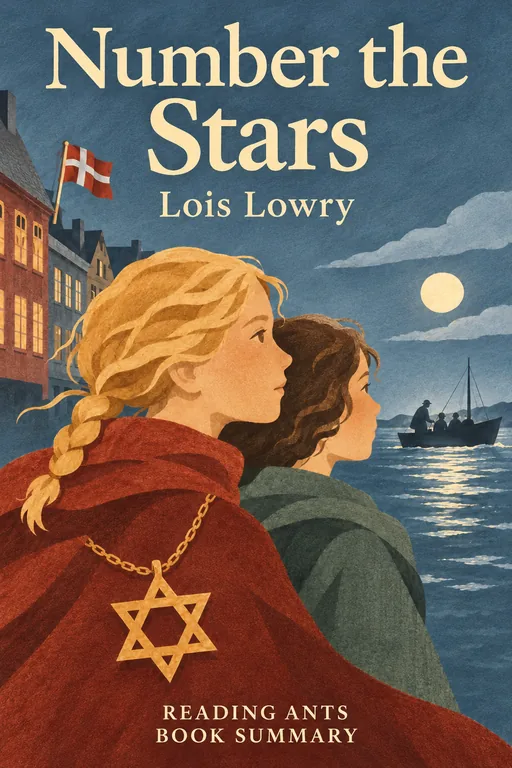
Number the Stars
Lois Lowry
In 1943, a ten-year-old Danish girl named Annemarie helps her Jewish best friend Ellen escape from Nazi-occupied Copenhagen by pretending that Ellen is her sister and by helping with a daring rescue.
🧸 Children's Books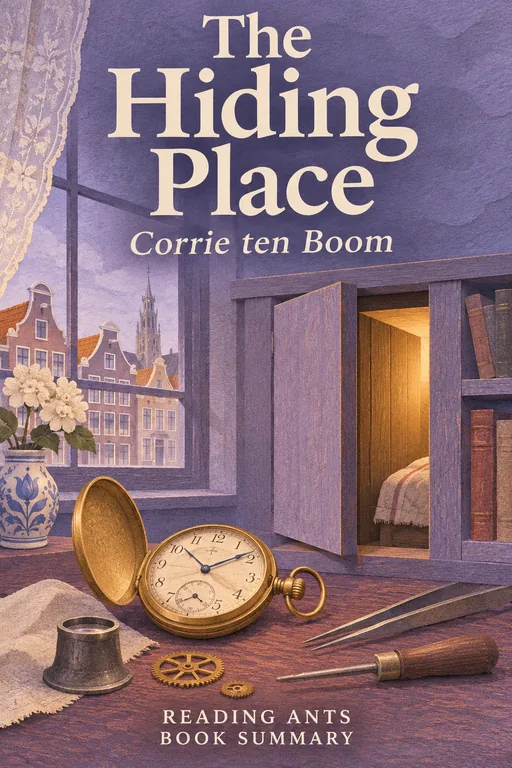
The Hiding Place
Corrie ten Boom
Corrie ten Boom tells how her Dutch family hid Jews from the Nazis in their home, how they were arrested and sent to prison and a concentration camp, and how her faith helped her to endure and to forgive.
👤 Real Lives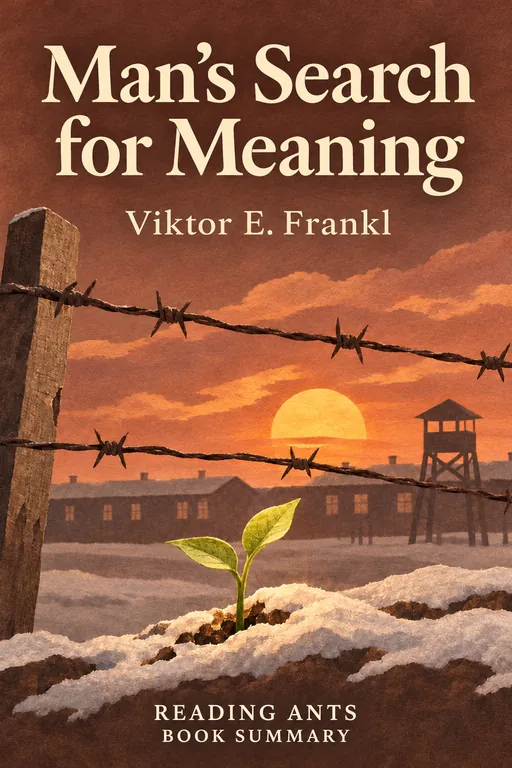
Man's Search for Meaning
Viktor E. Frankl
A psychiatrist who survived the Nazi concentration camps explains that even in the worst suffering, people can choose their attitude, and that finding a reason to live is what gives us the strength to endure.
👤 Real Lives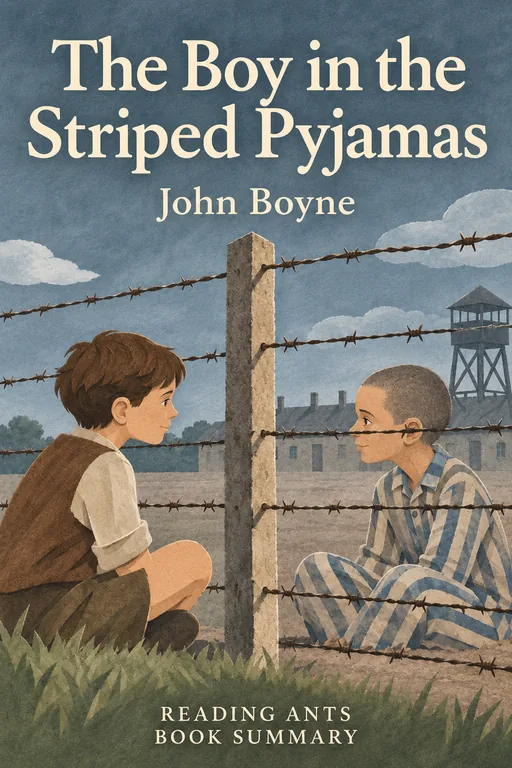
The Boy in the Striped Pyjamas
John Boyne
The nine-year-old son of a Nazi commandant befriends a Jewish boy on the other side of a camp fence, without understanding where he is, and their innocent friendship ends in tragedy.
🧸 Children's Books
Long Walk to Freedom
Nelson Mandela
Nelson Mandela tells his own story, from a village childhood to twenty-seven years in prison to becoming South Africa's first democratically elected president, and shows how patience, courage and forgiveness helped end apartheid.
👤 Real LivesWant something different?
Pick another topic and we will show you three books to start with.