 Reading Ants
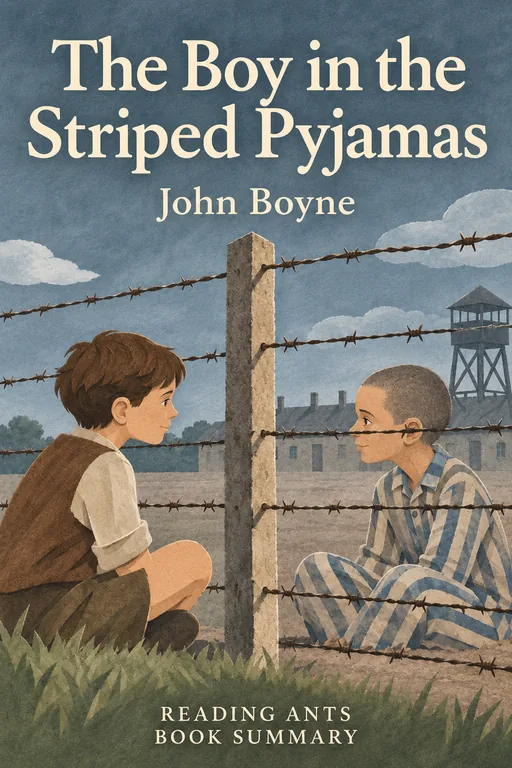
The Boy in the Striped Pyjamas
The nine-year-old son of a Nazi commandant befriends a Jewish boy on the other side of a camp fence, without understanding where he is, and their innocent friendship ends in tragedy.
Overview
The Boy in the Striped Pyjamas is set during the Second World War. Bruno, a curious nine-year-old boy living in Berlin, is unhappy when his family suddenly moves to a lonely house in the countryside, because his father, a Nazi officer, has been given an important new job. From his bedroom window, Bruno sees a high fence, and beyond it, people who all wear striped pajamas. Exploring along the fence, he meets a boy named Shmuel, who was born on the same day as him. The two become secret friends. Told through Bruno’s innocent eyes, John Boyne’s short novel, which he called a fable, shows the horror of the Holocaust in a way that has moved millions of readers, though it has also been sharply criticized for historical inaccuracy.
Main Characters
- Bruno: a curious, innocent nine-year-old German boy.
- Shmuel: a thin, quiet Jewish boy held in the camp.
- Father: Bruno’s father, a Nazi commandant.
- Mother: Bruno’s mother, who grows unhappy with their new life.
- Gretel: Bruno’s twelve-year-old sister, whom he calls a “Hopeless Case.”
- Lieutenant Kotler: a cruel young soldier.
- Pavel: an elderly Jewish prisoner who works as a servant in Bruno’s house.
Full Summary
A New Home
Bruno comes home from school in Berlin to find the family’s maid packing his belongings. His father, an officer in the SS, has been promoted by “the Fury,” as Bruno mispronounces Hitler’s title, and the family must move to a place Bruno calls “Out-With.” The new house is gray and lonely, with no other children to play with. Bruno misses his friends and his grandparents.
From his window, Bruno sees a huge fence, and on the other side, huts and many people, including children, all wearing striped pajamas and caps. He doesn’t understand who they are or why they are there.
Pavel
Bored, Bruno builds a swing from a tire and falls, cutting his knee. An old man named Pavel, who works in the kitchen and wears the same striped clothes, cleans and bandages his wound carefully. Bruno is surprised to learn that Pavel was once a doctor. Lieutenant Kotler, a harsh young soldier who often visits the house, treats Pavel cruelly. One night at dinner, when Pavel accidentally spills wine, Kotler beats him violently, while the family watches in silence.
Shmuel
Despite being told never to go near the fence, Bruno explores along it and meets a boy sitting on the other side: Shmuel. Shmuel is thin and sad, and Bruno is amazed to discover they share the same birthday. Shmuel explains that he and his family were taken from their home in Poland, and that his grandfather has disappeared.
Bruno visits Shmuel almost every afternoon, sitting on his side of the fence, and they talk for hours. Bruno sometimes brings food, though he occasionally eats it himself on the way. He still doesn’t understand that Shmuel is a prisoner, and believes he is lucky to have so many children to play with.
Betrayal
One day, Shmuel is brought into Bruno’s house to clean glasses, because his small fingers are needed for the delicate work. Bruno gives him some food. Lieutenant Kotler enters and sees Shmuel chewing, and accuses him of stealing. Terrified, Bruno denies knowing Shmuel at all. Shmuel is punished, and when Bruno next sees him at the fence, his face is bruised. Bruno apologizes, and Shmuel forgives him.
Leaving Out-With
Bruno’s mother is unhappy at Out-With and wants to return to Berlin. After Bruno gets lice, his head is shaved, making him look like the boys behind the fence. His father decides that Bruno, Gretel and their mother will go back to Berlin.
Shmuel tells Bruno that his father has gone missing. Bruno decides to help him look for his father before leaving, as one last adventure. Shmuel brings a spare set of striped pajamas, and Bruno, dressed like a prisoner, crawls under a loose part of the fence.
The Final Day
Inside the camp, Bruno is shocked by the misery and filth. The boys search for Shmuel’s father but cannot find him. Then soldiers round up a group of prisoners, including the two boys, and march them into a large room. Bruno, frightened, holds Shmuel’s hand and tells him that he is his best friend for life. The doors are shut, and the room goes dark.
Nothing more is ever heard of Bruno. His mother searches desperately. Months later, his father finds Bruno’s clothes by the fence and the loose wire, and slowly understands what must have happened. Overcome, he collapses. Soon after, soldiers arrive and take him away.
Why It Matters
The Boy in the Striped Pyjamas, published in 2006 by Irish author John Boyne, became an international bestseller, sold many millions of copies and was adapted into a 2008 film. For many young readers, it has been an emotional first introduction to the Holocaust, and it is widely read in schools.
The book’s simple, fable-like style and its use of a child narrator who doesn’t understand what he sees make the reader realize the horror before Bruno does. Its ending has left a deep impression on readers around the world, prompting discussions about prejudice, innocence and moral responsibility.
Key Takeaways
- Friendship can cross any barrier. Bruno and Shmuel bond despite the fence between them.
- Ignorance can be dangerous. Bruno’s family and society refuse to see the truth.
- Prejudice dehumanizes. The fence separates people who are, at heart, the same.
- Silence makes cruelty possible. The family watches Pavel’s beating and says nothing.
- War destroys innocence. The story’s ending shows the human cost of hatred.
What We Can Learn
The story encourages us to see people as individuals, not as groups or labels. Bruno and Shmuel are just two boys who like each other; the fence and the hatred around them are human inventions.
It also teaches the importance of speaking up. Bruno’s moment of cowardice when he denies knowing Shmuel shows how fear can lead us to betray others. Standing by friends, even when it’s hard, matters.
Finally, it is important to learn the real history behind the story. Reading accounts by survivors, such as Anne Frank’s diary or Elie Wiesel’s Night, helps us understand what truly happened.
Criticism and Counterpoints
The book has been strongly criticized by historians and Holocaust educators. They point out that its story is historically implausible: children of Shmuel’s age were almost always killed immediately on arrival at Auschwitz, a boy could not easily sit at the camp fence every day, and a nine-year-old German child of that era would have known who Jewish people were and what the Nazis believed. The Auschwitz Memorial has warned that the book can spread a misleading view of history.
Critics also argue that the story focuses on the tragedy of a German family and a German child, rather than on the millions of Jewish victims, and that it may encourage readers to sympathize with the perpetrators. Boyne has defended the book as a fable, not a historical account. Many educators recommend reading it only alongside accurate histories and survivor testimonies.
Who Should Read It
This book is often read by children from about 11 upward, but it is best read with an adult who can explain the real history and the book’s inaccuracies. Its ending is deeply upsetting. Readers wanting a historically accurate account should turn to survivor memoirs and nonfiction about the Holocaust.
Want the whole book?
A summary is a taste, not the meal. Here is where to find the full book.
You reached the end 🎉
Nicely done. Mark this one as read, and we will suggest what to read next.
Read this next
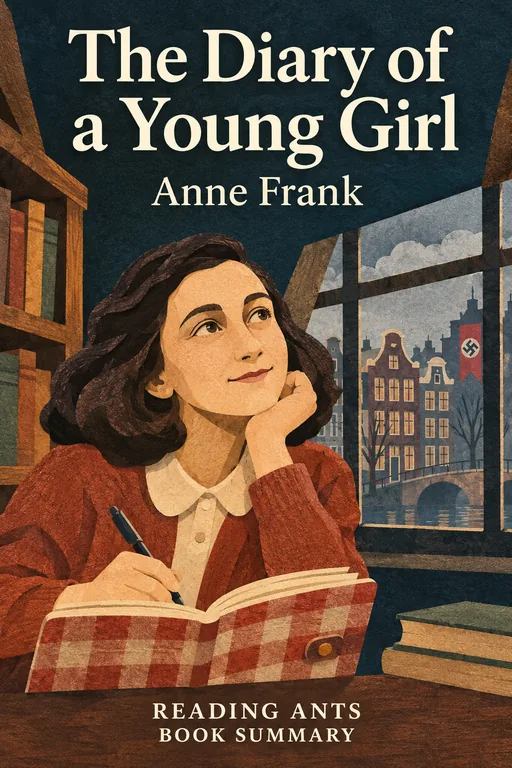
The Diary of a Young Girl
Anne Frank
A Jewish teenage girl hiding from the Nazis in a secret apartment in Amsterdam records two years of fear, family quarrels, first love and big dreams in a diary that became one of the most famous books in the world.
👤 Real Lives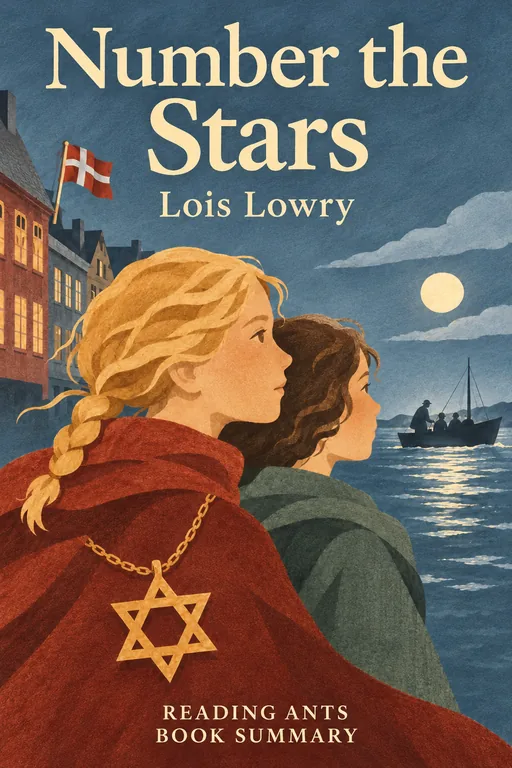
Number the Stars
Lois Lowry
In 1943, a ten-year-old Danish girl named Annemarie helps her Jewish best friend Ellen escape from Nazi-occupied Copenhagen by pretending that Ellen is her sister and by helping with a daring rescue.
🧸 Children's Books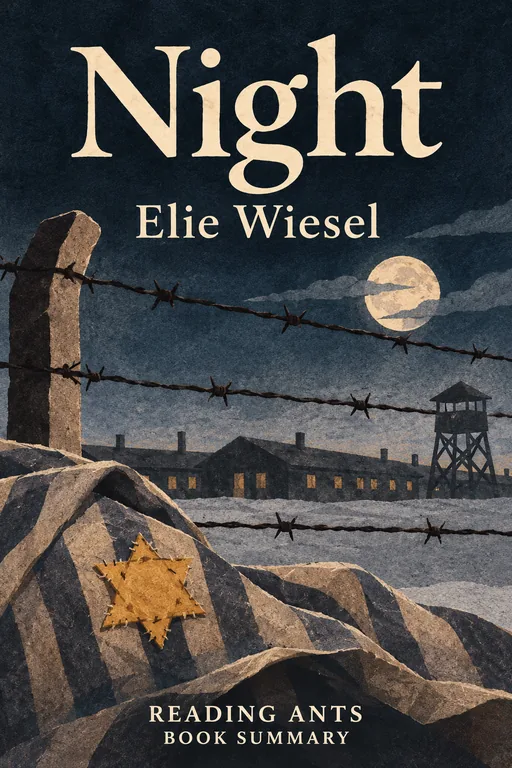
Night
Elie Wiesel
Elie Wiesel tells, in short and searing pages, how as a teenager he was taken from his hometown of Sighet to Auschwitz and Buchenwald, lost his family and watched his faith and childhood break apart.
👤 Real Lives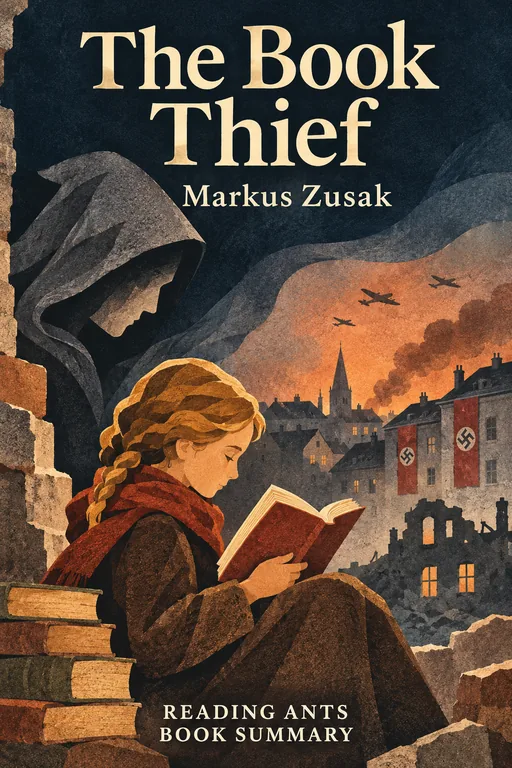
The Book Thief
Markus Zusak
Death narrates how a foster child in Nazi Germany steals books, learns the power of words and forms loving bonds that war eventually destroys.
🎒 Young Adult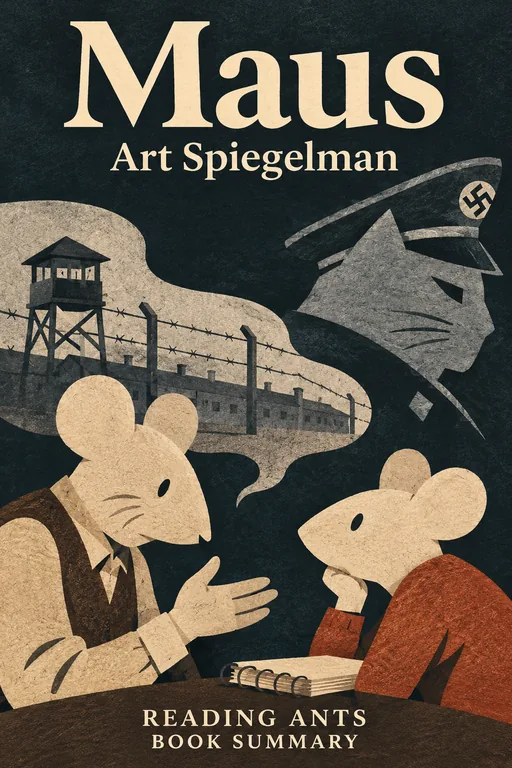
Maus
Art Spiegelman
Art Spiegelman draws his father's story of surviving Auschwitz, with Jews as mice and Nazis as cats, and also shows the difficult relationship between a son and a father marked by the past.
👤 Real Lives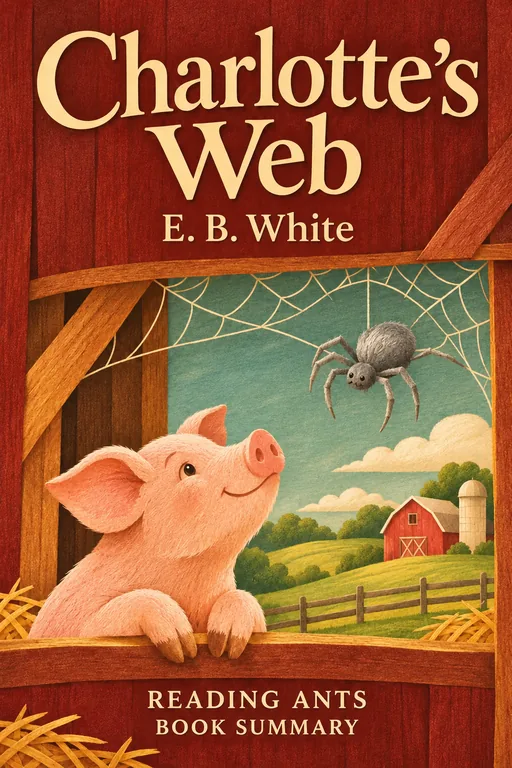
Charlotte's Web
E. B. White
A lonely pig named Wilbur learns he is going to be killed, and his clever friend Charlotte, a spider, comes up with an amazing plan to save his life.
🧸 Children's BooksWant something different?
Pick another topic and we will show you three books to start with.