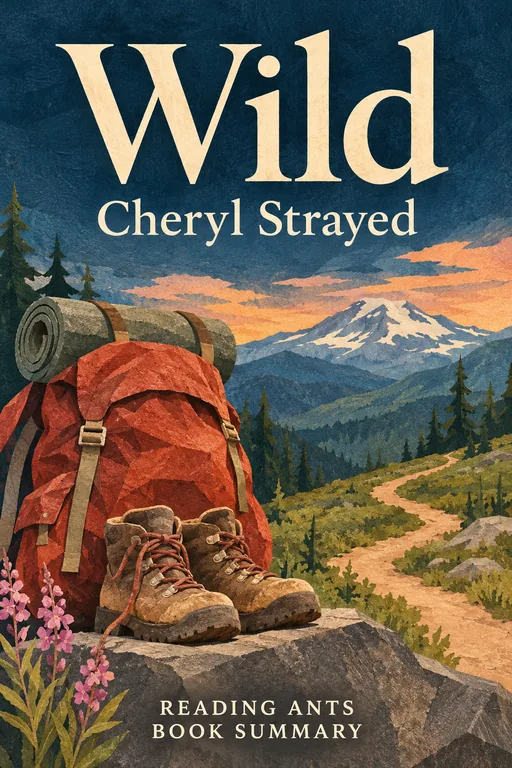
Wild
At twenty-six, grieving her mother's death and her own reckless choices, Cheryl Strayed sets out alone to walk hundreds of miles of the Pacific Crest Trail, and finds a way back to herself along the way.
Overview
Wild: From Lost to Found on the Pacific Crest Trail is a memoir by Cheryl Strayed, published in 2012. In 1995, after a painful few years, Strayed hiked part of the Pacific Crest Trail, a long path that runs along the mountains of the western United States. She had never done anything like it before. The book moves between the trail and the memories of the years that brought her there, including her mother’s death and her marriage. It became a bestseller and was made into a film in 2014 with Reese Witherspoon.
Full Summary
A Heavy Pack and Lost Boots
The story opens with Cheryl on a mountain, in the middle of her hike, with a very heavy backpack that she has nicknamed “Monster.” She is in pain, because she has lost a toenail, and her boots are too small. In an act of frustration, one of the boots falls down the mountainside, and she throws the other after it. She is left with sandals and a long way to walk. The scene shows both her inexperience and her stubbornness, and it sets the tone of the book.
Why She Was Walking
Strayed explains that her mother, Bobbi, died of lung cancer at age forty-five, only a few weeks after the diagnosis, when Cheryl was twenty-two. Her mother had been the center of her life. Afterward, her stepfather withdrew from the family, her brother and sister drifted away, and Cheryl was overcome by grief. She cheated on her husband, Paul, whom she loved, used heroin for a time and ended her marriage. She feels she has lost herself, and she decides that a hike will be a way to start again.
The First Days on the Trail
Cheryl begins the walk in the Mojave Desert in California, with guidebooks and boxes of supplies that a friend mails ahead to stops along the way. Early in the journey, she struggles with blisters, thirst, heat and fear. She meets other hikers, and she is surprised by their kindness and humor. At Kennedy Meadows, a hiker named Albert helps her to lighten her pack. She has to learn the practical skills of the trail as she goes, and the trail forces her to attend to the present.
Strangers and Memories
As she walks, memories surface: caring for her mother in her last weeks, her stepfather’s withdrawal, the horse that her mother loved, which Cheryl and her brother had to put down. On the trail, she meets many strangers, some of them generous, some frightening. In one meeting, with two men, she feels a sense of threat, and she handles it with caution. Each encounter shows her another side of herself, and she realizes that she is more capable than she believed.
Snow and Resolve
Heavy snow makes parts of the trail very hard to cross, and she has brought little equipment for it. She bypasses the snowiest stretch and later extends her route through Oregon. She meets other hikers and receives help, and the cold and the loneliness force her to dig into her reserves of strength. In the long solitary days, she writes in her journal and reads books that she carries. She starts to accept that she cannot undo the past, but she can choose how to carry it. Her grief starts to change from a weight into a source of strength.
The Bridge of the Gods
Finally, Cheryl reaches the end of her chosen route, a bridge over the Columbia River on the border between Oregon and Washington, called the Bridge of the Gods. She has walked many hundreds of miles over weeks. She does not claim that her troubles have disappeared, but she has found a sense of peace, and a belief that she will be able to make a life for herself. The book ends with a short reflection on how she moved from being lost to being found.
Why It Matters
Wild was a major best seller and caused a rise in interest in long-distance hiking, especially among women. Its portrait of grief, honest about both pain and wrongdoing, spoke to many readers who had faced loss. Strayed’s willingness to describe her mistakes, and not to present herself as a model, gave the book a rare candor. The book also describes the natural beauty of the Pacific Crest Trail, and is part of the tradition of travel and self-discovery memoirs. It showed that a person without experience can begin something difficult, one step at a time, and that the outdoors can heal.
Key Takeaways
- Grief needs a way to move. Physical effort helped her to carry her pain.
- Beginners can do hard things. She learned as she walked.
- Kindness is common. Many strangers helped her on the trail.
- Honesty about mistakes helps. She faces her failings without excuses.
- Healing is not neat. The trail changes her, but does not erase the loss.
What We Can Learn
You do not need to walk a trail to take something from this book. When you face a heavy time, try to find a steady practice, such as walking, writing or drawing, that gives your mind a place to rest. Be willing to start before you feel ready. Accept help from others, and offer it when you can. And be gentle with yourself about your past: it is part of your story, but not the whole of it. If you are grieving, talk to someone you trust, and seek professional support if the sadness becomes overwhelming.
Criticism and Counterpoints
Some readers and hikers say that the book is more about the author’s emotional journey than about the trail, and that she was unprepared and sometimes careless, which makes her an unlikely guide. Critics have also questioned whether such memoirs of self-discovery in nature suit people who have time and money for a long trip. Others find her descriptions of drug use and sexual encounters unflinching but sometimes self-indulgent. Supporters reply that her honesty is the main strength of the book. The film adaptation also changed some elements.
Who Should Read It
This book is for adult and older teenage readers who like memoirs, nature writing and stories of recovery. It is well written and moving, but includes drug use, sexual content and strong emotions around death. Those looking for a practical guide to hiking should look elsewhere.
Want the whole book?
A summary is a taste, not the meal. Here is where to find the full book.
You reached the end 🎉
Nicely done. Mark this one as read, and we will suggest what to read next.
Read this next
Eat, Pray, Love
Elizabeth Gilbert
After a painful divorce and a deep depression, Elizabeth Gilbert spends a year traveling to Italy, India and Indonesia to find pleasure, spiritual practice and balance, and to learn how to love her life again.
👤 Real Lives
Into the Wild
Jon Krakauer
Jon Krakauer investigates the story of Christopher McCandless, a young man who gave away his money, abandoned his family and walked alone into the Alaskan wilderness, where he died in 1992.
👤 Real Lives
Educated
Tara Westover
A girl raised by survivalist parents in the mountains of Idaho, with no school, no birth certificate and no doctors, teaches herself enough to reach university and eventually earns a PhD from Cambridge, at the painful cost of her family.
👤 Real Lives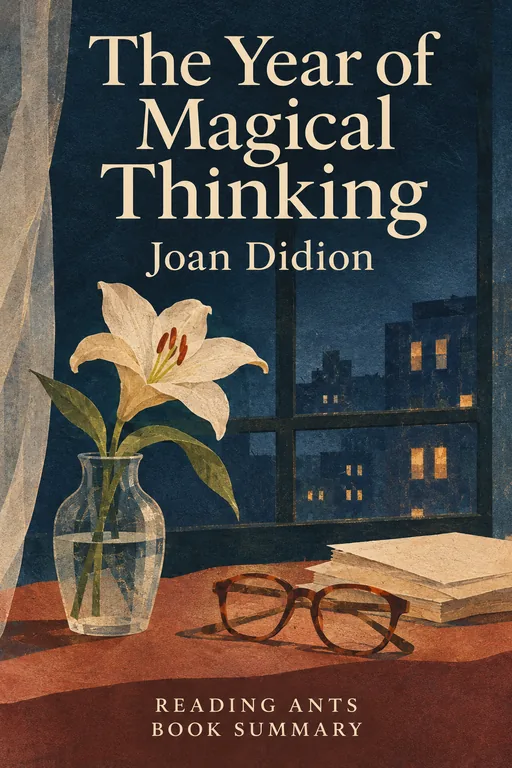
The Year of Magical Thinking
Joan Didion
Joan Didion writes with precision and restraint about the year after her husband's sudden death, when she also faced her daughter's grave illness, and she examines how grief can warp thinking and time.
👤 Real Lives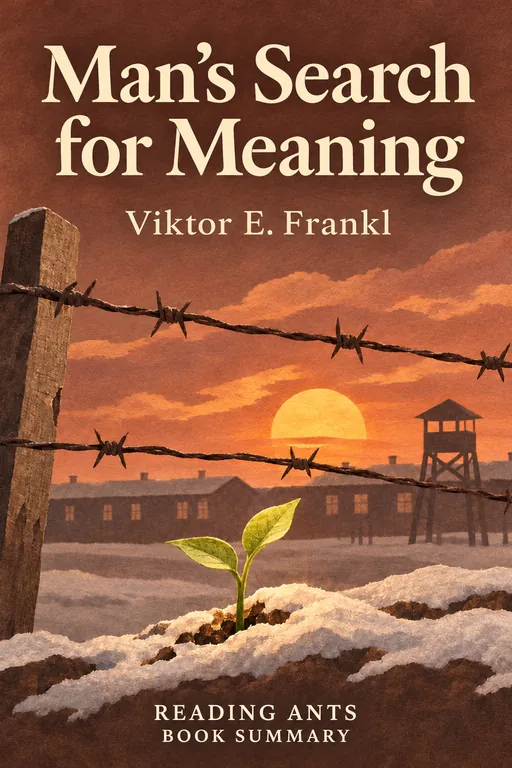
Man's Search for Meaning
Viktor E. Frankl
A psychiatrist who survived the Nazi concentration camps explains that even in the worst suffering, people can choose their attitude, and that finding a reason to live is what gives us the strength to endure.
👤 Real Lives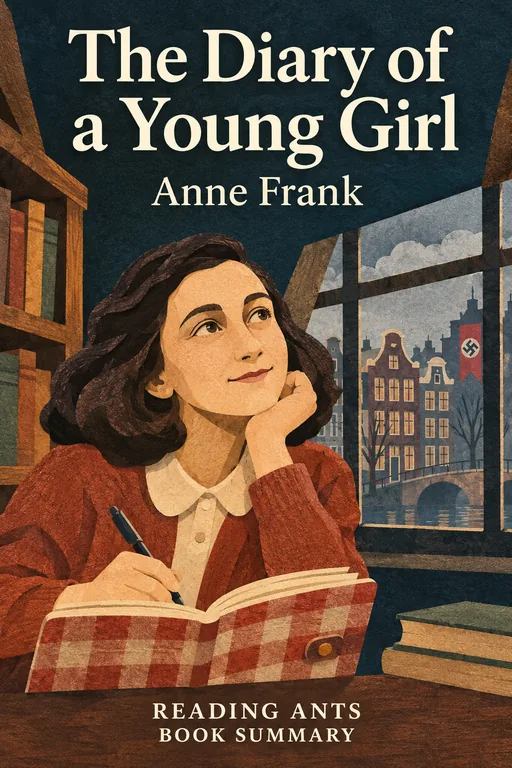
The Diary of a Young Girl
Anne Frank
A Jewish teenage girl hiding from the Nazis in a secret apartment in Amsterdam records two years of fear, family quarrels, first love and big dreams in a diary that became one of the most famous books in the world.
👤 Real LivesWant something different?
Pick another topic and we will show you three books to start with.