 Reading Ants

A Streetcar Named Desire
A fading Southern belle arrives at her sister's cramped New Orleans apartment, clinging to illusions of refinement, and clashes with her sister's brutal husband in a collision that ends in her breakdown.
Overview
A Streetcar Named Desire is a play by Tennessee Williams, first staged in 1947, set in the lively, poor and crowded French Quarter of New Orleans. Blanche DuBois, a former schoolteacher from a once-wealthy Mississippi family, arrives to stay with her younger sister, Stella, and Stella’s husband, Stanley Kowalski, a rough, powerful working-class man. Blanche is fragile and proud, speaks in a refined way and hides painful secrets behind lies and soft lighting. Stanley sees through her act, and the tension between them grows until it becomes violent. The play won the Pulitzer Prize for Drama and made Marlon Brando, who played Stanley on stage and in the 1951 film, a star.
Main Characters
- Blanche DuBois: a nervous, refined woman with a troubled past.
- Stanley Kowalski: a loud, physical, domineering man.
- Stella Kowalski: Blanche’s younger sister, devoted to Stanley.
- Harold “Mitch” Mitchell: Stanley’s shy, gentle friend.
- Eunice and Steve Hubbell: the Kowalskis’ friendly, down-to-earth upstairs neighbors.
Full Summary
Blanche Arrives
Blanche steps off a streetcar named Desire, transferred to one named Cemeteries, and reaches the Kowalskis’ small, shabby apartment. Stella is surprised and happy to see her, but Blanche is shocked by the poor neighborhood. Blanche tells Stella that she has taken a leave from her teaching job because of her nerves, and that Belle Reve, their family’s old plantation, has been lost.
When Stanley comes home, he immediately distrusts Blanche. He suspects she has cheated Stella out of her share of the sale of Belle Reve, and demands to see the legal papers. Blanche hands him a pile of papers, and Stella tells him he is being rude.
Stanley and Mitch
Stanley and his friends play poker in the apartment. Blanche meets Mitch, who is sensitive and lives with his sick mother. Blanche flirts with him, putting a paper lantern over a bare light bulb because she can’t stand harsh light. When Blanche turns on the radio, Stanley, drunk and angry, throws it out of the window and hits Stella. The men pull him off, and Stella flees upstairs with Blanche.
A short time later, Stanley, ashamed, calls out Stella’s name from the courtyard in one of the most famous scenes in American theater. To Blanche’s horror, Stella forgives him and goes back to him, willingly.
Blanche’s Secrets
Blanche tells Stella that Stanley is a brute, like an animal, and that she deserves better. Stanley overhears her. Meanwhile, Blanche’s romance with Mitch grows, and she dreams of marrying him and escaping.
Stanley learns the truth about Blanche’s past from a man who knew her. After she discovered her young husband with another man and told him that he disgusted her, he killed himself, and Blanche lost her way. She had many affairs with strangers and young men, and was fired from her teaching job for an affair with a seventeen-year-old student. She was forced to leave her hometown, Laurel, because of the scandal. Stanley tells Stella and Mitch.
The Birthday
On Blanche’s birthday, Stanley gives her a bus ticket back to Laurel. Mitch doesn’t come to the party. Stella announces that she is going into labor, and Stanley takes her to the hospital.
Mitch finally arrives, drunk and angry. He confronts Blanche with what he has heard. Blanche admits some of it, but insists she needed warmth and tenderness. Mitch says she is not clean enough to bring home to his mother, and tries to take advantage of her. She cries for help, and he leaves.
Stanley and Blanche
Stanley returns from the hospital, where Stella is staying overnight. Blanche is drunk, wearing a faded tiara and a satin gown, imagining that an old admirer has invited her on a cruise. Stanley taunts her. When she tries to leave, he blocks her. Though the stage directions show the violence only in shadows and sounds, he rapes her.
The End
Weeks later, Blanche has lost her grip on reality. Stella tells her neighbor Eunice that she can’t believe Blanche’s story about Stanley, because if she did, she couldn’t go on living with him. A doctor and a nurse arrive to take Blanche to a mental hospital. Blanche, believing a gentleman has come to take her on her cruise, goes with them, saying that she has always depended on the kindness of strangers. Stella sobs while Stanley comforts her, and the poker game goes on.
Why It Matters
A Streetcar Named Desire is often called one of the greatest American plays of the twentieth century. Premiering on Broadway in 1947, it won the Pulitzer Prize for Drama in 1948, and it brought a new emotional realism and poetic language to the stage. The 1951 film, directed by Elia Kazan with Vivien Leigh as Blanche, earned several Academy Awards.
Its characters have become icons. Stanley’s shout of Stella’s name and Blanche’s final line about the kindness of strangers are famous moments in theater history. The play deals with powerful themes, including desire, class conflict, mental illness and the clash between illusion and reality, and it has been performed around the world, adapted into an opera and a ballet, and endlessly parodied.
Key Takeaways
- Illusions cannot protect us forever. Blanche’s fantasies collapse against harsh reality.
- Class conflict shapes lives. The old Southern aristocracy meets the new working-class America.
- Desire can be dangerous. Blanche’s past and Stanley’s violence both stem from desire.
- Cruelty destroys the fragile. Stanley overpowers Blanche without remorse.
- People hide pain behind masks. Blanche’s refinement covers deep grief.
What We Can Learn
The play invites compassion for people who are struggling. Blanche lies and pretends, but she is also deeply wounded by loss. Understanding that behavior often comes from pain can help us respond kindly.
It also shows the importance of recognizing abuse and speaking out. Stella’s decision not to believe Blanche allows harm to continue. Believing and supporting survivors is essential.
Finally, it warns us about the cost of living in illusion. Facing painful truths with the help of friends, family or professionals is hard but healthier than hiding from reality.
Criticism and Counterpoints
Some critics find the characters too symbolic, with Blanche representing the dying Old South and Stanley the brutal new America. Others have questioned how the play treats Stella, who stays with a man who beats her and assaults her sister, and whether it romanticizes violent desire.
The play’s treatment of Blanche’s husband’s homosexuality, which the play’s social world treats as shameful and which ends in his death, and of her mental illness, has also been criticized by modern readers. Williams, who was gay himself and had a sister with mental illness, wrote with deep sympathy, but modern audiences often examine these elements critically.
Who Should Read It
This play suits mature teens and adults. Its sexual violence and emotional intensity are disturbing. It is best experienced as a performance, where its tension, heat and New Orleans atmosphere come alive.
Want the whole book?
A summary is a taste, not the meal. Here is where to find the full book.
You reached the end 🎉
Nicely done. Mark this one as read, and we will suggest what to read next.
Read this next
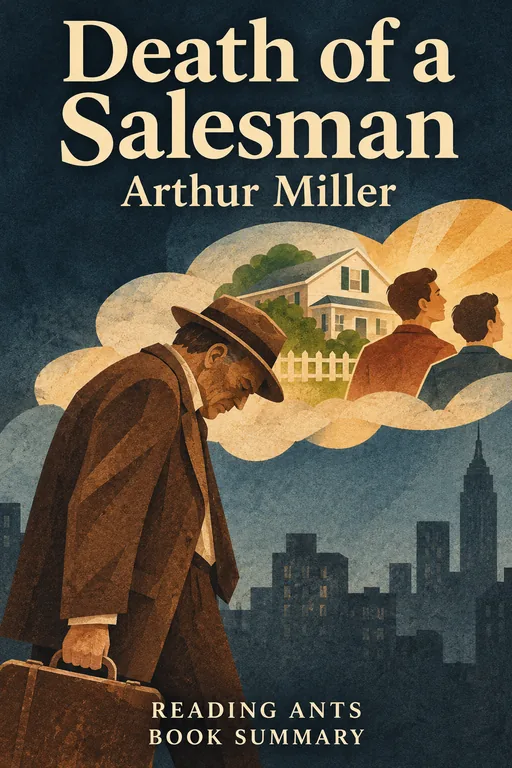
Death of a Salesman
Arthur Miller
An aging traveling salesman, losing his job and his grip on reality, clings to the dream of being "well liked" and rich, and in his last days wrecks his relationship with his sons before taking his own life so his family can collect insurance money.
🎭 Epics, Drama & Poetry
The Glass Menagerie
Tennessee Williams
Tom Wingfield remembers the cramped St. Louis apartment where he lived with his domineering mother Amanda and his painfully shy sister Laura, and the evening when a gentleman caller briefly brought hope, and then ended it.
🎭 Epics, Drama & Poetry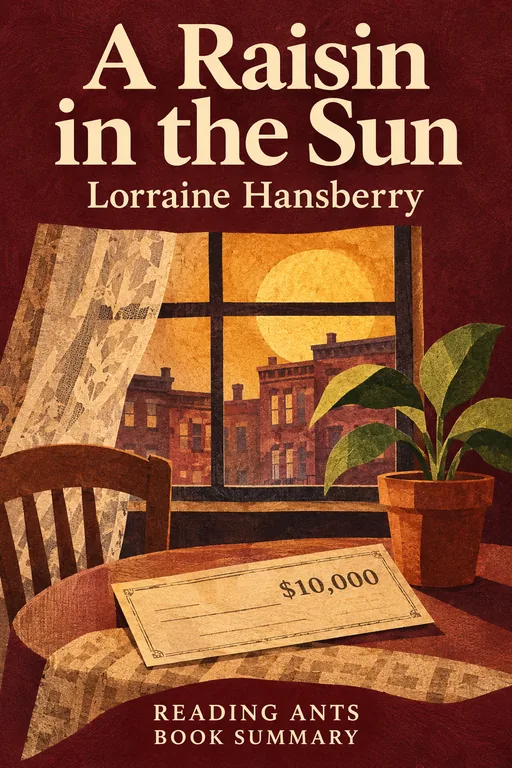
A Raisin in the Sun
Lorraine Hansberry
A Black family in Chicago in the 1950s receives a ten-thousand-dollar insurance check after the father's death, and each member has a different dream of how to use it, which tests their love and their pride.
🎭 Epics, Drama & Poetry
A Doll's House
Henrik Ibsen
A cheerful young wife, treated by her husband like a pretty doll, hides a secret loan she took to save his life, and when the truth comes out, she realizes she must leave him to discover who she really is.
🎭 Epics, Drama & Poetry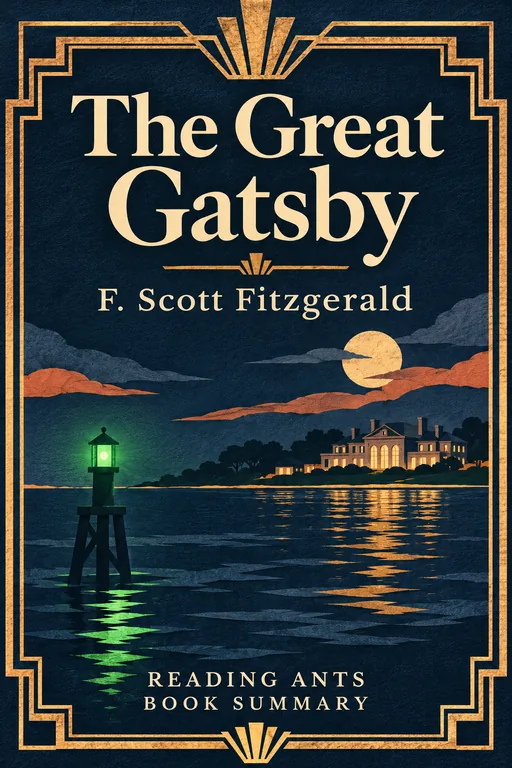
The Great Gatsby
F. Scott Fitzgerald
A mysterious millionaire throws lavish parties on Long Island in the hope of winning back the woman he loved years ago, but his dream collides with the careless cruelty of the rich.
📜 Classics
The Odyssey
Homer
After the Trojan War, the clever hero Odysseus struggles for ten years against monsters, gods and temptations to return home to his faithful wife and son, then must win back his house from the men trying to steal it.
🎭 Epics, Drama & PoetryWant something different?
Pick another topic and we will show you three books to start with.