 Reading Ants
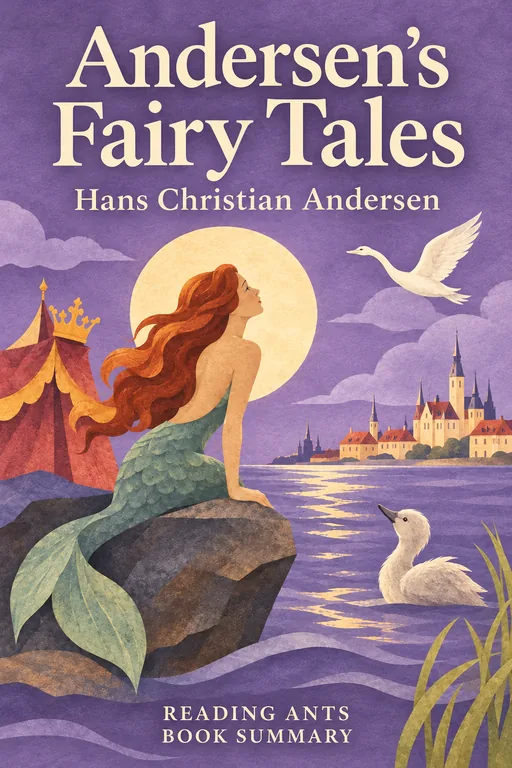
Andersen's Fairy Tales
Original title: Eventyr
A Danish storyteller wrote magical, funny and often heartbreaking tales, such as *The Little Mermaid*, *The Ugly Duckling* and *The Emperor's New Clothes*, that speak to children and adults about love, courage and being true to yourself.
Overview
Hans Christian Andersen was born in 1805 in Odense, Denmark, the son of a poor shoemaker. He moved to Copenhagen as a teenager with dreams of becoming an actor or singer, and later found fame as a writer. In 1835 he published his first small booklet of fairy tales, and over the next four decades he wrote more than 150. Unlike the Brothers Grimm, who collected traditional folk tales, Andersen mostly invented his own stories, giving them his own humor, imagination and deep feeling. Many of his tales have happy endings, but others are bittersweet or sad. Translated into more languages than almost any other author, his stories have become part of childhood around the world.
Main Characters
- The Little Mermaid: a young sea princess who longs for a human soul.
- The Ugly Duckling: a bird mocked by everyone for being different.
- The Emperor: a vain ruler obsessed with new clothes.
- Gerda and Kai: two friends separated by the Snow Queen.
- The Little Match Girl: a poor child selling matches on a freezing night.
- Thumbelina: a tiny girl no bigger than a thumb.
- The Steadfast Tin Soldier: a one-legged toy who loves a paper ballerina.
- The Nightingale: a humble bird whose song outshines a jeweled machine.
Full Summary
The Little Mermaid
Deep under the sea lives a mermaid princess, the youngest of the sea king’s six daughters, who dreams of the world above. On her fifteenth birthday, she swims to the surface and saves a handsome prince from a shipwreck, then falls in love with him. She learns from her grandmother that humans have immortal souls, while mermaids turn to sea foam when they die. To win the prince and a soul, she visits a sea witch, who gives her legs in exchange for her beautiful voice. Every step she takes feels like walking on knives. If the prince marries someone else, she will die.
The prince loves her as a dear friend, but marries a princess he believes saved him. The mermaid’s sisters give her a knife: if she kills the prince, she can return to the sea. She cannot do it, and throws herself into the waves. Instead of becoming foam, she rises as a spirit of the air, who can earn a soul through three hundred years of good deeds.
The Ugly Duckling
A mother duck hatches her eggs, but one chick is large, gray and clumsy. The other animals mock and peck him, and even his family wishes he were gone. He runs away and suffers through a lonely, freezing winter. In spring, he sees beautiful white swans and goes to them, expecting to be attacked. But looking at his reflection in the water, he discovers that he has grown into a swan himself. The swans welcome him, and children call him the most beautiful of all. He is happy, but never proud, because he remembers how it feels to be despised.
The Emperor’s New Clothes
A vain emperor loves fine clothes more than anything. Two swindlers arrive, claiming they can weave magnificent cloth that is invisible to anyone who is stupid or unfit for their job. They pretend to work on empty looms. The emperor and his ministers can’t see anything, but nobody admits it, for fear of looking foolish. The emperor parades through the city in his “new clothes,” and the crowd praises them, until a child cries out that the emperor isn’t wearing anything at all. Soon everyone is saying it. The emperor suspects they are right, but proudly finishes the procession.
The Snow Queen
A wicked troll creates a magic mirror that makes everything good look ugly, and it shatters into millions of pieces. Splinters fly into the eye and heart of a boy named Kai, making him cold and cruel. The Snow Queen carries him away to her ice palace in the far north. His best friend, Gerda, sets out to find him. On her long journey through the seasons, she meets a witch with an enchanted garden, a prince and princess, a robber girl and a reindeer. At last she reaches the palace and finds Kai, frozen. Her warm tears melt the ice in his heart, his own tears wash out the splinter, and they return home together.
The Little Match Girl
On a freezing New Year’s Eve, a poor little girl walks barefoot through the snowy streets, trying to sell matches. She is afraid to go home, because her father will beat her if she has sold none. Huddled in a corner, she lights a match to warm herself. In its glow she sees a warm stove, a roast goose and a glittering Christmas tree. With the last matches, she sees her loving grandmother, the only person who was ever kind to her. The grandmother lifts her up into heaven. In the morning, people find the girl frozen in the corner, smiling, and never know the beautiful things she saw.
Small Heroes
Andersen also wrote many tales about small, humble characters. Tiny Thumbelina, born from a flower, escapes a toad, a beetle and a mole before finding happiness with a flower prince. The Steadfast Tin Soldier, missing one leg because the tin ran out, loves a paper ballerina and stays brave through a terrible journey, before both are lost in a fire. In The Nightingale, a Chinese emperor prefers a jeweled mechanical bird to a real nightingale, but when he is dying and the machine breaks, the real bird returns and its song brings him back to life. In The Princess and the Pea, a true princess proves herself by feeling a single pea through twenty mattresses.
Why It Matters
Hans Christian Andersen is one of the most translated authors in history, and his tales are read in nearly every country. His stories have inspired films, ballets, plays and artworks, including Disney’s The Little Mermaid and Frozen, which was loosely inspired by The Snow Queen. The bronze statue of the Little Mermaid in Copenhagen harbor is one of Denmark’s most famous landmarks.
Andersen showed that fairy tales could be original works of art, full of humor, poetry and emotional depth. The most prestigious international award for children’s literature, the Hans Christian Andersen Award, is named after him, and International Children’s Book Day is celebrated on his birthday, April 2. Phrases such as “ugly duckling” and “the emperor’s new clothes” are now part of everyday language.
Key Takeaways
- True beauty grows from within. The ugly duckling becomes a swan.
- Honesty takes courage. Only a child dares to say the emperor has no clothes.
- Love can be selfless. The little mermaid sacrifices herself rather than harm the prince.
- Warmth melts cruelty. Gerda’s love frees Kai from the ice.
- Compassion matters. The little match girl’s story asks us to care for the poor.
What We Can Learn
Andersen’s tales encourage us to be patient with ourselves while we grow. Like the ugly duckling, we may feel out of place for a time, but we can become who we are meant to be.
They also teach the courage to speak the truth. Sometimes everyone around us pretends something is fine when it isn’t. Being the honest voice, kindly and bravely, can help others see clearly.
Finally, stories like The Little Match Girl invite us to notice people who are suffering, especially children. Small acts of kindness, such as sharing food or donating warm clothes, can make a real difference.
Criticism and Counterpoints
Some parents find several of Andersen’s stories too sad or frightening for young children, since characters suffer or die, as in The Little Mermaid and The Little Match Girl. Modern adaptations, especially Disney films, often change the endings to make them happier.
Critics have also noted that some tales carry strong religious messages, such as the idea of earning a soul or going to heaven, which reflect Andersen’s time. A few stories contain outdated or stereotyped portrayals of people from other cultures. Many readers, however, value the stories precisely for their emotional honesty.
Who Should Read It
These tales are wonderful for reading aloud to children of all ages, and older readers can enjoy their humor and depth on their own. Parents may want to preview sadder stories for sensitive young listeners. Adults often find new meanings when they reread them.
Want the whole book?
A summary is a taste, not the meal. Here is where to find the full book.
You reached the end 🎉
Nicely done. Mark this one as read, and we will suggest what to read next.
Read this next
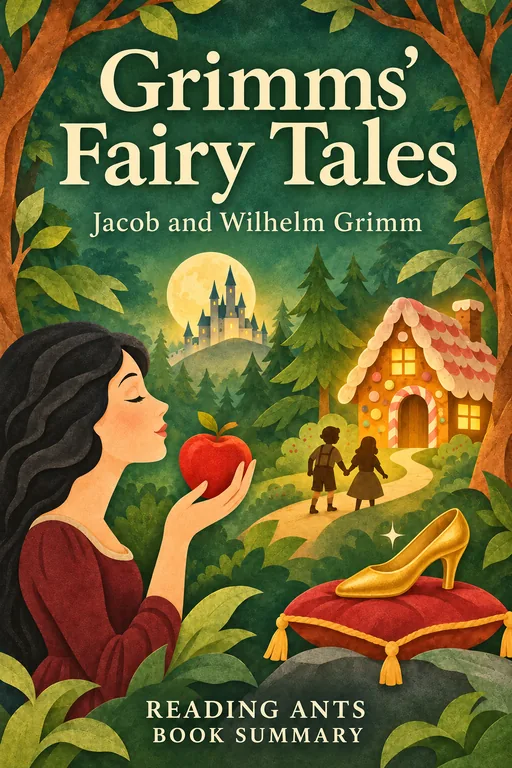
Grimms' Fairy Tales
Jacob and Wilhelm Grimm
Two German brothers collected the folk tales told by ordinary people, from Cinderella and Snow White to Hansel and Gretel, preserving stories of clever children, wicked witches and magical rewards that are now loved all over the world.
🧸 Children's Books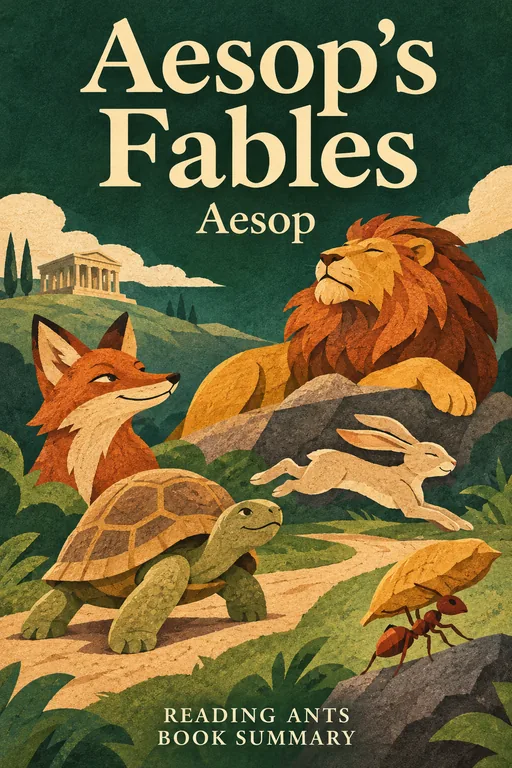
Aesop's Fables
Aesop
A collection of very short stories, mostly about talking animals, each teaching a simple lesson about life, such as slow and steady wins the race, and don't cry wolf.
🧸 Children's Books
The Little Prince
Antoine de Saint-Exupery
A pilot stranded in the desert meets a small boy from a tiny planet, who teaches him that the most important things in life, like love and friendship, can only be seen with the heart.
🌍 World Literature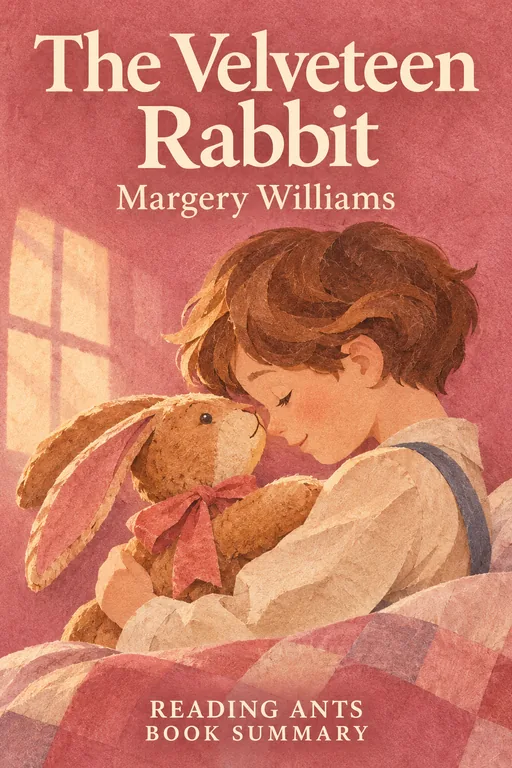
The Velveteen Rabbit
Margery Williams
A stuffed toy rabbit, loved by a small boy, learns from an old toy horse that being loved can make a toy Real, and at the end of a sad night, a fairy turns him into a living rabbit.
🧸 Children's Books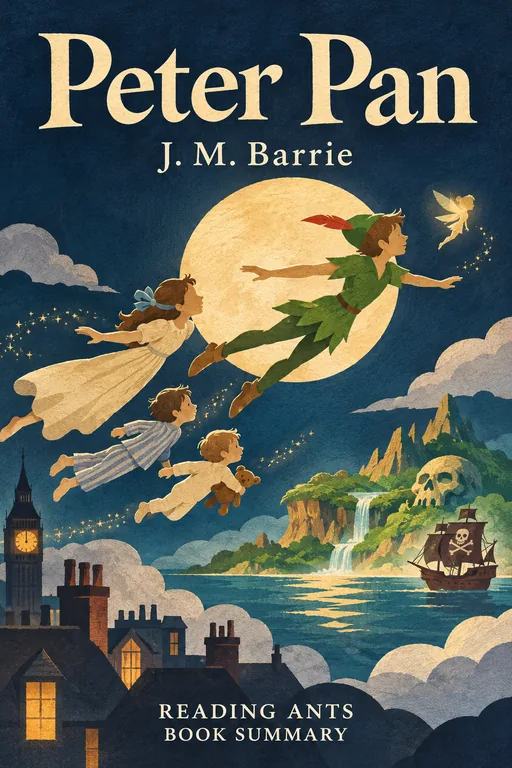
Peter Pan
J. M. Barrie
A magical boy who refuses to grow up flies three London children to Neverland, where they battle pirates led by the villainous Captain Hook, until Wendy realizes they must go home and grow up.
🧸 Children's Books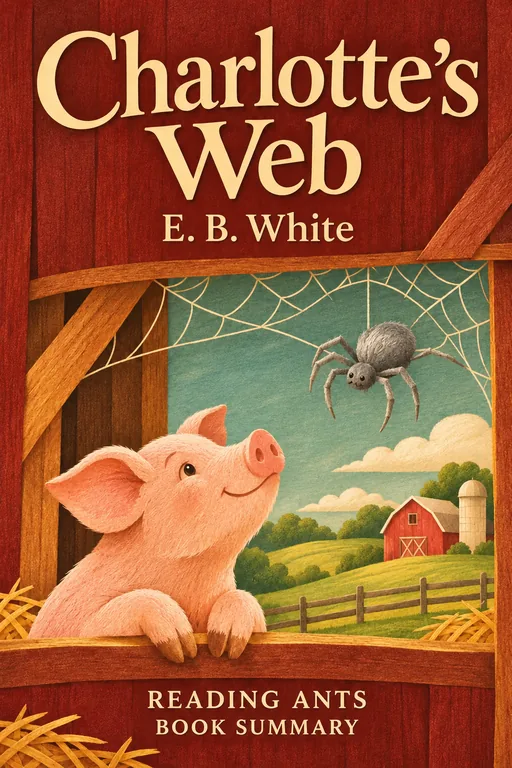
Charlotte's Web
E. B. White
A lonely pig named Wilbur learns he is going to be killed, and his clever friend Charlotte, a spider, comes up with an amazing plan to save his life.
🧸 Children's BooksWant something different?
Pick another topic and we will show you three books to start with.