 Reading Ants
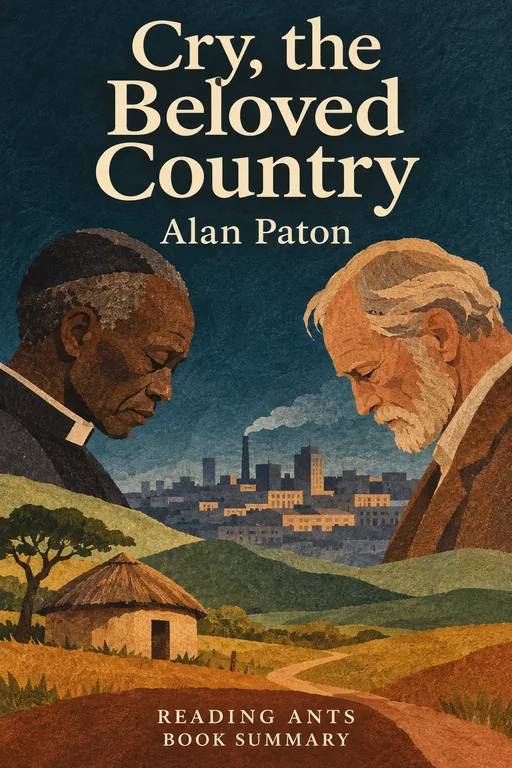
Cry, the Beloved Country
A rural Zulu priest travels to Johannesburg to find his lost son and sister, and discovers that his son has murdered a white man, a tragedy that draws two grieving fathers from opposite sides of South Africa's racial divide into an uneasy bond.
Overview
Cry, the Beloved Country is a novel by the South African writer Alan Paton, published in 1948, the year that apartheid became official policy. It is set in a time when South Africa’s Black population was being pushed off the land, and into poverty in the cities, while white leaders held the power. The story follows Stephen Kumalo, an elderly Zulu priest, who goes to Johannesburg and finds himself in a world of poverty, crime and fear. The book is written in a lyrical, biblical style and ends with a note of hope. It was an international bestseller and brought world attention to the injustice of the South African system.
Main Characters
- Stephen Kumalo: an elderly Anglican priest from the village of Ndotsheni, humble and good.
- Absalom Kumalo: his son, who goes to Johannesburg and gets into trouble.
- Gertrude: Stephen’s sister, who has gone to the city and fallen into poverty.
- James Jarvis: a wealthy white farmer who lives near Ndotsheni.
- Arthur Jarvis: James’s son, a reformer and defender of Black rights, who is murdered.
- John Kumalo: Stephen’s brother, a politician and carpenter in Johannesburg.
- Msimangu: a Black priest who helps Kumalo in Johannesburg.
Full Summary
The Letter
In the hill country of Natal, the people of Ndotsheni struggle with poor soil and the loss of the young, who leave for the city. Stephen Kumalo receives a letter from a priest in Johannesburg, saying that his sister Gertrude is ill and asking him to come. His son Absalom, who went to the city to find her, has not written for a long time. Kumalo and his wife borrow money, and he makes the journey, full of fear.
Johannesburg
In Johannesburg, Kumalo is overwhelmed by the noise, the crowds and the danger. A kind priest, Msimangu, guides him around. He finds his sister Gertrude, who has fallen into poverty and works as a prostitute and a seller of illegal liquor. He also finds his brother John, who has become a politician and no longer practices his faith. Kumalo starts to search for Absalom, going from place to place, and learns that his son has been in trouble.
At night, the city is dark and dangerous, and Kumalo learns that many young people from the villages have been drawn into crime. He sees the crowded slums, the shortage of housing and the lack of jobs that push them to despair. Msimangu explains that the old tribal life has broken, and that nothing has taken its place.
The Murder
As Kumalo searches, a shocking event occurs: a white man named Arthur Jarvis is shot in his home by burglars during a robbery. Arthur was a writer and engineer devoted to justice for Black South Africans. Soon Kumalo learns that his son Absalom was one of the burglars and that he fired the gun. Absalom is arrested, and the news devastates Kumalo.
The Two Fathers
James Jarvis, Arthur’s father, a landowner who lives near Ndotsheni, comes to Johannesburg to take his son’s body home. He reads his son’s writings and learns, for the first time, how much Arthur cared about the plight of the Black population. He feels sorrow and respect. Meanwhile, Kumalo supports Absalom, who is repentant but weak. At the trial, Absalom says that his two companions pressed him into the burglary, but they deny any part in it. Absalom is convicted and sentenced to death, while the two other men charged with him are acquitted for lack of evidence.
Jarvis, who had always kept to himself, finds that his son’s ideas have changed his heart. On his own farm, he sees the poverty of the nearby village for the first time and is shocked at how much suffering exists on land that he owns. The grief of both men begins to open them to each other.
Gertrude and the Return
Kumalo tries to save Gertrude, but she disappears from the house in Johannesburg before the return journey. Absalom marries the pregnant young woman while he is in prison, and Kumalo returns to Ndotsheni with a heavy heart, bringing Gertrude’s little son and Absalom’s wife. Jarvis, moved by his son’s example, decides to help the village, sending milk for the children and a young man to teach better farming methods, and planning improvements such as a dam to bring water. Jarvis and Kumalo come to understand each other through their shared loss.
The Dawn
On the morning of Absalom’s execution, Kumalo climbs a mountain to pray, and as dawn breaks, he finds a measure of peace. The novel ends with the sense that, although the road is long, there is hope for the country, and that a gentler future may come. The final lines are about the dawn, and about the fear that it may not come in time.
Why It Matters
Cry, the Beloved Country was one of the first widely read novels to alert the world to the racial divisions of South Africa. It was made into films in 1951 and 1995, and a Broadway musical, Lost in the Stars, by Kurt Weill and Maxwell Anderson, was based on it. It is regularly taught in schools, and a part of the debate about justice and forgiveness.
Paton, a white liberal, hoped that the story would encourage understanding between races. After apartheid ended in 1994, the book was reread as a work that anticipated the country’s long path of reconciliation.
Key Takeaways
- Injustice harms everyone. Both fathers lose their sons.
- Forgiveness and compassion can cross divides. Kumalo and Jarvis find common ground.
- Poverty and a broken community breed crime. The book links social conditions to violence.
- Hope can survive grief. The ending looks to a better future.
- Faith and humility give strength. Kumalo relies on his belief.
What We Can Learn
The novel invites us to understand the social conditions behind a crime without excusing it. It shows how families and communities are shattered when people lose land and opportunity.
It also demonstrates the power of empathy. When Jarvis reads his son’s writing, he is able to see Black South Africans as people, and acts to help.
Finally, it teaches that reconciliation begins with personal acts of kindness and listening.
It also encourages us to read, listen and learn about the lives of others. Jarvis’s change begins when he finds his dead son’s papers and reads what he thought, a reminder that understanding often starts with attention.
Criticism and Counterpoints
Some critics say that the book’s picture of Black characters is paternalistic, since it focuses on a gentle, passive priest and sees solutions in the generosity of enlightened whites, instead of in Black political action. Others say that the plot depends on coincidence, and that its tone is sometimes sentimental or preachy.
Black South African writers, such as those of the Drum generation, criticized the novel for presenting a white liberal view. Others note that its picture of urban Black life, especially of women, is limited. Still, many see it as a moving and important book.
Who Should Read It
This book suits teenagers and adults. The language is gentle and rhythmic, though the subject is serious, with a murder and an execution. It is good for classroom discussion on race and justice.
Want the whole book?
A summary is a taste, not the meal. Here is where to find the full book.
You reached the end 🎉
Nicely done. Mark this one as read, and we will suggest what to read next.
Read this next
Born a Crime
Trevor Noah
Trevor Noah, the comedian, recounts growing up in South Africa as the child of a Black mother and a white father at a time when their relationship was a crime, and pays tribute to the mother who raised him.
👤 Real Lives
Long Walk to Freedom
Nelson Mandela
Nelson Mandela tells his own story, from a village childhood to twenty-seven years in prison to becoming South Africa's first democratically elected president, and shows how patience, courage and forgiveness helped end apartheid.
👤 Real Lives
To Kill a Mockingbird
Harper Lee
In a small Alabama town in the 1930s, young Scout Finch watches her father, a lawyer, defend a Black man falsely accused of a crime, and learns hard lessons about prejudice, courage and seeing the world through other people's eyes.
📜 Classics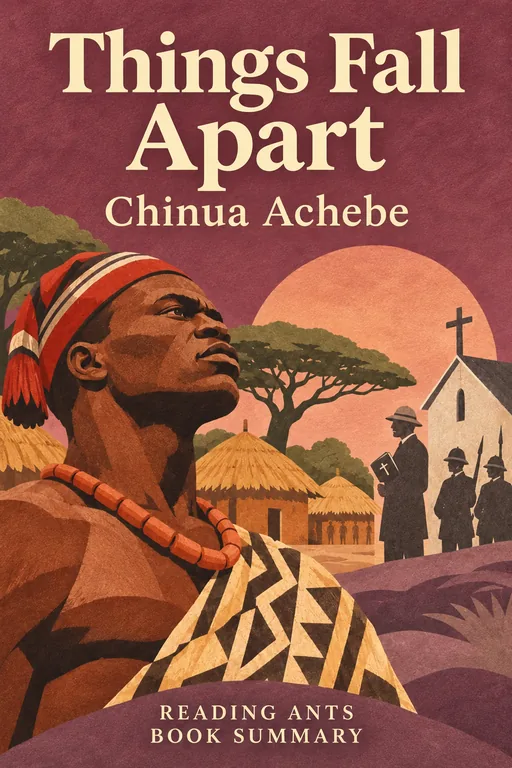
Things Fall Apart
Chinua Achebe
Okonkwo, a proud and fearsome leader in an Igbo village in Nigeria, struggles against his own fears and against the arrival of British missionaries and colonial rulers, who change his world forever.
🌍 World Literature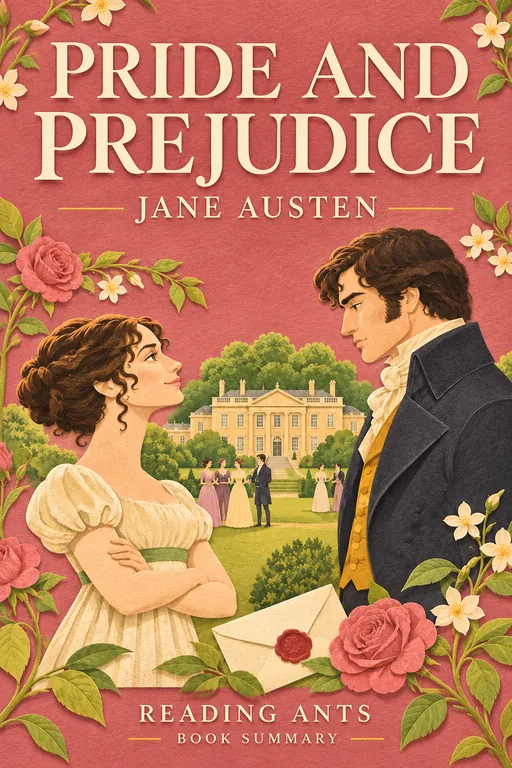
Pride and Prejudice
Jane Austen
Quick-witted Elizabeth Bennet and the proud, wealthy Mr. Darcy badly misjudge each other, and only by facing their own faults do they find their way to love.
📜 Classics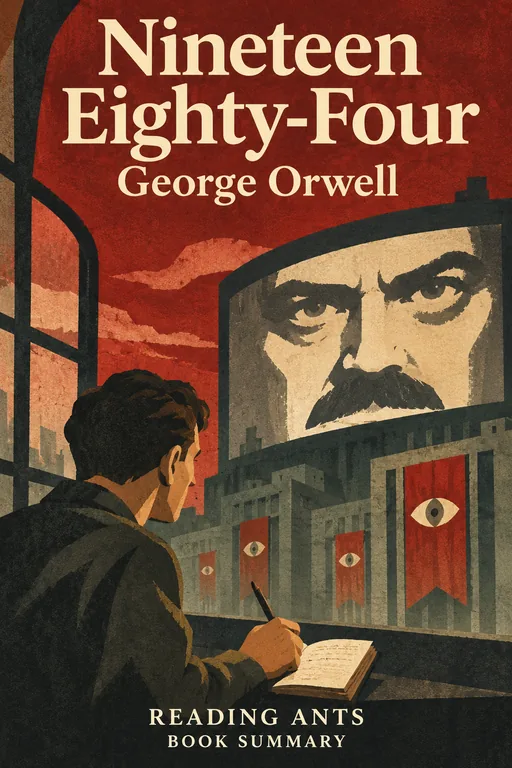
Nineteen Eighty-Four
George Orwell
In a future Britain ruled by an all-seeing Party, one man secretly rebels by keeping a diary and falling in love, and discovers just how completely a totalitarian state can crush the human mind.
📜 ClassicsWant something different?
Pick another topic and we will show you three books to start with.