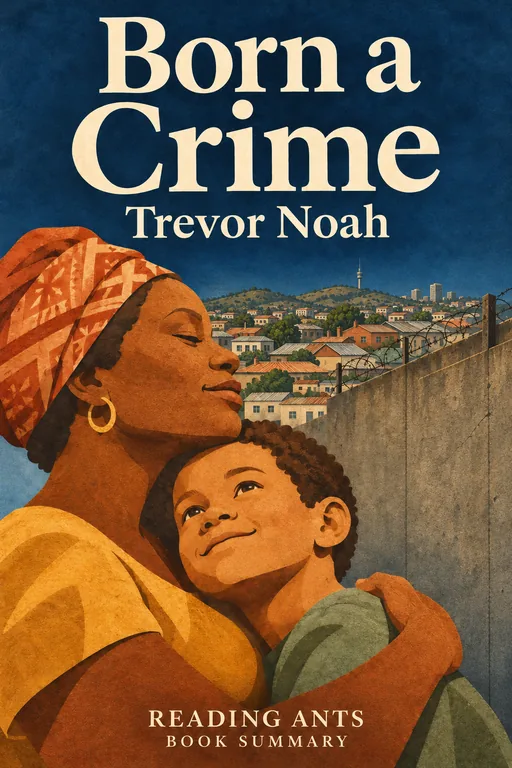
Born a Crime
Trevor Noah, the comedian, recounts growing up in South Africa as the child of a Black mother and a white father at a time when their relationship was a crime, and pays tribute to the mother who raised him.
Overview
Born a Crime: Stories from a South African Childhood is a memoir by Trevor Noah, a South African comedian who later became the host of The Daily Show in the United States. It was published in 2016. Noah was born in 1984, under apartheid, the system of racial segregation in South Africa that officially ended in the early 1990s. His mother, Patricia, a Black Xhosa woman, and his father, Robert, a white Swiss man, had a relationship that was illegal under the law, so Trevor’s very existence was a crime. The book is a series of funny and moving stories about his childhood, his family and growing up between worlds. Each chapter begins with a short note explaining some of the background of apartheid.
Full Summary
1. A child who should not exist
The idea: Noah explains that his birth was against the Immorality Act, which banned sexual relations between people of different races. His mother, who worked as a secretary, kept the pregnancy hidden as long as she could, and his father, who lived in an apartment nearby, could not be seen with them in public. As a young child, Trevor could not walk in the street with his mother or father without risk, and he was often hidden indoors. His mother sometimes pretended not to be his mother outside the home, and he learned to move with caution.
In real life: Rules that treat people differently by race affect even the most private parts of life, such as who can be a family.
2. Between colors and languages
The idea: Because Trevor looked “colored,” the term in South Africa for mixed-race people, he did not fit neatly into any group. He discovers that language can be a way across divides. Because he can speak several languages, including English, Xhosa, Zulu and others, he can talk to people in their own tongue and gain their acceptance. This ability to move between groups becomes one of the main themes of the book and later helps in his comedy.
In real life: Speaking someone’s language shows respect and can quickly turn a stranger into a friend.
3. A mother with faith and fire
The idea: The center of the book is Patricia, a strong, independent and deeply religious woman who defied apartheid expectations. She took Trevor to several churches each Sunday, sometimes for many hours, and she insisted that he go to good schools and see the world beyond their neighborhood. She often used humor and stern discipline, and taught him to think for himself. Noah recounts funny stories of her stubbornness, and also her sacrifices to give him opportunities.
In real life: A parent who believes in a child and sets high expectations, despite hardship, can change that child’s future.
4. Hustling and growing up
The idea: As a teenager, Noah attends a mostly white school where he struggles to fit in, and he lives in a poor township, Soweto, and spends much of his time in nearby Alexandra, where he learns how to survive. He starts a business selling pirated music compilations on CDs and DJs at parties, which brings him in contact with different groups. He also gets into trouble, including being arrested while driving a car that the police assumed was stolen, which leads to a frightening time in jail. Through these experiences, he becomes resourceful and sees how poverty can push people toward crime.
In real life: Young people with few opportunities often find creative ways to earn money, which shows the importance of opening legitimate options.
5. Abuse and a terrible event
The idea: Patricia marries a man named Abel, who is charming at first but turns abusive, and the household becomes frightening. Trevor describes how his mother tried to leave but was often failed by the police and the system, who did not take domestic violence seriously. In the shocking last chapter of the book, Abel, furious that she has left him, shoots Patricia more than once, including a shot to the head. She survives, but the event leaves a mark on the family. Trevor describes how he and his mother responded and how the case went through the courts.
In real life: Domestic violence is a serious problem in many places, and victims need support and effective protection.
6. Love, humor and survival
The idea: Noah uses humor even in the darkest moments, a tool he learned from his mother. He insists that she was the person who gave him a sense of freedom and self-belief. By the end, he reflects that his mother’s struggles and strength shaped him and that her persistence is the reason he made it. The book closes with a deep expression of love and gratitude for her.
In real life: Humor can be a way of coping with pain and bringing people together, without denying that the pain is real.
Why It Matters
Born a Crime was a major bestseller and won praise for its mixture of humor and seriousness. It introduced many readers to the realities of apartheid and its aftermath through the eyes of a child. Noah’s explanation of how race was defined and used in South Africa has been widely quoted.
A film adaptation was announced, and the book has been used in schools to start conversations about race, identity and resilience. It also made Noah’s mother a beloved figure to many readers. His stories about language, identity and belonging are often used by teachers to explain how a society’s laws can shape a child’s sense of self.
Key Takeaways
- Systems shape lives. Apartheid affected even family life.
- Language builds bridges. Speaking many languages helped him belong.
- Mothers can change destinies. Patricia’s determination transformed his life.
- Humor can heal. Laughter helps us face pain.
- Resourcefulness comes from need. Hustling as a teenager taught him how to survive and to read people.
What We Can Learn
The book teaches us how unjust laws harm real people, and helps readers understand why apartheid mattered. Noah’s stories make an abstract topic concrete, which can encourage empathy.
It also teaches the value of a strong, loving parent. Patricia’s faith and refusal to accept limits show how much a caregiver’s belief can matter.
Finally, it shows that humor and honesty can go together. Noah tells hard stories with laughter and respect, and that tone can help people discuss difficult subjects.
Criticism and Counterpoints
Some critics, including some South Africans, have said that Noah’s account of certain events and of South African society is shaped by his own point of view as a mixed-race person with privileges others lacked, and have questioned some details or simplifications. A few commentators felt that comic anecdotes sometimes made serious issues look lighter than they were.
Others have pointed out that the book covers only part of his story and leaves out his later career. The discussion of domestic violence and the language used may be difficult for some readers. Still, most reviewers praise it for its heart, humor and insights.
Who Should Read It
This book suits older teenagers and adults. It contains strong language and a scene of domestic violence, as well as discussions of racism and crime. It is often funny and offers a thoughtful way into the history of apartheid.
Want the whole book?
A summary is a taste, not the meal. Here is where to find the full book.
You reached the end 🎉
Nicely done. Mark this one as read, and we will suggest what to read next.
Read this next
Long Walk to Freedom
Nelson Mandela
Nelson Mandela tells his own story, from a village childhood to twenty-seven years in prison to becoming South Africa's first democratically elected president, and shows how patience, courage and forgiveness helped end apartheid.
👤 Real Lives
I Know Why the Caged Bird Sings
Maya Angelou
Maya Angelou tells of her childhood and youth in the segregated South and in California, a story of pain, silence and discovery in which words and books help her find her voice.
👤 Real Lives
The Glass Castle
Jeannette Walls
Jeannette Walls recounts a childhood with brilliant but irresponsible parents who moved constantly, left their children hungry and unsafe, and still gave them a sense of wonder, and how she and her siblings made their own way out.
👤 Real Lives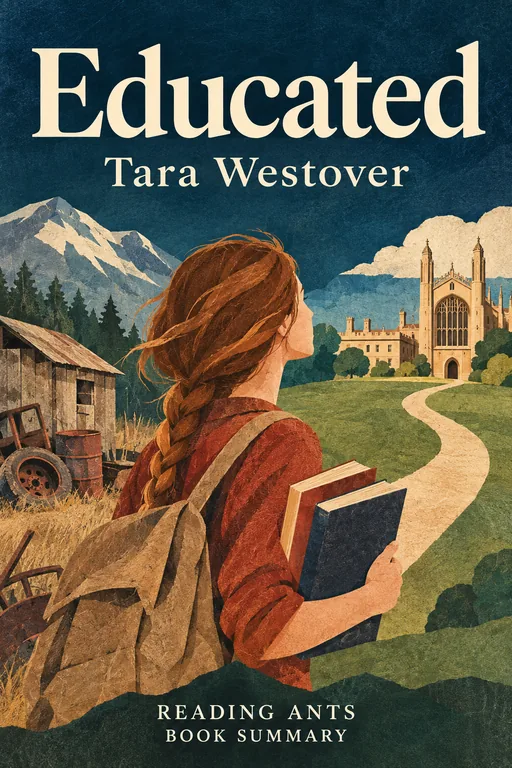
Educated
Tara Westover
A girl raised by survivalist parents in the mountains of Idaho, with no school, no birth certificate and no doctors, teaches herself enough to reach university and eventually earns a PhD from Cambridge, at the painful cost of her family.
👤 Real Lives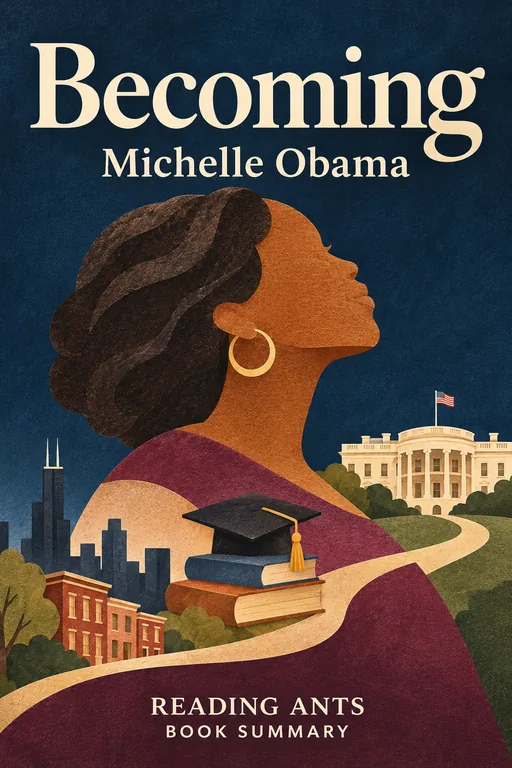
Becoming
Michelle Obama
Michelle Obama tells her story from a working-class childhood on the South Side of Chicago to her years as First Lady, and shares what she has learned about becoming oneself.
👤 Real Lives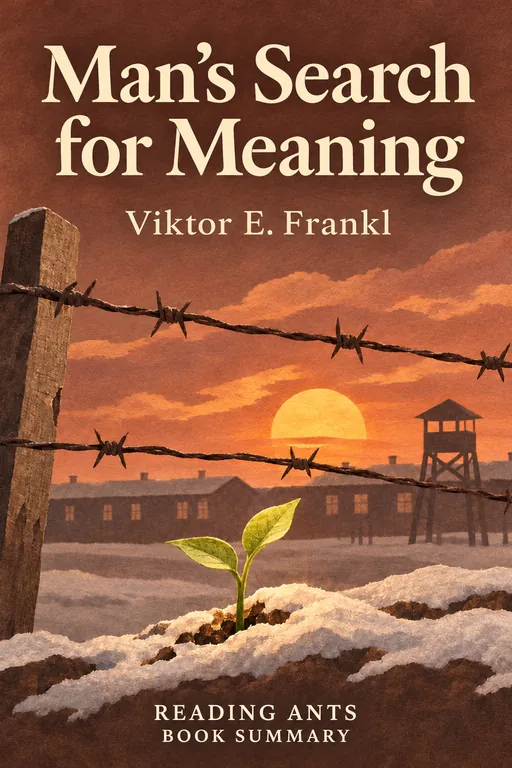
Man's Search for Meaning
Viktor E. Frankl
A psychiatrist who survived the Nazi concentration camps explains that even in the worst suffering, people can choose their attitude, and that finding a reason to live is what gives us the strength to endure.
👤 Real LivesWant something different?
Pick another topic and we will show you three books to start with.