 Reading Ants
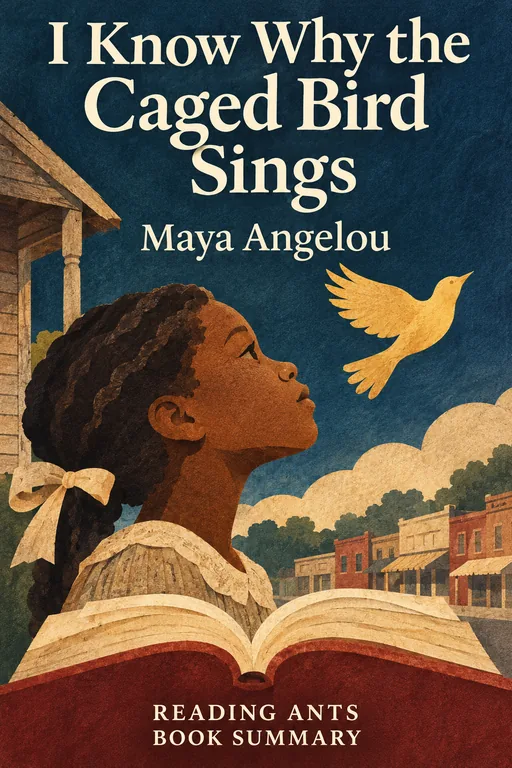
I Know Why the Caged Bird Sings
Maya Angelou tells of her childhood and youth in the segregated South and in California, a story of pain, silence and discovery in which words and books help her find her voice.
Overview
I Know Why the Caged Bird Sings is the first of seven autobiographies by Maya Angelou, a poet, performer and civil rights activist born Marguerite Johnson in 1928. Published in 1969, it covers her life from about age three to about seventeen. It tells of being sent to live with her grandmother in Stamps, Arkansas, of facing racism, and of surviving a terrible trauma that left her mute for years. The book is written in rich, lyrical prose and is often taught in schools, though it has also been challenged and banned in some places because of its frank treatment of sexual abuse and racism.
Full Summary
1. Stamps, Arkansas
When Marguerite, called Maya, is about three, and her brother Bailey is four, their divorced parents send them by train to live with their paternal grandmother, Annie Henderson, in Stamps, Arkansas. The children wear tags on their wrists, and they are traveling alone. Their grandmother, whom they call Momma, runs a general store and is strong, religious and respected in the Black community. Maya sees the poverty and prejudice around her, including the cruelty of local white people, and learns to survive in a segregated town while also taking comfort in her family and in church.
2. A childhood shaped by racism
Maya describes everyday indignities, such as being talked down to by white customers and the fear when the Ku Klux Klan rides by. She feels ashamed of her appearance and imagines she is an ugly girl who will one day wake up as a blonde, blue-eyed white girl. A scene in which a white dentist refuses to treat her toothache, despite Momma’s earlier loan to him, shows the dignity of her grandmother and the humiliation of racism. Still, Maya finds strength in her family and begins to read, finding comfort in books.
3. Trauma and silence
At age seven, Maya and Bailey go to live with their mother, Vivian, in St. Louis. There Maya is sexually assaulted by her mother’s boyfriend, Mr. Freeman. She tells Bailey, and Freeman is tried, but he is released and is later found killed, probably by Maya’s uncles on her mother’s side, the Baxter brothers. Maya feels responsible, believing her voice had caused the man’s death, and she stops speaking to everyone but Bailey. She and her brother are sent back to Stamps, where she remains almost mute for years. This summary does not describe the abuse in detail; the memoir itself is more explicit.
4. Finding her voice
In Stamps, a cultured Black woman named Mrs. Bertha Flowers befriends Maya and introduces her to poetry and great literature. She encourages her to read aloud and to value the spoken word. Through this mentoring and her love of language, Maya slowly begins to talk again. She also learns about pride and dignity from the community around her, and she graduates at the top of her eighth-grade class, though the ceremony is marred by a white speaker’s insulting remarks, which the students respond to with the Black national anthem.
5. California and growing up
When Maya is about thirteen, she and Bailey move to California to live with their mother. She attends school in San Francisco, where she studies drama and dance on a scholarship. She spends a summer with her father in Southern California, which includes a dangerous trip to Mexico and a quarrel with his girlfriend that leaves her homeless for a time, living in a junkyard with other teenagers. This experience teaches her independence and self-reliance.
6. A young mother
Back in San Francisco, Maya is determined to become the city’s first Black female streetcar conductor and succeeds, after persistence in the face of discrimination. She also wonders about her sexuality and, after a brief encounter, becomes pregnant at sixteen. She hides it until the end of school, and after graduating, she gives birth to her son, Clyde, later known as Guy. The book ends with Maya, now a mother, holding her baby and realizing she can care for him, an image of growth and hope.
Why It Matters
I Know Why the Caged Bird Sings was a landmark in American literature, one of the first widely read memoirs by a Black woman to explore race, identity and womanhood so openly. It was nominated for a National Book Award in 1970 and became a bestseller. It has influenced many writers and helped open the way for more diverse voices in autobiography.
Angelou later read her poem at President Bill Clinton’s inauguration in 1993, and the book has remained a central part of her legacy and of the American literary canon.
Key Takeaways
- Voice can be recovered. Maya regains speech through poetry and love.
- Mentors matter. Mrs. Flowers changed her life with books.
- Racism leaves scars. Daily humiliations shaped her childhood.
- Dignity can be a defense. Her grandmother’s quiet pride protected her.
- Resilience is built, not given. She grew stronger through hardships.
What We Can Learn
The book teaches the power of language to heal. For Maya, reading and speaking aloud helped her recover from trauma, and it reminds us that words can be an anchor when life is hard.
It also shows how important kind adults are. A single mentor, like Mrs. Flowers, can open a world to a young person, and we can all try to be that kind of presence for someone else.
Finally, the book teaches resilience and self-respect. Despite harsh treatment, Maya found ways to keep her dignity, and her story encourages readers to value themselves.
Criticism and Counterpoints
The book has frequently been challenged in schools and libraries in the United States because of its depiction of sexual abuse, its frank language about sex and race, and some themes that parents find mature. Supporters argue that it is carefully written and valuable for teaching empathy.
Some literary critics have questioned how far the book is strictly factual, since Angelou used techniques of fiction, compressing time and shaping scenes, and some details have been disputed. Others note the loose structure, as the book moves through episodes rather than a single plot. Many readers still find it powerful and beautifully written.
Who Should Read It
This book suits older teenagers and adults. It includes an account of child abuse, which is more explicit in the book than in this summary, and frank discussions of racism. It is often read in school and can lead to important conversations, and a parent or teacher might guide younger readers.
Want the whole book?
A summary is a taste, not the meal. Here is where to find the full book.
You reached the end 🎉
Nicely done. Mark this one as read, and we will suggest what to read next.
Read this next
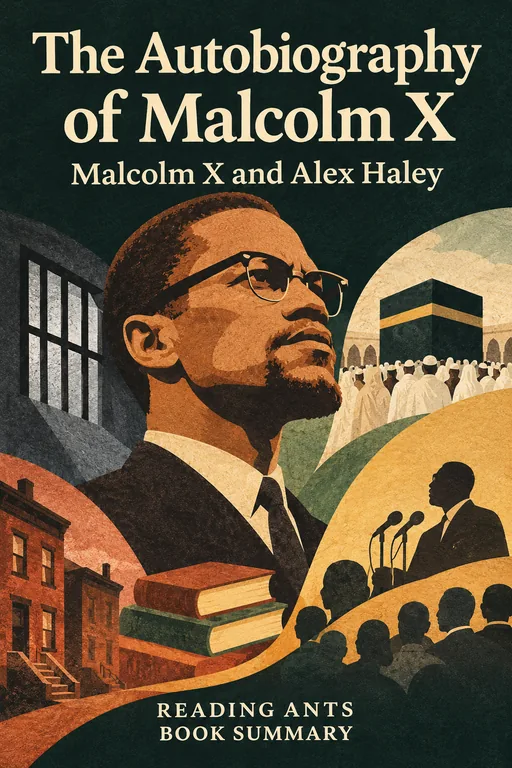
The Autobiography of Malcolm X
Malcolm X and Alex Haley
Malcolm X tells, with the help of the writer Alex Haley, how he moved from a troubled childhood and a life of crime to leadership in the Nation of Islam, and then to a broader view of race and faith before his death.
👤 Real Lives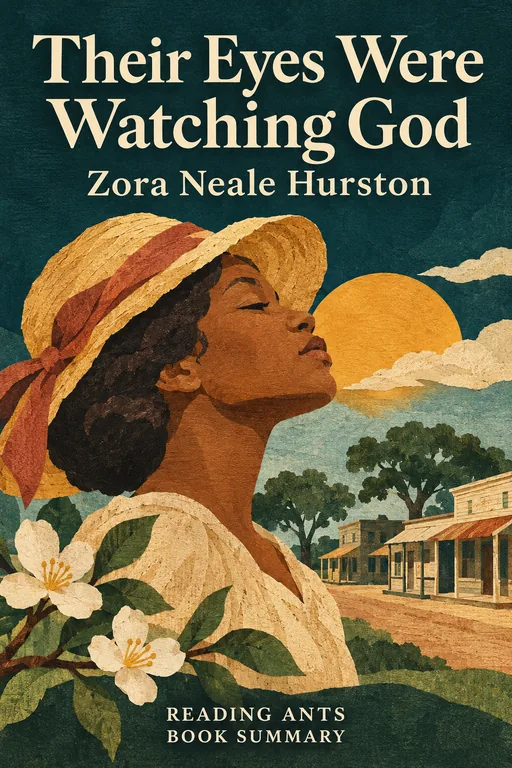
Their Eyes Were Watching God
Zora Neale Hurston
Janie Crawford tells her best friend the story of her three marriages, as she moves from a girl taught to find security to a woman who finds love and her own voice in the Florida of the early twentieth century.
📜 Classics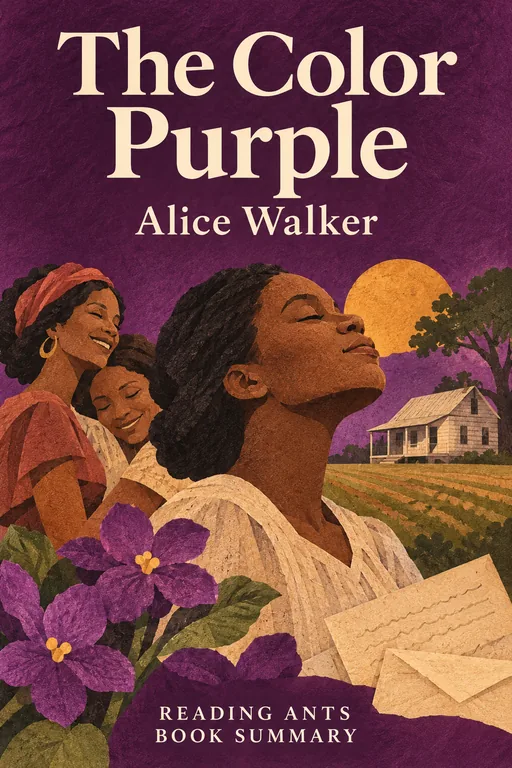
The Color Purple
Alice Walker
Told in letters, the story follows Celie, a poor Black woman in rural Georgia who survives abuse and loss, and through the love of other women finds her voice, her independence and joy.
✨ Modern Fiction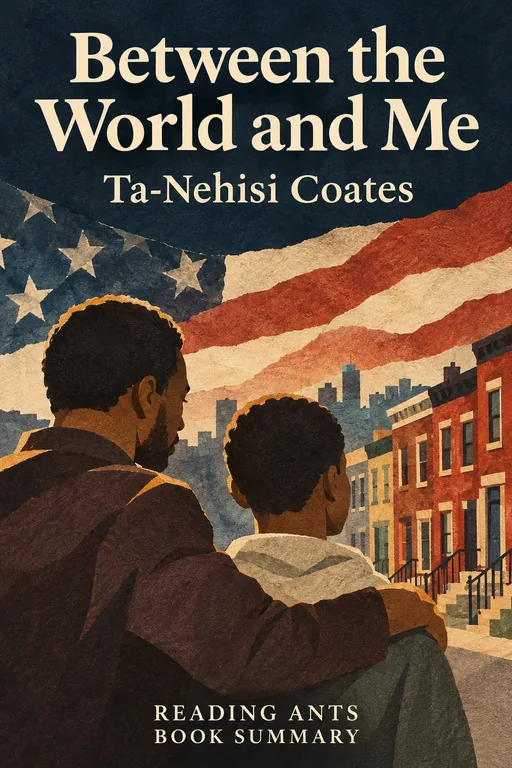
Between the World and Me
Ta-Nehisi Coates
In a letter to his teenage son, Ta-Nehisi Coates describes what it means to live in a Black body in America, and reflects on fear, history and the struggle to be free.
⚖️ Politics & Society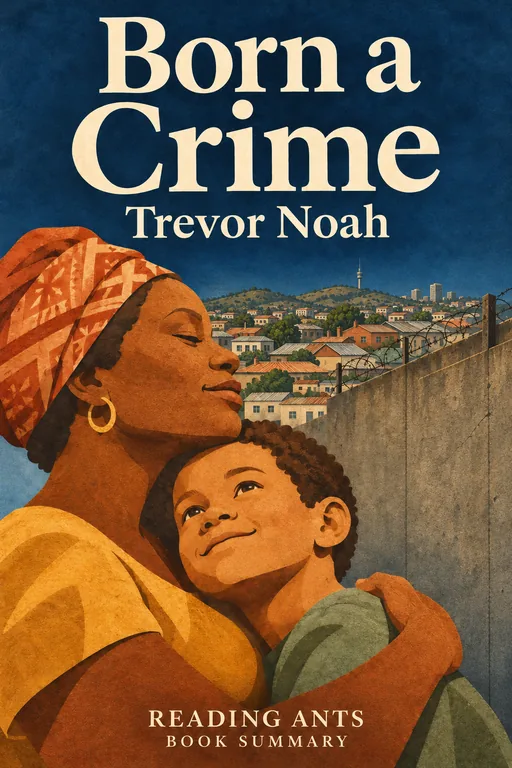
Born a Crime
Trevor Noah
Trevor Noah, the comedian, recounts growing up in South Africa as the child of a Black mother and a white father at a time when their relationship was a crime, and pays tribute to the mother who raised him.
👤 Real Lives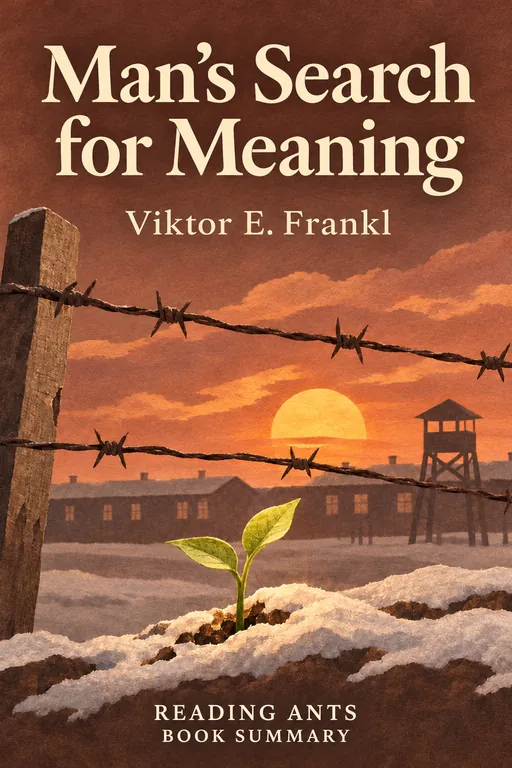
Man's Search for Meaning
Viktor E. Frankl
A psychiatrist who survived the Nazi concentration camps explains that even in the worst suffering, people can choose their attitude, and that finding a reason to live is what gives us the strength to endure.
👤 Real LivesWant something different?
Pick another topic and we will show you three books to start with.