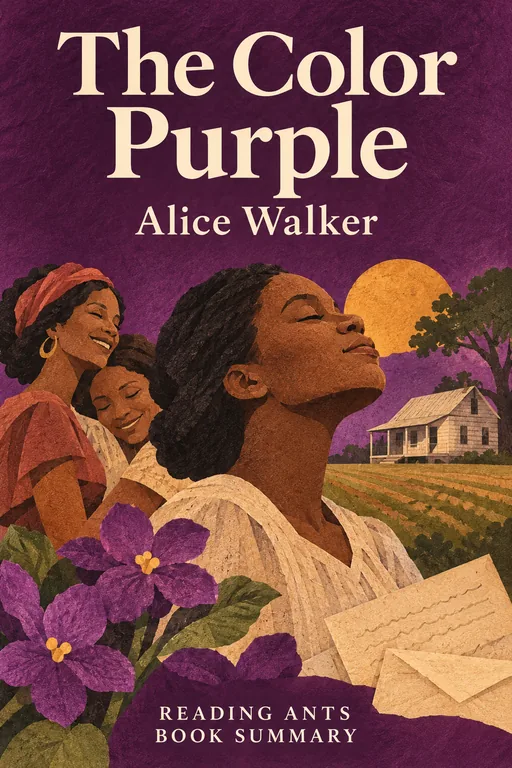
The Color Purple
Told in letters, the story follows Celie, a poor Black woman in rural Georgia who survives abuse and loss, and through the love of other women finds her voice, her independence and joy.
Overview
The Color Purple, published in 1982 by Alice Walker, is set in the American South in the early twentieth century and is told as a series of letters, first from Celie to God and later between Celie and her sister, Nettie. When the novel begins, Celie is fourteen and is already a mother, abused by the man she believes is her father. She is married off to a harsh widower she calls Mister, who beats her and treats her as a servant. Through friendship and love, especially with the glamorous singer Shug Avery, Celie slowly learns to value herself. The novel won the Pulitzer Prize and the National Book Award, making Walker the first Black woman to win the Pulitzer for fiction.
Main Characters
- Celie: a quiet, mistreated young woman who grows into a confident one.
- Nettie: Celie’s smart, determined younger sister.
- Albert (“Mister”): Celie’s cruel husband.
- Shug Avery: a free-spirited blues singer, Albert’s longtime lover and Celie’s friend and lover.
- Sofia: Harpo’s strong, outspoken wife.
- Harpo: Albert’s son, who marries Sofia.
- Squeak (Mary Agnes): Harpo’s girlfriend, who becomes a singer.
- Samuel and Corrine: missionaries Nettie works with in Africa.
Full Summary
Letters to God
Celie, fourteen years old, begins writing letters to God because she has no one else to tell. She has been repeatedly raped by the man she believes is her father, Alphonso, and has given birth to two children, whom he took away. When a widower asks to marry her sister, Nettie, Alphonso instead gives Celie to the man, known as Mister, to care for his children. Mister beats her, and Celie obeys silently, convinced that survival means not fighting back.
Nettie, escaping their father’s attention, comes to live with Celie, but Mister makes advances toward her, and when she refuses, he throws her out. Before she leaves, Nettie promises to write every day. For years, Celie hears nothing.
Sofia and Shug
Mister’s son, Harpo, falls in love with a strong, outspoken girl named Sofia. When he asks Celie how to make Sofia obey him, Celie, jealous of Sofia’s independence, tells him to beat her. Sofia fights back and comes to Celie, furious. Celie feels ashamed. Sofia teaches her that women must stand up for themselves.
Shug Avery, a glamorous blues singer and Mister’s longtime lover, comes to town sick, and Celie nurses her back to health. Shug is bold, independent and openly sexual, and she treats Celie with kindness. The two become close friends and then lovers. For the first time, Celie knows love and tenderness.
Sofia’s Price
Sofia’s strength brings terrible punishment. When the mayor’s wife asks Sofia to be her maid, Sofia refuses, saying “Hell no.” The mayor slaps her, Sofia hits him back, and she is beaten by a mob, jailed for years and then forced to work as the mayor’s family maid, a loss of freedom that nearly breaks her spirit.
The Lost Letters
Shug helps Celie discover that Mister has been hiding Nettie’s letters for years. Celie finally reads them. Nettie writes that she became a missionary and has been working with a couple, Samuel and Corrine, in Africa, caring for Celie’s two children, who are alive. She also reveals that Alphonso was not their real father, and that their real father was lynched. Celie’s children are therefore not the product of incest.
Furious, Celie imagines killing Mister, but Shug stops her. At a family dinner, Celie finally speaks out, announcing that she is leaving with Shug for Memphis. She curses Mister, telling him that everything he does to her will come back to him.
Independence
In Memphis, Celie starts making and selling custom pants. Her business grows, and she becomes independent. When her stepfather dies, she inherits the house and land that were really her biological father’s. Meanwhile, Mister falls ill and changes, becoming more humble and helpful. Celie eventually forgives him, and they become friends.
Reunion
Shug leaves Celie for a younger man for a time, which hurts her, but Celie, now secure in herself, learns to let go. Finally, Nettie returns from Africa after thirty years, with Celie’s children, now grown, and Nettie’s husband, Samuel, whose first wife has died. Celie’s last letter is addressed to God and also to the stars, trees, sky, people and everything, thanking the world for the family gathered on the Fourth of July.
Why It Matters
The Color Purple won the Pulitzer Prize for Fiction and the National Book Award in 1983, and it became one of the most widely read American novels. It brought Black women’s experiences, including abuse, sisterhood, spirituality and love between women, to the center of American literature, and it is associated with the term “womanist,” which Walker had coined earlier, for Black feminism.
The novel was adapted into a 1985 film directed by Steven Spielberg, starring Whoopi Goldberg, Danny Glover and Oprah Winfrey, and a Broadway musical in 2005. It has also been one of the most frequently challenged books in American schools because of its sexual content and violence, which has kept it at the center of debates about what students should read.
Key Takeaways
- Voice and self-worth can be found. Celie moves from silence to speaking for herself.
- Women’s friendship is powerful. Sofia, Shug and Celie support each other.
- Abuse can be survived. Celie builds a new life after terrible harm.
- Forgiveness can follow change. Celie and Mister make peace once he changes.
- Spirituality can be personal. Celie’s idea of God grows more open and loving.
What We Can Learn
Celie’s story shows that people who have been silenced can find their voices. Even small steps, like writing letters or speaking up for oneself, can lead to bigger changes.
It also shows how important supportive relationships are. Celie begins to heal because Shug and Sofia treat her as someone of value. Being the kind of friend who listens and believes can change someone’s life.
Finally, the book reminds us that everyone has the right to be safe and respected. Understanding the effects of abuse, and standing with survivors, is something we can all do.
Criticism and Counterpoints
When it was published, some Black critics, particularly men, argued that the novel portrayed Black men as brutal and one-dimensional, reinforcing negative stereotypes. The 1985 film faced similar protests. Walker has responded that the novel shows that men can change, as Mister does.
Others have discussed the novel’s depiction of Africa, which some find idealized, and its sudden, optimistic ending, which can seem too neat after so much suffering. The explicit scenes of violence and sexual abuse also make it difficult reading and have led to challenges in schools and libraries.
Who Should Read It
This novel suits mature readers, generally 16 and older, who can handle very difficult subject matter. It is moving, hopeful and accessible, told in a distinctive voice that has stayed with millions of readers.
Want the whole book?
A summary is a taste, not the meal. Here is where to find the full book.
You reached the end 🎉
Nicely done. Mark this one as read, and we will suggest what to read next.
Read this next
Beloved
Toni Morrison
A formerly enslaved woman living in Ohio after the Civil War is haunted by the ghost of the daughter she killed to save her from slavery, and by the painful memories she has tried to bury.
✨ Modern Fiction
Their Eyes Were Watching God
Zora Neale Hurston
Janie Crawford tells her best friend the story of her three marriages, as she moves from a girl taught to find security to a woman who finds love and her own voice in the Florida of the early twentieth century.
📜 Classics
I Know Why the Caged Bird Sings
Maya Angelou
Maya Angelou tells of her childhood and youth in the segregated South and in California, a story of pain, silence and discovery in which words and books help her find her voice.
👤 Real Lives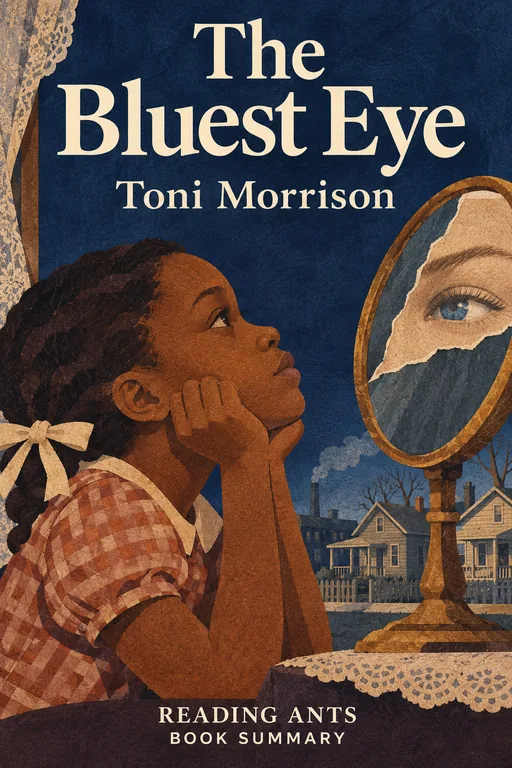
The Bluest Eye
Toni Morrison
In 1940s Ohio, a poor Black girl named Pecola Breedlove, who believes that she is ugly, prays for blue eyes, and the community's failure to protect her leads to tragedy.
✨ Modern Fiction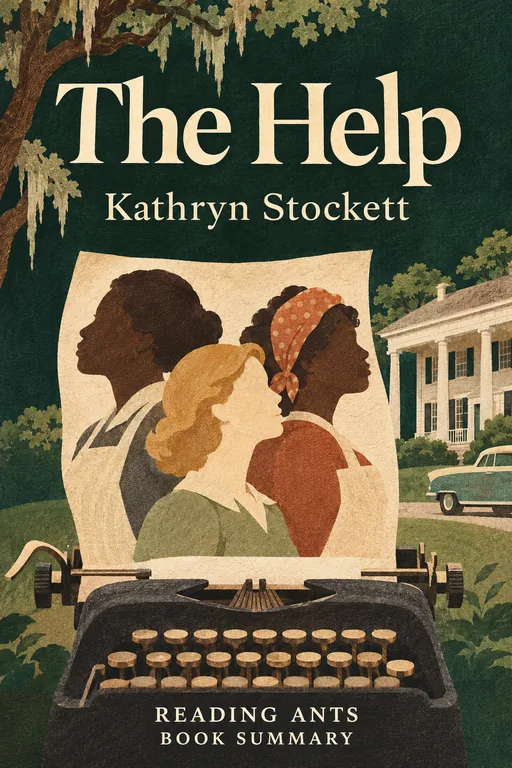
The Help
Kathryn Stockett
In 1962 Jackson, Mississippi, a young white woman named Skeeter secretly collects the stories of Black maids who work in white homes, putting them all at risk in the heat of the civil rights movement.
✨ Modern Fiction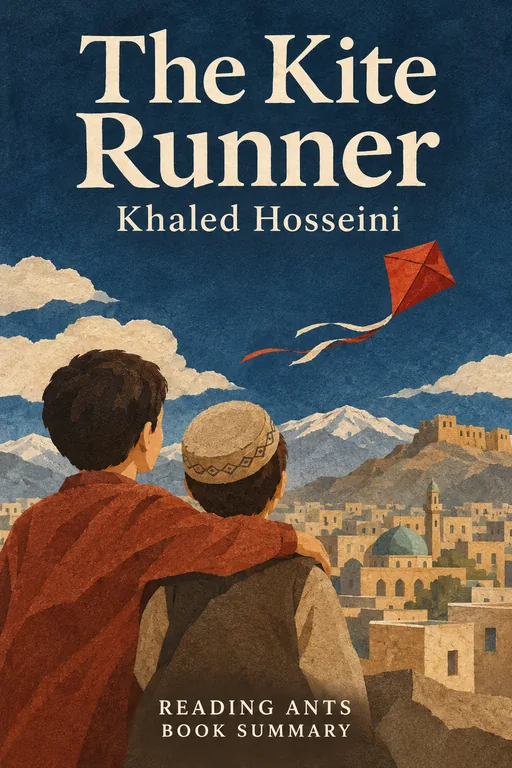
The Kite Runner
Khaled Hosseini
A wealthy boy in Kabul betrays his loyal best friend on the day of a kite tournament, and decades later, after fleeing to America, he returns to a Taliban-ruled Afghanistan to try to make things right.
✨ Modern FictionWant something different?
Pick another topic and we will show you three books to start with.