 Reading Ants
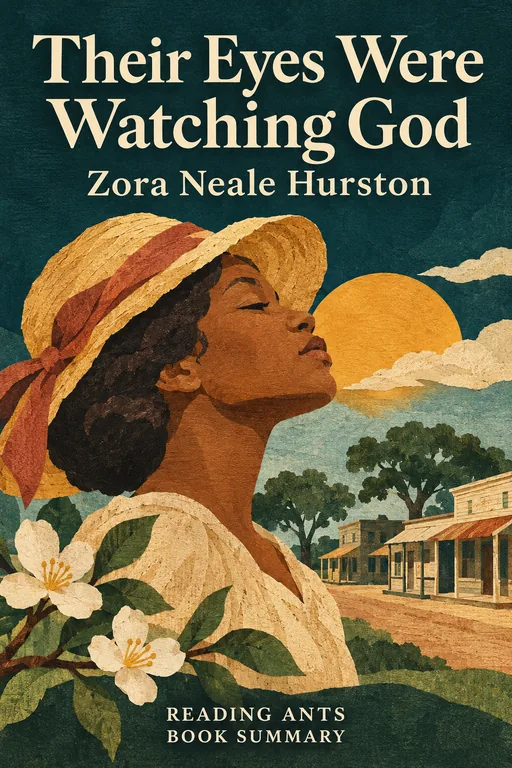
Their Eyes Were Watching God
Janie Crawford tells her best friend the story of her three marriages, as she moves from a girl taught to find security to a woman who finds love and her own voice in the Florida of the early twentieth century.
Overview
Their Eyes Were Watching God is a novel by Zora Neale Hurston, a leading writer of the Harlem Renaissance, published in 1937. It is set in the early 1900s in Florida, in all-Black communities such as Eatonville, which Hurston knew from her own childhood. The story is framed as Janie’s return to town after a long absence, when she tells her friend Pheoby what has happened to her. The novel is notable for its lyrical prose and its use of Black Southern dialect in dialogue. It was not widely appreciated at first, but was revived in the 1970s, and is now considered a classic of American literature.
Main Characters
- Janie Crawford: a strong, independent woman who searches for love and selfhood.
- Nanny: Janie’s grandmother, a former slave who wants security for her granddaughter.
- Logan Killicks: Janie’s first husband, an older farmer who expects her to work hard.
- Joe “Jody” Starks: her second husband, an ambitious man who becomes mayor of Eatonville.
- Vergible “Tea Cake” Woods: her third husband, a younger man who is playful and kind.
- Pheoby Watson: Janie’s close friend, who listens to her story.
Full Summary
Coming Home
The novel begins as Janie walks back into Eatonville, dusty and in overalls, after a long absence. The townspeople watch and gossip, wondering what has happened to her and where her younger husband has gone. Janie tells her friend Pheoby that she will explain, and that Pheoby can tell the others. This begins the story of her life.
Nanny and the Pear Tree
As a teenager, Janie, who lives with her grandmother, Nanny, sits under a blossoming pear tree and has a vision of love, in which the bees and blossoms come together in harmony. She longs for such a union. But when Nanny sees her kissing a boy, she insists that Janie marry Logan Killicks, a much older farmer with sixty acres. Nanny, who was enslaved and suffered much, wants Janie to have security, and dismisses romantic hopes as a luxury.
Joe Starks
Marriage to Logan is cold and hard, as he treats her like a mule, and she realizes that love has not come. When a smooth-talking stranger, Joe Starks, comes by with big plans, Janie runs off with him, hoping for a better life. They go to the new all-Black town of Eatonville, where Joe becomes the mayor and storekeeper. He treats Janie as a showpiece, forbidding her to join in the porch talk and making her cover her hair. He often belittles her. Over twenty years, her spirit is stifled.
Joe builds a store and a streetlamp, and brings progress to the town. The people admire him, but Janie is treated as his property, and when she makes a mistake while working in the store, he humiliates her in front of customers. The porch of the store, where townspeople tell stories and jokes, becomes a place from which Janie is shut out, though she longs to take part.
Joe’s Death and Freedom
Eventually Joe becomes ill and dies. In their last argument, Janie finally stands up to him, telling him that he has not known her. After his funeral, Janie lets down her hair and feels free. She is a wealthy widow, and the townspeople gossip. She begins to enjoy her independence, though many men court her.
Tea Cake
One day, a younger man called Tea Cake comes into the store, plays checkers with her and treats her as an equal. He is playful and generous, and they fall in love. Against the wishes of the town, who say that he is after her money, Janie sells the store and leaves with him, and they marry. They move to the Everglades, where they work as farm laborers, and share a life of joy, music and community. Tea Cake teaches her to play, and she finds her voice.
In the Everglades, the couple work in the bean fields, and their little house becomes a gathering place for the other workers, who sing, dance and gamble. Janie, who has never been part of such a lively community, enjoys it, and learns to shoot and fish. Tea Cake sometimes shows jealousy and once strikes her, but he is also tender and teaches her to enjoy life.
The Hurricane and the Trial
A great hurricane strikes the Everglades, and the couple flees. In the flood, Tea Cake saves Janie from a rabid dog, but is bitten by it. He develops rabies, becomes violent and tries to shoot Janie, and in self-defense she shoots him. She is tried for murder, and an all-white jury finds her innocent. She buries him with great honor, and returns to Eatonville, where she finishes her story to Pheoby. She feels that she has found peace, and that Tea Cake lives on in her memory.
Why It Matters
Their Eyes Were Watching God is considered one of the greatest African American novels and a key text of the Harlem Renaissance. It was largely forgotten after its first publication, partly because other Black writers, such as Richard Wright, criticized it for not focusing on racial protest. In the 1970s, the writer Alice Walker led a revival of Hurston’s work, and it became a staple of American literature courses.
The novel also is celebrated as a story of a Black woman’s journey to self-discovery, and a model for later writers such as Toni Morrison and Alice Walker.
Key Takeaways
- Love and selfhood go together. Janie finds love as she finds her voice.
- Security is not enough. Nanny’s goal differs from Janie’s need for fulfillment.
- Speaking up is liberation. Janie finally answers Joe.
- Experience is the best teacher. Janie learns through her marriages.
- Community and storytelling matter. Janie’s tale is told to Pheoby.
What We Can Learn
The novel shows that people must find their own way, even when loved ones want to protect them. Nanny’s advice comes from love, but it limits Janie.
It also teaches about the power of speaking for oneself. Janie’s silence in her second marriage nearly destroys her, and finding her voice is a turning point.
Finally, it reminds us of the beauty of ordinary speech. Hurston preserves the rhythms and humor of Black Southern talk.
It also shows that happiness can come from being part of a community and sharing stories. Janie’s joy in the Everglades is tied to the music, laughter and companionship around her.
Criticism and Counterpoints
When it was first published, some Black critics, including Richard Wright, said that the novel catered to white readers by portraying Black people as simple, and did not engage enough with racism. Other readers find the use of dialect difficult. Some say that the character of Tea Cake, who beats Janie at one point, shows violence that the book treats too lightly.
The ending, in which Janie is acquitted by an all-white jury after killing Tea Cake, is unrealistic to some. Still, the book is widely admired.
Who Should Read It
This book suits mature teenagers and adults. The dialect takes some effort at first, and it includes domestic violence and a death. It is a rewarding read, and is often taught in schools.
Want the whole book?
A summary is a taste, not the meal. Here is where to find the full book.
You reached the end 🎉
Nicely done. Mark this one as read, and we will suggest what to read next.
Read this next
I Know Why the Caged Bird Sings
Maya Angelou
Maya Angelou tells of her childhood and youth in the segregated South and in California, a story of pain, silence and discovery in which words and books help her find her voice.
👤 Real Lives
Beloved
Toni Morrison
A formerly enslaved woman living in Ohio after the Civil War is haunted by the ghost of the daughter she killed to save her from slavery, and by the painful memories she has tried to bury.
✨ Modern Fiction
The Color Purple
Alice Walker
Told in letters, the story follows Celie, a poor Black woman in rural Georgia who survives abuse and loss, and through the love of other women finds her voice, her independence and joy.
✨ Modern Fiction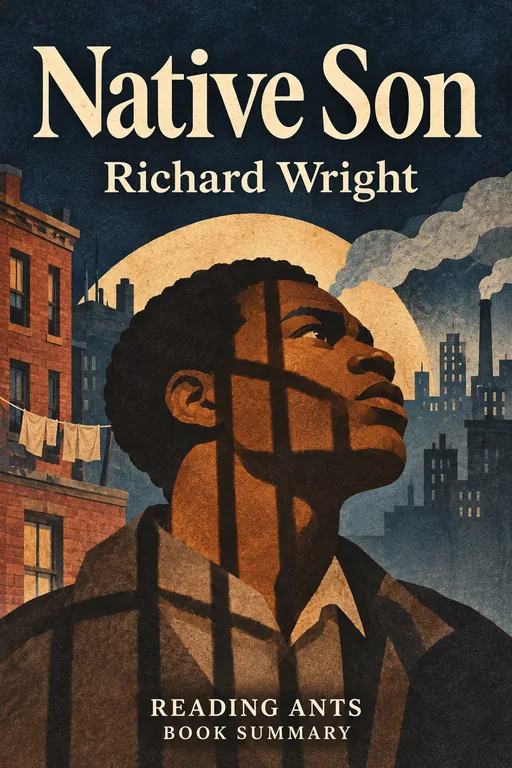
Native Son
Richard Wright
Bigger Thomas, a young Black man in 1930s Chicago who feels trapped by poverty and racism, accidentally kills a white woman and then commits another crime, and the novel shows how a society shaped him and then condemned him.
📜 Classics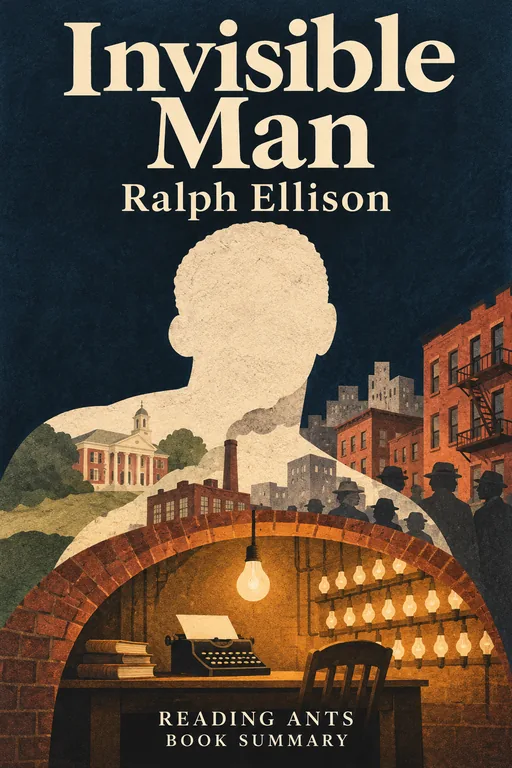
Invisible Man
Ralph Ellison
An unnamed young Black man moves from the South to Harlem and passes through one false identity after another, until he realizes that he is invisible to a society that sees only what it expects, and he retreats underground to write his story.
📜 Classics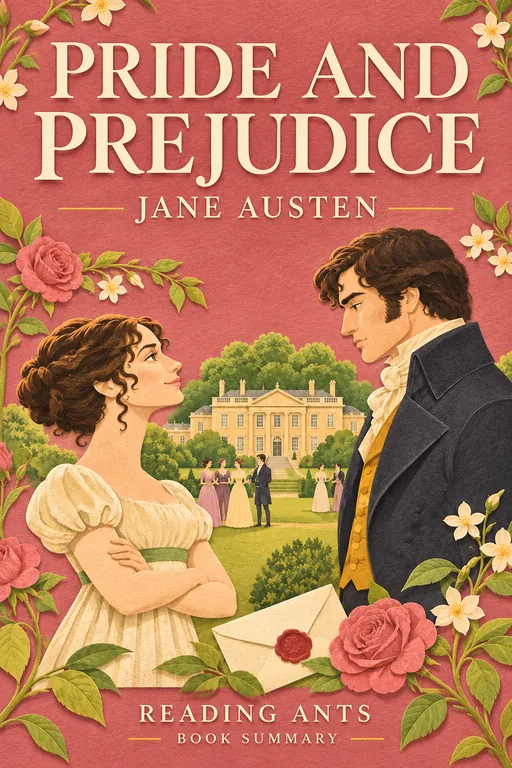
Pride and Prejudice
Jane Austen
Quick-witted Elizabeth Bennet and the proud, wealthy Mr. Darcy badly misjudge each other, and only by facing their own faults do they find their way to love.
📜 ClassicsWant something different?
Pick another topic and we will show you three books to start with.