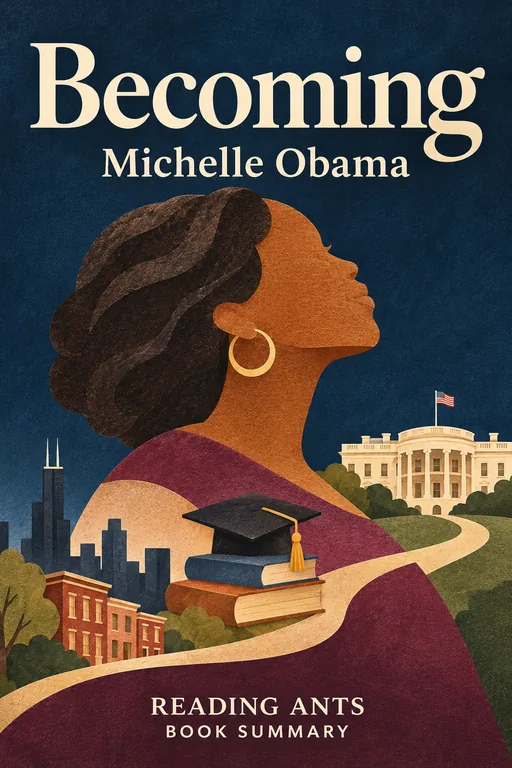
Becoming
Michelle Obama tells her story from a working-class childhood on the South Side of Chicago to her years as First Lady, and shares what she has learned about becoming oneself.
Overview
Becoming is the memoir of Michelle Obama, who was First Lady of the United States from 2009 to 2017 as the wife of President Barack Obama. It was published in 2018 and became one of the best-selling memoirs of all time. The book is organized into three parts: “Becoming Me,” “Becoming Us” and “Becoming More.” It covers her childhood in Chicago, her education at Princeton and Harvard Law School, her career as a lawyer and public servant, her marriage and family, and the years in the White House. She writes with candor about her doubts, her challenges and her sense of humor.
Full Summary
1. Becoming me: a childhood on the South Side
The idea: Michelle Robinson was born in 1964 and grew up in a small apartment on the South Side of Chicago with her parents, Fraser and Marian, and her older brother Craig. Her father, a city water plant worker, had multiple sclerosis, which made him walk with a cane but never complain. Her mother stayed at home to raise the children, then later worked as a secretary. Her parents emphasized education, hard work and honesty. Michelle was a diligent student and traveled long distances to attend a selective public high school, where she sometimes felt doubts about whether she belonged.
In real life: Supportive parents and high expectations can help children grow, even if the family has little money.
2. College, law school and career
The idea: Michelle goes to Princeton University, where she is one of few Black students and feels at times that she is being judged. She studies hard and finds friendships, then goes on to Harvard Law School. After graduating, she works at a Chicago law firm, but she feels unfulfilled. The deaths of a close friend and of her father, both from illness, make her reconsider what she values. She leaves corporate law to work in city government and for a nonprofit that trains young people for public service.
In real life: Losing someone close can make us ask what really matters, and may lead us to change our path.
3. Meeting Barack and building a life
The idea: At the law firm, Michelle is assigned to mentor a summer intern named Barack Obama, who is known for his intelligence. She is skeptical at first, but they gradually become close and later marry. She describes the difficulties of their early years, especially as Barack’s political career, with its long hours and absences, strains their marriage. They face challenges having children and use fertility treatment to have their daughters, Malia and Sasha. She is honest about how hard it was to balance work, family and her husband’s ambitions, and how they went to couples counseling.
In real life: Even strong couples have to work at communication and compromise, and asking for help can be a strength.
4. The campaign
The idea: Michelle is reluctant when Barack decides to run for president, worried about the toll on their family and about the public attention. She eventually decides to support him and joins the campaign trail. She describes the experience of being criticized and portrayed in unfair ways in the media, and the pressure of the prospect of becoming the first Black First Lady. Barack’s victory in 2008 brings joy and also a feeling of enormous responsibility.
In real life: Public figures often face harsh criticism, and learning to keep a sense of self in the face of it takes strength.
5. Becoming more: First Lady
The idea: As First Lady, Michelle moves into the White House with her family and works to make it a home for her daughters. She sets up initiatives, including a campaign for healthy eating and exercise for children, “Let’s Move!,” a garden at the White House and programs supporting military families and girls’ education. She describes the constraints of life under security and in the public eye, as well as the people she meets, from schoolchildren to world leaders. She also speaks about the lessons she gained and how she tried to keep herself grounded.
In real life: Small habits like growing a garden or cooking together can spark larger conversations about health.
6. After the White House
The idea: The final chapters discuss the end of the presidency and the transition back to private life. Michelle reflects on the 2016 election and on her fears for the country, as well as her belief that people can find strength in sharing their stories and in listening to each other. She encourages readers to embrace their own journeys and to understand that “becoming” is a continuing process, not a destination. The book ends on a note of hope for the next generation.
In real life: Seeing growth as a lifelong process takes pressure off the need to be perfect right now.
Why It Matters
Becoming sold millions of copies within months of its release and was followed by a worldwide book tour with large audiences. It gave readers a rare, personal perspective on life at the center of American politics, and it has been praised for its honesty about race, class, marriage and parenting.
It has also become a source of inspiration for many young people, especially girls, who see in Michelle Obama a role model who rose from modest beginnings. The book won several awards, including a Grammy for its audiobook narrated by the author.
Key Takeaways
- Where you start doesn’t decide where you end. She rose from a modest home.
- Your voice matters. Telling your story can help others.
- Imperfection is normal. She is open about doubts and struggles.
- Relationships need work. Partners must communicate.
- Becoming is lifelong. Growth never really ends.
What We Can Learn
The book teaches us to value our own stories. Michelle shows that even ordinary details, like family dinners and school bus rides, can be meaningful and can help us understand who we are.
It also teaches us to deal with self-doubt. She admits to feeling out of place at times and shows how support from family and friends and persistence can overcome it.
Finally, it encourages us to be kind and curious about others. Her work with young people and families reflects a belief that everyone can benefit from encouragement and opportunity.
Criticism and Counterpoints
Some readers and critics have said that the book is polished and cautious, avoiding deeper criticism of political opponents or of the Obama administration, and that it is more of a carefully managed public portrait than a full self-examination. Others note that the book focuses on her own experiences and offers limited policy analysis.
Some commentators from the political right have criticized her views, while some on the left felt the book did not go far enough on social issues. Several readers also found the pace uneven, with detailed early chapters and a faster later section. Even so, most reviewers praised its warmth and sincerity.
Who Should Read It
This book suits older children, teenagers and adults. It is easy to read, with short chapters, and contains mild discussion of difficult subjects such as loss and racism. It is a good choice for readers who enjoy memoirs and stories of perseverance.
Want the whole book?
A summary is a taste, not the meal. Here is where to find the full book.
You reached the end 🎉
Nicely done. Mark this one as read, and we will suggest what to read next.
Read this next
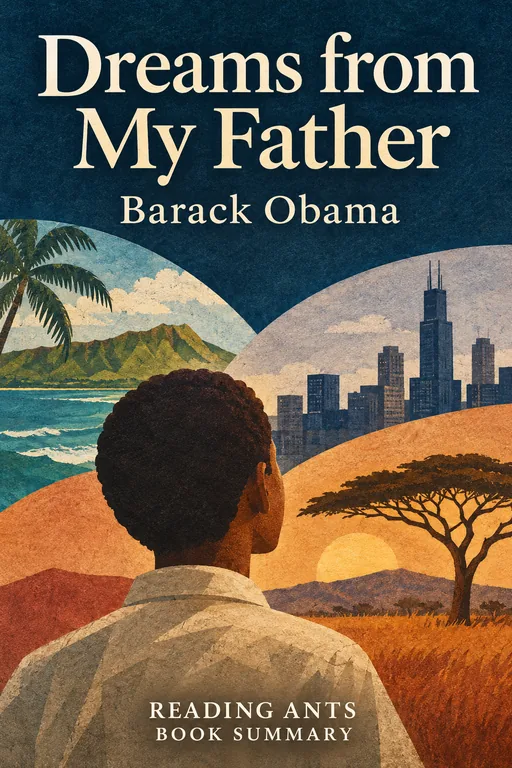
Dreams from My Father
Barack Obama
In this memoir, written before he entered politics, Barack Obama describes growing up with a white mother from Kansas and an absent Kenyan father, and his search for a sense of identity and belonging, in Hawaii, Chicago and Kenya.
👤 Real Lives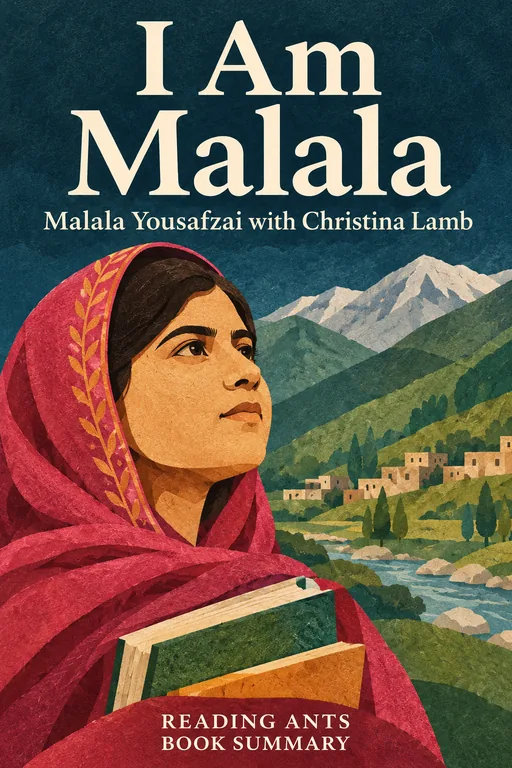
I Am Malala
Malala Yousafzai with Christina Lamb
Malala Yousafzai tells how a girl who loved school stood up for girls' education in Pakistan's Swat Valley, was shot by the Taliban at age fifteen, survived, and became a global voice for children's right to learn.
👤 Real Lives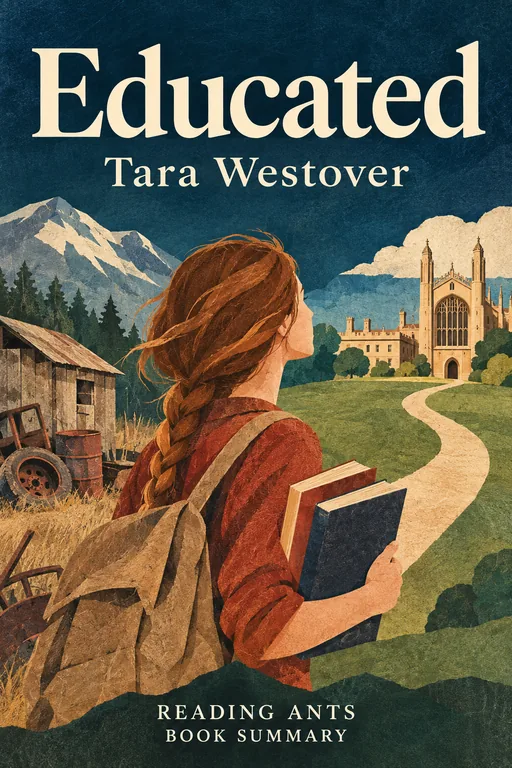
Educated
Tara Westover
A girl raised by survivalist parents in the mountains of Idaho, with no school, no birth certificate and no doctors, teaches herself enough to reach university and eventually earns a PhD from Cambridge, at the painful cost of her family.
👤 Real Lives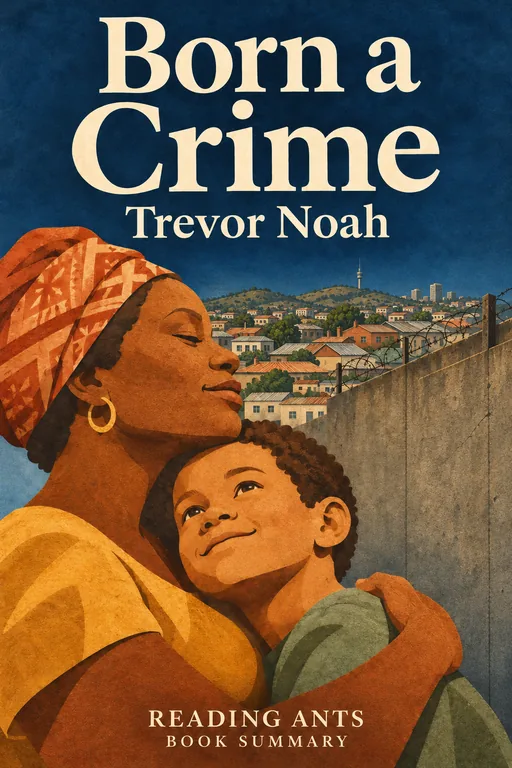
Born a Crime
Trevor Noah
Trevor Noah, the comedian, recounts growing up in South Africa as the child of a Black mother and a white father at a time when their relationship was a crime, and pays tribute to the mother who raised him.
👤 Real Lives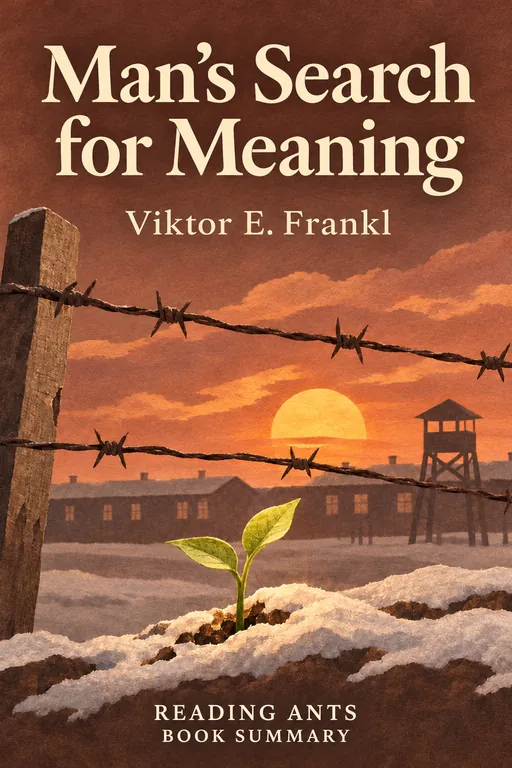
Man's Search for Meaning
Viktor E. Frankl
A psychiatrist who survived the Nazi concentration camps explains that even in the worst suffering, people can choose their attitude, and that finding a reason to live is what gives us the strength to endure.
👤 Real Lives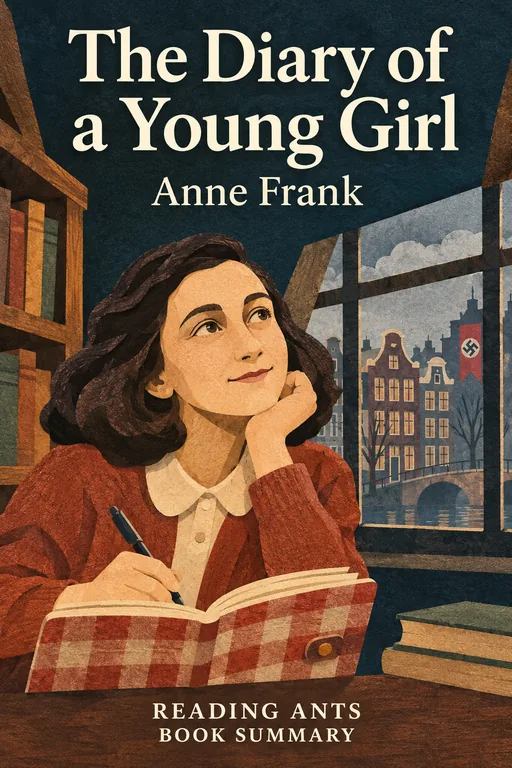
The Diary of a Young Girl
Anne Frank
A Jewish teenage girl hiding from the Nazis in a secret apartment in Amsterdam records two years of fear, family quarrels, first love and big dreams in a diary that became one of the most famous books in the world.
👤 Real LivesWant something different?
Pick another topic and we will show you three books to start with.