Mansfield Park
A shy, poor girl raised among her wealthy relatives at Mansfield Park holds to her principles while charming newcomers disturb the household, and in the end her quiet integrity is shown to be right.
Overview
Mansfield Park is a novel by Jane Austen, published in 1814, and it was the third of her books to appear. Its heroine, Fanny Price, is quieter and more serious than most of Austen’s heroines, and the story is concerned with moral judgment, duty and the effects of a poor upbringing. The novel is set in a country house, where the family’s attitude to money, manners and the theater is tested by the arrival of a glamorous brother and sister. It has divided readers, but many admire its depth and its sharp social observation.
Main Characters
- Fanny Price: a timid, loyal and morally firm girl, raised by her wealthy relatives.
- Edmund Bertram: her cousin and her kind friend, who plans to become a clergyman.
- Sir Thomas Bertram: the stern master of Mansfield Park.
- Lady Bertram: his indolent wife.
- Mrs. Norris: Fanny’s aunt, who is domineering, stingy and cruel to her.
- Maria and Julia Bertram: Sir Thomas’s two daughters, who are vain and spoiled.
- Henry and Mary Crawford: a charming, lively brother and sister who disturb the family.
Full Summary
A poor girl comes to Mansfield
At the age of ten, Fanny Price, from a large poor family in Portsmouth, is sent to live at Mansfield Park, the estate of her rich uncle, Sir Thomas Bertram. She is homesick and frightened, and is treated with indifference by her cousins and with harshness by her aunt, Mrs. Norris, who delights in reminding her that she is an inferior. Only her cousin Edmund is kind, and he teaches her and encourages her to read. Fanny grows up shy, and she comes to love Mansfield and, quietly, Edmund.
The Crawfords arrive
When Fanny is eighteen, Mary and Henry Crawford, who are the half-siblings of the local clergyman’s wife, come to stay nearby. They are witty, fashionable and attractive. Henry flirts with both of the Bertram sisters, though Maria is already engaged to a rich but dull man, Mr. Rushworth. Mary takes an interest in Edmund, and he falls for her, though she mocks his plan to become a clergyman. Fanny sees the Crawfords’ charm, but she also notices their faults and watches with growing unease.
The play
When Sir Thomas goes to the West Indies to look after his property in Antigua, the young people decide to put on a play, Lovers’ Vows, which gives the actors a chance to flirt. Fanny, who thinks that the play is improper and that Sir Thomas would disapprove, refuses to act for most of the time, despite pressure from everyone, even Edmund, though at the very last moment she is persuaded to read a small part at a rehearsal. The rehearsals draw Maria and Henry together. At the height of the activity, Sir Thomas unexpectedly returns, and the play is stopped, with the scenery removed.
Henry’s proposal
After Maria marries Mr. Rushworth and leaves, Henry, bored, decides to make Fanny fall in love with him as a game. But he finds that he is genuinely attracted to her goodness, and he proposes. Fanny refuses, since she does not trust him and she loves Edmund. Sir Thomas, who thinks the match excellent, is angry at what he sees as her ingratitude, and sends her to visit her family in Portsmouth, hoping that the poverty will change her mind. She finds her home noisy and crowded, and she misses Mansfield.
The scandal
While Fanny is in Portsmouth, Henry visits and seems to have improved, and she begins to waver. But then terrible news arrives: Maria, now married, has run away with Henry, and Julia has eloped with another man. The family is disgraced. Shortly before this, the eldest son, Tom, had fallen dangerously ill with a fever after an accident and a spell of hard living, and the family was already anxious. Fanny is called back to Mansfield to help, where she is needed and valued for the first time. Sir Thomas realizes his mistakes, and admits that he was wrong about his daughters.
Edmund’s choice
Edmund goes to see Mary Crawford, hoping to find that she is shocked by the scandal, but she is more concerned with the exposure of the affair than with the wrongdoing, and she speaks lightly of it. He sees that her values are not his, and he gives her up in grief. Over time, he comes to see Fanny’s worth, and realizes that he loves her. They marry, and settle in a parsonage near Mansfield. The story ends with Sir Thomas’s grateful acknowledgment that Fanny has proved the best of his family.
Why It Matters
Mansfield Park is one of Jane Austen’s most debated and discussed novels, thanks to its serious moral concerns and its unusual heroine. It examines how upbringing, money and education affect character, and it suggests that goodness and principle matter more than wit and charm. The novel’s mention of the Antigua plantation has also led modern readers and scholars to discuss how the comfort of English country life depended on the labor of enslaved people. It has been adapted for the screen and the stage, and it continues to be the subject of lively critical debate.
Key Takeaways
- Principle matters more than charm. Fanny’s integrity outlasts the Crawfords’ attractions.
- Upbringing shapes character. The Bertram children’s flaws come from poor training.
- Quiet people can have strength. Fanny resists great pressure.
- Appearances can mislead. The Crawfords seem delightful but lack moral depth.
- Wealth has hidden costs. The family’s comfort rests on distant sources.
What We Can Learn
You can learn from Fanny that it can be right to hold to your values, even when everyone around you disagrees and even when it makes you unpopular. The novel also teaches that charm and wit are not the same as goodness, and that you should look at how a person behaves when it matters. It invites you to think about the way that children are raised, and about how kindness or neglect shape them. If you are under pressure to do something that you think is wrong, you might think of Fanny’s quiet refusal.
Criticism and Counterpoints
Many readers find Fanny passive, priggish or dull compared with Austen’s livelier heroines such as Elizabeth Bennet, and they feel that the Crawfords are more fun. Others dislike the novel’s conservative tone, and the suggestion that the theater and fashion are dangerous. The ending, in which Edmund so quickly transfers his love, can feel rushed. Modern critics also debate the novel’s attitude to slavery and empire, since the family’s wealth is linked to Antigua, and the book makes only a brief mention of it. These debates are part of the novel’s continuing interest.
Who Should Read It
This book is for readers from about twelve who enjoy classic novels, and for fans of Austen who want something more serious. It is longer and slower than Pride and Prejudice. Those who read it with patience may find that Fanny grows on them, and that its questions stay in the mind.
Want the whole book?
A summary is a taste, not the meal. Here is where to find the full book.
You reached the end 🎉
Nicely done. Mark this one as read, and we will suggest what to read next.
Read this next
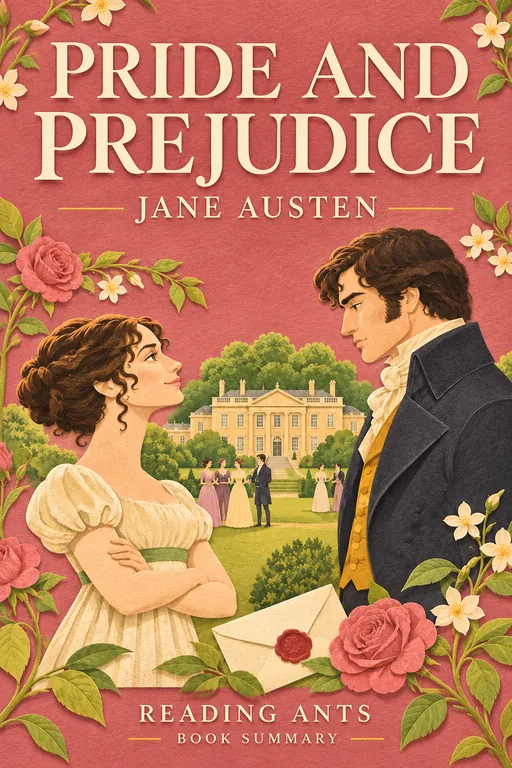
Pride and Prejudice
Jane Austen
Quick-witted Elizabeth Bennet and the proud, wealthy Mr. Darcy badly misjudge each other, and only by facing their own faults do they find their way to love.
📜 Classics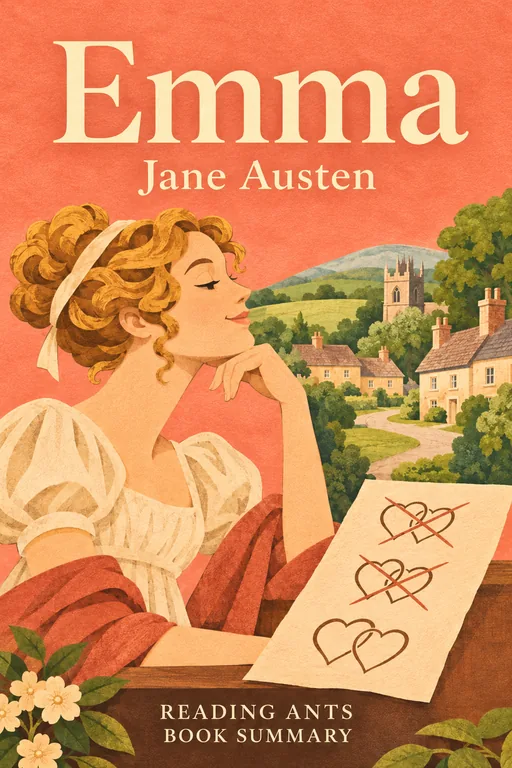
Emma
Jane Austen
A clever, rich and rather spoiled young woman named Emma Woodhouse believes she is a gifted matchmaker, makes a series of embarrassing mistakes and finally learns to see herself and her own heart clearly.
📜 ClassicsPersuasion
Jane Austen
Eight years after being persuaded to break her engagement to a poor naval officer, Anne Elliot meets him again, now rich and successful, and must find out whether their love can be won a second time.
📜 ClassicsNorthanger Abbey
Jane Austen
A young woman who loves Gothic horror novels goes to Bath and then to a mysterious old abbey, where her overactive imagination leads her into embarrassing mistakes, and she learns to tell fiction from real life.
📜 Classics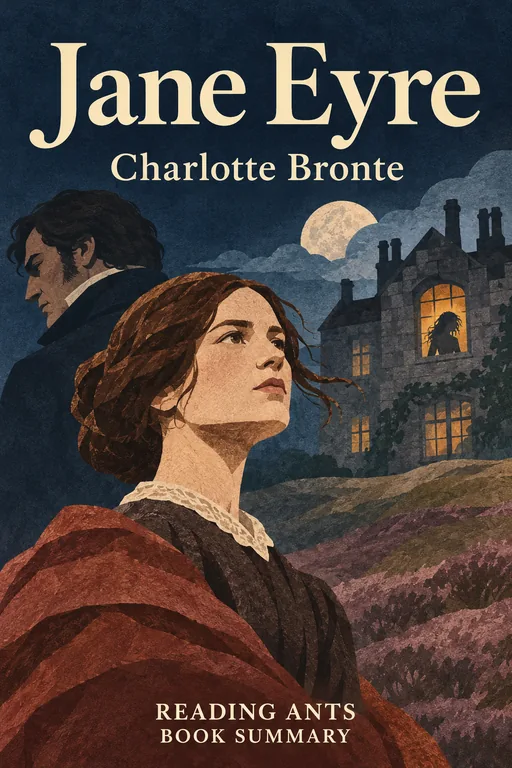
Jane Eyre
Charlotte Bronte
A poor, plain but fiercely independent orphan becomes a governess, falls in love with her brooding employer, discovers his terrible secret, and refuses to give up her self-respect even for love.
📜 Classics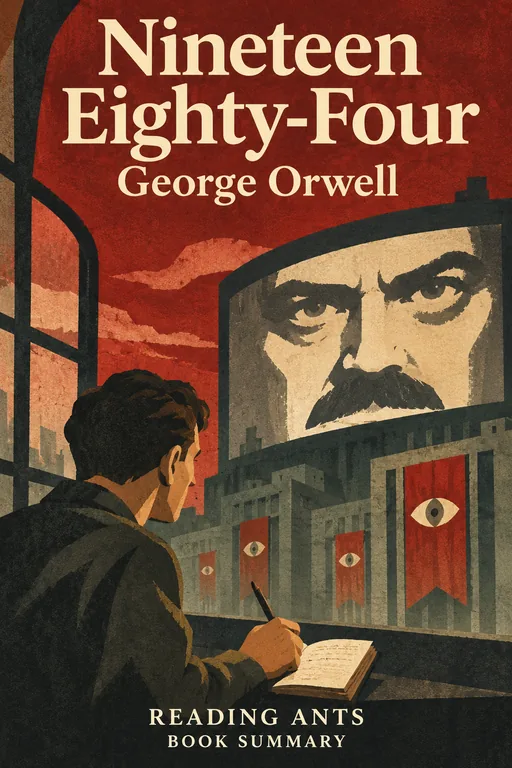
Nineteen Eighty-Four
George Orwell
In a future Britain ruled by an all-seeing Party, one man secretly rebels by keeping a diary and falling in love, and discovers just how completely a totalitarian state can crush the human mind.
📜 ClassicsWant something different?
Pick another topic and we will show you three books to start with.