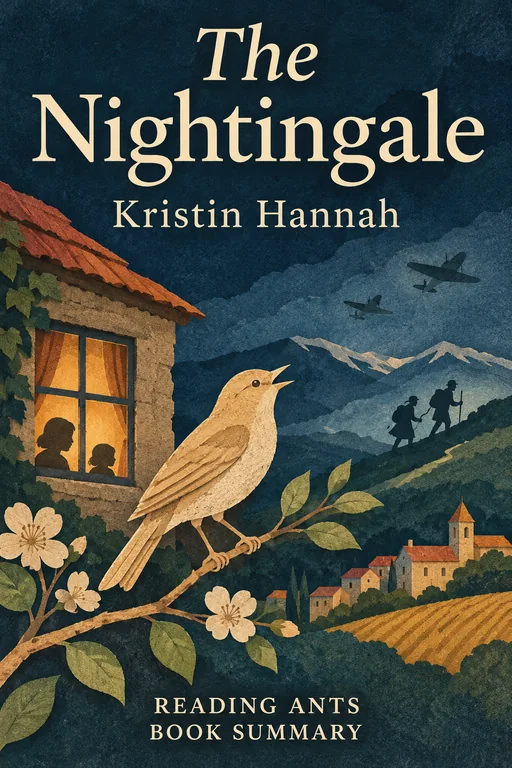
The Nightingale
Two French sisters, the cautious Vianne and the rebellious Isabelle, take very different paths during the German occupation of France in World War II, one protecting her child and Jewish children at home, the other guiding Allied pilots over the Pyrenees.
Overview
The Nightingale is a novel by Kristin Hannah, published in 2015, which became a huge bestseller and won the Goodreads Choice Award for Historical Fiction. It begins with an elderly woman in Oregon in 1995, who is packing up her house, and moves back to France between 1939 and 1945. The story centers on the sisters Vianne Mauriac, who lives in the countryside village of Carriveau, and Isabelle Rossignol, who is eighteen and headstrong. It was inspired by real women of the French Resistance, including Andrée de Jongh, who founded an escape line for downed airmen. The novel is about the different kinds of courage that women showed during the war.
Main Characters
- Vianne Mauriac: the older sister, a schoolteacher and mother, who wants to keep her family safe.
- Isabelle Rossignol: her younger sister, impulsive and fearless, who joins the Resistance.
- Antoine Mauriac: Vianne’s husband, sent to fight, then captured.
- Sophie: Vianne’s young daughter.
- Captain Beck: a German officer billeted in Vianne’s house.
- Gaëtan: a Resistance fighter whom Isabelle loves.
- Julien Rossignol: the sisters’ father, a bitter veteran of World War I.
Full Summary
The Two Sisters
In 1939, Vianne and Antoine, who live in Carriveau, say goodbye as he leaves for the front. Vianne is left with their young daughter, Sophie. Her younger sister, Isabelle, who has been expelled from several boarding schools, lives in Paris with their distant father. When the Germans invade, Isabelle is sent by her father to stay with Vianne, but she, determined to fight, runs away to help.
Isabelle, who is impulsive and furious, is angry at her father and wants to be useful. Vianne, who is quiet, is angry at her mother’s death and has built a safe life in the village. Their differences, which cause friction at the start, are the novel’s central tension.
Occupation
As the Germans take over France, a captain, Wolfgang Beck, is billeted in Vianne’s home. Vianne, who is determined to protect her child, tries to appease him, hiding her fear and her contempt. Food is scarce, and the family struggles. Beck, who is polite, becomes friendly, and Vianne has to balance the demands of survival and dignity. Antoine is a prisoner of war, and no word comes.
As the occupation drags on, rations shrink, the winter is brutal and the villagers pay a heavy price. Vianne must feed her daughter, barter for wood and deal with soldiers who take whatever they want, and the book shows how daily life becomes a test of endurance.
The Nightingale
In Paris, Isabelle begins to distribute anti-German leaflets, and then joins an escape line that brings downed Allied pilots through the Pyrenees to Spain. She takes the code name “the Nightingale,” and leads downed airmen on dangerous hikes through the mountains. She is brave and fierce, and falls in love with a fellow resistance fighter, Gaëtan, who is her contact, though their relationship is complicated.
The route over the Pyrenees is a hard hike, with snow and exhaustion, and Isabelle leads each group with great determination. Over many trips, she saves the lives of a great many airmen, and becomes a legend among the Resistance.
Vianne’s Choices
Vianne, who has been quietly resisting, hides a Jewish friend’s child, Ari, after his mother is deported. She also shelters other Jewish children in an orphanage with a nun. A later billeted officer, Von Richter, rapes her; she becomes pregnant, and keeps going, knowing that she must protect the children. She also begins to help the Resistance, in small ways, such as hiding a downed pilot.
Capture and Camp
Isabelle is captured by the Gestapo and sent to the Ravensbrück concentration camp, where she suffers. She is nearly killed, but survives. Meanwhile, their father, Julien, claims to be the Nightingale to protect Isabelle, and is executed. Antoine survives captivity and returns, and Vianne keeps secret from him that she is pregnant by Von Richter. The sisters endure many losses, and Ari, renamed Daniel, is later claimed by relatives in the United States.
Liberation and Reunion
After the war, Isabelle returns, weakened, and dies soon after in her sister’s arms. Vianne mourns, and keeps the story of her sister’s courage. The novel returns to the elderly woman in Oregon, who is revealed to be Vianne herself, and who goes to a ceremony in Paris honoring the women of the Resistance, bringing her son. She reflects that love matters more than war, and that she is proud of those who stood up.
Why It Matters
The Nightingale was one of the best-selling novels of the 2010s, with millions of copies sold, and it has been translated into dozens of languages. It brought attention to the role of women in the French Resistance and to the ways that women resisted without weapons. A film adaptation was announced.
It is a favorite in book clubs and schools, and it joins other popular World War II novels, such as All the Light We Cannot See, in keeping the memory of the war alive.
Many readers say that it led them to learn more about the real women of the Resistance, and the book is often paired with histories of the escape lines.
Key Takeaways
- Courage takes many forms. Isabelle fights openly, Vianne protects quietly.
- War tests families. The sisters disagree and then unite.
- Ordinary people resist. Teachers and mothers join the struggle.
- Silence can protect. Vianne keeps secrets for others’ sake.
- Memory preserves heroism. The story is told to honor the dead.
What We Can Learn
The novel invites us to consider that heroism is not only about fighting, but also about quiet acts of care, and that the people we think of as ordinary can do extraordinary things.
It also shows how war and occupation change relationships, and how families may be strengthened or broken.
Finally, it reminds us to remember and honor stories of resistance.
It also shows that courage is not the same as being fearless, and that a person can be afraid and still act. The sisters’ differences remind us that there is no single right way to resist cruelty, and that care, patience and quiet perseverance matter as much as bold action.
Criticism and Counterpoints
Some critics find the novel melodramatic and sentimental, with predictable plot twists and one-dimensional villains. Historians note that it simplifies the French Resistance, and that the portrayal of daily life under occupation is somewhat sanitized, and some details are inaccurate. Others find the framing story, with its secret identity, weaker than the main plot.
Some readers dislike the sexual violence and its use in the story. A few feel that the ending is too neat. Still, many are deeply moved.
Who Should Read It
This book is for mature readers. It deals with war, sexual violence and death, but has a hopeful message. It is a good choice for readers who like historical fiction with strong female characters.
Want the whole book?
A summary is a taste, not the meal. Here is where to find the full book.
You reached the end 🎉
Nicely done. Mark this one as read, and we will suggest what to read next.
Read this next
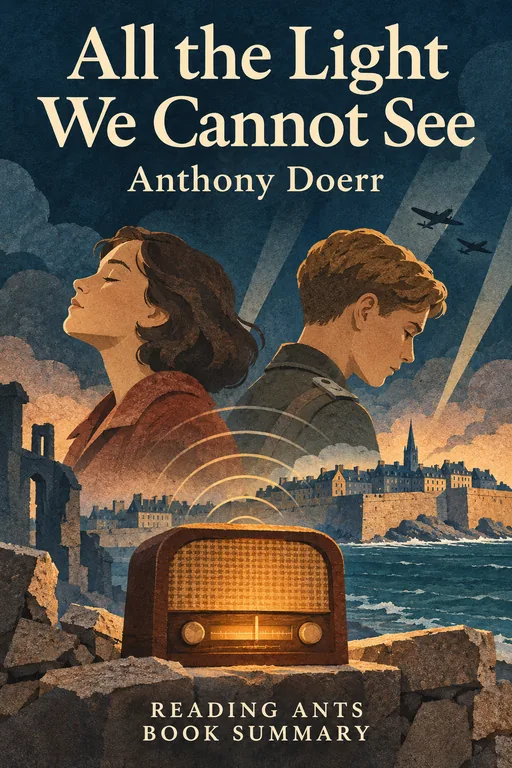
All the Light We Cannot See
Anthony Doerr
A blind French girl and a gifted German boy, on opposite sides of the Second World War, are drawn toward each other by a radio broadcast, and their paths cross in the besieged city of Saint-Malo.
✨ Modern Fiction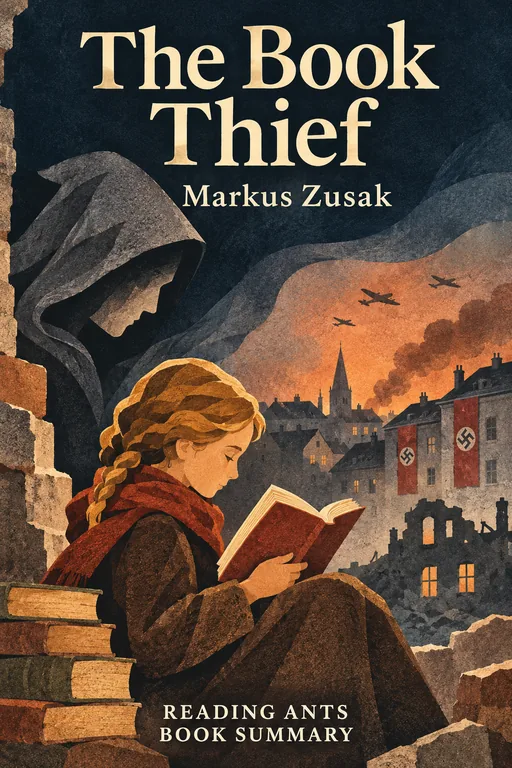
The Book Thief
Markus Zusak
Death narrates how a foster child in Nazi Germany steals books, learns the power of words and forms loving bonds that war eventually destroys.
🎒 Young Adult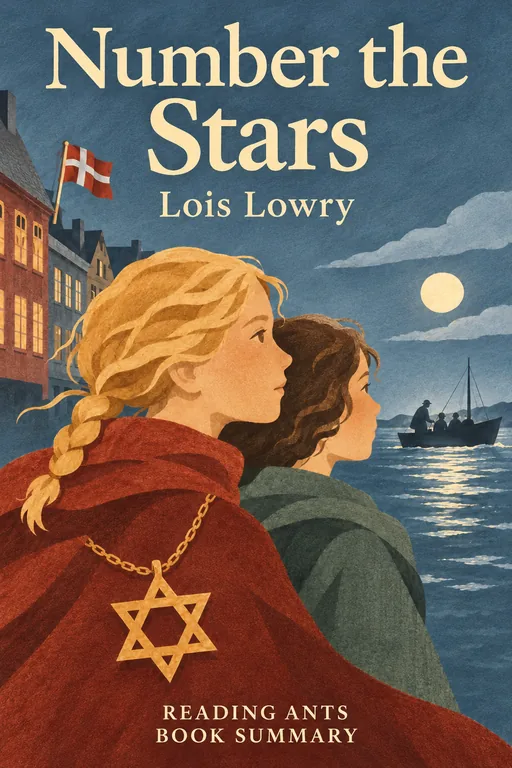
Number the Stars
Lois Lowry
In 1943, a ten-year-old Danish girl named Annemarie helps her Jewish best friend Ellen escape from Nazi-occupied Copenhagen by pretending that Ellen is her sister and by helping with a daring rescue.
🧸 Children's Books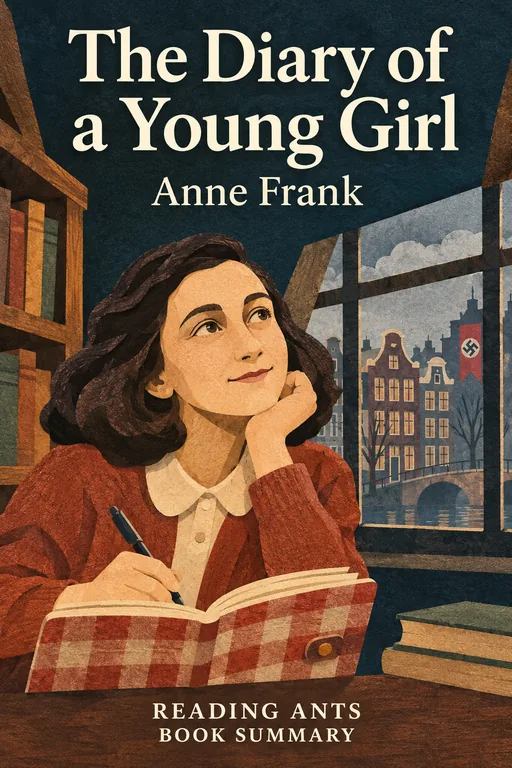
The Diary of a Young Girl
Anne Frank
A Jewish teenage girl hiding from the Nazis in a secret apartment in Amsterdam records two years of fear, family quarrels, first love and big dreams in a diary that became one of the most famous books in the world.
👤 Real Lives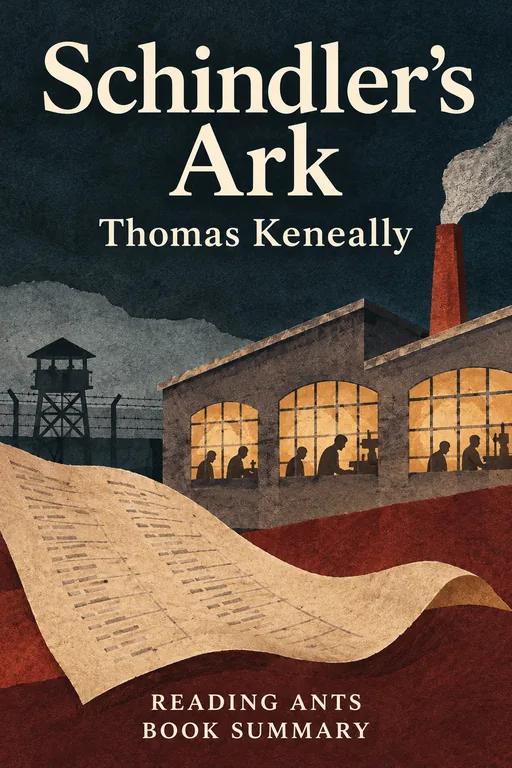
Schindler's Ark
Thomas Keneally
The true story of Oskar Schindler, a charming German businessman and Nazi Party member, who used his factory to save more than a thousand Jews from death during the Holocaust.
✨ Modern Fiction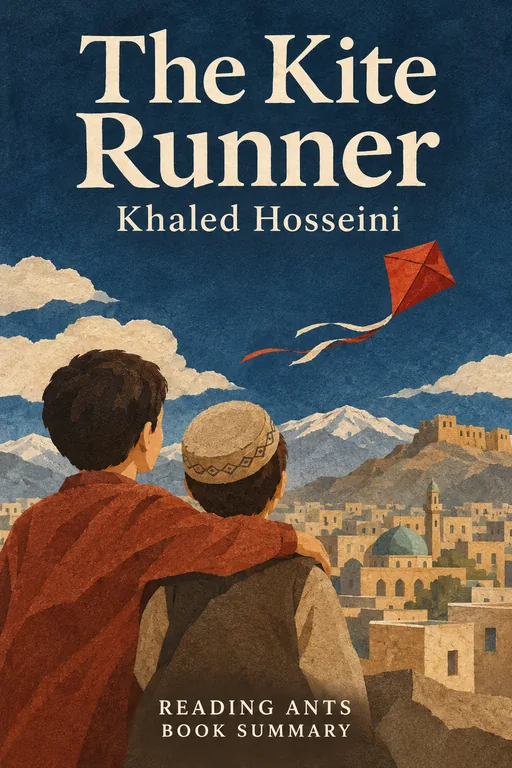
The Kite Runner
Khaled Hosseini
A wealthy boy in Kabul betrays his loyal best friend on the day of a kite tournament, and decades later, after fleeing to America, he returns to a Taliban-ruled Afghanistan to try to make things right.
✨ Modern FictionWant something different?
Pick another topic and we will show you three books to start with.