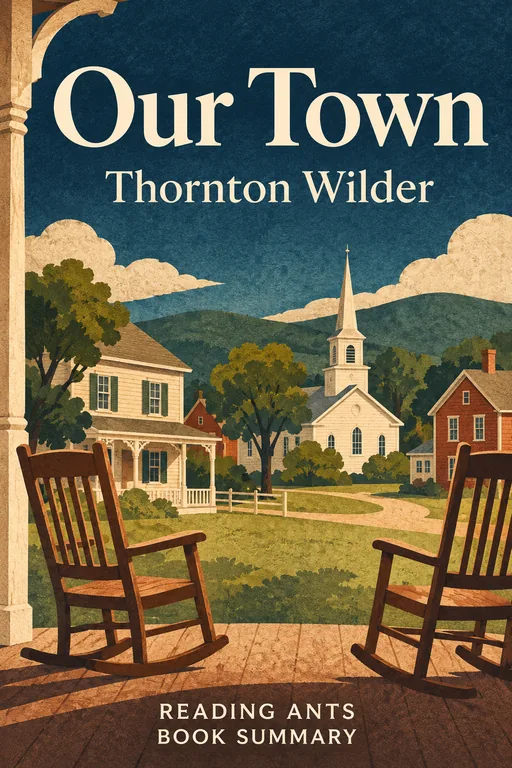
Our Town
Through the ordinary lives of two neighboring families in a small New Hampshire town in the early 1900s, the play shows how precious everyday moments are, and how seldom we notice them while they last.
Overview
Our Town is a three-act play by Thornton Wilder, first performed in 1938, which won the Pulitzer Prize for Drama. It is set in Grover’s Corners, New Hampshire, between 1901 and 1913. The play is famous for its bare stage: there is almost no scenery, and the actors mime most objects, such as doors and cups. A narrator called the Stage Manager speaks directly to the audience, introduces the characters and moves the story along in time. Wilder wanted to focus on what he called the large themes of life, which are birth, love, marriage and death, in the form of simple events. It is one of the most performed American plays, especially in schools.
Main Characters
- The Stage Manager: the narrator who guides the audience and sometimes plays small roles.
- Emily Webb: a bright, ambitious girl who grows up to marry George.
- George Gibbs: the doctor’s son, a good-natured baseball player who becomes a farmer.
- Dr. Gibbs and Mrs. Gibbs: George’s father, the town doctor, and his mother.
- Mr. Webb and Mrs. Webb: Emily’s father, the editor of the newspaper, and her mother.
- Simon Stimson: the church organist, who is troubled and drinks.
- Howie Newsome and Constable Warren: townspeople.
Full Summary
Act One: Daily Life
The Stage Manager welcomes the audience and describes Grover’s Corners, giving its location, population and history. He then shows a single day in May 1901, beginning with dawn, as the milkman and the newspaper boy make their rounds. In the two homes, the Gibbs and the Webb families have breakfast and send the children off to school. Mothers worry about the children, fathers discuss town matters, and neighbors gossip over the fence. The scenes are ordinary, and nothing dramatic happens, but the play suggests that these small activities are the stuff of life. At the end of the act, Emily helps George with his homework, and the day closes with a choir rehearsal.
Act Two: Love and Marriage
Three years later, on July 7, 1904, the Stage Manager introduces the day of Emily and George’s wedding. He turns back the clock to the day that George and Emily realized that they were in love, in a scene at the soda shop. George, who has decided to stay in town and take over his uncle’s farm, shares a drink with Emily, and she tells him, bluntly and then with regret, that he has become conceited since he took up baseball. They gradually confess their feelings. Then comes the wedding, with nervous parents, and the young couple both afraid. As the ceremony begins, Emily wonders if she should marry at all, and the Stage Manager, who officiates, reflects on marriage and admits that he is not sure what he believes about it.
Act Three: The Cemetery
Nine years later, in 1913, the scene is the town cemetery on a hill. The dead sit in rows of chairs, waiting calmly, among them the bitter Simon Stimson, who took his own life by hanging himself, and Emily, who has died in childbirth with her second child. She is new among them, and the others tell her to be patient and let go of her earthly cares. The living come to bury her, and she watches. Emily is given a chance to return and relive one day, and, despite warnings, chooses her twelfth birthday.
The Return
Back in her childhood home, Emily sees her mother in the kitchen, her father coming home from a trip, and the world in full light. But as she watches, she is overcome by how little people notice each other, and how much is wasted. She cries out to her mother to look at her, to really see her, for even a moment. No one hears. Overwhelmed, she asks the Stage Manager whether anyone realizes life while they live it, every, every minute. He answers that the saints and poets do, perhaps, a little.
The Ending
Emily returns to her grave, and sits beside the others, calm but sad. She watches as George falls to his knees at her grave in grief. The dead speak of how the living are troubled, and the other deceased, like Mrs. Gibbs, tell her that it will pass. The Stage Manager closes the play with a quiet good night to the audience, and reminds us that most of the town is asleep, and that tomorrow will come.
Why It Matters
Our Town is one of the most produced plays in American history. It is frequently staged by schools and community theaters, and has been performed in many countries. Wilder’s use of a bare stage and a narrator was innovative in the 1930s and influenced later experimental theater, and the play’s tone, gentle and philosophical, has endured.
Its main message, to appreciate ordinary life, has made it a popular play at moments of national reflection, and its last act, with Emily’s return, is among the most moving scenes in American drama.
Key Takeaways
- Ordinary days are precious. The play focuses on everyday life.
- We rarely notice what we have. Emily sees how little attention we pay.
- Life is brief. Time moves quickly from birth to death.
- Love and family are central. The community and marriage matter most.
- Death is a part of life. The play treats it with calm.
What We Can Learn
The play invites us to pay attention to the small moments, such as a meal with family or a walk home, and to appreciate them while we have them. It is a reminder to look at the people we love and to tell them how we feel.
It also suggests that a community, with its habits and rituals, gives life shape. The play shows how neighbors rely on each other, and invites us to be good neighbors.
Finally, it teaches that facing death honestly can help us to value life.
Criticism and Counterpoints
Some critics argue that the play is sentimental and presents an idealized picture of small-town America that ignores injustice and diversity, since all the characters are white and middle-class. Others note that the town’s view of women, who are mostly homemakers, reflects the era’s limits. Some find that the third act is too sad or preachy, and that the Stage Manager explains too much.
The bare stage can be demanding for audiences who are used to realism. Still, the play remains widely loved and is thought to speak to universal feelings.
Who Should Read It
This play suits readers from about age ten, and also adults. It is short and accessible, and is especially powerful in performance. It contains a death in childbirth and a cemetery scene, which may need discussion with younger readers.
Want the whole book?
A summary is a taste, not the meal. Here is where to find the full book.
You reached the end 🎉
Nicely done. Mark this one as read, and we will suggest what to read next.
Read this next
The Glass Menagerie
Tennessee Williams
Tom Wingfield remembers the cramped St. Louis apartment where he lived with his domineering mother Amanda and his painfully shy sister Laura, and the evening when a gentleman caller briefly brought hope, and then ended it.
🎭 Epics, Drama & Poetry
Death of a Salesman
Arthur Miller
An aging traveling salesman, losing his job and his grip on reality, clings to the dream of being "well liked" and rich, and in his last days wrecks his relationship with his sons before taking his own life so his family can collect insurance money.
🎭 Epics, Drama & Poetry
A Raisin in the Sun
Lorraine Hansberry
A Black family in Chicago in the 1950s receives a ten-thousand-dollar insurance check after the father's death, and each member has a different dream of how to use it, which tests their love and their pride.
🎭 Epics, Drama & Poetry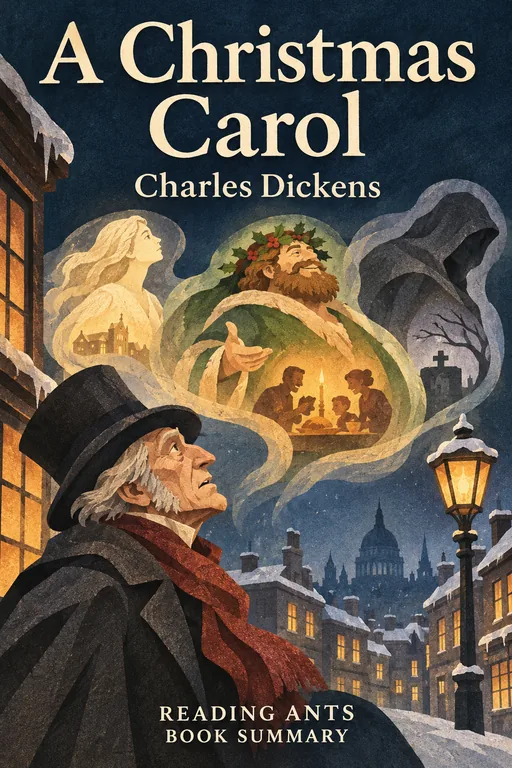
A Christmas Carol
Charles Dickens
On Christmas Eve, a cold-hearted, miserly old man is visited by the ghost of his dead partner and three spirits, who show him his past, present and future, and by morning he is transformed into a generous, joyful man.
📜 Classics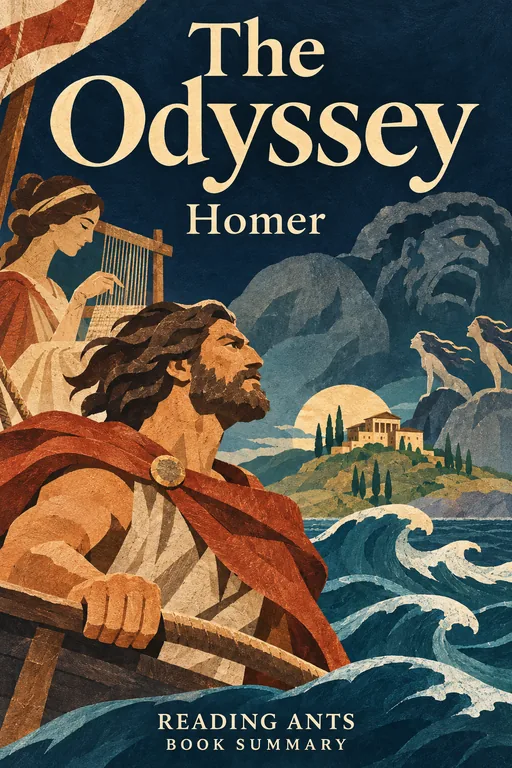
The Odyssey
Homer
After the Trojan War, the clever hero Odysseus struggles for ten years against monsters, gods and temptations to return home to his faithful wife and son, then must win back his house from the men trying to steal it.
🎭 Epics, Drama & Poetry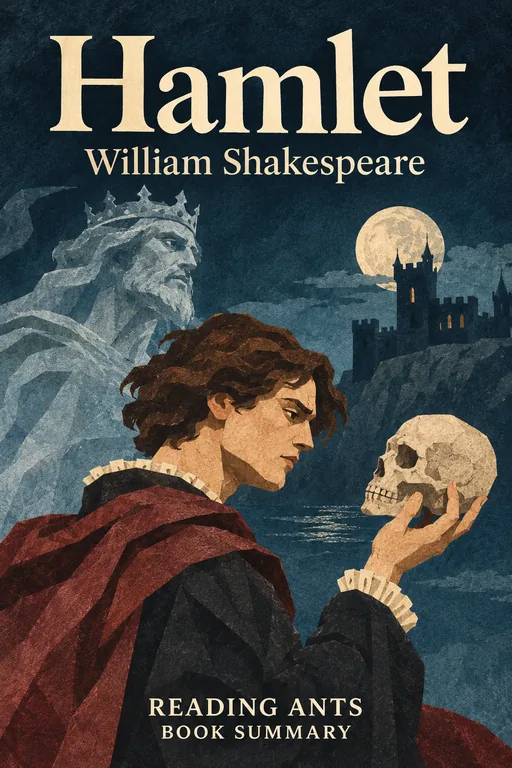
Hamlet
William Shakespeare
A grieving prince of Denmark learns from his father's ghost that his uncle murdered the king to take the throne, and his struggle to decide whether and how to take revenge leads to madness and death.
🎭 Epics, Drama & PoetryWant something different?
Pick another topic and we will show you three books to start with.