 Reading Ants
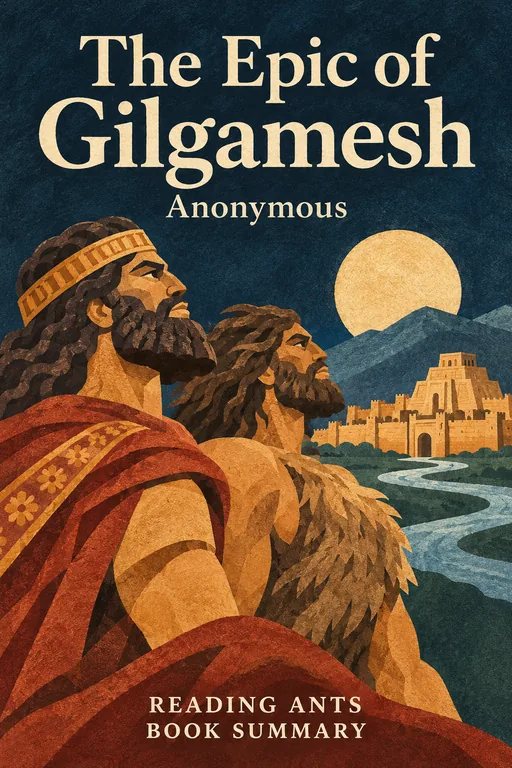
The Epic of Gilgamesh
A proud, powerful king of ancient Mesopotamia gains a true friend, loses him to death, and journeys to the edge of the world in search of eternal life, only to learn that what lasts is the life and legacy we leave behind.
Overview
The Epic of Gilgamesh is one of the oldest surviving stories in the world. It comes from ancient Mesopotamia, in what is now Iraq, where versions were written on clay tablets in cuneiform script, beginning more than four thousand years ago. The best-known version, in the Akkadian language, was found in the ruins of the library of the Assyrian king Ashurbanipal at Nineveh. The poem follows Gilgamesh, the mighty king of the city of Uruk, who is two-thirds god and one-third human. It tells of his friendship with the wild man Enkidu, their adventures against monsters, and Gilgamesh’s desperate search for immortality after his friend’s death. Parts of the text are missing, but the story’s power has survived for thousands of years.
Main Characters
- Gilgamesh: the powerful, arrogant king of Uruk.
- Enkidu: a wild man created by the gods, who becomes Gilgamesh’s friend.
- Shamhat: a temple woman who brings Enkidu into human society.
- Humbaba: the monstrous guardian of the Cedar Forest.
- Ishtar: the goddess of love and war.
- Utnapishtim: a man who survived the great flood and was granted eternal life.
- Siduri: a wise tavern-keeper at the edge of the world.
- Urshanabi: the ferryman who carries Gilgamesh across the waters of death.
Full Summary
The Tyrant King
Gilgamesh, king of Uruk, is the strongest and most handsome of men, builder of the city’s mighty walls. But he is also arrogant and oppressive, exhausting the young men with labor and mistreating the people. The citizens pray to the gods for help, and the gods create Enkidu, a wild man as strong as Gilgamesh, who lives among the animals in the wilderness, drinking at watering holes and freeing animals from hunters’ traps.
A hunter complains about Enkidu, and Gilgamesh sends Shamhat, a temple woman, to meet him. She teaches Enkidu human ways: eating bread, drinking beer, wearing clothes. The animals now flee from him, because he has become human.
A Friendship Begins
Enkidu goes to Uruk, angry at the king’s behavior, and blocks his way. The two men fight fiercely, wrestling until the doorposts shake. Finally Gilgamesh wins, but the two recognize each other as equals and become devoted friends.
The Cedar Forest
Seeking fame that will outlive them, Gilgamesh proposes that they travel to the distant Cedar Forest to kill its guardian, the monster Humbaba. Enkidu is afraid, but Gilgamesh insists that since all men must die, they should at least win eternal glory. With the help of the sun god, they defeat Humbaba. The monster begs for mercy, but Enkidu urges Gilgamesh to kill him, and they cut off his head. They chop down the great cedars and float them back to Uruk.
The Bull of Heaven
Returning in triumph, Gilgamesh catches the eye of Ishtar, the goddess of love, who asks him to marry her. He rudely refuses, listing all the lovers she has destroyed. Furious, Ishtar persuades her father, the sky god, to send the Bull of Heaven to punish Uruk. The bull’s snorts open huge pits in the ground, killing hundreds. Gilgamesh and Enkidu kill the bull, and Enkidu insults Ishtar by throwing the bull’s thigh at her.
The Death of Enkidu
The gods decide that one of the two heroes must die for killing Humbaba and the Bull of Heaven, and they choose Enkidu. He falls ill, curses the woman who brought him out of the wilderness and then blesses her, and has a terrible dream of the underworld as a dark house of dust. After twelve days of suffering, he dies.
Gilgamesh is devastated. He weeps over Enkidu’s body for seven days and nights, until a worm falls from its nose, and only then lets him be buried. For the first time, Gilgamesh truly fears his own death.
The Search for Eternal Life
Gilgamesh leaves Uruk, dressed in animal skins, to find Utnapishtim, the only human the gods have made immortal. He crosses mountains guarded by scorpion people and walks through a long tunnel of darkness. At the edge of the sea, he meets Siduri, a tavern-keeper, who, in the older Old Babylonian version, advises him to enjoy life: eat well, celebrate, cherish his family, because death is the fate of all humans. Gilgamesh refuses to give up. With the ferryman Urshanabi, he crosses the waters of death.
The Flood and the Plant
Utnapishtim tells Gilgamesh his story. Long ago, the gods decided to destroy humanity with a great flood. The god Ea secretly warned Utnapishtim to build a huge boat and fill it with his family and every kind of living creature. After the flood, he released a dove, a swallow and a raven to find dry land. The gods then granted him eternal life, but he warns that this was a unique gift.
Utnapishtim challenges Gilgamesh to stay awake for six days and seven nights, to prove he could conquer death. Gilgamesh immediately falls asleep and sleeps for seven days. Before he leaves, Utnapishtim tells him of a plant at the bottom of the sea that can make an old man young again. Gilgamesh ties stones to his feet, dives down and picks it. But on the journey home, while he bathes in a pool, a snake smells the plant and steals it, shedding its skin as it slips away. Gilgamesh weeps.
He returns to Uruk with Urshanabi and proudly shows him the city’s great walls, which he built. The main story ends where it began, with the walls of Uruk (some editions add a further tablet that continues beyond this point), suggesting that a person’s lasting achievements are their true immortality.
Why It Matters
The Epic of Gilgamesh is one of the earliest great works of literature known to humanity, written many centuries before Homer’s epics. When the tablet containing the flood story was translated by the English scholar George Smith in the 1870s, it caused a sensation, because it closely resembled the story of Noah’s flood in the Bible, showing that such stories were shared across ancient cultures.
The poem explores themes that still speak to us: friendship, grief, the fear of death and the search for meaning. It has influenced writers, artists and filmmakers, and it is now widely read in schools and universities around the world as a foundation of world literature.
Key Takeaways
- Death comes to everyone. Even a mighty king cannot escape mortality.
- Friendship transforms us. Enkidu turns Gilgamesh from a tyrant into a hero.
- Grief can drive great journeys. Losing Enkidu sends Gilgamesh to the ends of the earth.
- Legacy outlasts life. Our achievements and relationships are what endure.
- Pride angers the gods. Arrogance brings punishment.
What We Can Learn
Gilgamesh’s story teaches us to value our friends and the people we love while we have them. His grief shows how deep friendship can be, and how much it matters to cherish those relationships.
It also reminds us that fear of death can make us lose sight of life. Siduri’s advice, to enjoy food, family and the present moment, is as wise today as it was thousands of years ago.
Finally, the poem encourages us to think about what we will leave behind. Like the walls of Uruk, our good work, kindness and influence on others can outlast us.
Criticism and Counterpoints
Because the epic survives on broken clay tablets, parts of the story are missing, and different translations fill the gaps in different ways. Readers may find the repetitions, long lists and unfamiliar names of gods and places challenging, since they reflect an oral tradition from a very different culture.
The poem also reflects the values of its time, including a king’s mistreatment of his people and the use of a woman, Shamhat, mainly to “tame” Enkidu, which modern readers may find troubling. Some editions include a twelfth tablet that seems to tell a different, older story, which scholars believe was added later. Nonetheless, its emotional core remains remarkably powerful.
Who Should Read It
This epic suits older teens and adults interested in mythology, history and the origins of literature. A modern translation with an introduction, such as Andrew George’s, makes it much more accessible. Readers who enjoy the Odyssey or ancient myths will find it fascinating.
Want the whole book?
A summary is a taste, not the meal. Here is where to find the full book.
You reached the end 🎉
Nicely done. Mark this one as read, and we will suggest what to read next.
Read this next
The Odyssey
Homer
After the Trojan War, the clever hero Odysseus struggles for ten years against monsters, gods and temptations to return home to his faithful wife and son, then must win back his house from the men trying to steal it.
🎭 Epics, Drama & Poetry
The Iliad
Homer
During the final year of the Trojan War, the great Greek warrior Achilles withdraws from battle in anger, and only the death of his dearest friend drives him back to fight, leading to terrible loss and a moment of shared human grief with his enemy.
🎭 Epics, Drama & Poetry
The Mahabharata
Vyasa
Two branches of a royal family, the five righteous Pandava brothers and their hundred cousins the Kauravas, fight over the throne of an ancient Indian kingdom, leading to a catastrophic war that raises deep questions about duty, justice and the meaning of life.
🎭 Epics, Drama & Poetry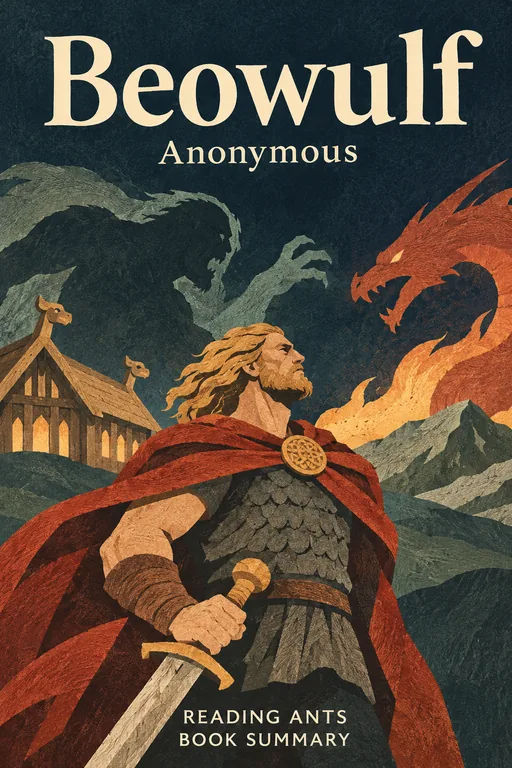
Beowulf
Anonymous
A mighty young warrior sails to Denmark to defeat a monster terrorizing a king's great hall, then battles the monster's vengeful mother, and decades later, as an old king, gives his life fighting a dragon.
🎭 Epics, Drama & Poetry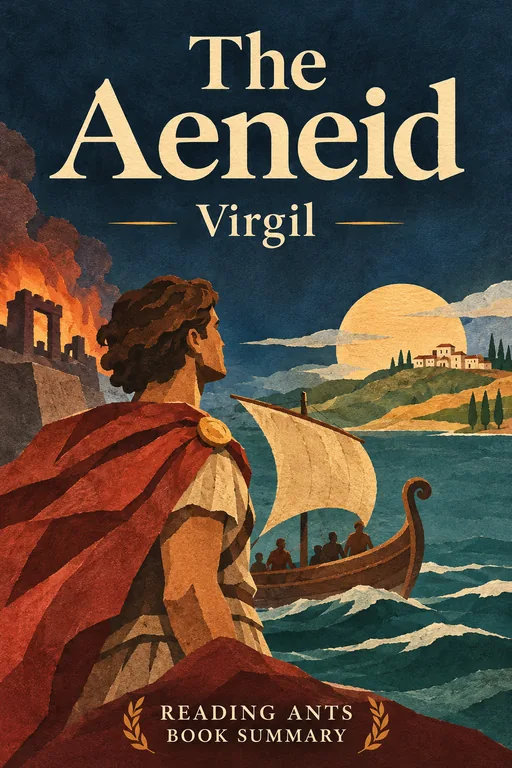
The Aeneid
Virgil
After the fall of Troy, the hero Aeneas leads a band of refugees across the sea to Italy, where he is fated to found the line that will build Rome, at great personal cost.
🎭 Epics, Drama & Poetry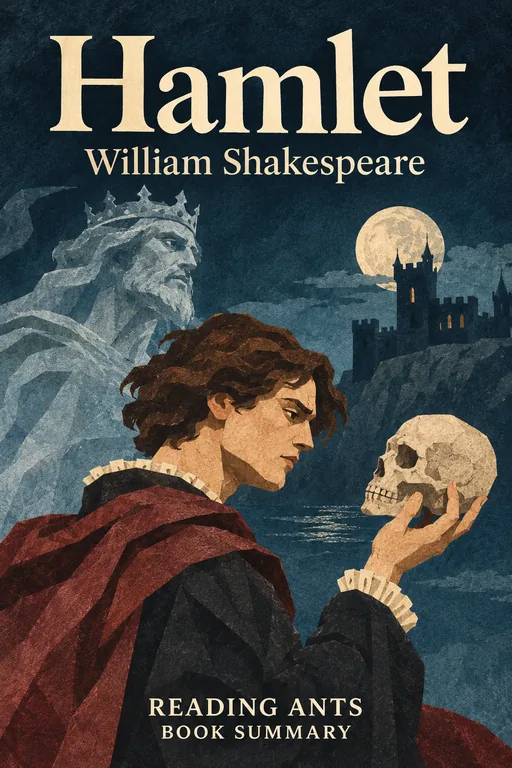
Hamlet
William Shakespeare
A grieving prince of Denmark learns from his father's ghost that his uncle murdered the king to take the throne, and his struggle to decide whether and how to take revenge leads to madness and death.
🎭 Epics, Drama & PoetryWant something different?
Pick another topic and we will show you three books to start with.