 Reading Ants
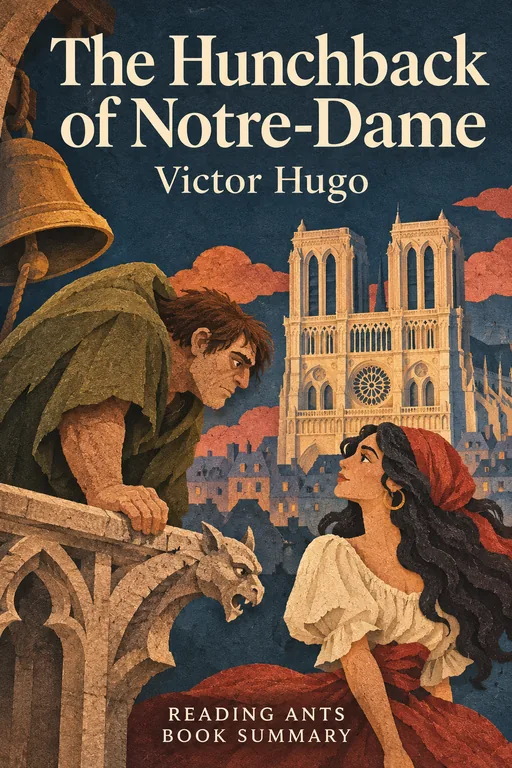
The Hunchback of Notre-Dame
Original title: Notre-Dame de Paris
In fifteenth-century Paris, the deformed bell-ringer Quasimodo, the cold archdeacon Frollo and the dashing captain Phoebus are all drawn into a deadly web of desire around the beautiful Gypsy dancer Esmeralda.
Overview
The Hunchback of Notre-Dame (Notre-Dame de Paris in French) was published in 1831 by Victor Hugo. It is set in Paris in 1482, in the shadow of the great Gothic cathedral. Hugo wrote it partly to save the cathedral, which in his day was in disrepair and threatened with demolition; the novel’s success helped inspire a wave of restoration. The story follows Esmeralda, a kind, free-spirited street dancer, and the three men who love or desire her in very different ways. At the center is Quasimodo, the cathedral’s deaf, one-eyed, hunchbacked bell-ringer, whom the world treats as a monster but who proves to have a loyal heart. It is a tale about beauty, cruelty and the soul of a city.
Main Characters
- Quasimodo: the deformed, deaf bell-ringer of Notre-Dame.
- Esmeralda: a young Gypsy dancer, kind and trusting.
- Claude Frollo: the archdeacon of Notre-Dame, a scholar consumed by desire.
- Captain Phoebus de Châteaupers: a handsome, shallow soldier.
- Pierre Gringoire: a poet who marries Esmeralda to save her.
- Clopin Trouillefou: the king of the beggars.
- Fleur-de-Lys: Phoebus’s wealthy fiancée.
- Sister Gudule: a recluse who lives in a cell in Paris.
Full Summary
The Feast of Fools
On January 6, 1482, Paris celebrates the Feast of Fools. In the crowd, the poet Gringoire sees his play ignored, because the crowd is waiting for the festival of fools. They choose the ugliest man in Paris as their Pope of Fools, and the winner is Quasimodo, who is carried through the streets in triumph. He is the adopted son of Claude Frollo, the archdeacon, who found him abandoned as a baby on the cathedral steps. Quasimodo, deafened by the bells, adores Frollo.
Meanwhile, Gringoire, lost in the city, stumbles into the Court of Miracles, the hidden kingdom of beggars and thieves, where he is nearly hanged. Esmeralda saves his life by agreeing to marry him, as the rules allow, though only as a friend.
Esmeralda’s Admirers
Frollo, a stern man of learning who has taken vows of chastity, is consumed by passion for Esmeralda. He orders Quasimodo to kidnap her. The attempt is foiled by Captain Phoebus and his soldiers, who capture Quasimodo. Esmeralda falls in love with her handsome rescuer, who has no real feeling for her and is engaged to Fleur-de-Lys.
Quasimodo is tied to a wheel in the square and whipped. Tortured and thirsty, he begs for water. The only person who shows him pity is Esmeralda, who climbs up and gives him a drink. He weeps for the first time. From that moment, he is devoted to her.
Betrayal
Esmeralda agrees to meet Phoebus in a seedy inn. Frollo, jealous, follows them and stabs Phoebus, then flees, leaving Esmeralda to be blamed. She is arrested and tortured until she confesses to murder and witchcraft. Phoebus survives, but never tells the truth.
Esmeralda is sentenced to be hanged. On the day of the execution, as she is brought before the cathedral, Quasimodo swings down from the tower on a rope, seizes her and carries her inside, shouting “Sanctuary!” The law forbids the arrest of anyone who has taken refuge in the church. Quasimodo takes care of her in a small cell in the tower, while Frollo continues to torment her with his desire.
The Siege of Notre-Dame
The beggars of the Court of Miracles, fearing that the king will violate the sanctuary, storm the cathedral to rescue Esmeralda. Quasimodo, thinking that they mean to harm her, fights them off, pouring molten lead and heavy beams on the crowd. In the confusion, Gringoire, persuaded by a hooded stranger who is really Frollo in disguise, helps Esmeralda slip out of the cathedral, but he abandons her and escapes with her goat. Frollo then takes charge of her and brings her to the Place de Grève, where he offers her a choice: to become his lover or to die. She refuses.
Death
Frollo leaves her with the recluse, Sister Gudule, while he goes to summon the guards. Sister Gudule, the recluse who has been praying and grieving for her lost daughter for years, discovers that Esmeralda is her long-lost child, stolen as a baby by Gypsies. She fights for her, but she is thrown down and fatally hurt as the soldiers seize Esmeralda, who is hanged. Gudule dies at the scene.
Quasimodo, on the cathedral roof, sees Frollo watching the execution with a smile. In fury and despair, he pushes the archdeacon off the tower. Frollo plunges to his death. Quasimodo then vanishes. Years later, in the vault where the bodies of the executed are thrown, two skeletons are found, one deformed, with its arms around the other, a woman’s. When someone tries to separate them, they crumble to dust.
Why It Matters
The Hunchback of Notre-Dame was a sensation in France and gave Hugo his first great international success. It helped spark a movement to preserve France’s medieval buildings, and the cathedral was restored in the mid-nineteenth century by the architect Viollet-le-Duc. When the cathedral was badly damaged by fire in 2019, the novel again became a bestseller.
The book has been adapted many times, including the 1923 and 1939 silent and sound films and Disney’s animated version in 1996, which softened the story considerably. Quasimodo is one of the most famous characters in literature, an outcast who is more human than the people around him.
Key Takeaways
- Appearances deceive. Quasimodo looks monstrous but has a loving heart; Frollo and Phoebus look respectable but are cruel.
- Desire can corrupt. Frollo’s obsession destroys him and others.
- Compassion transforms. One act of kindness wins Quasimodo’s devotion.
- Society punishes the outsider. Esmeralda and Quasimodo are persecuted for being different.
- Buildings carry memory. The cathedral is a witness to history.
What We Can Learn
The novel reminds us not to judge people by their looks. Quasimodo is treated cruelly because of his appearance, yet he is the most loyal, loving character in the book. Looking at how people act, not how they appear, is the true measure.
It also shows how small acts of kindness matter. Esmeralda’s glass of water to a suffering stranger changes Quasimodo’s life.
Finally, it warns about obsession and about hiding behind respectability. Frollo’s authority and learning hide a dangerous possessiveness.
Criticism and Counterpoints
Some readers find the novel slow, especially the long chapters describing medieval Paris and the history of architecture, which Hugo included because he loved the city. Others find the characters melodramatic, with villains and heroes drawn in broad strokes, and the coincidences, such as the discovery of Esmeralda’s mother, too convenient.
Modern readers may also be troubled by the portrayal of the Romani people as thieves and kidnappers, and by Hugo’s stereotypes of disability. Disney’s version softened the story with a happy ending, which differs greatly from the novel’s tragic finale.
Who Should Read It
This novel suits mature teens and adults who enjoy gothic stories and historical settings. It is darker and more tragic than the Disney film. Readers can skip some of the descriptive chapters on first reading if they wish.
Want the whole book?
A summary is a taste, not the meal. Here is where to find the full book.
You reached the end 🎉
Nicely done. Mark this one as read, and we will suggest what to read next.
Read this next
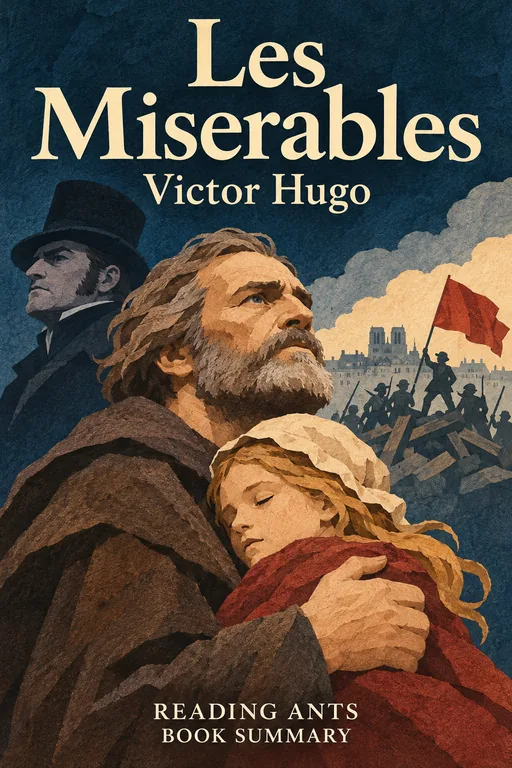
Les Miserables
Victor Hugo
A former convict, transformed by a single act of mercy, spends his life doing good while being hunted by a relentless police inspector, in a sweeping story of love, injustice and redemption in nineteenth-century France.
🌍 World Literature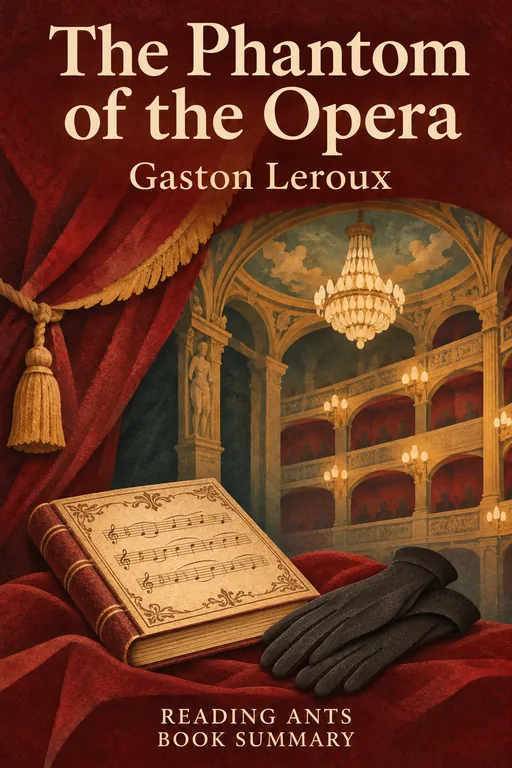
The Phantom of the Opera
Gaston Leroux
A mysterious, disfigured genius haunts the Paris Opera House and tries to win the love of a young singer, while her childhood sweetheart fights to save her.
🌍 World Literature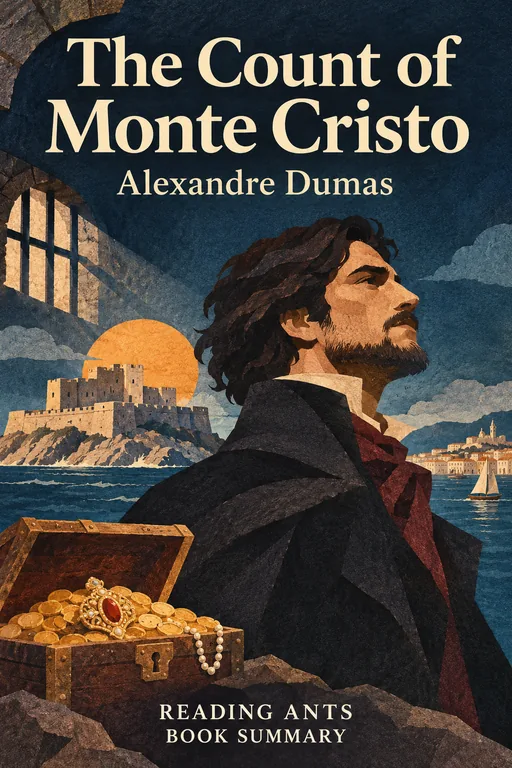
The Count of Monte Cristo
Alexandre Dumas
A young sailor, betrayed by jealous rivals and thrown into a dungeon for fourteen years, escapes with the help of a fellow prisoner, finds a vast treasure and returns as a mysterious, powerful count to take elaborate revenge on those who ruined him.
🌍 World Literature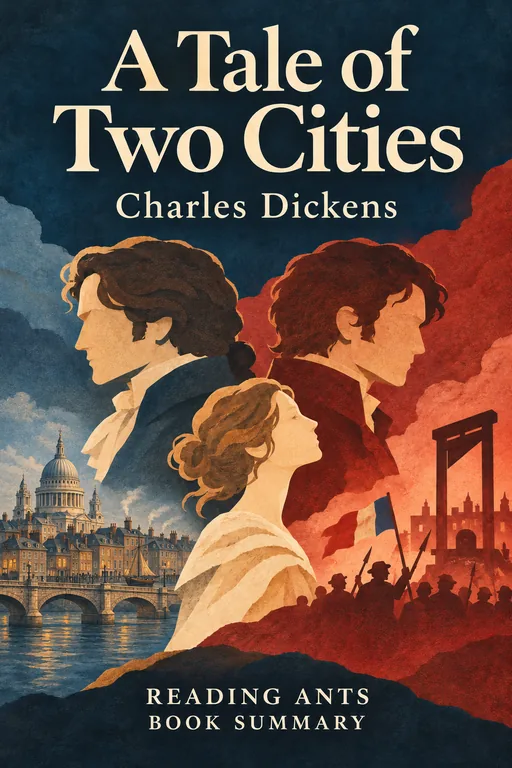
A Tale of Two Cities
Charles Dickens
During the French Revolution, the lives of a French aristocrat who rejects his family, the woman he loves and a brilliant but wasted English lawyer become entangled, until one man makes the ultimate sacrifice for love.
📜 Classics
Frankenstein
Mary Shelley
A young scientist creates a living being from dead body parts, then abandons it in horror, and his rejected creation, longing for love, turns to revenge.
🚀 Sci-Fi & Fantasy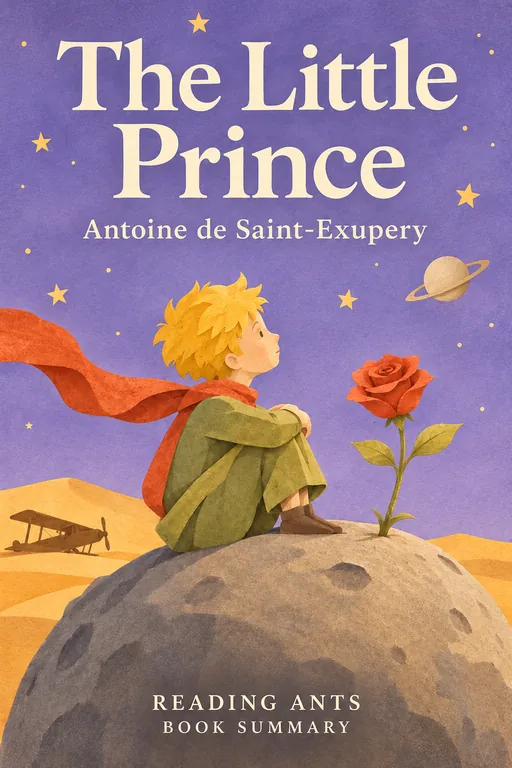
The Little Prince
Antoine de Saint-Exupery
A pilot stranded in the desert meets a small boy from a tiny planet, who teaches him that the most important things in life, like love and friendship, can only be seen with the heart.
🌍 World LiteratureWant something different?
Pick another topic and we will show you three books to start with.