 Reading Ants
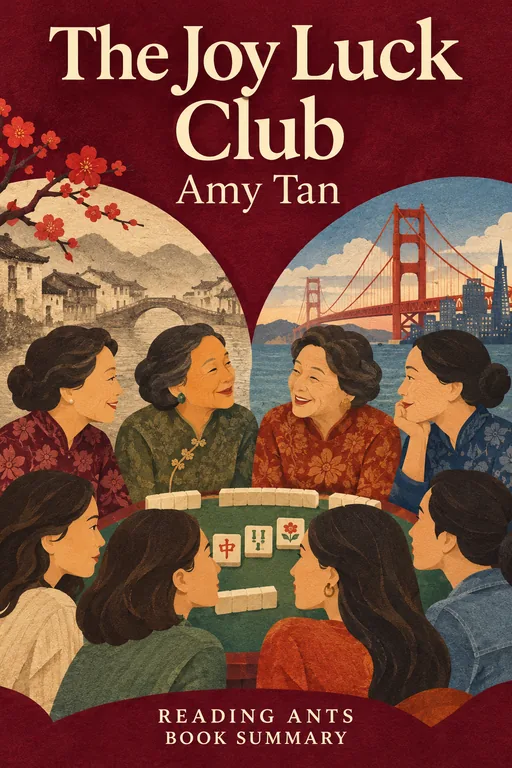
The Joy Luck Club
Four Chinese immigrant mothers and their American-born daughters tell interlocking stories of hardship, love and misunderstanding across the gap between two cultures, as the daughters finally begin to understand who their mothers really are.
Overview
The Joy Luck Club, Amy Tan’s first novel, was published in 1989. It is built around a group of four women who emigrated from China to San Francisco and meet weekly to play mahjong, eat and tell stories, calling themselves the Joy Luck Club. The book is made up of sixteen linked stories, narrated in turn by the four mothers, Suyuan, An-mei, Lindo and Ying-ying, and their four daughters, Jing-mei, Rose, Waverly and Lena. When Suyuan dies, her daughter Jing-mei takes her place at the mahjong table and learns about her mother’s past, including twin daughters she was forced to abandon during the Second World War. The novel is a moving exploration of mothers and daughters, memory and identity.
Main Characters
- Jing-mei (June) Woo: Suyuan’s daughter, who takes her mother’s seat at the club.
- Suyuan Woo: founder of the club, who lost two daughters in China.
- An-mei Hsu and her daughter Rose: An-mei grew up under a hard family, and Rose struggles in her marriage.
- Lindo Jong and her daughter Waverly: Lindo escaped an arranged marriage; Waverly became a chess prodigy.
- Ying-ying St. Clair and her daughter Lena: Ying-ying suffered a painful first marriage; Lena is unhappy in her own.
Full Summary
The Joy Luck Club
In 1944, in Guilin, China, during the Japanese invasion, Suyuan Woo started a “Joy Luck Club” with three other women, who gathered to play mahjong, share food and forget their troubles. When she emigrated to San Francisco, she started a new club, with three other Chinese immigrant women. Years later, after Suyuan’s sudden death, her daughter Jing-mei takes her place. The mothers tell her that Suyuan left behind two daughters in China, whom she never stopped searching for.
The Mothers’ Pasts
Each mother has a painful story. An-mei, as a child, watched her mother, who was forced to become the fourth concubine of a rich man, take her own life in a dramatic act to give her daughter power. An-mei learns from it that she must speak for herself rather than swallow her pain, a lesson she tries to pass on.
Lindo, as a child, was promised in marriage to a boy she had never met. Wanting to avoid shame to her family, she tricked her mother-in-law, using a false dream and an omen, to get out of the marriage and sail to America. She was proud that she kept both her honor and her own mind.
Ying-ying, raised in a wealthy family, was married to a cruel, unfaithful man who left her. After an unspeakable event, she gave up on life, and became “a ghost,” moving silently through life until she married an American man, Clifford St. Clair, and moved to the United States.
The Daughters
The daughters grew up in America, embarrassed at times by their mothers’ strange customs and strong opinions. Waverly, a chess champion as a child, resented her mother’s pride in her success. Rose, a quiet woman, was losing her marriage because she let her husband make every decision. Lena, a gifted woman, saw that her own marriage, in which she and her husband strictly divide up every expense, is empty. Jing-mei, the youngest, a failed piano student, feels she has never lived up to her mother’s hopes.
Each mother tries to guide her daughter, and each daughter hears criticism where her mother intends love. Their language and cultures keep them from understanding each other.
The Twin Daughters
Jing-mei learns the full story of Suyuan. During the Japanese advance in 1944, Suyuan fled with her two baby daughters. Dying of dysentery and exhausted, she left them by the roadside with money and a note, hoping someone would find and care for them. She survived, came to America and spent her life trying to find them. After her death, a letter arrives from China: the twins have been found.
The Trip to China
The mothers give Jing-mei the money to travel to China and meet her half-sisters. They tell her that she must tell them about their mother. At first, Jing-mei fears she knows nothing about Suyuan, but the other women say that she knows more than she thinks, since her mother’s blood runs in her. In China, she meets her two half-sisters, whose faces, to her surprise, look like her mother’s. A photo of the three sisters is taken, in which Jing-mei sees her mother, finally reunited with her daughters.
Why It Matters
The Joy Luck Club was a huge bestseller and one of the first major novels about Chinese American women’s experiences. It was a finalist for the National Book Award and the National Book Critics Circle Award, and was adapted into a 1993 film directed by Wayne Wang. It has been translated into more than thirty languages.
The book became a landmark of Asian American literature and opened the door for many writers. It speaks to anyone who has experienced a gap between generations, and it remains popular in schools. For many immigrants’ children, it was the first time they saw their families’ conflicts and love in print.
Key Takeaways
- Parents carry hidden histories. Understanding their pasts helps explain their choices.
- Love can be misunderstood. Mothers and daughters often speak past each other.
- Culture shapes identity. The daughters balance two worlds.
- Strong women survive hardship. Each mother overcomes trauma and loss.
- Storytelling connects generations. Sharing stories bridges the gap.
What We Can Learn
The novel invites us to listen to our parents’ and grandparents’ stories. Many people only learn what their families went through after it is too late to ask.
It also shows that love can take different forms. A mother’s criticism may come from fear for her child’s future, not lack of care. Being patient and open-minded can help bridge generational gaps.
Finally, it reminds us that we can honor where we came from while building our own identity. Neither the old culture nor the new needs to be abandoned.
Criticism and Counterpoints
Some critics, including some Asian American writers, have accused the book of presenting stereotypes of Chinese culture and of an overly harsh, exotic China for American readers. Others have felt that the Chinese men in the book are mostly cruel or weak, while the white partners are often shown more sympathetically, although the marriages of Rose and Lena to white husbands are unhappy.
The novel has also been questioned for its storytelling structure, with sixteen separate voices that can make it hard to remember who is who. Supporters respond that the format is the book’s strength, mirroring a conversation around a mahjong table. Many readers, regardless, find it deeply touching.
Who Should Read It
This novel suits teenagers and adults, especially those interested in family relationships, immigration or Chinese culture. It is easy to read in short chapters. Readers who like interlinked stories will especially enjoy it.
Want the whole book?
A summary is a taste, not the meal. Here is where to find the full book.
You reached the end 🎉
Nicely done. Mark this one as read, and we will suggest what to read next.
Read this next
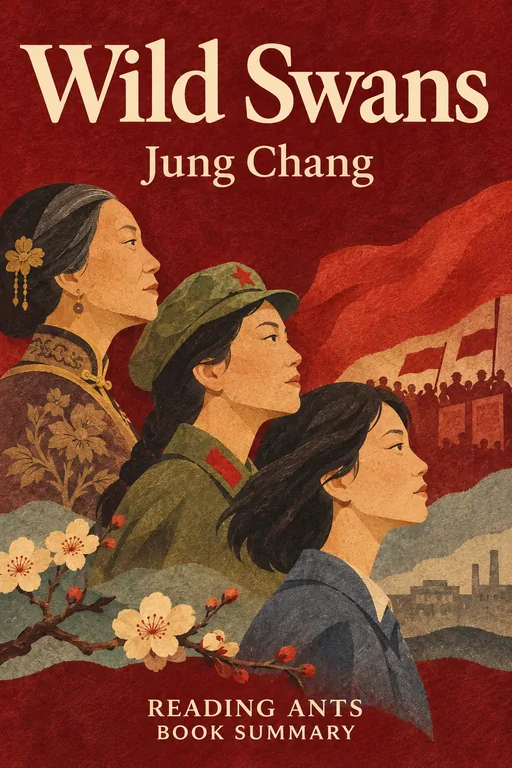
Wild Swans
Jung Chang
Through the lives of her grandmother, her mother and herself, Jung Chang tells the story of China across the twentieth century, from warlords and foot binding to the Communist revolution and the Cultural Revolution.
🏛️ History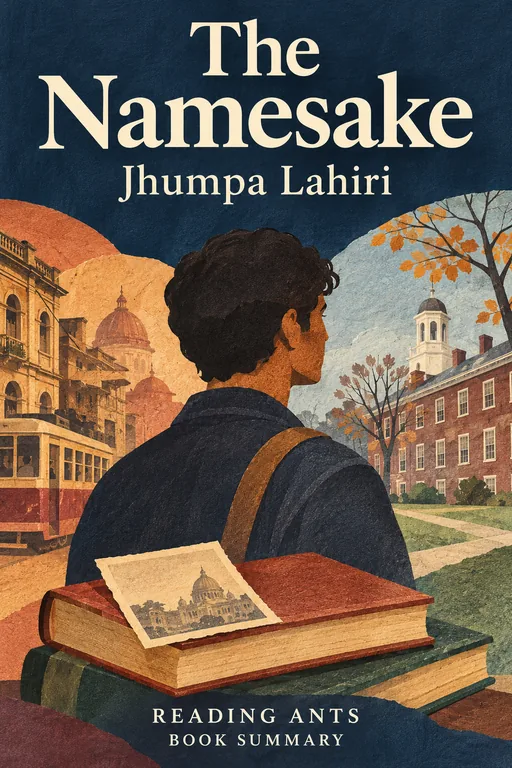
The Namesake
Jhumpa Lahiri
Gogol Ganguli, the American-born son of Bengali immigrants, struggles with his unusual name and his divided identity as he moves between his parents' traditions and the life he wants for himself.
✨ Modern Fiction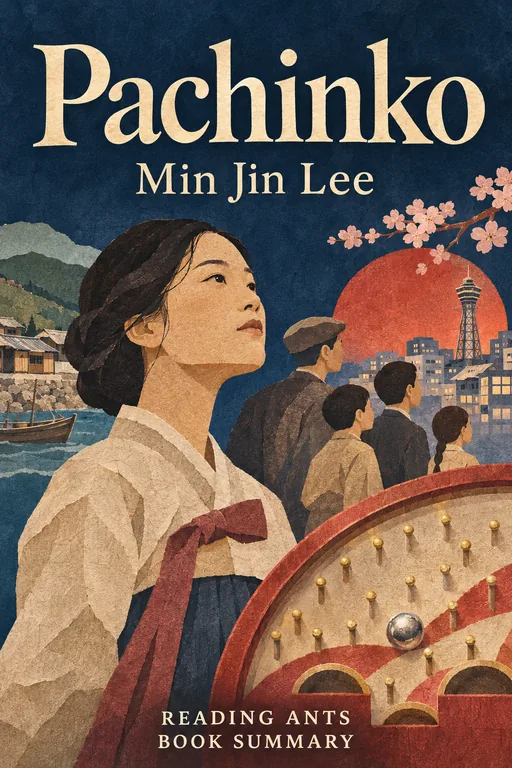
Pachinko
Min Jin Lee
Over four generations, a Korean family struggles to survive and find a home in Japan, facing discrimination, poverty and war, while holding on to dignity, family and hope.
✨ Modern Fiction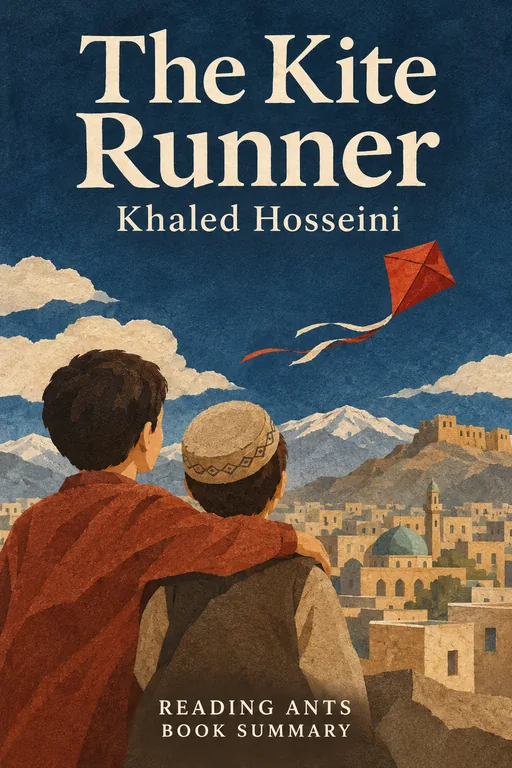
The Kite Runner
Khaled Hosseini
A wealthy boy in Kabul betrays his loyal best friend on the day of a kite tournament, and decades later, after fleeing to America, he returns to a Taliban-ruled Afghanistan to try to make things right.
✨ Modern Fiction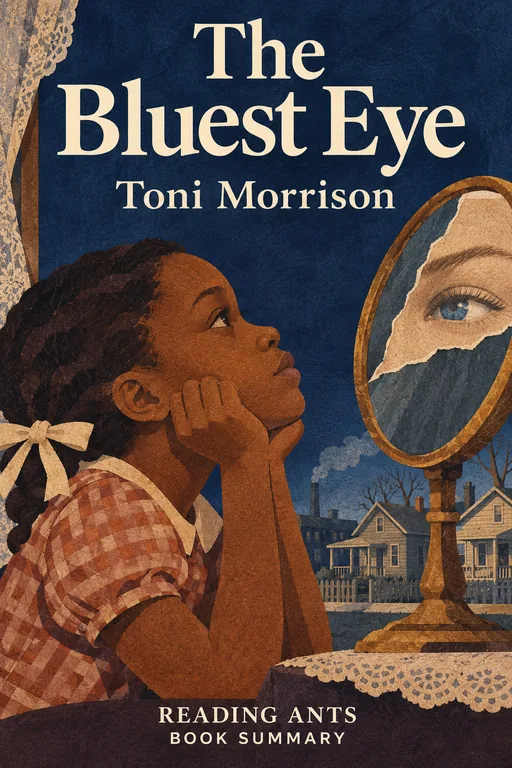
The Bluest Eye
Toni Morrison
In 1940s Ohio, a poor Black girl named Pecola Breedlove, who believes that she is ugly, prays for blue eyes, and the community's failure to protect her leads to tragedy.
✨ Modern Fiction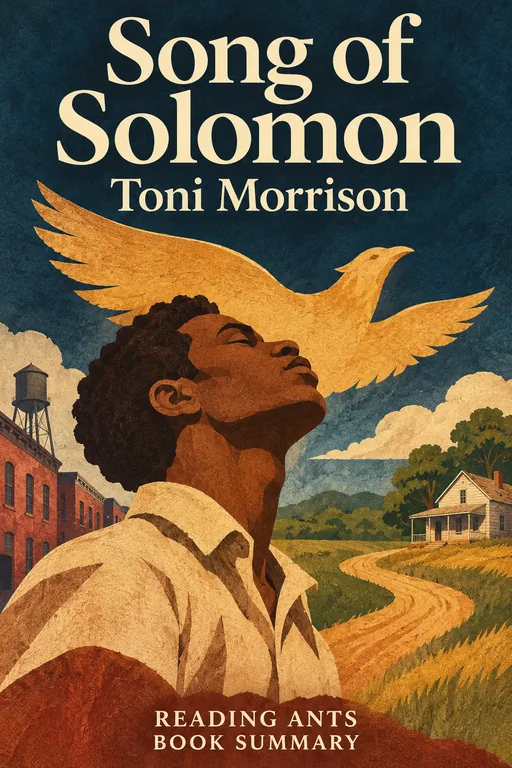
Song of Solomon
Toni Morrison
Macon "Milkman" Dead, a self-absorbed young man from Michigan, goes south in search of a family treasure and finds instead his family's history, and learns to take responsibility and to fly.
✨ Modern FictionWant something different?
Pick another topic and we will show you three books to start with.