 Reading Ants
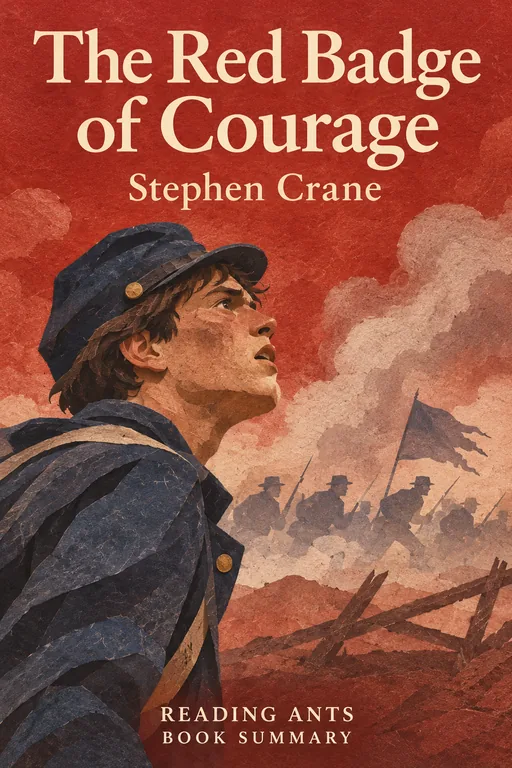
The Red Badge of Courage
A young Union soldier in the American Civil War, who is afraid that he will run in battle, flees during his first battle, is ashamed, and then in later battles finds courage and a new understanding of himself.
Overview
The Red Badge of Courage is a short novel by Stephen Crane, published in 1895, when he was in his early twenties and had never seen a battle. It is about the psychological experience of a young soldier, Henry Fleming, in the Civil War, and does not name the battle or the places. Crane avoids glorifying war, and focuses on the confusion, fear and illusions of a single man. The novel has been admired for its modern, impressionistic style, and for its realistic portrayal of the feelings of a soldier, and is often described as strikingly modern.
Main Characters
- Henry Fleming: a young recruit, called “the youth,” who dreams of glory and fears cowardice.
- Jim Conklin: a tall, steady soldier and old friend of Henry’s, who is mortally wounded.
- Wilson: a loud young soldier, who becomes Henry’s close friend.
- The tattered man: a gently spoken wounded soldier, whose innocent questions torment Henry.
- The cheery man: a soldier who helps Henry return to his unit.
- The lieutenant and the colonel: officers who lead the regiment.
- Henry’s mother: a farm woman, who tries to dissuade him from enlisting.
Full Summary
Dreams and fears
Henry Fleming, a farm boy, has enlisted in the Union army, against the wishes of his mother, who tells him to be good and to avoid bad company. Waiting in camp, he is bored and anxious. He dreams of heroism, but he starts to doubt whether he will have the courage to stand and fight, or whether he will run. He asks his old friend Jim Conklin whether he might run, and Jim admits that he might if others did. The loud Wilson boasts that he will do his share, but Henry cannot be sure of either of them, or of himself.
The first battle
When the regiment finally goes into action, Henry finds that, in the din of the guns, he fights with a kind of fury, and he holds his ground. The enemy retreats, and he feels a rush of pride. But when a second attack comes, he sees some of his comrades running away, and, in panic, he turns and runs too. He flees through the woods, and, when he stops, he is in the rear, among the wounded, filled with a confused sense of relief and shame. He tries to justify his action to himself, and he is stung when he learns that the regiment held its ground after all.
The wounded
In the woods, Henry comes upon a dead soldier and flees in horror. He then joins a stream of wounded men heading to the rear. Among them is the tattered man, who is wounded and kind, but who asks him where he is hurt, a question which Henry cannot bear. Henry envies the wounded and wishes that he, too, had a wound, a red badge of courage. He then discovers that one of the wounded, walking in a daze, is Jim Conklin, who has been shot in the side. Jim wanders off into a field and dies there in a terrible scene, while Henry and the tattered man watch. Henry is overcome with grief. The tattered man, who is growing weak himself, keeps asking about Henry’s wound, and Henry abandons him in the field.
The red badge
As Henry wanders on, a panicked column of Union troops comes streaming out of the woods, and he is struck on the head by a rifle butt when he grabs a fleeing soldier and asks what is happening. The blow gives him a wound, which he comes to see as a kind of red badge, a proof that he has been in the fight. A cheery stranger leads him back to his regiment. Wilson, who is on guard duty, greets him, says that he thought Henry was dead, and bandages him. Henry says nothing about his flight, and the others assume that he was grazed by a bullet in battle.
Gaining courage
The next morning Wilson, who seems calmer and more modest than before, cares for Henry, and the two are now close friends. When the regiment is attacked, Henry fights with a fury that astonishes his comrades, and the lieutenant praises him. Later, while fetching water, Henry and Wilson overhear a general dismissing their regiment as “mule drivers” who can be spared. The regiment is ordered to charge. In the attack, the color sergeant is killed, and Henry and Wilson wrench the flag from his hands. The charge falls short, and the regiment withdraws under the scorn of other troops. Afterward the officer in command of the charge rebukes the regiment’s colonel, and the lieutenant boldly defends his men. Henry and Wilson hear that they were singled out as the best fighters in the regiment. In a later fight, Henry carries the colors and urges the men to charge a line of the enemy behind a fence, and Wilson seizes an enemy flag. Henry feels himself a new man, and he is proud of his conduct. The memory of his shame seems to fade.
The end of the battle
After the fight, the regiment is ordered to march back toward the river, and Henry is haunted by the memory of his desertion of the tattered man, which still troubles him. He is also troubled by his ideals of glory, which he now sees as childish. He begins to take a more modest view of himself, and he accepts that he is a man with both faults and virtues. As the weary soldiers march in the rain, a golden ray of sun breaks through the clouds over the river, and Henry feels a sense of peace and a quiet understanding of what he has learned.
Why It Matters
The Red Badge of Courage is one of the best-known American war novels, and an influence on later war writers. Its interest in the inner life of a soldier, and its refusal to romanticize battle, were new, and it set the tone for many later war stories. The book’s style, with its vivid color images and its focus on the character’s perceptions, anticipated modernism. It is widely taught in schools, and is valued for the way that it explores the difference between the idea of courage and its reality.
Key Takeaways
- Courage is complicated. Henry runs, and later fights bravely.
- Fear is human. The novel treats cowardice with sympathy.
- War is chaotic. Soldiers see little of the whole battle.
- Shame can shape growth. Henry’s guilt makes him think.
- Glory is an illusion. Real battle is different from dreams.
What We Can Learn
You can learn from Henry that being afraid is normal, and that courage is not the absence of fear but how you act despite it. The novel also shows how easy it is to hide our faults from others, and how that can trouble us, and it suggests that honesty with ourselves is the first step toward maturity. If you read it, notice how Crane describes the confusion of battle, and how it differs from the heroic stories you may have heard. It may lead you to think about the human cost of war.
Criticism and Counterpoints
Some readers find the novel’s style, with its heavy use of color imagery and its cold tone, difficult or affected, and the characters, who are mostly nameless, hard to feel close to. Others feel that the ending is unclear about whether Henry has truly changed, or merely found a more comfortable lie, since he never confesses his flight. Some readers have also pointed out that Crane had no battle experience when he wrote it. The novel’s tone toward the war has been described as ironic. Still, many find it powerful.
Who Should Read It
This book is for readers from about thirteen or fourteen who are interested in war stories, American history and psychological fiction. It is short, and can be read in a few sittings. Those who like it may continue with All Quiet on the Western Front or The Things They Carried.
Want the whole book?
A summary is a taste, not the meal. Here is where to find the full book.
You reached the end 🎉
Nicely done. Mark this one as read, and we will suggest what to read next.
Read this next
All Quiet on the Western Front
Erich Maria Remarque
A young German soldier discovers that modern war destroys not only bodies but also the beliefs, relationships and futures of those forced to fight it.
🌍 World Literature
Catch-22
Joseph Heller
A bombardier named Yossarian tries to survive World War II by pretending to be crazy, but he is trapped by a military rule, Catch-22, that makes every escape impossible.
📜 Classics
Slaughterhouse-Five
Kurt Vonnegut
Billy Pilgrim, a World War II soldier who survived the firebombing of Dresden, becomes "unstuck in time," bouncing between his past, present and future, and finds meaning in the idea that all moments exist forever.
📜 Classics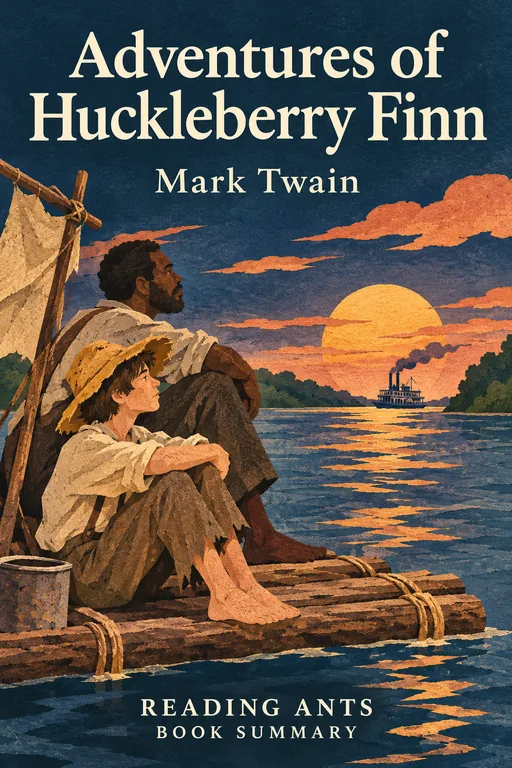
Adventures of Huckleberry Finn
Mark Twain
A runaway boy and an escaped enslaved man float down the Mississippi River on a raft, and as they face swindlers, feuds and danger, the boy learns to follow his conscience rather than the racist rules of his society.
📜 Classics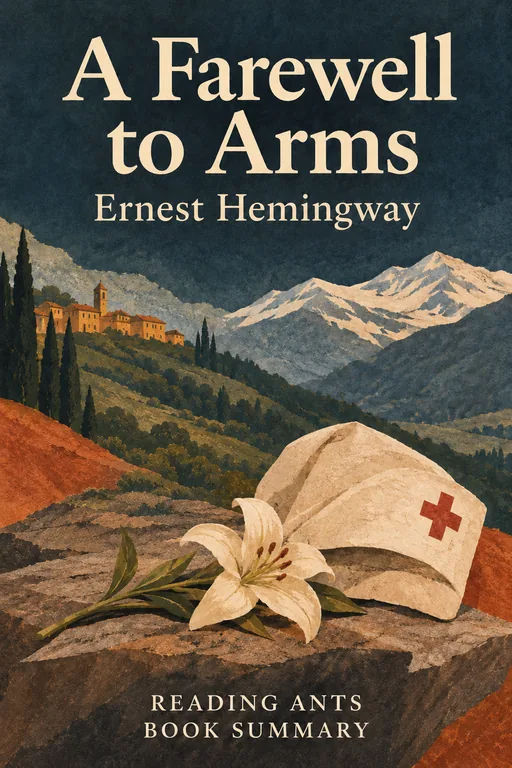
A Farewell to Arms
Ernest Hemingway
An American ambulance driver in the Italian army during World War I falls in love with a British nurse, deserts the war and escapes with her to Switzerland, only to lose her in childbirth.
📜 Classics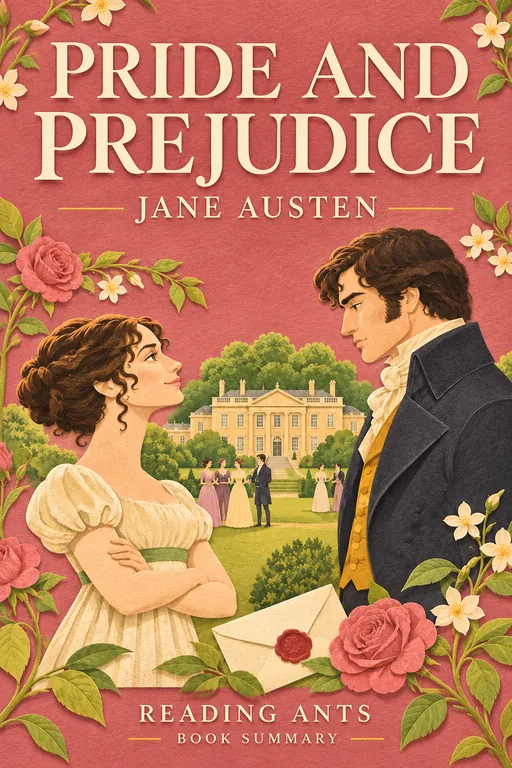
Pride and Prejudice
Jane Austen
Quick-witted Elizabeth Bennet and the proud, wealthy Mr. Darcy badly misjudge each other, and only by facing their own faults do they find their way to love.
📜 ClassicsWant something different?
Pick another topic and we will show you three books to start with.