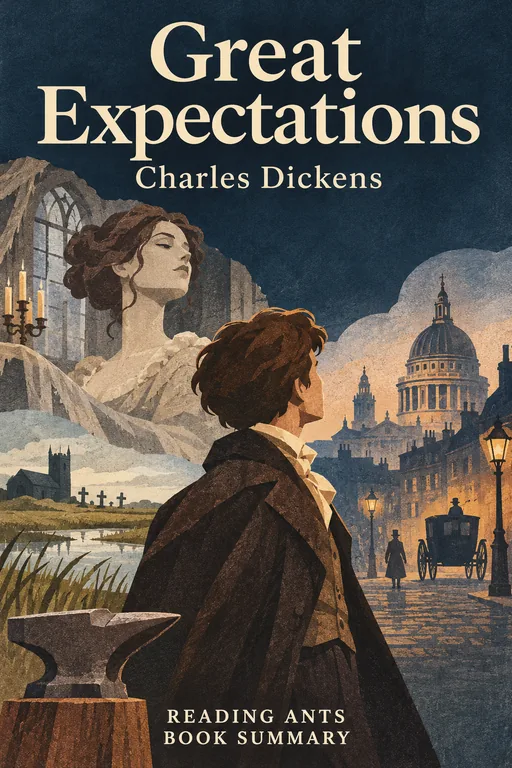
Great Expectations
A poor orphan boy suddenly receives a fortune from a secret benefactor and becomes a gentleman in London, but he learns that wealth and status mean nothing without loyalty, kindness and gratitude.
Overview
Great Expectations is one of Charles Dickens’s most popular novels, first published in weekly parts in 1860 and 1861. It is narrated by Philip Pirrip, known as Pip, looking back on his life. Pip grows up in the marshes of Kent, raised “by hand” by his harsh older sister and her gentle husband, Joe, the village blacksmith. One evening in a churchyard, he is grabbed by an escaped convict and forced to help him. Later, Pip is invited to play at the house of the strange, wealthy Miss Havisham and falls in love with her cold, beautiful ward, Estella. When a mysterious benefactor gives him “great expectations” of a fortune, Pip leaves for London to become a gentleman. The novel is about ambition, guilt, class and what really makes a person good.
Main Characters
- Pip (Philip Pirrip): an orphan who dreams of becoming a gentleman.
- Joe Gargery: Pip’s kind, loyal brother-in-law, a blacksmith.
- Mrs. Joe: Pip’s harsh older sister.
- Abel Magwitch: an escaped convict.
- Miss Havisham: a bitter old woman who still wears her wedding dress.
- Estella: Miss Havisham’s beautiful, cold adopted daughter.
- Herbert Pocket: Pip’s cheerful friend in London.
- Mr. Jaggers: a powerful, mysterious lawyer.
- Biddy: a kind, sensible young woman from Pip’s village.
Full Summary
The Convict in the Churchyard
On a cold Christmas Eve, young Pip visits his parents’ graves in a lonely churchyard by the marshes. Suddenly a frightening man in chains seizes him: an escaped convict. He orders Pip to bring him food and a file to cut his leg irons. Terrified, Pip steals food and a pie from his sister’s kitchen and brings them, along with a file from Joe’s forge. The convict is grateful. Soon after, soldiers recapture him, and he protects Pip by claiming he stole the food himself.
Miss Havisham and Estella
Pip is sent to play at Satis House, the gloomy mansion of Miss Havisham, a rich woman who was jilted by her fiancé on her wedding day decades ago. She still wears her yellowed wedding dress, all the clocks are stopped at the moment she learned of the betrayal, and the rotting wedding cake still sits on the table. She has raised a beautiful girl, Estella, to break men’s hearts as revenge on all men.
Estella mocks Pip as a common, coarse boy with rough hands. Pip falls in love with her and becomes ashamed of his home, his work as Joe’s apprentice and even of kind Joe himself. He dreams of becoming a gentleman to win her.
Great Expectations
One day, the lawyer Mr. Jaggers announces that Pip has “great expectations”: an anonymous benefactor will pay for him to become a gentleman in London, and he will one day inherit a fortune. Pip is certain the benefactor is Miss Havisham, and that she intends him to marry Estella.
In London, Pip shares rooms with Herbert Pocket, a cheerful young man who becomes his best friend. Pip learns gentlemanly manners, spends money freely and runs into debt. When Joe visits, Pip is embarrassed by his simple ways and treats him coldly. Joe, hurt, leaves with dignity. When Pip’s sister dies after being attacked years earlier, Pip returns home briefly, then neglects Joe and Biddy again.
The Benefactor Revealed
When Pip is twenty-three, a rough old man appears at his door: Abel Magwitch, the convict from the churchyard. Pip is horrified to learn that Magwitch is his secret benefactor. After being transported to Australia, Magwitch made a fortune and sent his money to make Pip a gentleman, out of gratitude for the boy’s kindness long ago. Returning to England is punishable by death, so Magwitch is in great danger.
Pip’s dreams collapse. Miss Havisham never meant him to have Estella, and the money came from a criminal. At first he is disgusted, but gradually he comes to respect and care for Magwitch.
Estella and Miss Havisham
Estella marries Bentley Drummle, a cruel, wealthy man. Pip visits Miss Havisham, who finally realizes how much harm she has caused. She begs his forgiveness. As Pip leaves, her wedding dress catches fire from the fireplace. Pip saves her, burning his hands, but she later dies from her injuries. Pip also discovers that Estella is actually the daughter of Magwitch and a woman who once worked for Mr. Jaggers.
Escape and Loss
Pip and Herbert plan to smuggle Magwitch out of England by boat. But they are betrayed by Compeyson, the villain who once deceived both Magwitch and Miss Havisham. In a struggle on the river, Compeyson drowns, and Magwitch is badly injured and captured. He is sentenced to death but dies in prison first, with Pip holding his hand and telling him that his lost daughter is alive and that Pip loves her. Magwitch’s fortune is taken by the government.
Coming Home
Pip falls seriously ill and is in danger of being arrested for debt. Joe comes to London, nurses him back to health and quietly pays his debts. Deeply ashamed of how he treated Joe, Pip returns home to apologize and finds that Joe has married Biddy. He goes abroad to work with Herbert and lives modestly, finally understanding the value of honest work and loyalty.
Eleven years later, Pip returns and visits the ruins of Satis House, where he meets Estella, now widowed and softened by suffering. They walk out of the ruined garden hand in hand, and Pip sees no sign that they will part again. This is Dickens’s revised ending; his original ending was bleaker.
Why It Matters
Great Expectations is often considered Charles Dickens’s finest novel and is one of the most widely read classics of English literature. It brilliantly explores Victorian society’s obsession with class and money, and asks what truly makes someone a gentleman: birth and wealth, or character and kindness.
Miss Havisham, frozen in time in her wedding dress, is one of the most memorable characters in fiction. The novel has been adapted many times for film and television, including David Lean’s celebrated 1946 version. Dickens originally wrote a sadder ending, in which Pip and Estella part forever, but changed it on a friend’s advice, and readers still debate which ending is better.
Key Takeaways
- Wealth doesn’t make a gentleman. True worth lies in kindness and loyalty, like Joe’s.
- Ambition can lead us astray. Pip’s desire for status makes him ashamed of those who love him.
- Gratitude has power. Magwitch’s fortune began with a child’s act of kindness.
- Revenge harms everyone. Miss Havisham’s bitterness ruins Estella and herself.
- People can change. Pip, Estella and Miss Havisham all learn from suffering.
What We Can Learn
Pip’s story warns us not to be ashamed of our family or our roots. Joe is poor and uneducated, but he is the best person in the novel. Valuing people for their hearts, not their money or manners, is one of life’s most important lessons.
It also shows the value of gratitude and humility. Pip only finds peace when he recognizes how much others have done for him and apologizes for his ingratitude.
Finally, the book reminds us that our choices matter more than our circumstances. Pip is given a fortune, but it is his decisions, not his wealth, that determine whether he becomes a good man.
Criticism and Counterpoints
Some readers find the novel’s many coincidences hard to believe, especially the way nearly every character turns out to be connected to another. The ending, too, has been debated: some critics prefer Dickens’s original, more realistic ending, in which Pip and Estella do not end up together.
Modern readers may also find Estella underdeveloped, seen mostly through Pip’s eyes as an object of desire, and Dickens’s portrayal of Mrs. Joe’s violence and her later fate troubling. Nonetheless, its humor, memorable characters and moral depth make it one of Dickens’s most accessible works.
Who Should Read It
This book suits teenagers and adults, and it is often read in schools. It has more humor and a tighter plot than many Victorian novels, making it a good introduction to Dickens. Younger readers may prefer an abridged version or a film adaptation first.
Want the whole book?
A summary is a taste, not the meal. Here is where to find the full book.
You reached the end 🎉
Nicely done. Mark this one as read, and we will suggest what to read next.
Read this next
Oliver Twist
Charles Dickens
An orphan boy born in a workhouse escapes to London, where he falls into a gang of child thieves, and despite cruelty and crime around him, his goodness survives until he finds a loving home and learns the secret of his birth.
📜 Classics
David Copperfield
Charles Dickens
From a sad childhood of cruelty and poverty to adult success as a writer, David Copperfield tells his own life story, with unforgettable friends and villains along the way.
📜 Classics
A Tale of Two Cities
Charles Dickens
During the French Revolution, the lives of a French aristocrat who rejects his family, the woman he loves and a brilliant but wasted English lawyer become entangled, until one man makes the ultimate sacrifice for love.
📜 Classics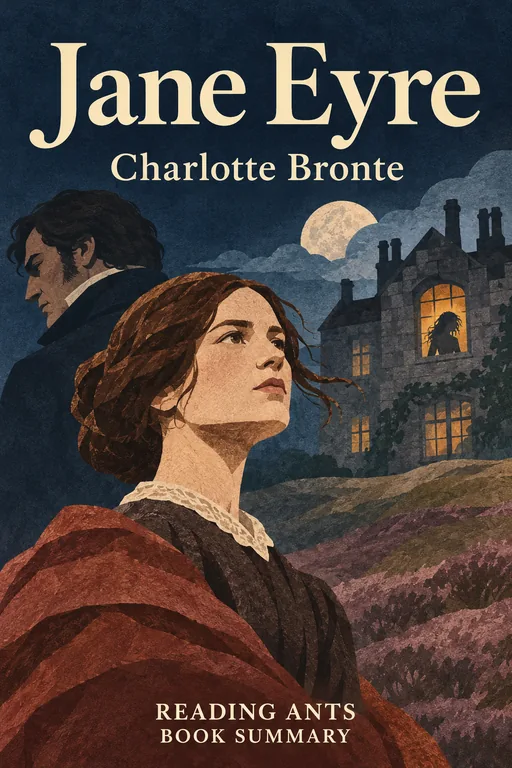
Jane Eyre
Charlotte Bronte
A poor, plain but fiercely independent orphan becomes a governess, falls in love with her brooding employer, discovers his terrible secret, and refuses to give up her self-respect even for love.
📜 Classics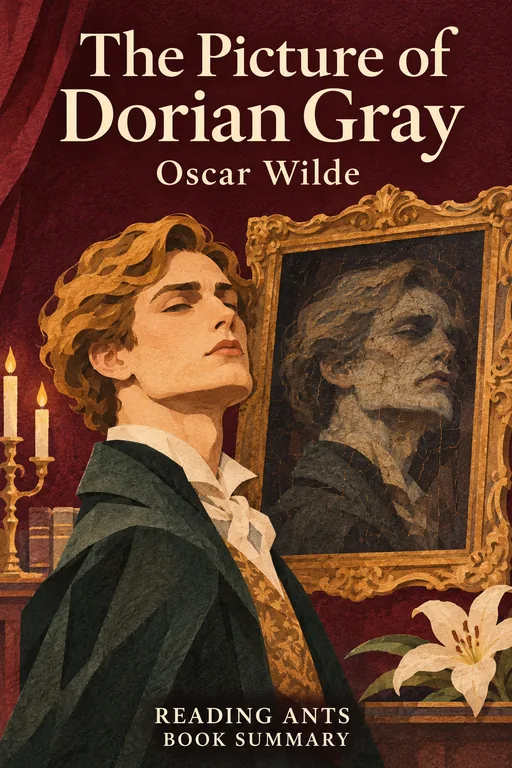
The Picture of Dorian Gray
Oscar Wilde
A beautiful young man wishes that his portrait would grow old instead of him, and as he lives a life of selfish pleasure and cruelty, his face stays perfect while the painting reveals the ugliness of his soul.
📜 Classics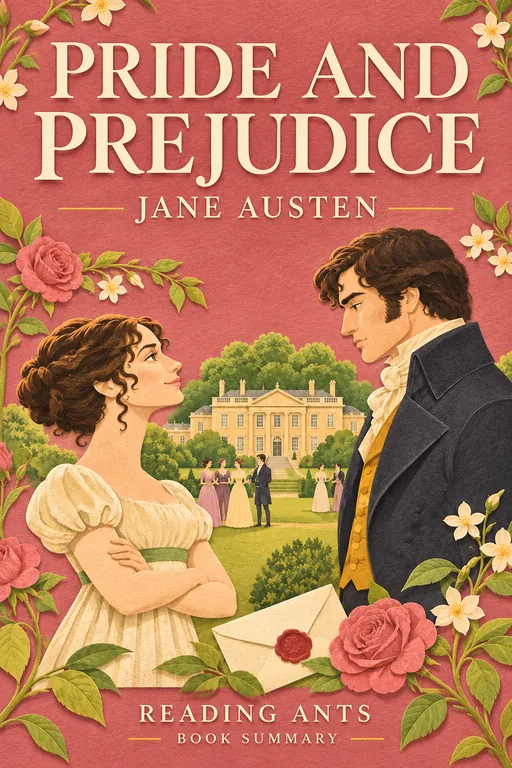
Pride and Prejudice
Jane Austen
Quick-witted Elizabeth Bennet and the proud, wealthy Mr. Darcy badly misjudge each other, and only by facing their own faults do they find their way to love.
📜 ClassicsWant something different?
Pick another topic and we will show you three books to start with.