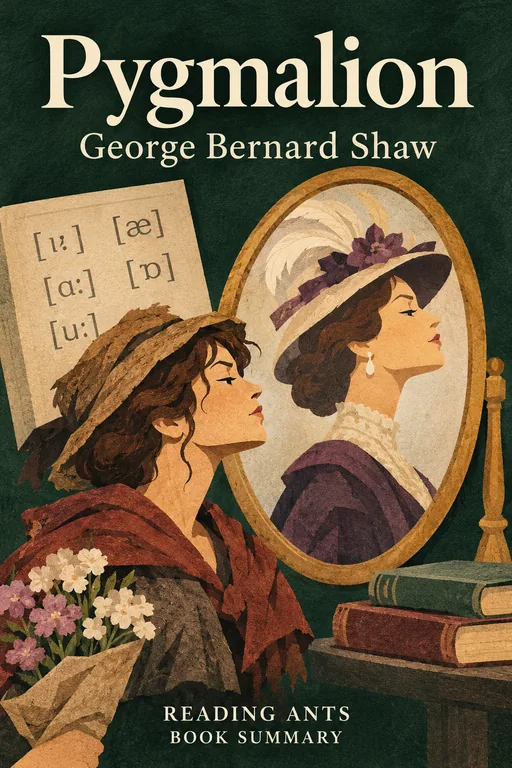
Pygmalion
A phonetics professor, Henry Higgins, bets that he can turn a poor London flower seller, Eliza Doolittle, into a lady by teaching her to speak properly, but Eliza shows that she already has a mind and a will of her own.
Overview
Pygmalion is a play in five acts by George Bernard Shaw, first performed in 1913. The title refers to the Greek myth of a sculptor who falls in love with the statue he made. Shaw, an Irish playwright and critic of British society, used it to show how much a person’s accent and manner decide their place in the class system. The play is a comedy, but it asks serious questions about class, language, independence and the treatment of women. It was the basis for the musical My Fair Lady (1956) and its film version, though Shaw’s ending is different from the romantic one that the musical gives. Some of the lesson and ball scenes described below are expanded in screen versions; in Shaw’s original stage text, much of the training and the embassy ball happen offstage.
Main Characters
- Henry Higgins: a brilliant, arrogant, bad-mannered professor of phonetics.
- Eliza Doolittle: a Cockney flower girl who is spirited, resourceful and proud.
- Colonel Pickering: a polite, kind gentleman and expert in Indian dialects, Higgins’s friend.
- Alfred Doolittle: Eliza’s father, a witty, disreputable dustman.
- Mrs. Higgins: Henry’s wise and sensible mother.
- Mrs. Pearce: Higgins’s housekeeper.
- Freddy Eynsford-Hill: a young man who falls in love with Eliza.
Full Summary
The Bet
On a rainy night in London, outside the church at Covent Garden, Henry Higgins, a phonetics expert, notices Eliza, a flower girl, selling her wares in a heavy Cockney accent. He boasts to Colonel Pickering, who has just arrived from India to meet him, that he could pass her off as a duchess in six months by teaching her to speak properly. The next day, Eliza appears at Higgins’s door, wanting to take lessons so that she can work in a flower shop. Pickering, intrigued, bets that Higgins cannot do it, and offers to pay for the lessons.
Lessons
Eliza moves into Higgins’s house, where Mrs. Pearce looks after her. Higgins teaches her relentlessly, making her repeat sounds and phrases for hours. He is bossy and treats her as an experiment, not as a person. Her father, Alfred Doolittle, appears to ask for money, and demonstrates a cheerful moral flexibility, accepting five pounds and leaving. Eliza is stubborn, yet makes progress. Pickering is kind to her, in contrast to Higgins’s rudeness.
The scenes of Eliza’s lessons are among the funniest in the play. Higgins makes her say vowels again and again, tests her with a marble in her mouth and records her voice. Eliza at first speaks in the broad Cockney, but gradually the sounds change. She is angry and tired, but determined to succeed, and she takes real pride in her progress.
The Test
Higgins takes Eliza to his mother’s at-home party, to see how she does with society. Eliza speaks in a perfect accent, but her topics of conversation, which include stories about her family and gin, scandalize the guests. Mrs. Higgins sees at once that the experiment is more serious than the men realize. A young man, Freddy, is charmed by Eliza and begins to adore her. Later, Higgins and Pickering take her to an ambassador’s ball, which Shaw leaves offstage; they return to report that she was a triumph and was mistaken for a princess.
Higgins and Pickering do not notice that Eliza has become frightened and unsure, because they are so pleased with their result. In the ball scene that Shaw added later for the film, Nepommuck, a Hungarian who was once Higgins’s pupil, declares that Eliza must be of royal blood, which delights the men and gives them the satisfaction of winning the bet, though Eliza is left out of their celebration.
Revolt
After the ball, Higgins and Pickering congratulate themselves and ignore Eliza, who is hurt and angry. She asks what is to become of her, and Higgins says that she could marry or open a shop. She throws his slippers at him, and tells him that she has been treated like a thing. She leaves the house in the morning, and goes to Mrs. Higgins, who sympathizes.
Eliza’s Independence
Higgins arrives, upset, and demands that Eliza return. Eliza says that she has learned from Pickering that a lady is one who is treated like a lady, and that Higgins has always treated her like a flower girl. She says that she will be independent, even if she must teach phonetics. Her father, who has come into money, now complains that he has been forced into middle-class respectability. At the end, Higgins, who has grown used to her, admires her spirit, but Eliza leaves, and Higgins laughs, confident that she will return. Shaw’s epilogue insists that she marries Freddy instead.
Eliza makes it clear that she wants neither to be a puppet nor a flower girl again, but a person who can choose. Shaw lets her argue with Higgins as an equal. The professor learns that she can do without him, and that he, in some way, depends on her, though he will not say it.
Why It Matters
Pygmalion is one of Shaw’s most popular plays and remains widely performed. It combines wit and social criticism, and was one of the first plays to examine how accent defines class in England. It has been adapted into the musical My Fair Lady (1956) and a 1938 film, which won an Academy Award for its screenplay, including Shaw.
Shaw’s argument that language and manners are learned, and not natural marks of a superior class, was radical. The play also shows his interest in the independence of women, and ends on a note of self-determination.
Key Takeaways
- Class is partly a matter of speech. Accent signals status.
- Dignity is not a function of class. Eliza deserves respect.
- People are not experiments. Higgins learns the cost of treating a person as a project.
- Independence matters. Eliza insists on running her own life.
- Kindness counts. Pickering’s courtesy makes the difference.
What We Can Learn
The play invites us to think about how we judge people by how they speak, and how unfair this can be. Eliza’s intelligence and spirit are the same before and after her lessons, and only the sound of her voice has changed.
It also shows that those who help others should treat them as equals. Higgins’s arrogance nearly ruins his own happiness.
Finally, it reminds us that learning a skill, such as a language, can open doors, but that it should be used for the learner’s goals.
Criticism and Counterpoints
Some readers dislike that Higgins is a bully who never truly apologizes, and that the play leaves open the question of Eliza’s future. Many audiences find the romantic ending of the musical more satisfying, and Shaw’s insistence on a non-romantic ending can be seen as stubborn. Others feel that the play is dated in its treatment of class.
Some critics also note that the play’s sympathy with Eliza is mixed with Shaw’s own theories about language and eugenics, and that her father, who turns into a middle-class moralist, is a caricature. Still, it is much loved.
Who Should Read It
This play suits readers from about age ten, and also adults. It is funny and fast, and a good introduction to Shaw. Readers may enjoy comparing it with My Fair Lady.
Want the whole book?
A summary is a taste, not the meal. Here is where to find the full book.
You reached the end 🎉
Nicely done. Mark this one as read, and we will suggest what to read next.
Read this next
Metamorphoses
Ovid
In fifteen books of Latin verse, Ovid retells more than two hundred myths from the creation of the world to the death of Julius Caesar, linked by a single theme: change, often a person turned into an animal, plant or star.
🎭 Epics, Drama & Poetry
An Inspector Calls
J. B. Priestley
During a family dinner in 1912, a mysterious inspector arrives to investigate the suicide of a young woman, and gradually shows that each member of the wealthy Birling family played a part in her downfall.
🎭 Epics, Drama & Poetry
Great Expectations
Charles Dickens
A poor orphan boy suddenly receives a fortune from a secret benefactor and becomes a gentleman in London, but he learns that wealth and status mean nothing without loyalty, kindness and gratitude.
📜 Classics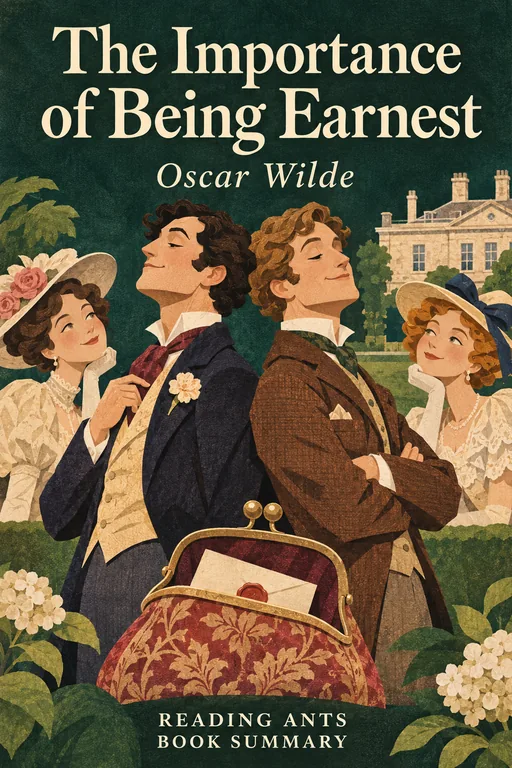
The Importance of Being Earnest
Oscar Wilde
Two wealthy young gentlemen in Victorian England invent fake identities to escape their responsibilities, leading to hilarious romantic confusion when both claim to be named Ernest and a lost handbag reveals a surprising family secret.
🎭 Epics, Drama & Poetry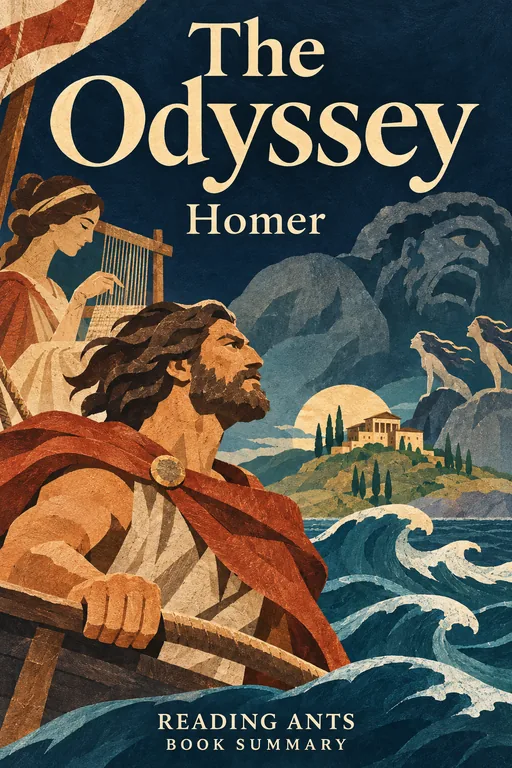
The Odyssey
Homer
After the Trojan War, the clever hero Odysseus struggles for ten years against monsters, gods and temptations to return home to his faithful wife and son, then must win back his house from the men trying to steal it.
🎭 Epics, Drama & Poetry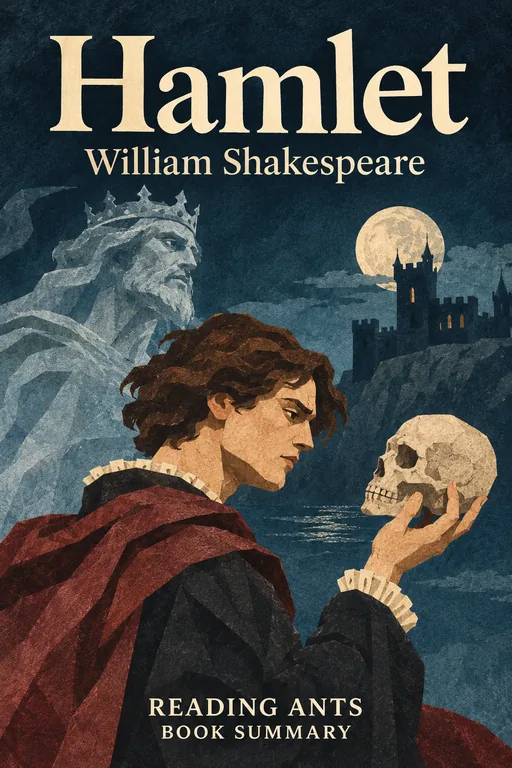
Hamlet
William Shakespeare
A grieving prince of Denmark learns from his father's ghost that his uncle murdered the king to take the throne, and his struggle to decide whether and how to take revenge leads to madness and death.
🎭 Epics, Drama & PoetryWant something different?
Pick another topic and we will show you three books to start with.