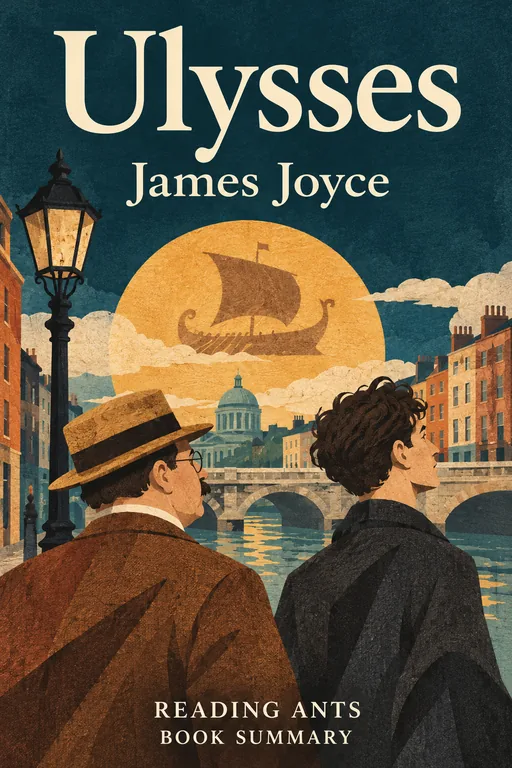
Ulysses
On a single day in Dublin, 16 June 1904, an advertising salesman named Leopold Bloom and a young teacher named Stephen Dedalus wander the city, and their paths finally cross in a novel that recasts Homer's *Odyssey* in everyday life.
Overview
Ulysses is a novel by the Irish writer James Joyce, published in Paris in 1922 after years of serialization and legal trouble. It follows its characters across one day in Dublin, and its eighteen episodes loosely parallel the adventures in Homer’s Odyssey. Each section uses a different style, from plain narration to a play script, a catechism and a final unpunctuated flow of thoughts. Because of its difficulty and its frank treatment of sex and the body, it was banned in the United States and Britain for years. Today, it is widely regarded as one of the most important novels of the twentieth century, and 16 June is celebrated as Bloomsday.
Main Characters
- Leopold Bloom: a middle-aged Jewish Dubliner who sells advertising, a gentle, curious and observant man.
- Molly Bloom: his wife, a singer, who is planning an afternoon meeting with another man.
- Stephen Dedalus: a young, brilliant but restless teacher and writer who feels estranged from Ireland.
- Buck Mulligan: Stephen’s mocking friend and housemate.
- Blazes Boylan: Molly’s lover and concert manager.
- Simon Dedalus: Stephen’s talkative, careless father.
- Gerty MacDowell: a young woman who flirts with Bloom on the beach.
Full Summary
Morning
The novel opens at a Martello tower on the coast, where Stephen lives with the sneering Buck Mulligan and an Englishman, Haines. Stephen is bitter over his mother’s death and over feeling dispossessed in his own home. He goes to work as a teacher at a school, and then walks along the beach, thinking about language and time. Meanwhile, across the city, Leopold Bloom goes out to buy a kidney, then brings Molly her tea and the morning post. He notices that one of the letters is from Boylan, and the thought is a quiet wound that runs through his day.
Bloom, meanwhile, is gentle with his cat, and he cooks the kidney for his own breakfast. He reads the letter from his daughter Milly, who is away, and he thinks about the way that his family has changed, while the day outside begins to heat up.
Bloom’s City
Bloom walks through Dublin, taking in everything: a funeral that he attends for a friend, Paddy Dignam; the busy newspaper office; the lunch he eats at a pub; and the National Library, where Stephen speaks about Shakespeare. Bloom thinks about his dead son Rudy, who died in infancy, and about his father’s suicide. He is kind but isolated, as an outsider because he is Jewish, and some people in the city treat him with suspicion. In a noisy pub, a nationalist known as the Citizen insults him, and Bloom responds with courage, and is chased out.
The Evening
In the evening, Bloom sits on the beach and sees a young woman, Gerty MacDowell, who knows that he is watching; a private moment follows, and the scene shows both vanity and loneliness. Later he visits a maternity hospital, where a woman is in long labor, and he meets Stephen, who is drinking with students. The language of this episode imitates the history of English prose, from ancient styles to modern slang, and mirrors the idea of birth and growth.
Nighttown
Bloom, worried about Stephen, follows him and his friends into the red-light district. The chapter is written as a surreal play, in which hallucinations, fears and memories take shape. Bloom is tried, mocked, transformed and humiliated, and his hidden guilt and desires appear in a nightmarish form. Stephen, drunk, smashes a lamp with his stick and is knocked out by a British soldier. Bloom rescues him and takes him away.
Homecoming
Bloom takes Stephen to a cabman’s shelter and then to his home. They talk over cocoa, and the chapter is written as a series of questions and answers. Bloom offers Stephen a bed, but Stephen leaves. The meeting of the older, hopeful man and the younger, lonely one fulfills a kind of father-and-son relationship, though they part. Bloom climbs into bed beside his sleeping wife.
Molly
The final chapter is Molly Bloom’s stream of thought as she lies awake, written in eight huge sentences with almost no punctuation inside them. She thinks about her husband, her lover, her youth in Gibraltar and her body. She remembers how Bloom proposed to her on Howth Head, and ends with the word “yes,” spoken as an affirmation. The book closes on a note of acceptance, though it leaves the future of the marriage open.
Why It Matters
Ulysses changed the novel. Joyce’s use of stream of consciousness, parody and multiple styles opened new possibilities and influenced writers from Samuel Beckett to Salman Rushdie. A 1933 American court ruling that lifted the ban on the book became a landmark in the history of free expression, and 16 June is celebrated each year by readers who dress in period costume and walk Bloom’s route in Dublin.
Many critics and readers rank it as the greatest English-language novel of the twentieth century. It shows that the events of an ordinary day, if looked at closely enough, can hold the same drama as the great epics of the past.
Key Takeaways
- Ordinary life is epic. A single day in Dublin carries the weight of Homer.
- Everyone is an outsider somewhere. Bloom’s difference marks him in his own city.
- Language is flexible. Each chapter is a new way of telling.
- Loss and connection shape people. Bloom and Stephen each carry grief.
- Affirmation ends the story. Molly’s final “yes” balances doubt.
What We Can Learn
Ulysses teaches us to pay close attention to small things. By following a person’s thoughts through a day, Joyce shows that every mind contains memories, jokes, worries and desires, and that no life is ordinary.
It also invites patience. The book is hard, and it rewards slow, repeated reading, which can encourage us to enjoy difficulty and to read with guides or in groups.
Finally, it presents kindness as a form of heroism. Bloom is not a warrior but he is tolerant, curious and gentle, which is a different model of strength.
Criticism and Counterpoints
Many readers find the book unreadable, with its obscure references, shifts of style and long, dense chapters. Some critics say that it is a puzzle that is more admired than enjoyed, and that its reputation is inflated. Others find the treatment of women, particularly in the Molly chapter, to be male fantasy, and Joyce’s view of Ireland is bitter.
The book’s sexual frankness shocked early readers and still can offend some. Scholars debate the value of the elaborate links to the Odyssey, which Joyce used in his notes but removed from the chapter titles. Still, it holds its place as a landmark.
Who Should Read It
This book suits mature, patient readers. It is long, difficult and explicit in places. Many people read it with a guide, such as a study companion or an audiobook, and begin with the shorter Dubliners to get used to Joyce’s world.
Want the whole book?
A summary is a taste, not the meal. Here is where to find the full book.
You reached the end 🎉
Nicely done. Mark this one as read, and we will suggest what to read next.
Read this next
The Odyssey
Homer
After the Trojan War, the clever hero Odysseus struggles for ten years against monsters, gods and temptations to return home to his faithful wife and son, then must win back his house from the men trying to steal it.
🎭 Epics, Drama & Poetry
Mrs Dalloway
Virginia Woolf
On a June day in 1923, Clarissa Dalloway prepares to host a party in London, while the shell-shocked war veteran Septimus Smith moves toward a crisis, and the two lives touch only at the story's end.
📜 ClassicsA Portrait of the Artist as a Young Man
James Joyce
A sensitive Irish boy, Stephen Dedalus, grows from childhood to young manhood in Dublin, rejecting the claims of family, religion and nation, and resolving to leave Ireland to become an artist.
📜 Classics
The Sound and the Fury
William Faulkner
Four sections, told by three brothers and then an outside narrator, trace the slow decline of the once-proud Compson family of Mississippi and the loss of their sister Caddy.
📜 Classics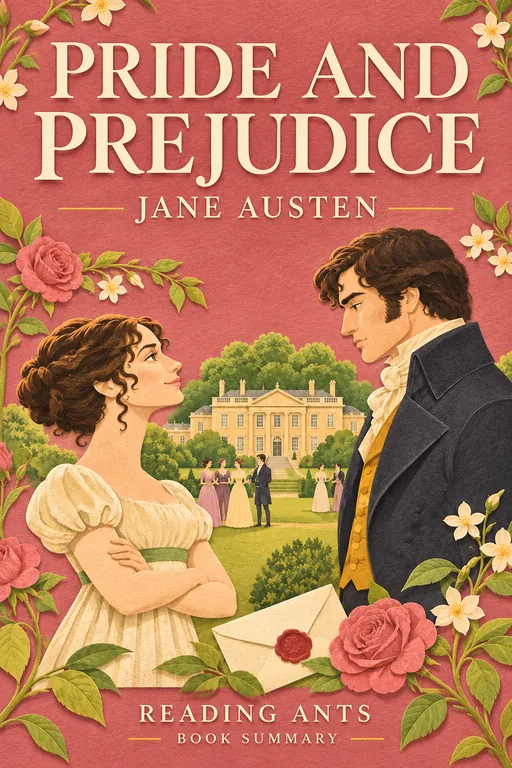
Pride and Prejudice
Jane Austen
Quick-witted Elizabeth Bennet and the proud, wealthy Mr. Darcy badly misjudge each other, and only by facing their own faults do they find their way to love.
📜 Classics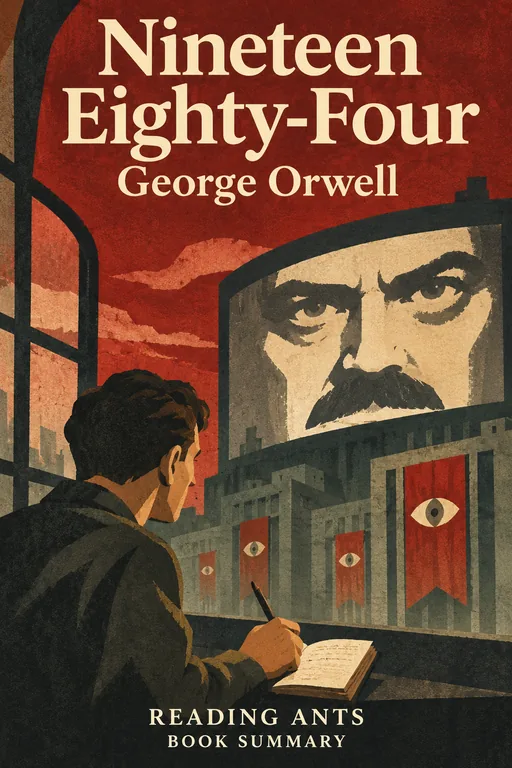
Nineteen Eighty-Four
George Orwell
In a future Britain ruled by an all-seeing Party, one man secretly rebels by keeping a diary and falling in love, and discovers just how completely a totalitarian state can crush the human mind.
📜 ClassicsWant something different?
Pick another topic and we will show you three books to start with.